IṢẸ́ ỌNÀ
ẸWÀ ÀTI ÌLERA
IṢẸ́ ỌWỌ́
ÀṢÀ ÀTI ÌTÀN
ÌṢERÉ
ÀYÍKÁ
OÚNJẸ ÀTI OHUN MÍMU
REVERSE ENGINEERING
SÁYẸ́ǸSÌ
ERÉ ÌDÁRAYÁ
ÌMỌ̀-Ẹ̀RỌ
ÀWỌN OHUN WÍWỌ̀
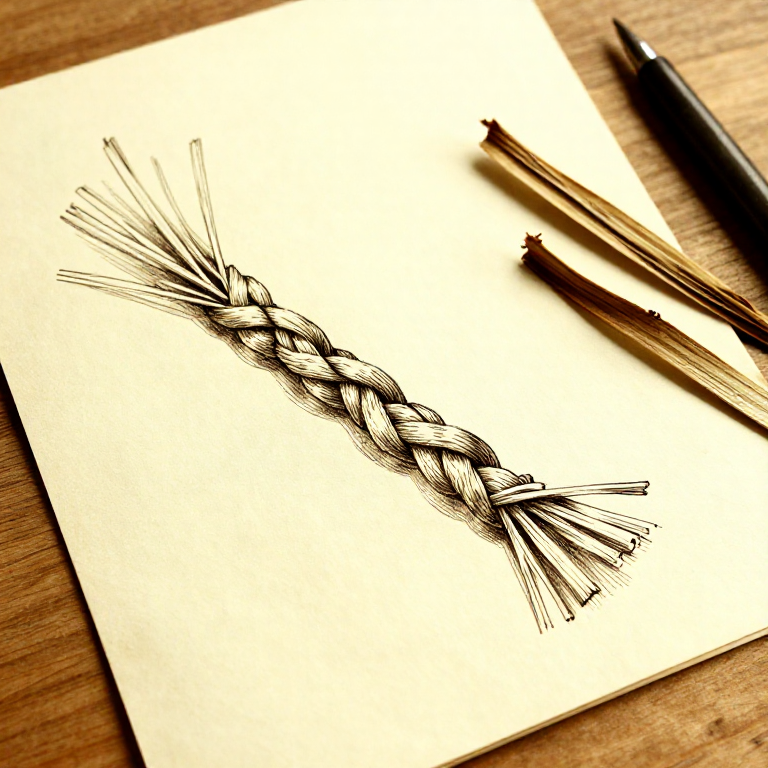


Making Rope from Plant Fibers — Reverse-Wrap Cordage
Make strong rope from plant fibers using the reverse-wrap two-ply method. One of the most fundamental survival skills — needed for shelter, traps, tool hafting, and more.
Olùbẹ̀rẹ̀
30-60 minutes
Ìlànà
1
1
Harvest Fiber Plants
Harvest Fiber Plants
Collect dried stalks of nettle, dogbane, milkweed, or inner bark of linden/cedar. 8-10 stalks per meter of rope. Fall/winter stalks work best — dry and brown.
Àwọn ohun èlò fún ìgbésẹ̀ yìí:
 Àwọn ọ̀pá ewéko gbígbẹ10 igi
2
2
Extract Fibers
Extract Fibers
Crush stalks by rolling between hands or pounding with a stone. Peel away outer bark to reveal long inner fibers. Remove any woody pith.
Àwọn ohun èlò fún ìgbésẹ̀ yìí:
Àwọn ọ̀pá ewéko gbígbẹ10 igiÀwọn irinṣẹ́ tí a nílò:
 Òkúta Dídán
3
3
Reverse-Wrap Technique
Reverse-Wrap Technique
Twist both halves clockwise, then let them wrap counter-clockwise around each other. The opposing twists lock the rope together.
Àpẹrẹ
Diagram: two fiber bundles shown twisting in opposing directions
4
4
Splice to Extend
Splice to Extend
Before a strand runs out, overlap a new fiber by 5cm. Continue twisting — friction holds the splice. Stagger splices so both strands never join at the same point.
5
5
Finish & Test
Finish & Test
Tie an overhand knot at each end. Good cordage holds 20-50kg. For heavier loads, braid 3 finished cords together.
Àwọn irinṣẹ́ tó nílò
2- Àyè
- Àyè
Ìtọ́nisọ́nà yìí ń ṣe
Blueprint tó jọra
Àwọn blueprint wọ̀nyí pín ìmọ̀ — ọ̀nà, ohun-èlò tàbí ìlànà

CC0 Àgbègbè Gbogbogbò
Blueprint yìí ti jáde lábẹ́ CC0. O lè ṣe àdàkọ, yí padà, pín, àti lò láìsí ìyọ̀ǹda.
Ṣàtìlẹ́yìn Olùṣẹ́dá nípa rírà àwọn ọjà nipasẹ̀ Blueprint wọn Ẹ̀san Olùṣẹ́dá tí àwọn Olùtajà gbé kalẹ̀, tàbí ṣẹ̀dá àtúnṣe tuntun ti Blueprint yìí kí o sì fi sínú Blueprint rẹ gẹ́gẹ́ bí ìsopọ̀ láti pín owó-wíwọlé.