IṢẸ́ ỌNÀ
ẸWÀ ÀTI ÌLERA
IṢẸ́ ỌWỌ́
ÀṢÀ ÀTI ÌTÀN
ÌṢERÉ
ÀYÍKÁ
OÚNJẸ ÀTI OHUN MÍMU
REVERSE ENGINEERING
SÁYẸ́ǸSÌ
ERÉ ÌDÁRAYÁ
ÌMỌ̀-Ẹ̀RỌ
ÀWỌN OHUN WÍWỌ̀
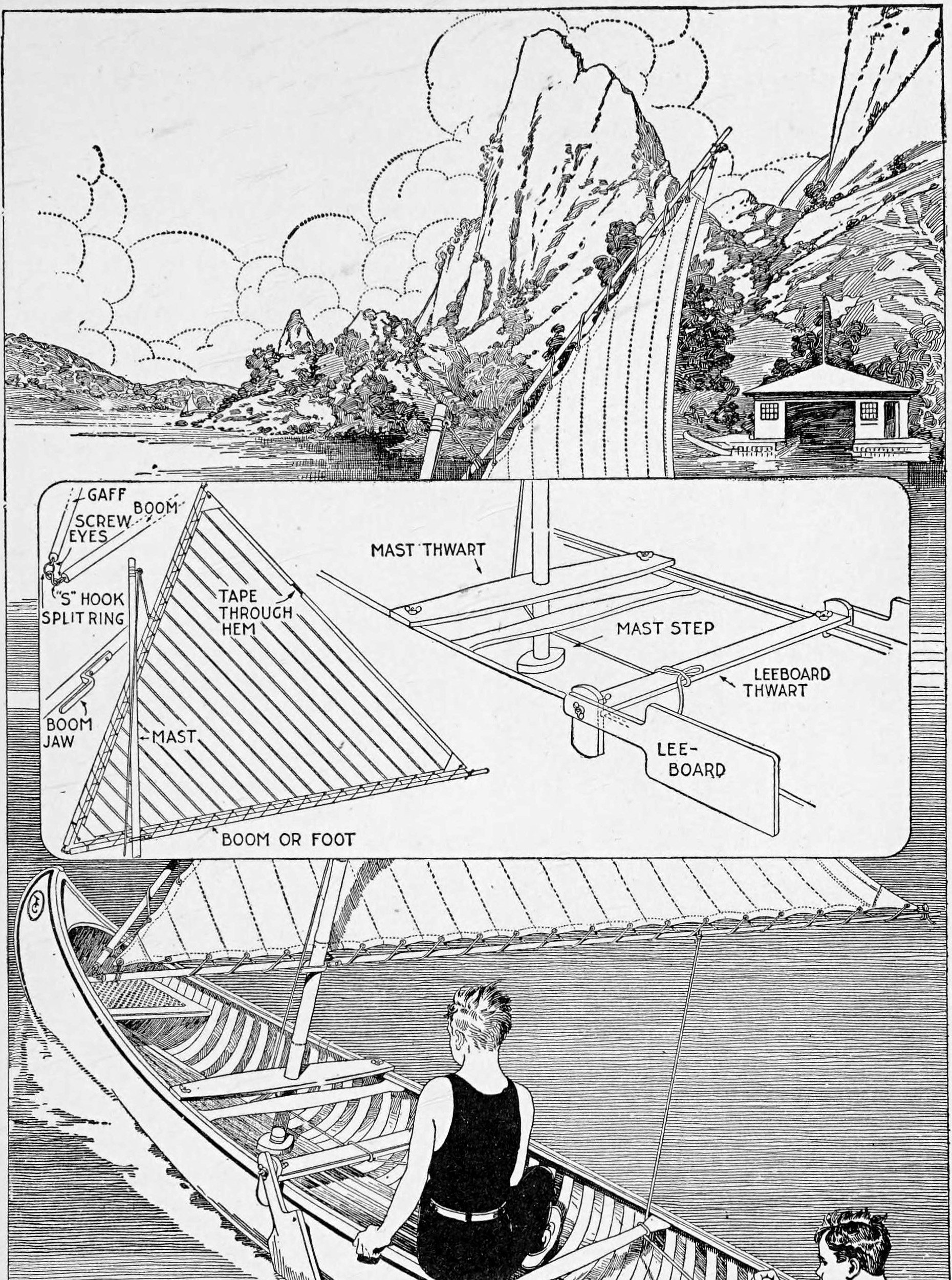


Canoe Sailing Rig: Bamboo Mast, 9 ft Lateen Sail, Clamp-In Mast Thwart and Leeboards (Boy Mechanic, 1919)
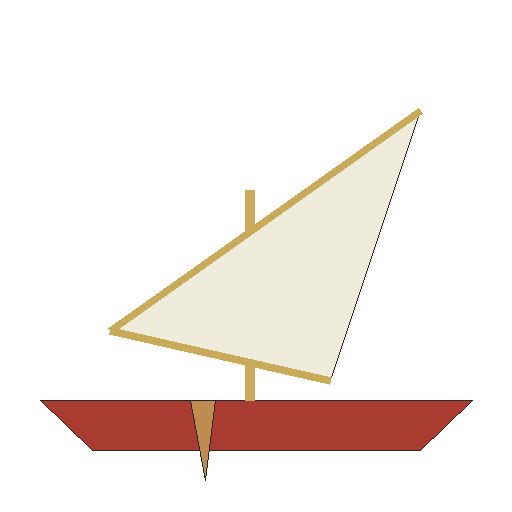
Stillman Taylor's sailing outfit for a 16 ft open canoe from The Boy Mechanic, Book 3 (1919): a 6 ft 10 in bamboo mast, a 9 ft lateen sail of cotton sheeting on two bamboo spars, a mast thwart and leeboard thwart that clamp to the gunwales with brass lantern-board hooks, and leeboards set by thumb nuts. Steer with the paddle.
Àárín
A few days
Ìlànà
1
1
Rig sizes and sail area
Rig sizes and sail area
Ń ṣí ìwé Jupyter…
2
2
Read The Boy Mechanic, Book 3
Read The Boy Mechanic, Book 3
"The lateen rig is best for an open canoe, because a shorter mast is required for the same sail area ... It is not safe to rig a canoe too heavily, and the rig described has been found to be well proportioned."
3
3
Make the mast
Make the mast
Cut bamboo 1-1/2 in across to 6 ft 10 in (carpet dealers' rolling bamboo of 1-1/2 to 2 in serves). Whittle a tapered wooden plug about 3 in long to wedge firmly in the top without splitting the cane, bore a small hole through the cane 2 in from the top, and fix a screw eye into the plug for the halyard. Drive small brads through the cane into the plug, and fit a brass ferrule over the end.
Àwọn ohun èlò fún ìgbésẹ̀ yìí:
 Ọ̀pá oparun1 ẹyọ
 Pátákó Igi Líle1 ẹyọ
 Ìṣó olórùka1 ẹyọ
 Ìṣó1 ẹyọ
 Metal Ring1 ẹyọ
Àwọn irinṣẹ́ tí a nílò:
 Ayùn Ọwọ́
 Ọ̀bẹ awọ
 Ìlù ọwọ́
 Òòlù
4
4
Make the spars
Make the spars
Use two bamboo fishing rods, 1 in at the butt and 10 ft long, as gaff and boom. Fix a 1-1/2 in screw eye with a 1/2 in eye at the end of each and join the spar ends with a 1-1/2 in brass split ring and a 1-3/4 in brass S hook. Fasten the 2 in brass boom jaw on the boom with its open end 18 in from the boom's forward end.
Àwọn ohun èlò fún ìgbésẹ̀ yìí:
 Ọ̀pá òpe2 ẹyọÌṣó olórùka2 ẹyọ
 Split Ring1 ẹyọ
 S-Hook1 ẹyọ
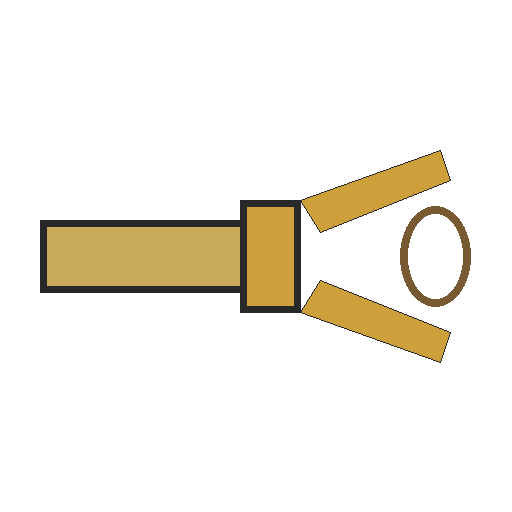 Boom Jaw1 ẹyọ
 Ìṣó igi1 ẹyọ
Àwọn irinṣẹ́ tí a nílò:
Ìlù ọwọ́ Ìlọ̀sí olójú pẹlẹbẹ
 Okùn Ìdíwọ̀n
5
5
Sew the sail
Sew the sail
Lay the spars on the cloth and pencil a triangle 9 ft on each side. Sew the widths of 1 yd unbleached cotton sheeting together, lapped about 1/2 in and stitched close to both edges, preferably on a machine. Sew bights (folds) 1/2 in wide, 6 in apart, parallel with the leech. Reinforce the corners with segments of cloth. Along the edges lashed to the spars fold and sew 1 in hems, running a 1/2 in tape into the leech hem; fasten the tape to the spar at each end to take up stretch and stop a flapping leech.
Àwọn ohun èlò fún ìgbésẹ̀ yìí:
 Aṣọ Òwú8 yard
 Òwú ìránṣọ1 ẹyọ
 Tééṣì twill òwú1 ẹyọ
Àwọn irinṣẹ́ tí a nílò:
 Ẹ̀rọ ìránṣọ
 Ìṣẹ́ná
 GègéOkùn Ìdíwọ̀n
6
6
Make the thwarts and mast step
Make the thwarts and mast step
Mast thwart: two cedar or pine boards 28 by 10 by 3/8 in and a piece 27-1/2 by 3-1/2 by 3/4 in, made as in the plate with a hole in the centre for the mast and a brass lantern-board hook at each end to clamp it to the gunwales. Mast step: a block 5 by 2-1/2 by 1 in, shaped neatly, fixed to the grating (or the ribs). Leeboard thwart: cedar or white pine 5 ft by 4 by 7/8 in, with short upright ends set at an angle to the canoe's curve so it wedges in just aft of the mast; groove the ends to the thwart and screw them on. He gives no leeboard sizes; bolt a leeboard to each end with a 3 in by 5/16 in brass bolt, washer and thumb nut so its angle can be set.
Àwọn ohun èlò fún ìgbésẹ̀ yìí:
 Pákó igi sídà4 ẹyọ
 Lantern-Board Hook4 ẹyọ
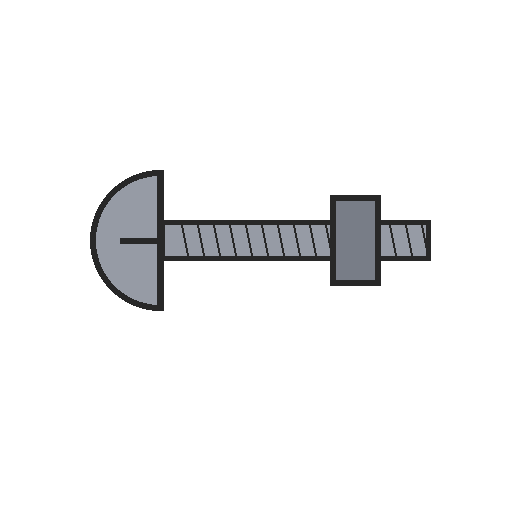 Stove Bolt2 ẹyọ
 Wáṣà Pẹrẹsẹ2 ẹyọ
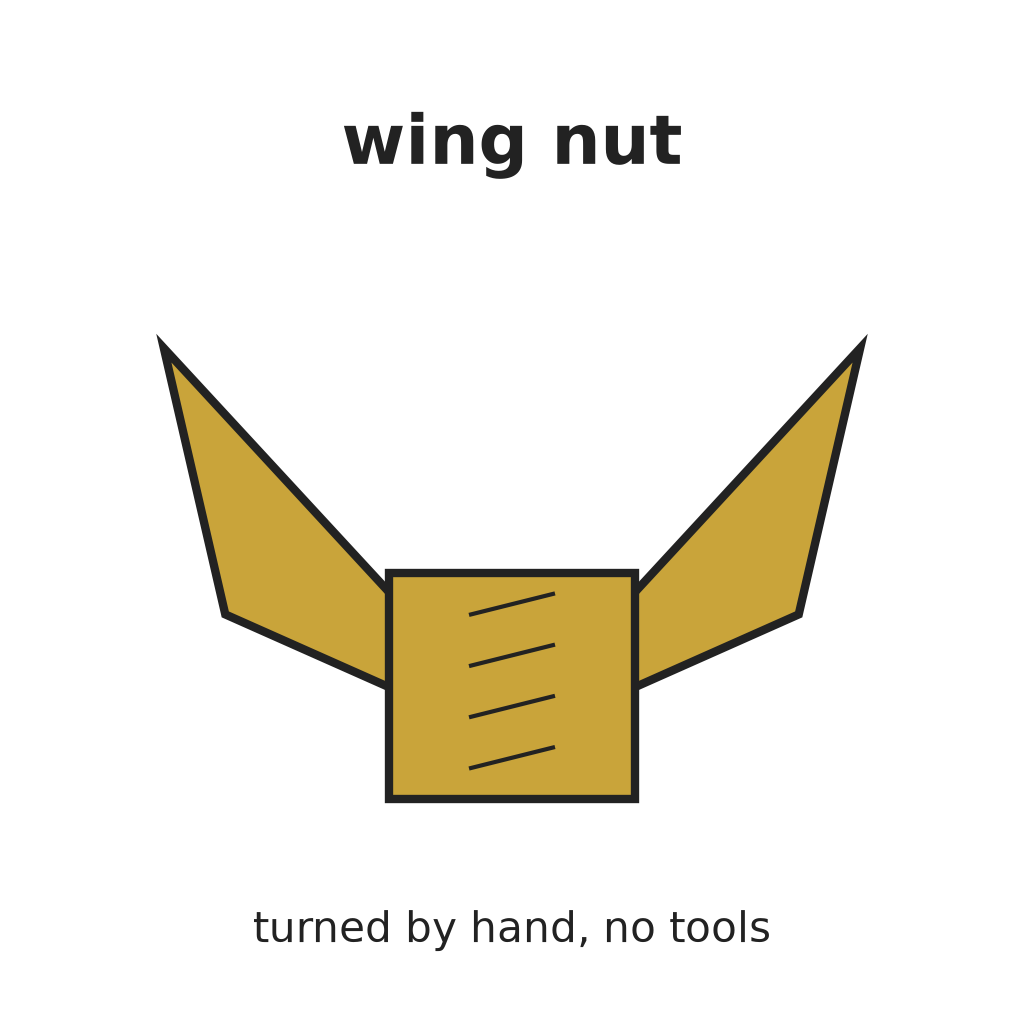 Nọ́ọ̀tì apá2 ẹyọÌṣó igi1 ẹyọ
Àwọn irinṣẹ́ tí a nílò:
Ayùn Ọwọ́ Ayùn Kópìngì
 Ohun èlò ìfárí igi (pìlánì)
 Àwọn ìgbẹ́ igi
 Ìlù ọwọ́ pẹ̀lú oríÌlọ̀sí olójú pẹlẹbẹ
7
7
Finish and rig
Finish and rig
Smooth all woodwork with sharp tools, sandpaper lightly, and give three coats of spar varnish. Lash the sail to the spars, run the 1/4 in cotton-rope halyard through the screw eye at the masthead until the gaff is close to the top, and find the balance by tying the halyard at different points along the gaff. Run the halyard under the forward thwart to the stern, never tied to it, and loop the main sheet round a thwart and hold it, never made fast.
Àwọn ohun èlò fún ìgbésẹ̀ yìí:
 Bébà Ìfá1 ẹyọ
 Spar Varnish1 ẹyọ
 Okùn òwú ńlá1 ẹyọ
Àwọn irinṣẹ́ tí a nílò:
 Búrọ́ọ̀ṣì fífẹ̀Ìṣẹ́ná
8
8
Sailing safely
Sailing safely
Canoe sailing.
Flow
Loading...
9
9
History and honest limits
History and honest limits
From "How to Build a Canoe, Part II" by Stillman Taylor, in **The Boy Mechanic, Book 3**, Popular Mechanics, 1919 (Project Gutenberg 71856; checked on the archive.org scan boymechanic0003unse, pp. 86-88). He gives no leeboard sizes (they vary with the canoe); the list calls the leeboard bolts brass stove bolts with thumb nuts and the text carriage bolts with wing nuts. Cedar for the leeboards, the sail area and the metric figures are ours.
Àwọn ohun-èlò
21- 1 ẹyọÀyè
- 1 ẹyọÀyè
- 2 ẹyọÀyè
- 1 ẹyọÀyè
- 1 ẹyọÀyè
- 2 ẹyọÀyè
- 1 ẹyọÀyè
- 1 ẹyọÀyè
- 1 ẹyọÀyè
- 2 ẹyọÀyè
- 8 yardÀyè
- 1 ẹyọÀyè
- 1 ẹyọÀyè
- 4 ẹyọÀyè
- 4 ẹyọÀyè
- 2 ẹyọÀyè
- 2 ẹyọÀyè
- 2 ẹyọÀyè
- 1 ẹyọÀyè
- 1 ẹyọÀyè
- 1 ẹyọÀyè
Àwọn irinṣẹ́ tó nílò
14- Àyè
- Àyè
- Àyè
- Àyè
- 1 vendor sell this, none ship to you yetÀyè
- Àyè
- Àyè
- 1 vendor sell this, none ship to you yetÀyè
- Àyè
Ìtọ́nisọ́nà yìí ń ṣe
Blueprint tó jọra
Àwọn blueprint wọ̀nyí pín ìmọ̀ — ọ̀nà, ohun-èlò tàbí ìlànà
CC0 Àgbègbè Gbogbogbò
Blueprint yìí ti jáde lábẹ́ CC0. O lè ṣe àdàkọ, yí padà, pín, àti lò láìsí ìyọ̀ǹda.
Ṣàtìlẹ́yìn Olùṣẹ́dá nípa rírà àwọn ọjà nipasẹ̀ Blueprint wọn Ẹ̀san Olùṣẹ́dá tí àwọn Olùtajà gbé kalẹ̀, tàbí ṣẹ̀dá àtúnṣe tuntun ti Blueprint yìí kí o sì fi sínú Blueprint rẹ gẹ́gẹ́ bí ìsopọ̀ láti pín owó-wíwọlé.