IṢẸ́ ỌNÀ
ẸWÀ ÀTI ÌLERA
IṢẸ́ ỌWỌ́
ÀṢÀ ÀTI ÌTÀN
ÌṢERÉ
ÀYÍKÁ
OÚNJẸ ÀTI OHUN MÍMU
REVERSE ENGINEERING
SÁYẸ́ǸSÌ
ERÉ ÌDÁRAYÁ
ÌMỌ̀-Ẹ̀RỌ
ÀWỌN OHUN WÍWỌ̀
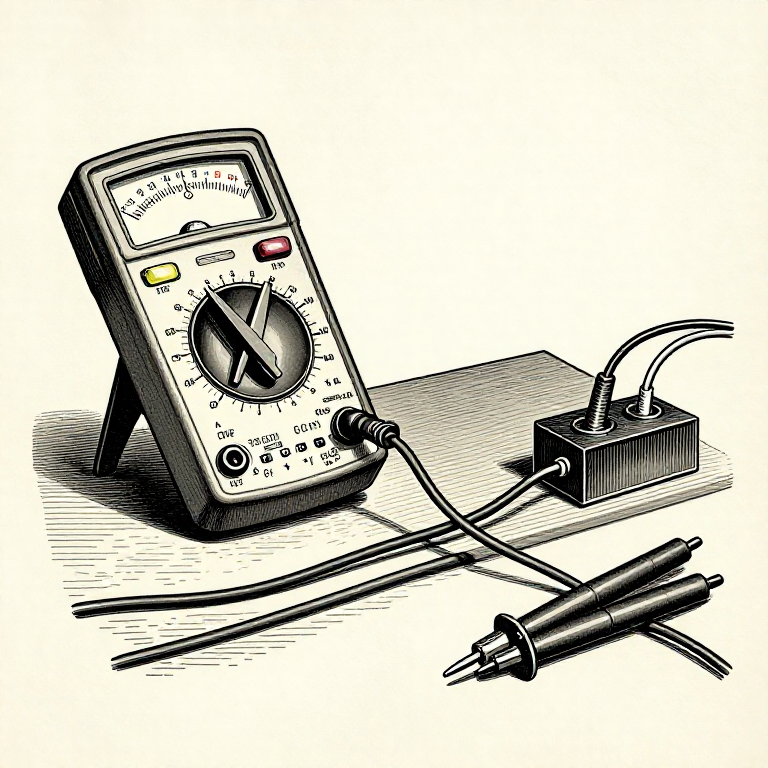

Testing What You Wired: Continuity, Polarity, Then Power
Every wiring job should be tested before it is powered, in a fixed order: continuity first, then isolation, then polarity, and only then power.
The order matters because each test is cheap and the mistakes it catches get more expensive as you go. A shorted supply found with a meter costs nothing; the same short found by switching on costs a board.
This is the mirror of the published fault-finding rung. That one is for when something has gone wrong; this one is the ten minutes that means it does not.
Olùbẹ̀rẹ̀
2 hours
Ìlànà
1
1
Continuity: does each wire go where you think?
Continuity: does each wire go where you think?
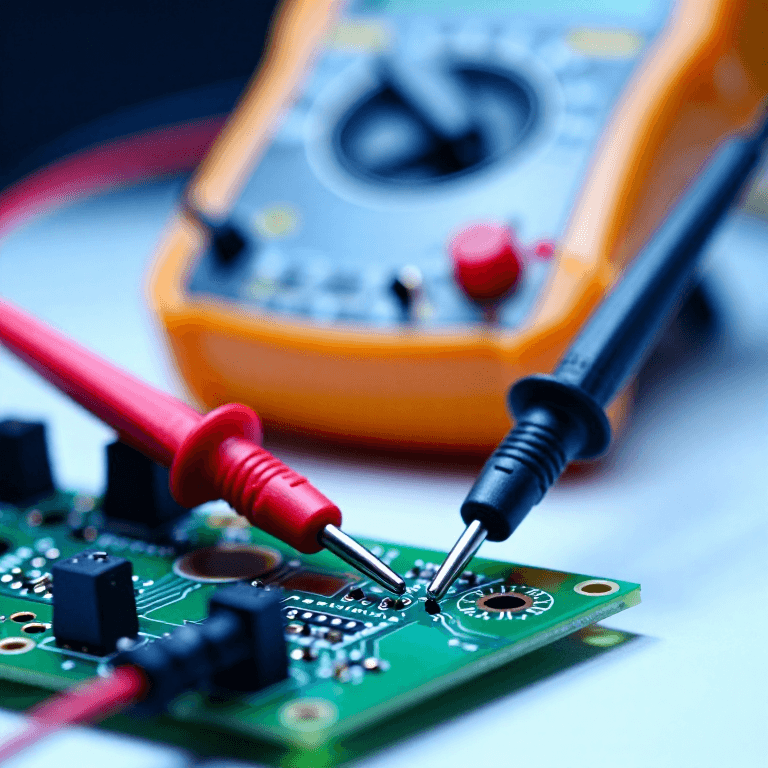
Set the meter to continuity and check every connection end to end. It should beep from the pin at one end to the pin at the other, and the reading should be a fraction of an ohm.
A reading of a few ohms on a short wire means a bad joint — a poor crimp, a cold solder joint, or a screw terminal that is not actually gripping. It will work today and warm up later, so chase it now.
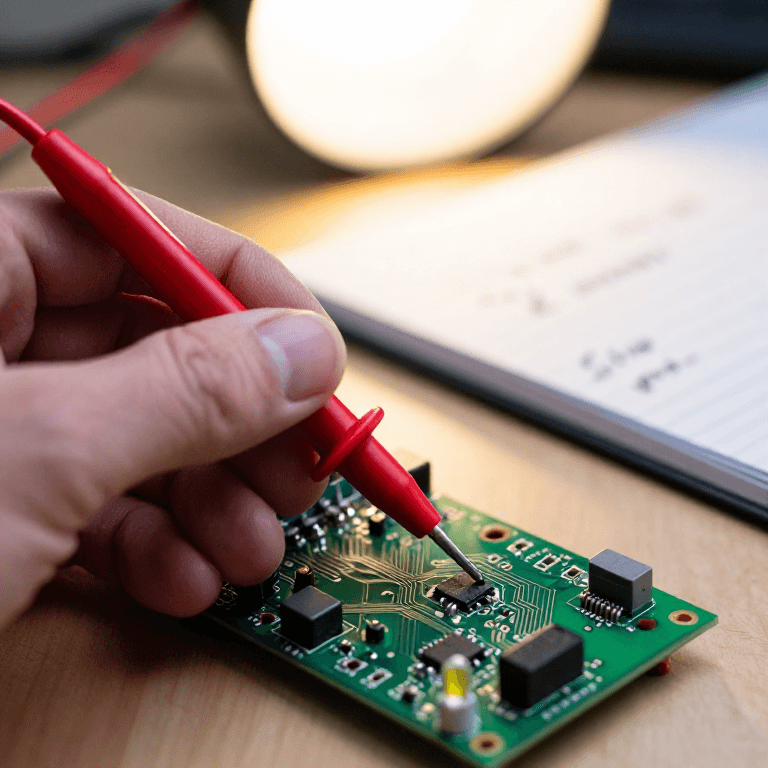
Wiggle each joint while the probes are on it. An intermittent connection will break the beep, and finding that on the bench is a completely different proposition from finding it in a finished assembly.
Àwọn irinṣẹ́ tí a nílò:
 Òǹwọ̀n iná mànàmáná onírúurú
 Lúpù Ìgbéga
2
2
Isolation: does anything go where it should NOT?
Isolation: does anything go where it should NOT?
Now check between things that must not be connected: supply to ground, each signal to its neighbours, and everything to the metal chassis.
This is the test that catches a whisker of stray copper bridging two terminals, a screw pinching a wire against the case, or a conductor pushed too far into a terminal block so it touches the one beside it. None of those is visible.
Do it before every first power-up. It takes two minutes and it is the difference between a mistake you correct and a mistake that releases the smoke — the exact situation the fault-finding rung then has to deal with.
Àwọn irinṣẹ́ tí a nílò:
Òǹwọ̀n iná mànàmáná onírúurúLúpù Ìgbéga3
3
Polarity, and a current-limited first power-up
Polarity, and a current-limited first power-up
Check polarity at the load end, not at the supply. Everyone gets the supply right and it is the swap somewhere in the middle that does the damage.
For the first power-up, use a bench supply with the current limit turned down to just above what the circuit should draw. If something is wrong, the supply limits instead of the wiring burning — and the current limit light coming on tells you immediately.
With no bench supply, a fuse of the right size does a cruder version of the same job, and an inline ammeter tells you whether the current drawn is what you predicted. A circuit drawing far less than expected is as informative as one drawing far more.
Àwọn ohun èlò fún ìgbésẹ̀ yìí:
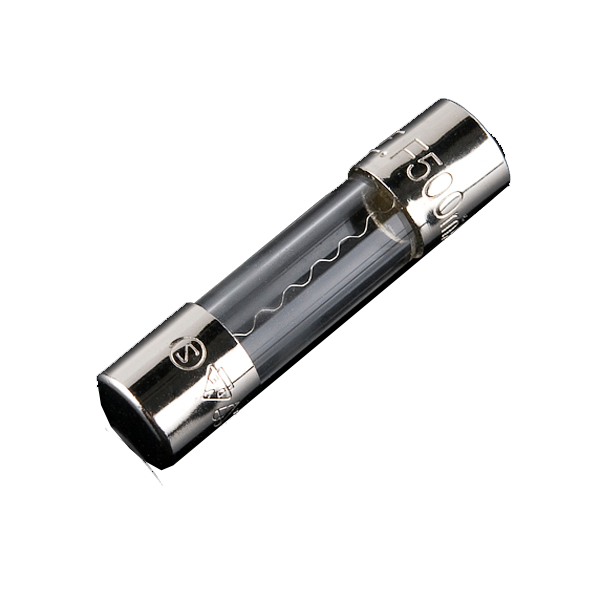 Fuse 5mm 250V 500mA1 ẹyọ
Àwọn irinṣẹ́ tí a nílò:
Òǹwọ̀n iná mànàmáná onírúurú Ibùgbé fuse DC
 Gílásì Ààbò Tí Ó Mọ́
4
4
Then feel it, and check it again after an hour
Then feel it, and check it again after an hour
With power on and everything working, touch each connection. Anything noticeably warm is a joint with resistance it should not have, and it is only going to get worse.
Warmth at a crimp means a poor crimp. Warmth at a screw terminal means it needs tightening — or that stranded wire went in without a ferrule and has crept. Warmth along a wire means the wire is undersized for the current, which the wire rung sizes properly.
Check again after an hour of running. Some faults only appear once everything has reached temperature, and an hour on the bench is much cheaper than discovering it in service.
Àwọn irinṣẹ́ tí a nílò:
Òǹwọ̀n iná mànàmáná onírúurúLúpù ÌgbégaÀwọn ohun-èlò
1- Fuse 5mm 250V 500mAìdá 10%1 ẹyọ$1.18
Àwọn irinṣẹ́ tó nílò
4- Àyè
Àpapọ̀ Ìfojúsùn
Ohun tí ẹni tó ṣe é rà. Àwọn ohun èlò tí kò ní iye owó ni o máa rà níbi tí o bá ti rà á.
Blueprint tó jọra
Àwọn blueprint wọ̀nyí pín ìmọ̀ — ọ̀nà, ohun-èlò tàbí ìlànà

CC0 Àgbègbè Gbogbogbò
Blueprint yìí ti jáde lábẹ́ CC0. O lè ṣe àdàkọ, yí padà, pín, àti lò láìsí ìyọ̀ǹda.
Ṣàtìlẹ́yìn Olùṣẹ́dá nípa rírà àwọn ọjà nipasẹ̀ Blueprint wọn Ẹ̀san Olùṣẹ́dá tí àwọn Olùtajà gbé kalẹ̀, tàbí ṣẹ̀dá àtúnṣe tuntun ti Blueprint yìí kí o sì fi sínú Blueprint rẹ gẹ́gẹ́ bí ìsopọ̀ láti pín owó-wíwọlé.