IṢẸ́ ỌNÀ
ẸWÀ ÀTI ÌLERA
IṢẸ́ ỌWỌ́
ÀṢÀ ÀTI ÌTÀN
ÌṢERÉ
ÀYÍKÁ
OÚNJẸ ÀTI OHUN MÍMU
REVERSE ENGINEERING
SÁYẸ́ǸSÌ
ERÉ ÌDÁRAYÁ
ÌMỌ̀-Ẹ̀RỌ
ÀWỌN OHUN WÍWỌ̀


The Bootjack Multi-Tool: Scissor Arms That Pull Boots, Drive Tacks and Draw Corks
A bootjack lies on the floor doing nothing between uses, while the hammer, the corkscrew and the screwdriver are somewhere else.
L. J. Wicks of Racine, Wisconsin, received US 22,923, dated 8 February 1859, for a bootjack of three arms: arms A and B pivoted together "in such a manner as to allow them to play freely like a pair of scissors", and arm C pivoted to B and hinged so it turns down to support them. Opened, it is a bootjack; turned another way, "the scraper G, may be used for taking the sealing wax from bottles", "the cork screw F, may be used for removing corks from bottles, and the screw driver H, is in position to be used for removing screws, the hammer forming a handle"; folded, it is a hammer for tacks and nails.
This rung works out where a heel lodges in the V, then makes the three arms in hardwood with a riveted hammer and claws, a screwdriver point, a wound corkscrew and a scraper, and pulls off a boot with it.
Àárín
About 5 hours
Ìlànà
1
1
The heel in the V
The heel in the V
Ń ṣí ìwé Jupyter…
2
2
A folding bootjack before it
A folding bootjack before it
The embedded blueprint folds a bootjack into a door stop. Two weeks later Wicks made the arms into a hammer, corkscrew, screwdriver and scraper.
3
3
Read US 22,923
Read US 22,923
"The arm A is provided at its heel with a hammer which consists of the head D, and claws E, the front end of this arm being so constructed as to form a screw driver. Arm B, is provided at its rear with a cork screw F, its forward end being turned up as shown in the drawings forms a shield and protection for the point of the screw driver."
"When in the form shown in Fig. 3 the implement may be used as a hammer for driving tacks or nails, and for drawing them as circumstances may require."
4
4
Make the arms and use every tool
Make the arms and use every tool
**Arms.** Cut three arms from hardwood: A and B 35 cm long, C 20 cm. Drill A and B near one end for a bolt as the pivot d, so they open like scissors, and fit a stop pin a on A that B's rear strikes when open. Hinge C to B at the pivot with a small butt hinge so its free end turns down as a leg.
**Hammer and claws.** At A's heel, rivet a short block of mild steel square bar across the arm as the head D, and rivet a piece of flat bar beside it with a split, filed V as the claws E.
**Screwdriver and shield.** Set a strip of flat bar into A's front end and file it to a screwdriver point H. Bend up B's front end, a strip of sheet screwed on, as the shield.
**Corkscrew and scraper.** Wind 2 mm steel wire into an open helix, file its point, and set its straight end in a hole in B's rear. Screw a small flat-bar scraper G on C's end.
**Test.** Open the arms, stand on C's end and pull a boot off by its heel in the V. Then drive and draw a tack, draw a cork, and take out a screw.
Àwọn ohun èlò fún ìgbésẹ̀ yìí:
 Pátákó Igi Líle1 ẹyọ
 Àkójọ bọ́ọ̀lù onígun mẹ́fà1 ẹyọ
 Nọ́ọ̀tì Onígun Mẹ́fà1 ẹyọ
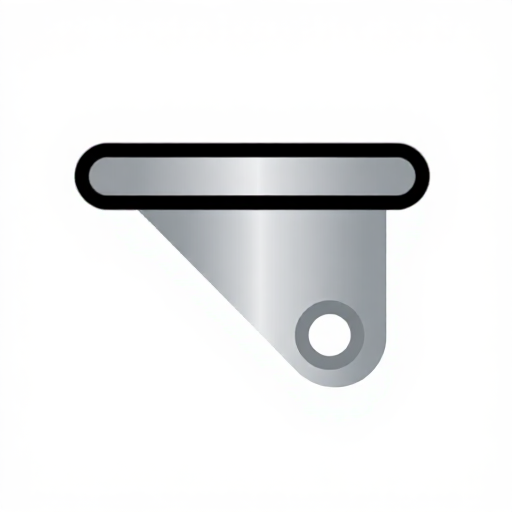 Ìdìmú ẹnu-ọ̀nà1 ẹyọ
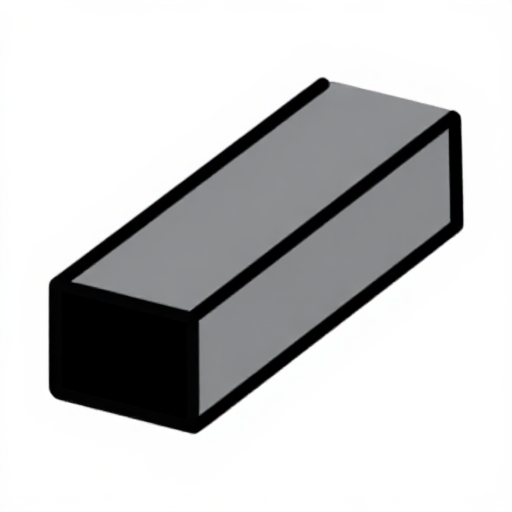 Ọ̀pá onígun mẹ́rin irin rírọ̀0.05 mítà
 Ọ̀pá Pẹrẹsẹ Irin Pẹ́lẹ́0.3 mítà
 Àwo irin1 ẹyọ
 Àwọn pop rivet6 ẹyọ
 Ìṣó igi6 ẹyọ
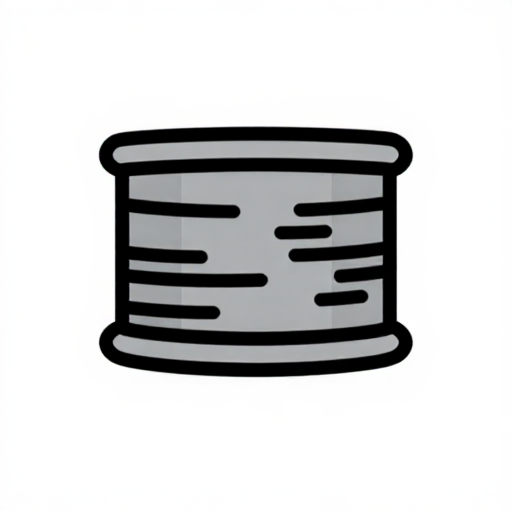 Okun waya irin0.4 mítà
 Ìṣó1 ẹyọ
 Àwọn kọ́ọ̀kì1 ẹyọ
 Ìgò dígí (tí ó mọ́)1 ẹyọ
Àwọn irinṣẹ́ tí a nílò:
 Ayùn Ọwọ́
 Ẹ̀rọ Ìlùkòkò Aláìlókùn
 Àkójọ Orí Ìlùkòkò
 Ayùn Irin
 Àwọn Ìfá (Ìfá Ọwọ́)
 Ìdìmú Tábìlì
 Ìdìpọ̀ ẹ̀rọ ìso pop rivet
 Ẹ̀mú Olórí Yíká
 Ìṣù àwọn ohun ìyí skurú
 Bébà Ìfá
 Ìbọ̀wọ́ Iṣẹ́ Awọ
 Gílásì Ààbò Tí Ó Mọ́
5
5
A tool that wobbles, slips or will not hold the heel
A tool that wobbles, slips or will not hold the heel
Bootjack multi-tool troubleshooting.
Flow
Loading...
6
6
History and honest limits
History and honest limits
**L. J. Wicks** of Racine, Wisconsin, assignor to himself and Thomas Burbeck, received US 22,923, dated 8 February 1859; he signed Loren J. Wicks. Arm C was made of two parts joined by a hinge x, so its front end turns down to support the arms, and it need not be pivoted separately. His claim is the bootjack as an article of manufacture with tools formed on the rear or front of its arms, the arms opening and shutting together.
**Honest limits.** Hardwood arms with riveted steel parts stand in for his made-up arms. The notebook treats the heel as a simple width; its heels and angles are examples. Your boot and tools are the result.
Àwọn ohun-èlò
13- 1 ẹyọÀyè
- Àyè
- 1 ẹyọÀyè
- 1 ẹyọÀyè
- 0.05 mítàÀyè
- 0.3 mítàÀyè
- 1 ẹyọÀyè
- 6 ẹyọÀyè
- 6 ẹyọÀyè
- 0.4 mítàÀyè
- 1 ẹyọÀyè
- 1 ẹyọÀyè
- 1 ẹyọÀyè
Àwọn irinṣẹ́ tó nílò
12- Àyè
- 1 vendor sell this, none ship to you yetÀyè
- Àyè
- Àyè
- Àyè
Ìtọ́nisọ́nà yìí ń ṣe
Blueprint tó jọra
Àwọn blueprint wọ̀nyí pín ìmọ̀ — ọ̀nà, ohun-èlò tàbí ìlànà

The Folding Door-Stop Bootjack: Pointed Prongs That Also Bar the Door
láti ọwọ́ Forge
Iṣẹ́ Irin
27
0
0
0
0
0
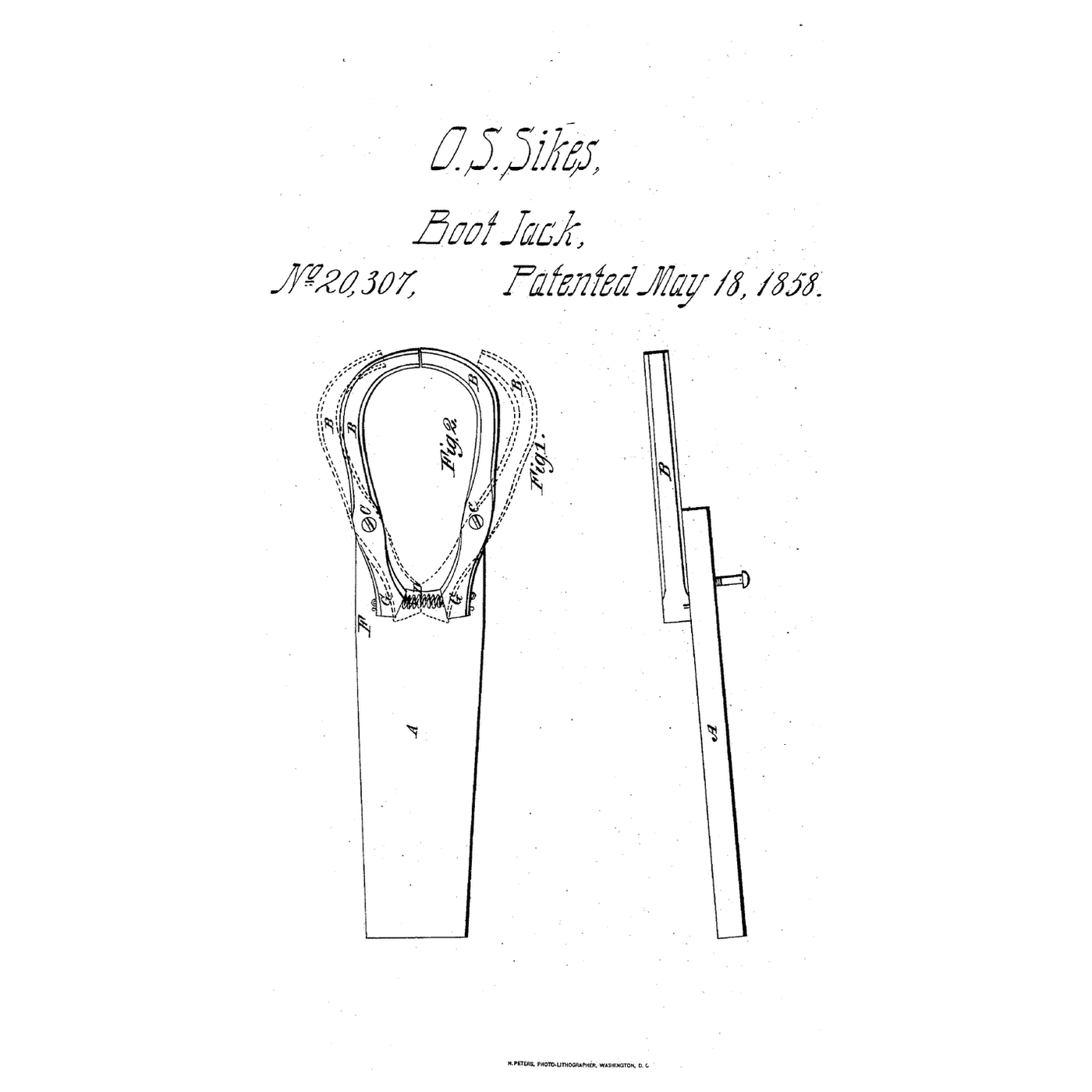
The Spring-Clamp Bootjack: The Heel Closes the Clamps on the Toe
láti ọwọ́ Forge
Iṣẹ́ Irin
16
0
0
0
0
0
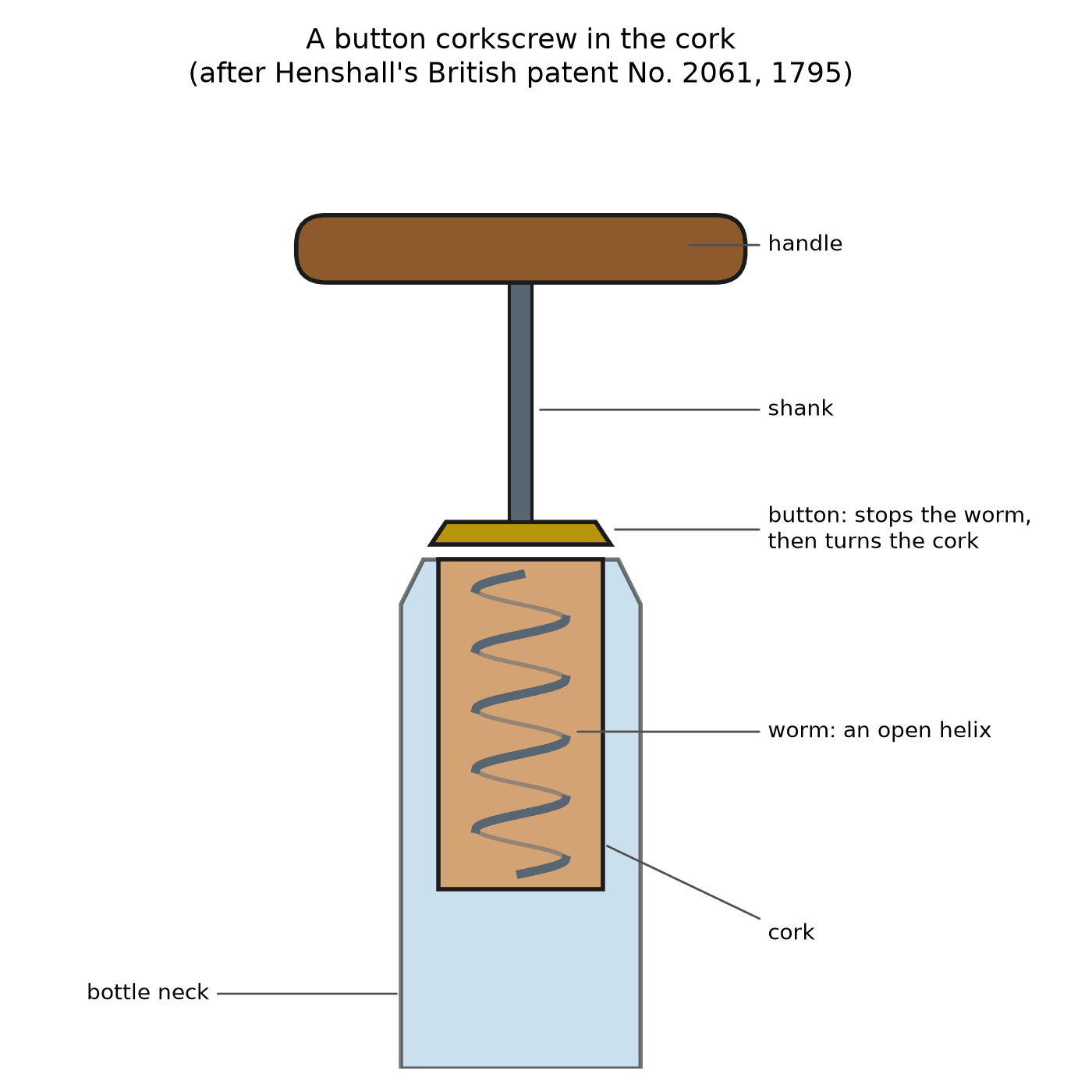
The Button Corkscrew: A Helix That Grips and a Disc That Stops It
láti ọwọ́ YourGrandma
OÚNJẸ ÀTI OHUN MÍMU
25
0
0
0
0
0
CC0 Àgbègbè Gbogbogbò
Blueprint yìí ti jáde lábẹ́ CC0. O lè ṣe àdàkọ, yí padà, pín, àti lò láìsí ìyọ̀ǹda.
Ṣàtìlẹ́yìn Olùṣẹ́dá nípa rírà àwọn ọjà nipasẹ̀ Blueprint wọn Ẹ̀san Olùṣẹ́dá tí àwọn Olùtajà gbé kalẹ̀, tàbí ṣẹ̀dá àtúnṣe tuntun ti Blueprint yìí kí o sì fi sínú Blueprint rẹ gẹ́gẹ́ bí ìsopọ̀ láti pín owó-wíwọlé.