IṢẸ́ ỌNÀ
ẸWÀ ÀTI ÌLERA
IṢẸ́ ỌWỌ́
ÀṢÀ ÀTI ÌTÀN
ÌṢERÉ
ÀYÍKÁ
OÚNJẸ ÀTI OHUN MÍMU
REVERSE ENGINEERING
SÁYẸ́ǸSÌ
ERÉ ÌDÁRAYÁ
ÌMỌ̀-Ẹ̀RỌ
ÀWỌN OHUN WÍWỌ̀
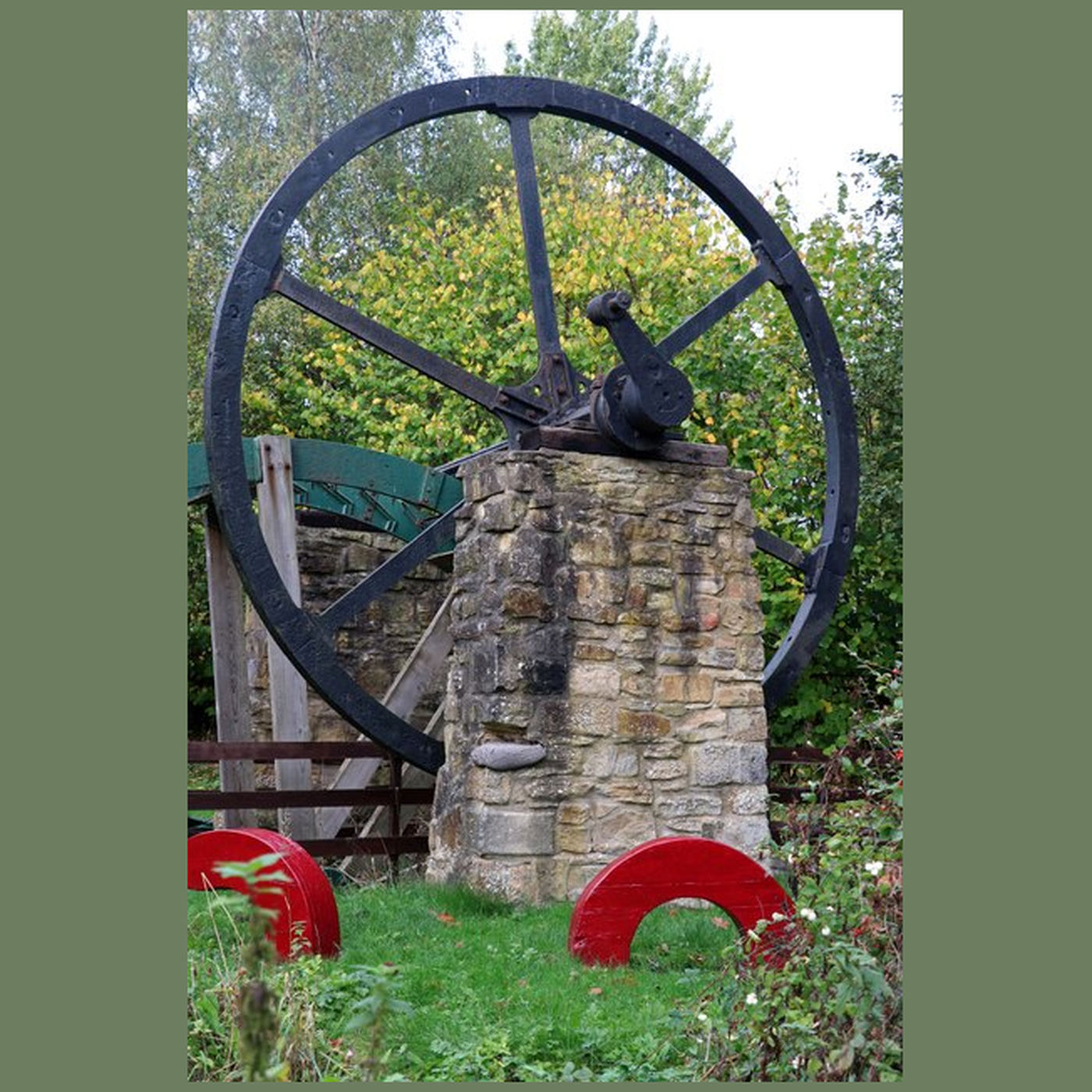

The Crank and the Flywheel: Smoothing One Bang in Two Turns
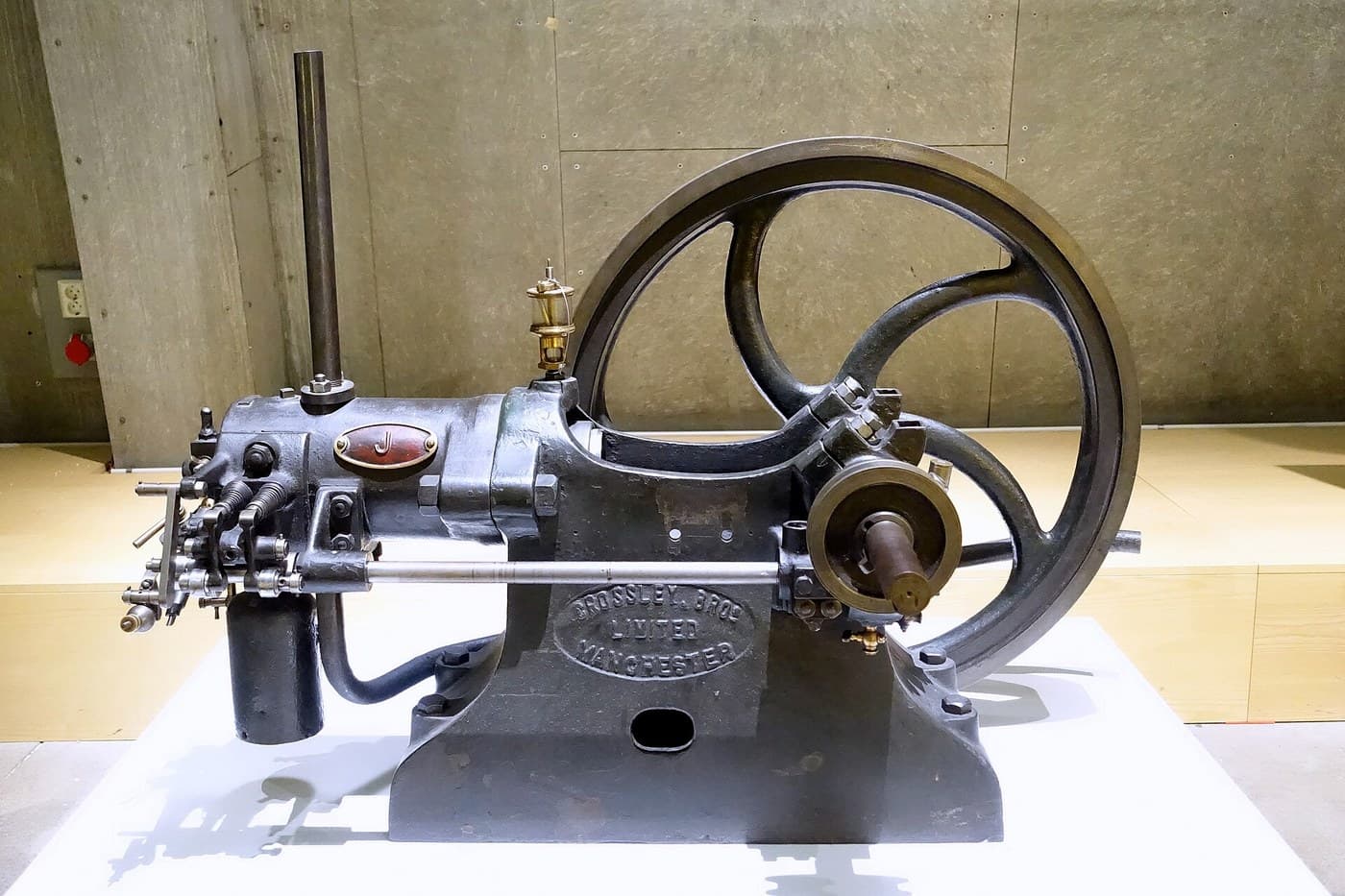
A four-stroke single-cylinder engine pushes on its crank for half a turn in every two. The rest of the time the crank must be carried round — through exhaust, intake and compression — by energy stored in a flywheel. How heavy that flywheel must be depends on how uneven the torque is and how steady the speed must stay.
This practice rung generates the torque curve of an idealised engine from the slider-crank geometry and an Otto-cycle pressure trace, sizes a flywheel from it, and builds a slider-crank model to check the piston motion by hand.
Àárín
About 3 hours
Ìlànà
1
1
Torque round a cycle, and the flywheel it needs
Torque round a cycle, and the flywheel it needs
Ń ṣí ìwé Jupyter…
2
2
Build a slider-crank and check it by hand
Build a slider-crank and check it by hand
Cut a plywood base. Pivot a plywood crank disc on a bolt, with a crank pin 40 mm off centre. Cut a connecting rod 140 mm between hole centres, and a slider that runs in a slot or between two strips — the 'piston'. Glue a protractor under the crank disc.
Turn the crank in 30° steps and measure the piston's distance from the crank centre with the steel rule. Compare with the notebook's formula. Notice that the piston moves further during the half-turn near top dead centre than near bottom — the connecting rod's angle causes it, and it is why the torque trace is lopsided.
Àwọn ohun èlò fún ìgbésẹ̀ yìí:
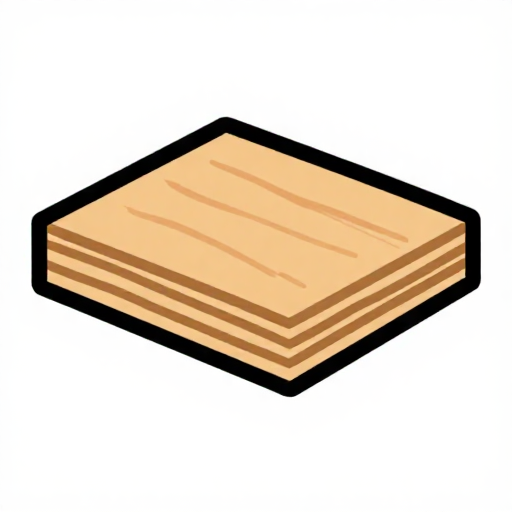 Àwo igi tí a lẹ̀ pọ̀1 ewé
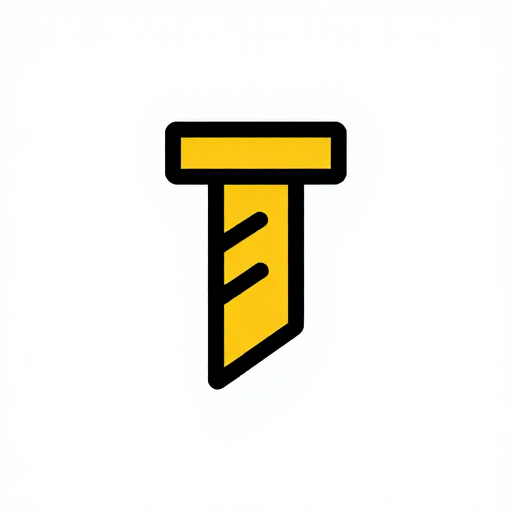 Skurú ẹ̀rọ6 ẹyọ
 Àwọn dowel igi líle1 ìtò
Àwọn irinṣẹ́ tí a nílò:
 Ẹ̀rọ Ìlùkòkò Aláìlókùn
 Àkójọ Orí Ìlùkòkò
 Ẹ̀rọ Ìwọ̀n Igun
 Ìdíwọ̀n
 Òṣùwọ̀n Kálípà Díjítà Ìnṣì 6
3
3
Context
Context
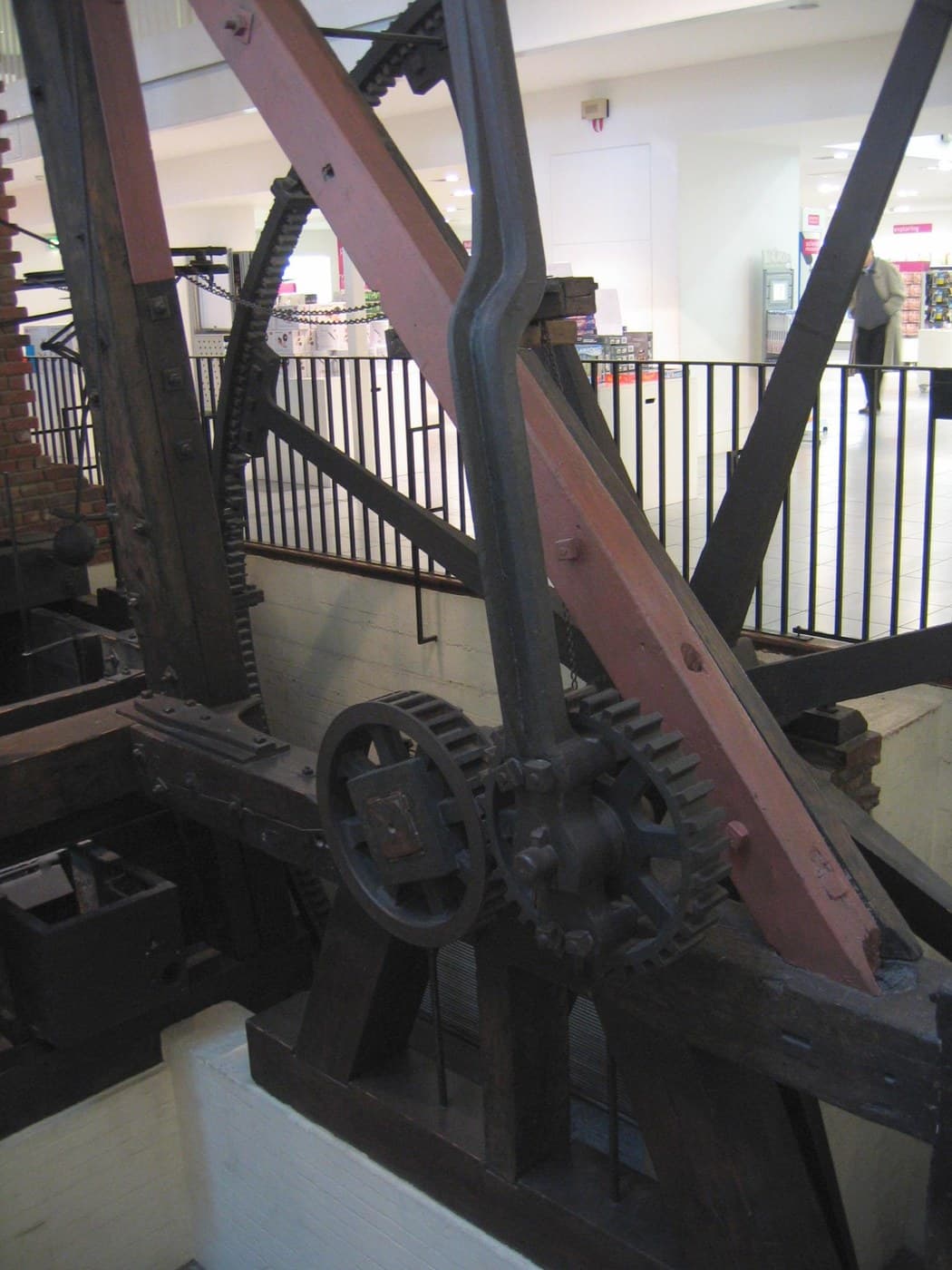
A practice rung: the slider-crank goes back to the rotative steam engine in this catalogue, and the flywheel to the potter's wheel and the spindle whorl. The torque trace is generated from an ideal cycle; a real engine's is less peaky because combustion takes time.
**Honest limits of the model.** No friction, no inertia of the piston itself (which matters at high speed), heat added instantly at top dead centre, and a single cylinder. Multi-cylinder engines are smoothed by overlapping power strokes; balance shafts deal with the shaking the piston's own motion causes.
Àwọn ohun-èlò
3- 1 ewéÀyè
- 6 ẹyọÀyè
- 1 ìtòÀyè
Àwọn irinṣẹ́ tó nílò
5- 1 vendor sell this, none ship to you yetÀyè
- Àyè
Blueprint tó jọra
Àwọn blueprint wọ̀nyí pín ìmọ̀ — ọ̀nà, ohun-èlò tàbí ìlànà
CC0 Àgbègbè Gbogbogbò
Blueprint yìí ti jáde lábẹ́ CC0. O lè ṣe àdàkọ, yí padà, pín, àti lò láìsí ìyọ̀ǹda.
Ṣàtìlẹ́yìn Olùṣẹ́dá nípa rírà àwọn ọjà nipasẹ̀ Blueprint wọn Ẹ̀san Olùṣẹ́dá tí àwọn Olùtajà gbé kalẹ̀, tàbí ṣẹ̀dá àtúnṣe tuntun ti Blueprint yìí kí o sì fi sínú Blueprint rẹ gẹ́gẹ́ bí ìsopọ̀ láti pín owó-wíwọlé.