IṢẸ́ ỌNÀ
ẸWÀ ÀTI ÌLERA
IṢẸ́ ỌWỌ́
ÀṢÀ ÀTI ÌTÀN
ÌṢERÉ
ÀYÍKÁ
OÚNJẸ ÀTI OHUN MÍMU
REVERSE ENGINEERING
SÁYẸ́ǸSÌ
ERÉ ÌDÁRAYÁ
ÌMỌ̀-Ẹ̀RỌ
ÀWỌN OHUN WÍWỌ̀



The Detachable-Handle Ladle: A Double Dovetail
A handle that comes off makes a ladle easier to store and clean. But it must not come off in the pot, full of hot soup.
Henry Fisher of Canton, Ohio, received US 175,599, dated 4 April 1876 (filed 3 March 1876), for a ladle whose handle has a wedge-shaped shank that drops into a slot in an ear on the bowl and slides into a dovetailed socket. There, "the shank b will be firmly held by the double dovetail, so that the ladle can be turned into any position which will be ordinarily required without becoming accidentally detached".
This rung works out the twist a full ladle puts on the joint, and why a rest under the stem eases it. You then make a handle that slides into a dovetailed ear and test it with water.
Àárín
About 3 hours
Ìlànà
1
1
The moment on the joint
The moment on the joint
Ń ṣí ìwé Jupyter…
2
2
A tapered joint that pulls one way only
A tapered joint that pulls one way only
The embedded blueprint shows why a dovetail holds against a pull in one direction. Fisher's shank is tapered both across and down.
3
3
Read US 175,599
Read US 175,599
"The invention relates to a novel construction of the ear or loop at the side of the ladle, and of that portion of the handle which engages with this ear or loop, whereby the handle is easily detached, and is more firmly secured in proper position for readily manipulating the ladle in any required manner".
"In removing the handle from the ladle the outer end of said handle is lifted upward, the inner end and shank b being at the same time depressed, until the shank can be removed from the dovetailed recess a2 into the larger outer slot a1, when the shank can be lifted up through said slot a1."
Fisher preferred a closed loop "in order that the rib a3 (see Figs. 1 and 2) may be used as a partial fulcrum or rest for the stem B, thus materially relieving the strain upon the angle at b'".
4
4
Make a dovetailed ear and a wedge shank
Make a dovetailed ear and a wedge shank
Use a small pot or tin as the bowl. Bend an ear from aluminium sheet and rivet it to the side. Cut a slot in it: wide at the outer end, then narrowing into a tapered socket towards the bowl.
Make the handle from a dowel with a flat aluminium tongue riveted to its end and bent down as the shank. File the shank to a wedge, so it passes the wide part of the slot and wedges tight in the socket.
Fit the handle, fill the bowl with water, and tip it every way you would when serving. It should stay on. Then lift the handle's outer end to free it. Weigh the full bowl and measure the distance from the joint, and compare with the notebook.
Àwọn ohun èlò fún ìgbésẹ̀ yìí:
 Àwo aluminiọ̀mù1 ẹyọ
 Àwọn pop rivet6 ẹyọ
 Èèkàn igi1 ẹyọ
 Ìkòkò1 ẹyọ
 Omi1 l
Àwọn irinṣẹ́ tí a nílò:
 Ṣíbí ńlá
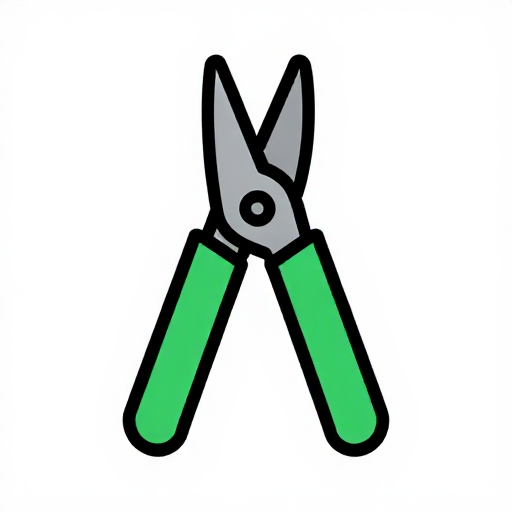 Ìlàǹkàn irin
 Ìfá Irin
 Ẹ̀rọ Ìlùkòkò Aláìlókùn
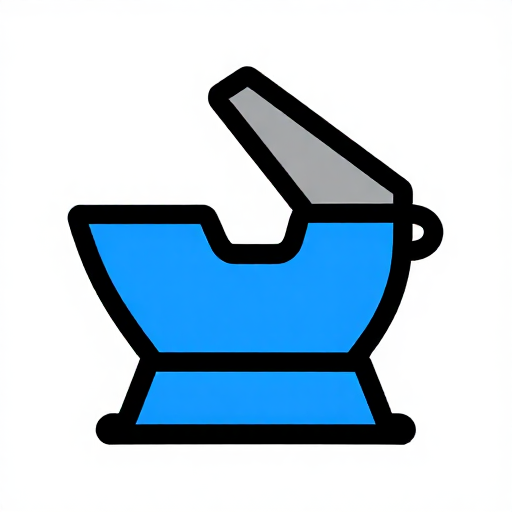 Ìdìmú Tábìlì
 Òṣùwọ̀n Díjítà Ilé Ìdáná
 Ìdíwọ̀n
5
5
A handle that drops out, sticks or bends
A handle that drops out, sticks or bends
Detachable ladle troubleshooting.
Flow
Loading...
6
6
History and honest limits
History and honest limits
**Henry Fisher** of Canton, Stark County, Ohio, filed US 175,599 on 3 March 1876; it is dated 4 April 1876.
**Honest limits.** The notebook takes the load as a single weight at one distance and the joint as two contact points. The real contact is spread over the socket faces. The loads, distances and heights are examples. Your weighing and measuring are the measurement.
Àwọn ohun-èlò
5- 1 ẹyọÀyè
- 6 ẹyọÀyè
- 1 ẹyọÀyè
- 1 ẹyọÀyè
- 1 lÀyè
Blueprint tó jọra
Àwọn blueprint wọ̀nyí pín ìmọ̀ — ọ̀nà, ohun-èlò tàbí ìlànà


CC0 Àgbègbè Gbogbogbò
Blueprint yìí ti jáde lábẹ́ CC0. O lè ṣe àdàkọ, yí padà, pín, àti lò láìsí ìyọ̀ǹda.
Ṣàtìlẹ́yìn Olùṣẹ́dá nípa rírà àwọn ọjà nipasẹ̀ Blueprint wọn Ẹ̀san Olùṣẹ́dá tí àwọn Olùtajà gbé kalẹ̀, tàbí ṣẹ̀dá àtúnṣe tuntun ti Blueprint yìí kí o sì fi sínú Blueprint rẹ gẹ́gẹ́ bí ìsopọ̀ láti pín owó-wíwọlé.