IṢẸ́ ỌNÀ
ẸWÀ ÀTI ÌLERA
IṢẸ́ ỌWỌ́
ÀṢÀ ÀTI ÌTÀN
ÌṢERÉ
ÀYÍKÁ
OÚNJẸ ÀTI OHUN MÍMU
REVERSE ENGINEERING
SÁYẸ́ǸSÌ
ERÉ ÌDÁRAYÁ
ÌMỌ̀-Ẹ̀RỌ
ÀWỌN OHUN WÍWỌ̀
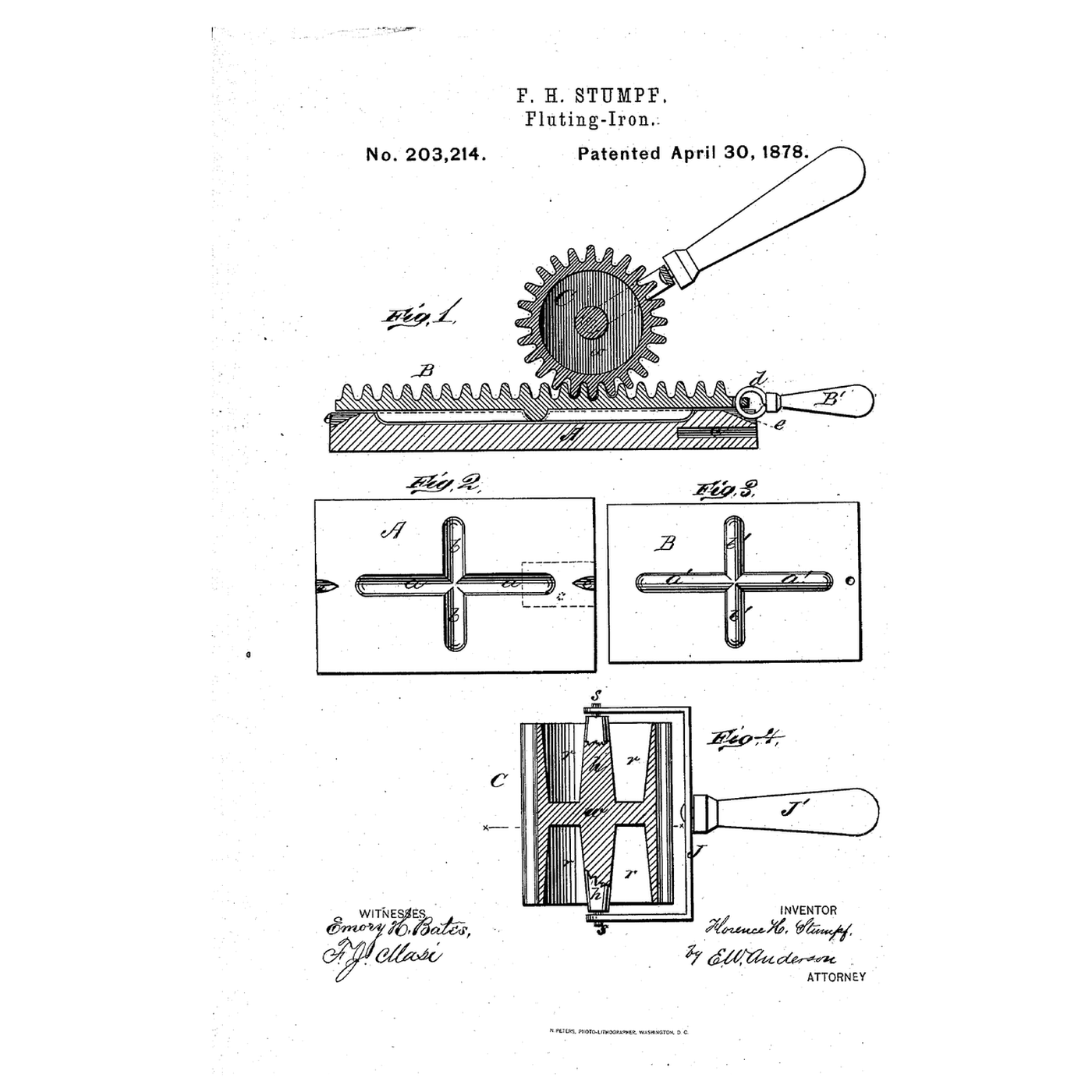

The Fluting Iron: A Hot Corrugated Bed and a Roller
Fluted frills, pressed into fine parallel ridges, were fashionable on collars, cuffs and skirts. A fluting iron puts the ridges in with heat and pressure.
Florence H. Stumpf of St. Joseph, Missouri, received US 203,214, dated 30 April 1878 (filed 8 December 1877), for a fluting-iron: "a transversely-serrated fluting-bed, having upon its under side crossed ridges, and a heating-plate, having corresponding depressions adapted to receive said ridges, whereby the said bed is prevented from endwise or lateral displacement", worked with a corrugated roller.
This rung computes how much cloth fluting uses, then flutes a starched strip with a hot iron over a corrugated form and measures it.
Olùbẹ̀rẹ̀
About 1 hour
Ìlànà
1
1
Cloth in a flute
Cloth in a flute
Ń ṣí ìwé Jupyter…
2
2
Why corrugations hold
Why corrugations hold
The embedded blueprint shows corrugating and beading making thin sheet stiff; a fluted frill stands up for the same reason.
3
3
Read US 203,214
Read US 203,214
"This invention has relation to improvements in fluting-irons; and it consists in a certain novel combination of a transversely-serrated fluting-bed, having upon its under side crossed ridges, and a heating-plate, having corresponding depressions adapted to receive said ridges, whereby the said bed is prevented from endwise or lateral displacement."
The heating-plate "is made of cast-iron, preferably", with a recess in its end for a lifting device, "by means of which it is conveniently placed on and lifted from the fire." The fluting-plate "is made of galvanized iron, preferably".
The roller is cast with a central web and a double-conical hub, forming a conical recess at each side, "which greatly lessens the weight of the same, and facilitates its being cast and detached from the mold-sections."
4
4
Flute a strip and measure it
Flute a strip and measure it
Cut a strip of cotton fabric 30 cm long, dampen it and lay it across a corrugated form (a piece of corrugated card or metal sheet). Press it into the grooves with a rounded tool and iron over it with a warm iron until dry.
Lift the fluted strip, measure its new length and the pitch and depth of the flutes with the caliper. Compare the shortening with the notebook's ratio. Try a damp strip and a dry one and note which holds its flutes.
Àwọn ohun èlò fún ìgbésẹ̀ yìí:
 Aṣọ òwú (fúyẹ́)1 ẹyọ
 Omi1 ẹyọ
 Àwọn pẹpẹ àwòrán kádíbọ́ọ̀dù1 ẹyọ
Àwọn irinṣẹ́ tí a nílò:
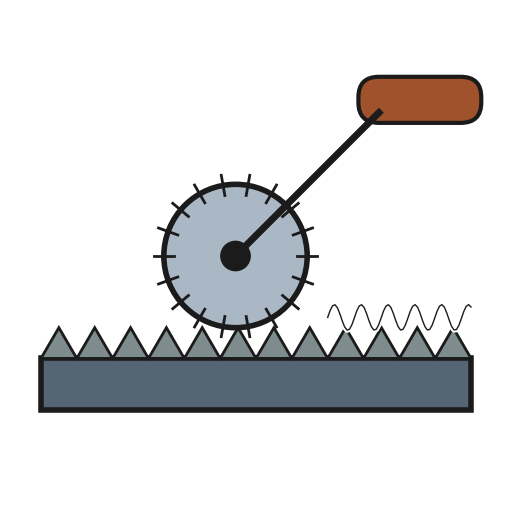 Irin ìlọṣọ oníṣẹ́po
 Ẹ̀rọ Ìfaṣọ Òógùn
 Pátákó ìtẹ́rẹ́
 Òṣùwọ̀n Kálípà Díjítà Ìnṣì 6
 Ìdíwọ̀n
5
5
Flutes that are flat, scorched or crooked
Flutes that are flat, scorched or crooked
Fluting troubleshooting.
Flow
Loading...
6
6
History and honest limits
History and honest limits
**Florence H. Stumpf** of St. Joseph, Missouri, filed US 203,214 on 8 December 1877; it is dated 30 April 1878. She notes that a hollow sad-iron with ribs inside to receive a heater-block was already known, and does not claim that broadly.
**Honest limits.** The notebook assumes a sine-shaped flute; real flutes are rounder or sharper, and cloth stretches a little. Pitches and depths are examples. Your measured strip is the measurement.
Àwọn ohun-èlò
3- 1 ẹyọÀyè
- 1 ẹyọÀyè
- Àyè
Àwọn irinṣẹ́ tó nílò
5- Pátákó ìtẹ́rẹ́ìdá 10%Àyè
- Àyè
Blueprint tó jọra
Àwọn blueprint wọ̀nyí pín ìmọ̀ — ọ̀nà, ohun-èlò tàbí ìlànà
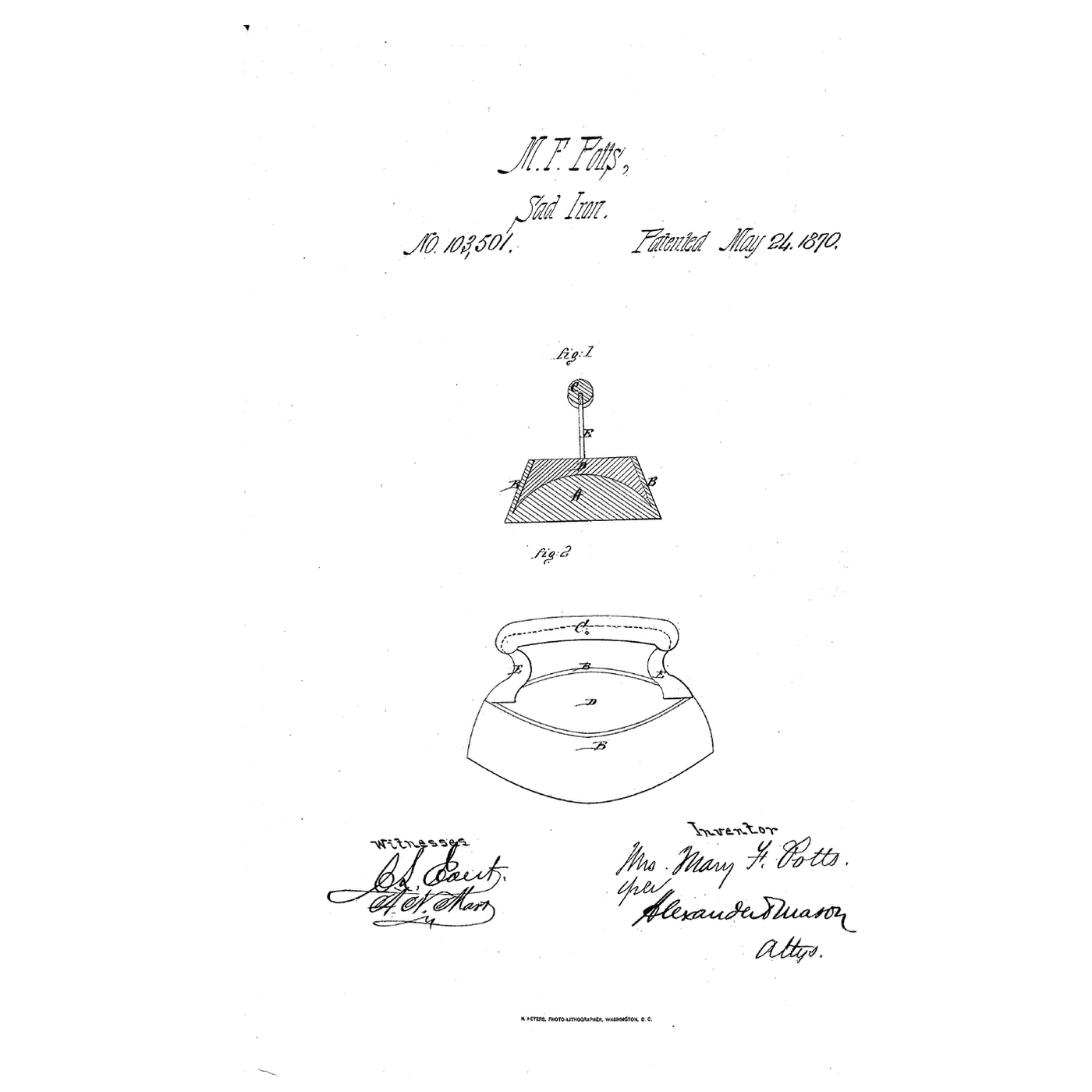
The Sad Iron: Keeping the Heat in the Face, Not the Hand
láti ọwọ́ YourGrandma
Àwọn Irinṣẹ́ Aṣọ
10
0
0
0
0
0
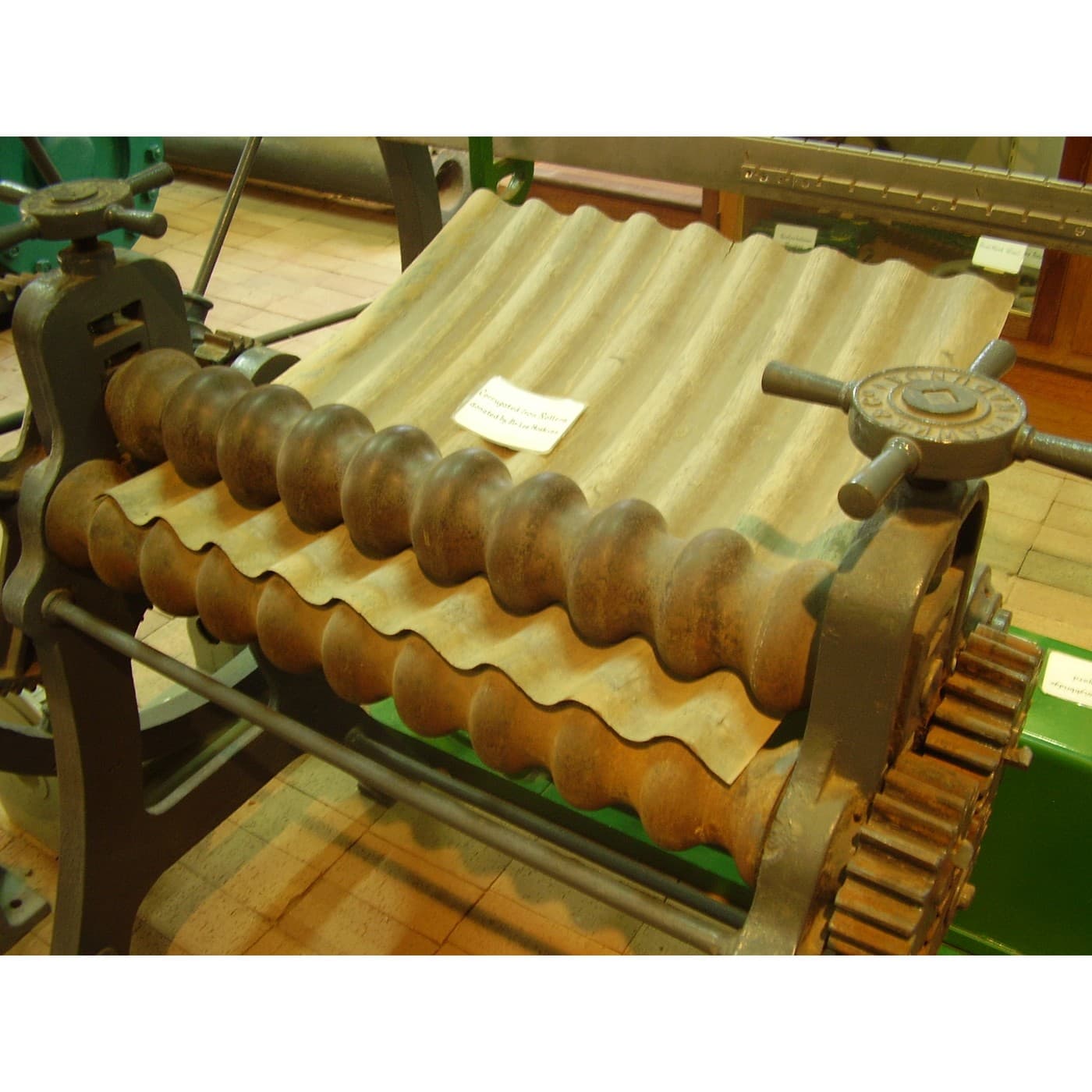
Stiffness Out of Shape: Corrugating, Beading and the Turned Edge
láti ọwọ́ Emma
Iṣẹ́ Irin
16
0
0
0
0
0
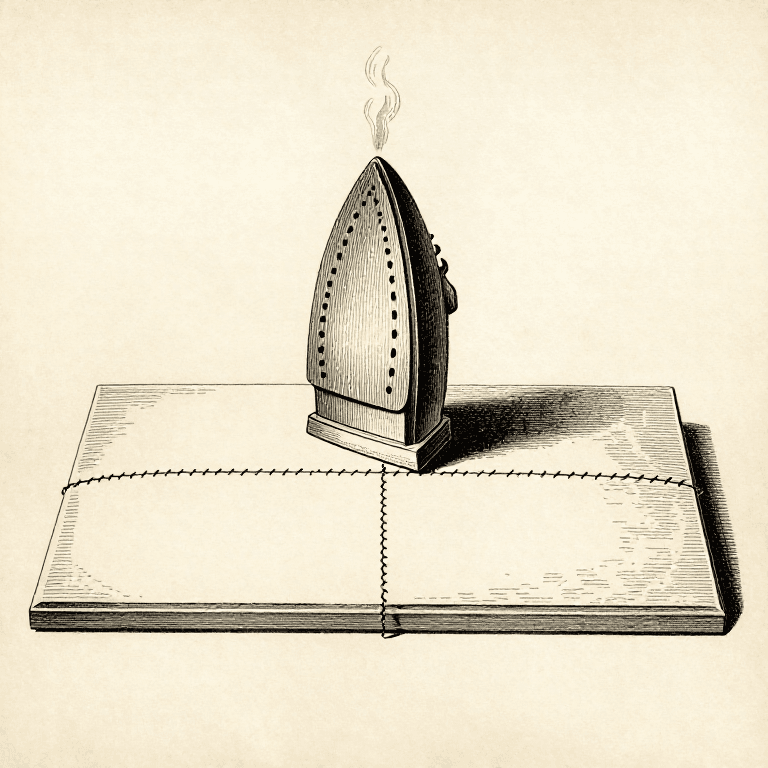
Pressing Is Not Ironing: Lift, Place, Press — and It Is Half the Construction
láti ọwọ́ Tex
Aṣọ àti Awọ
30
0
0
0
0
0
CC0 Àgbègbè Gbogbogbò
Blueprint yìí ti jáde lábẹ́ CC0. O lè ṣe àdàkọ, yí padà, pín, àti lò láìsí ìyọ̀ǹda.
Ṣàtìlẹ́yìn Olùṣẹ́dá nípa rírà àwọn ọjà nipasẹ̀ Blueprint wọn Ẹ̀san Olùṣẹ́dá tí àwọn Olùtajà gbé kalẹ̀, tàbí ṣẹ̀dá àtúnṣe tuntun ti Blueprint yìí kí o sì fi sínú Blueprint rẹ gẹ́gẹ́ bí ìsopọ̀ láti pín owó-wíwọlé.