IṢẸ́ ỌNÀ
ẸWÀ ÀTI ÌLERA
IṢẸ́ ỌWỌ́
ÀṢÀ ÀTI ÌTÀN
ÌṢERÉ
ÀYÍKÁ
OÚNJẸ ÀTI OHUN MÍMU
REVERSE ENGINEERING
SÁYẸ́ǸSÌ
ERÉ ÌDÁRAYÁ
ÌMỌ̀-Ẹ̀RỌ
ÀWỌN OHUN WÍWỌ̀


The Flying Disc: A Wing Held Steady by Its Spin
Throw a plate and it tumbles; throw a flying disc with a snap of the wrist and it glides for tens of metres. It is two things at once: a wing, whose domed top and curved rim make lift, and a gyroscope, whose spin stops the air's pitching push from flipping it.
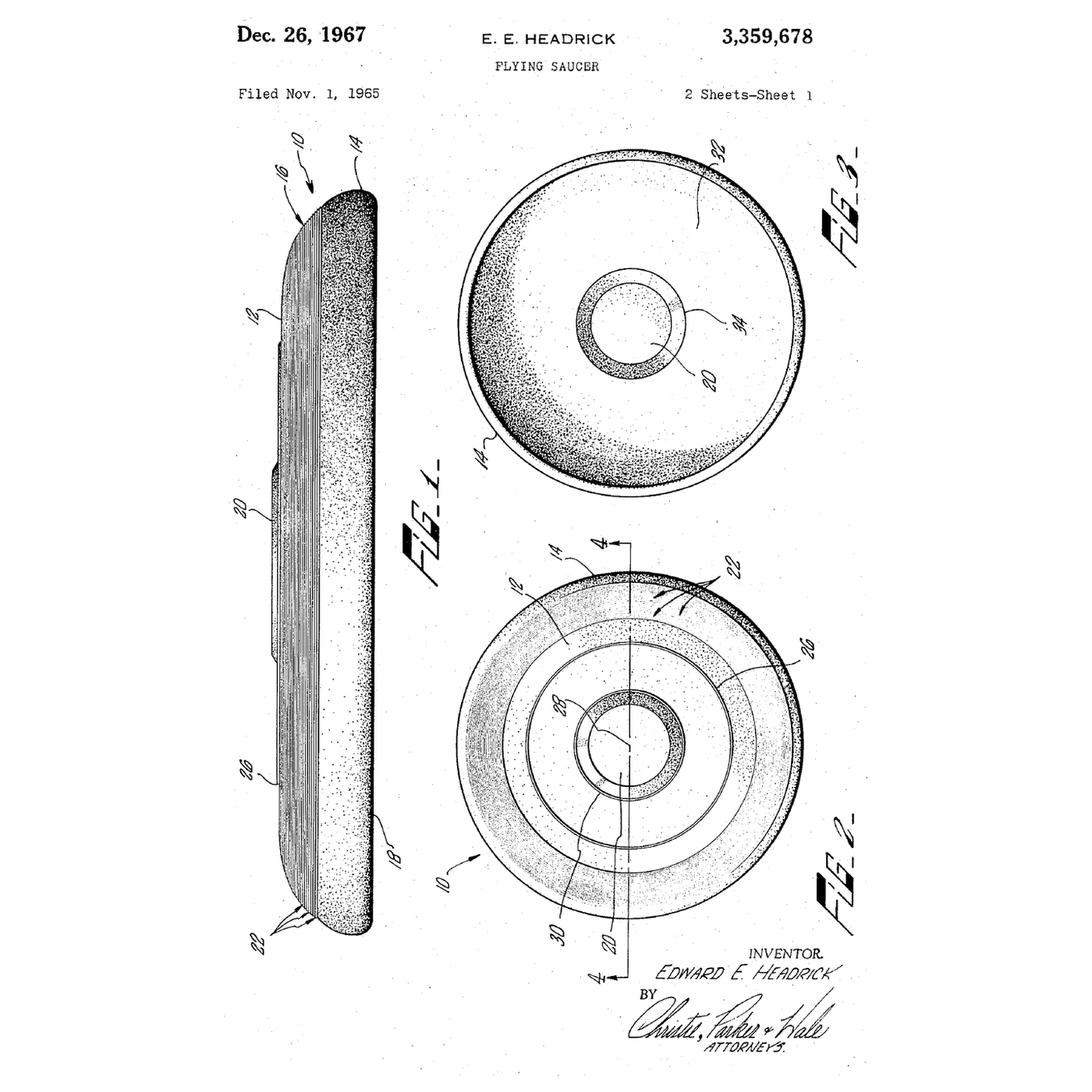
Edward E. Headrick of La Cañada, California, assignor to the Wham-O Manufacturing Company, filed US 3,359,678, *Flying Saucer*, on 1 November 1965; it was granted 26 December 1967. Its improvement is a series of concentric ridges on the convex side near the rim, which trip the air into a turbulent boundary layer that stays attached, reducing drag and steadying the flight.
This rung works out the lift, the spin-stabilised roll and the ridges' effect, and measures throws with and without spin.
Olùbẹ̀rẹ̀
About 2 hours
Ìlànà
1
1
Lift, spin stability and drag
Lift, spin stability and drag
Ń ṣí ìwé Jupyter…
2
2
Read Headrick's disc
Read Headrick's disc
Fig. 1 of US 3,359,678 shows the disc from the side: a central portion 12, a curved transition 16 and a rim 14, so that the bottom edge and the convex side "resemble an air foil"; a raised crown 20 in the centre; and ridges 22 on the curved surface. Figs. 2 and 4 place the ridges as concentric circles, the outermost where rim and central portion meet.
The patent is candid about what it knows: the crown's contribution "has not been definitely determined", while the ridges' effect is "analogous to the effect of a 'spoiler'" — tripping the boundary layer so it stays attached and drag falls.
3
3
Spin that stands up
Spin that stands up
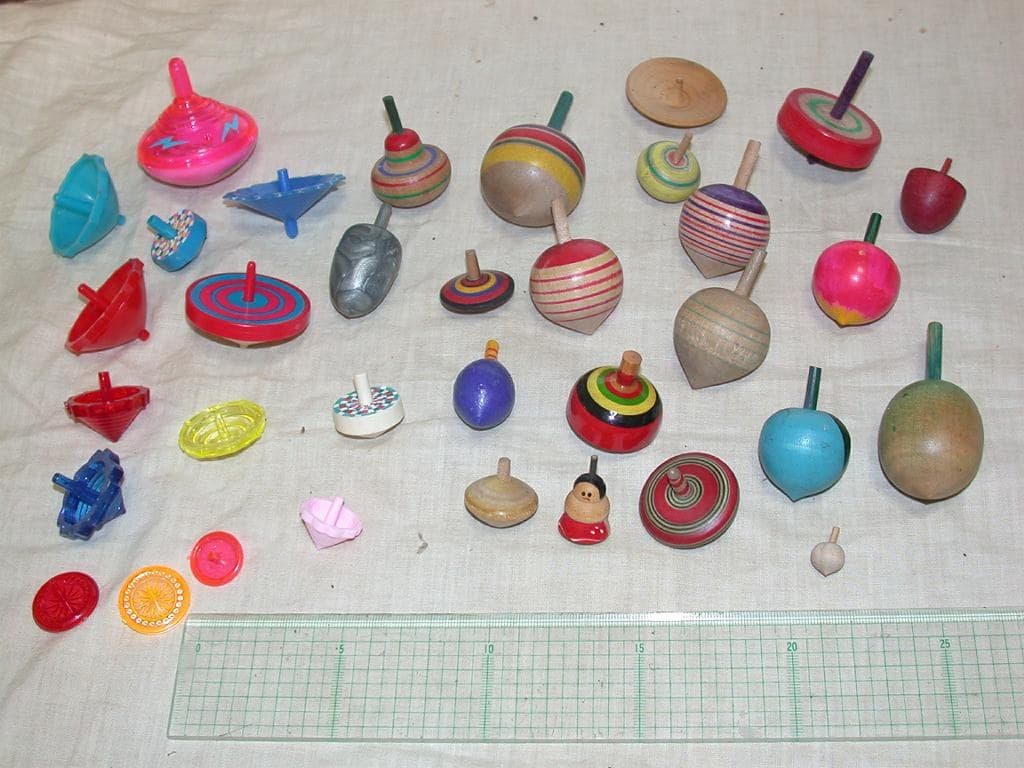
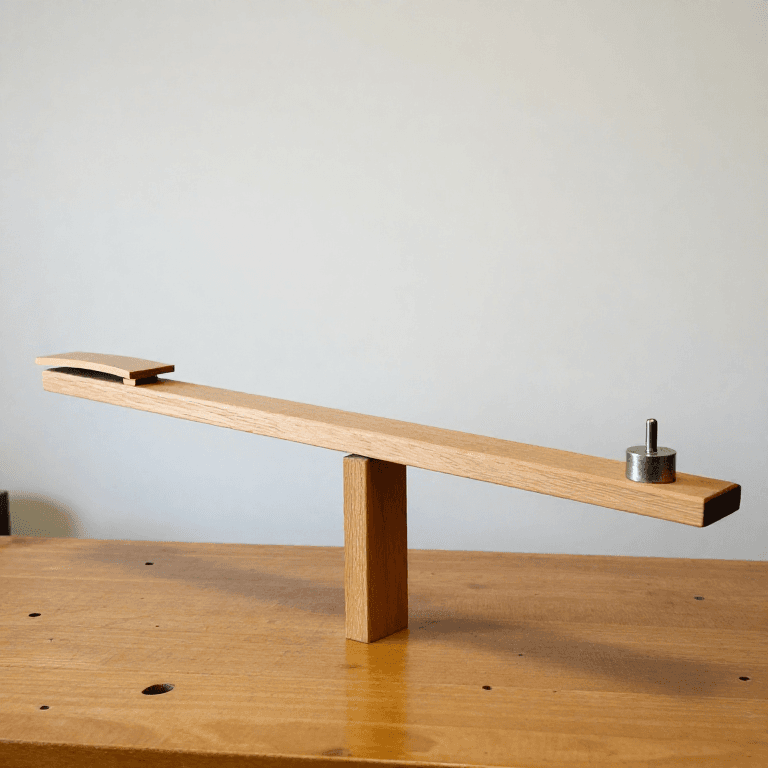
A flying disc is steadied the way a top is. The embedded blueprint shows spin resisting a toppling torque.
4
4
Throw with and without spin
Throw with and without spin
Mark out a line on open grass. Throw a flying disc ten times with a firm backhand wrist snap and ten times pushed flat with as little spin as you can manage, at the same height and roughly the same speed. Measure each distance and note which way it rolls.
Film a throw from the side at a high frame rate and count frames per revolution against a mark on the rim to estimate spin. The spun throws go farther and steadier; the flat pushes flip over within a few metres.
Àwọn ohun èlò fún ìgbésẹ̀ yìí:
 Díìsì tí ń fò1 ẹyọ
Àwọn irinṣẹ́ tí a nílò:
 Okùn Ìdíwọ̀n
 Kámẹ́rà oní-nọ́mbà
 Aago Ìdúró
5
5
A disc that will not fly straight
A disc that will not fly straight
Flying disc problems.
Flow
Loading...
6
6
History and honest limits
History and honest limits
Plastic flying saucers were sold from the 1950s; **Edward E. Headrick** of Wham-O filed **US 3,359,678** on 1 November 1965, granted 26 December 1967, adding the concentric ridges near the rim.
**Honest limits.** Flying-disc aerodynamics depend strongly on angle of attack and spin; the coefficients in the notebook are illustrative, not measured values for any disc.
Àwọn ohun-èlò
1- 1 ẹyọÀyè
Àwọn irinṣẹ́ tó nílò
3- 1 vendor sell this, none ship to you yetÀyè
- Àyè
Blueprint tó jọra
Àwọn blueprint wọ̀nyí pín ìmọ̀ — ọ̀nà, ohun-èlò tàbí ìlànà




CC0 Àgbègbè Gbogbogbò
Blueprint yìí ti jáde lábẹ́ CC0. O lè ṣe àdàkọ, yí padà, pín, àti lò láìsí ìyọ̀ǹda.
Ṣàtìlẹ́yìn Olùṣẹ́dá nípa rírà àwọn ọjà nipasẹ̀ Blueprint wọn Ẹ̀san Olùṣẹ́dá tí àwọn Olùtajà gbé kalẹ̀, tàbí ṣẹ̀dá àtúnṣe tuntun ti Blueprint yìí kí o sì fi sínú Blueprint rẹ gẹ́gẹ́ bí ìsopọ̀ láti pín owó-wíwọlé.