IṢẸ́ ỌNÀ
ẸWÀ ÀTI ÌLERA
IṢẸ́ ỌWỌ́
ÀṢÀ ÀTI ÌTÀN
ÌṢERÉ
ÀYÍKÁ
OÚNJẸ ÀTI OHUN MÍMU
REVERSE ENGINEERING
SÁYẸ́ǸSÌ
ERÉ ÌDÁRAYÁ
ÌMỌ̀-Ẹ̀RỌ
ÀWỌN OHUN WÍWỌ̀
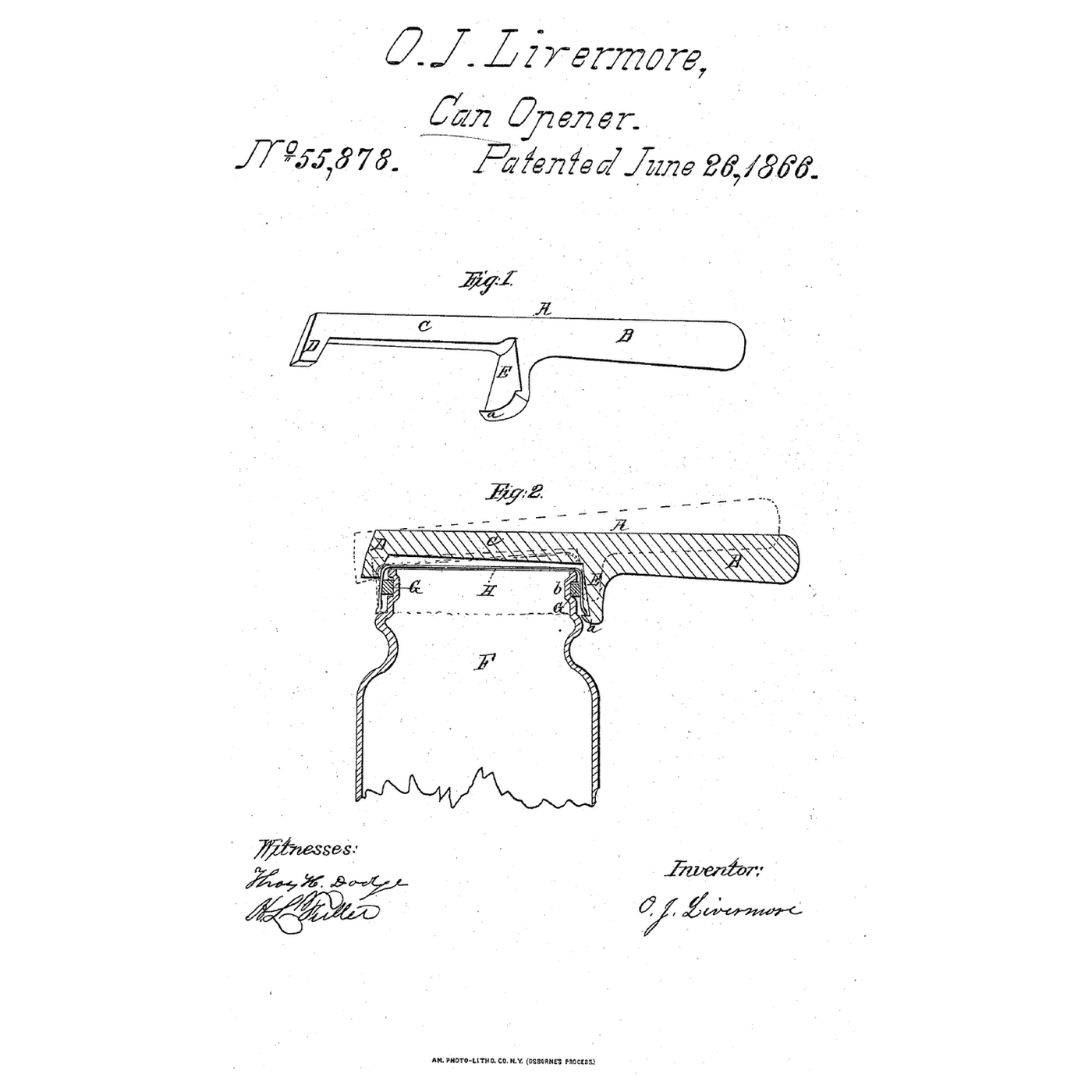


The Lid-Lifting Can Opener: One Lip Presses Down While the Other Lifts
A fruit can's tin cover, pressed onto a rubber ring, can stick so hard that prising it off hurts the fingers.
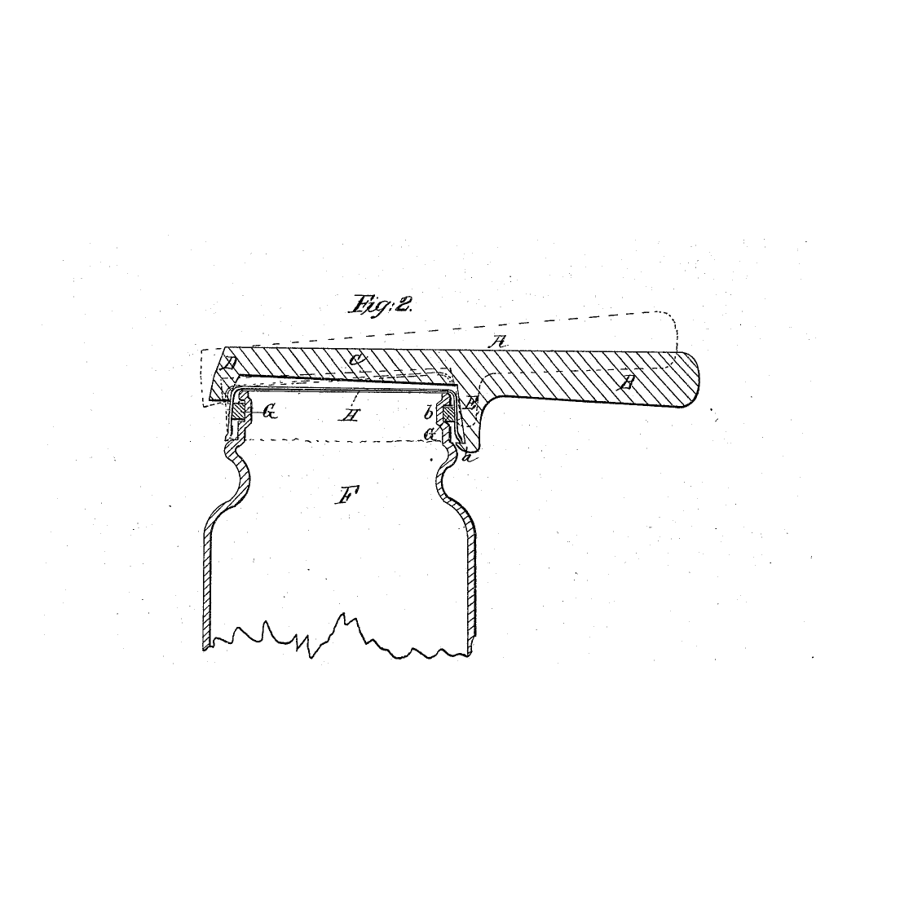
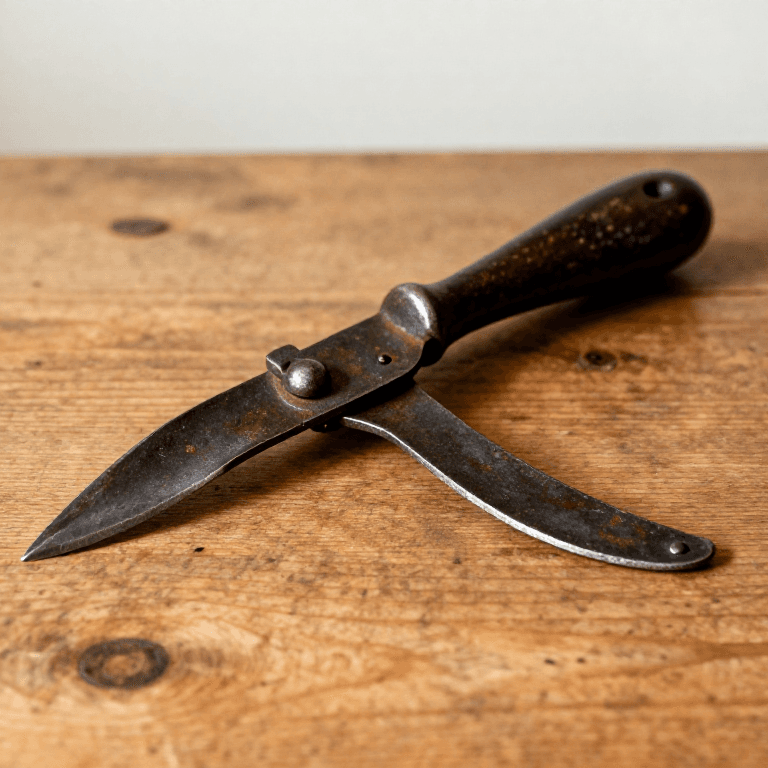
O. J. Livermore of Worcester, Massachusetts, received US 55,878, dated 26 June 1866, for a can opener for "Lyman's patent can": a handle, a part that passes over the cover with an inclined lip below it, and a curved piece whose angular edge goes under the cover's far side; raising the handle presses one side down and lifts the other.
This rung compares the force holding a vacuum-sealed lid with what the lever gives, then bends the opener from flat bar and lifts a sealed jar lid with it.
Olùbẹ̀rẹ̀
About 2 hours
Ìlànà
1
1
Holding force against lever force
Holding force against lever force
Ń ṣí ìwé Jupyter…
2
2
A sealed jar before it
A sealed jar before it
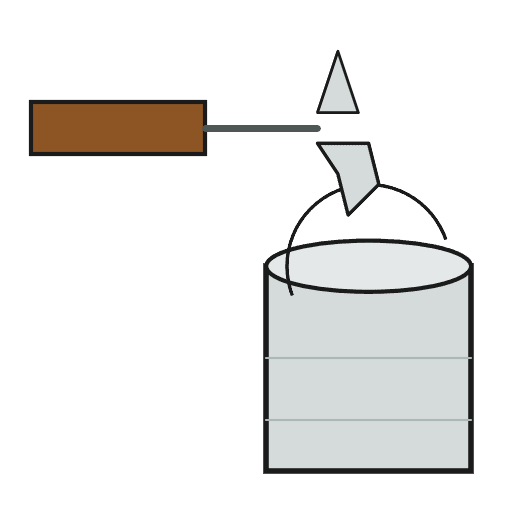
The embedded blueprint seals food in a screw-top jar. Livermore's lever lifts a pressed-on cover of the same kind without fingernails.
3
3
Read US 55,878
Read US 55,878
"In trying to remove the cover under such circumstances persons without proper conveniences at hand for the purpose often injure their fingers and nails."
"Handle B is now raised, which causes the inclined lip D to force the cover down and toward the can on that side, while the angular lip a elevates the other side of the cover, as shown in red lines."
4
4
Bend the head
Bend the head
Cut 220 mm of 25 × 3 mm flat bar. Bend the last 15 mm down at about 60° in the vice for the inclined lip, 30 mm from it bend the bar level again: the part over the cover.
Àwọn ohun èlò fún ìgbésẹ̀ yìí:
 Ọ̀pá Pẹrẹsẹ Irin Pẹ́lẹ́1 ẹyọ
Àwọn irinṣẹ́ tí a nílò:
 Ayùn Irin
 Ìdìmú Tábìlì
 Òòlù
Òòlù Ìdíwọ̀n
 Ààmì Tí Kò Ní Parẹ́
 Ìbọ̀wọ́ Iṣẹ́ Awọ
5
5
Add the lifting piece
Add the lifting piece
Cut 60 mm of the bar, curve it on the anvil, and file one end to a sharp angular edge. Drill both pieces and screw the curved one under the bar, its edge 70 mm from the lip.
Àwọn ohun èlò fún ìgbésẹ̀ yìí:
Ọ̀pá Pẹrẹsẹ Irin Pẹ́lẹ́1 ẹyọ Skurú ẹ̀rọ1 ẹyọ
 Nọ́ọ̀tì Onígun Mẹ́fà1 ẹyọ
Àwọn irinṣẹ́ tí a nílò:
Ayùn Irin Ìdí Alágbẹ̀dẹÒòlù
 Àwọn Ìfá (Ìfá Ọwọ́)
 Igi Àmì Àárín
 Ẹ̀rọ Ìlùkòkò Aláìlókùn
 Àkójọ Orí Ìlùkòkò
 Kọ́kọ́rọ́ tí a lè ṣàtúnṣe
 Gílásì Ààbò Tí Ó Mọ́
6
6
The patent drawing
The patent drawing
US 55,878 drawing sheet, public domain (expired patent).
7
7
Seal a jar and lift its lid
Seal a jar and lift its lid
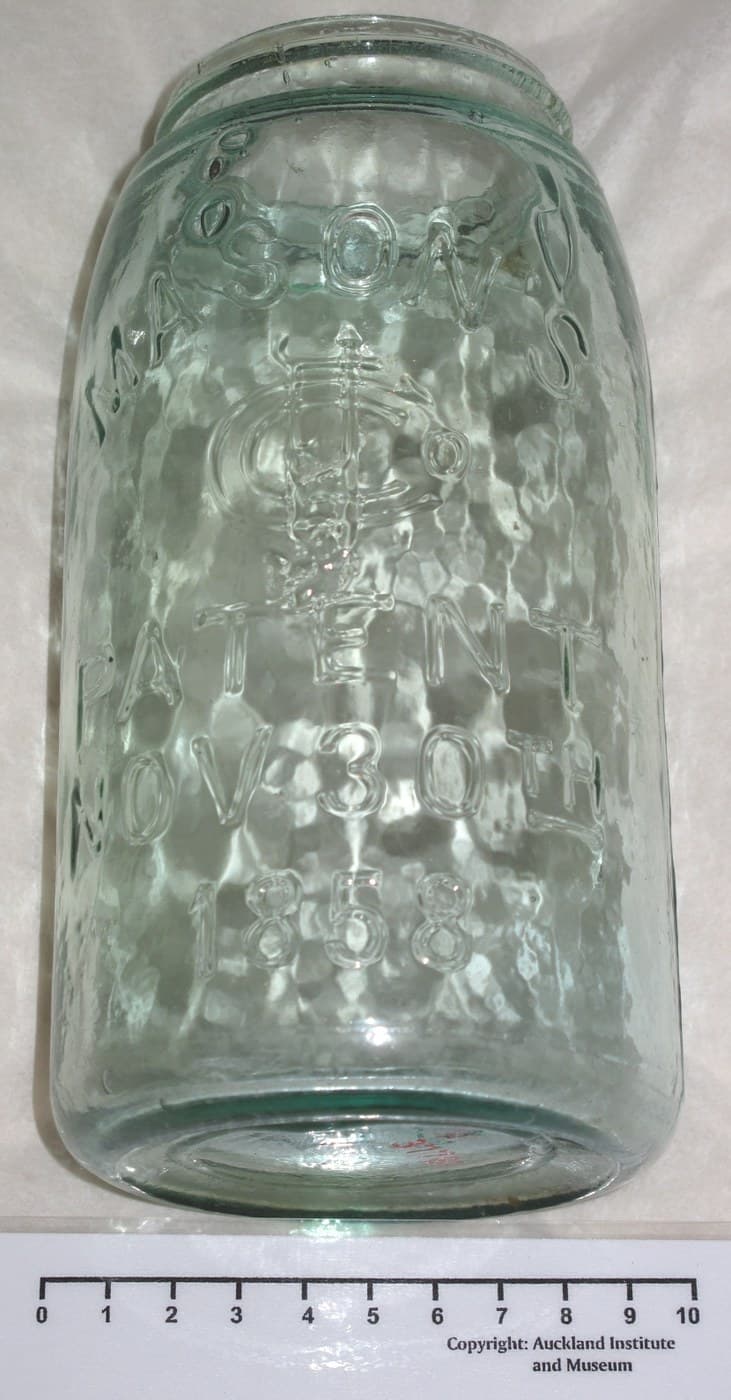
Fill a Mason jar with water from the kettle at the boil, put on a new flat lid, screw the band on and let it cool for two hours so the lid pulls down. Then remove the band. Try to lift the lid with the force meter's hook under its edge; note the force. Then set the opener on it and lift with the meter on the handle's end.
Àwọn ohun èlò fún ìgbésẹ̀ yìí:
 Ìgò ìtọ́jú oúnjẹ (Mason)1 ẹyọ
 Omi1 ẹyọ
Àwọn irinṣẹ́ tí a nílò:
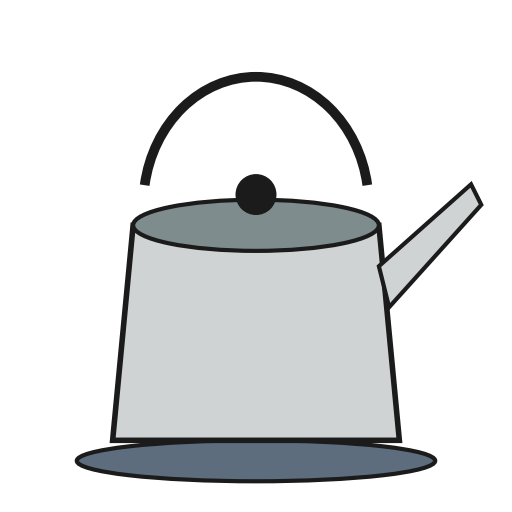 Kẹ́tùlù orí iná
 Ẹ̀rọ Ìwọ̀n Agbára (Òṣùwọ̀n Ìsúnkì)
 Ìbọ̀wọ́ Tí Ń Fara Da Ooru
8
8
An opener that slips, bends or scratches
An opener that slips, bends or scratches
Lid-lifting can opener troubleshooting.
Flow
Loading...
9
9
History and honest limits
History and honest limits
**O. J. Livermore** of Worcester, Massachusetts, assignor to himself and Clark, Sawyer & Co., received US 55,878, dated 26 June 1866. Lyman's cover fits over a rubber packing ring in a groove on the can; a groove lets a pin admit air, but the cover often adheres by corrosion and other causes. His opener works even before the air is admitted, though more easily after.
**Honest limits.** A cooled Mason jar stands in for Lyman's can, and two screwed pieces for his one-piece tool. Your forces are the result.
Àwọn ohun-èlò
5- Àyè
- 1 ẹyọÀyè
- 1 ẹyọÀyè
- Àyè
- 1 ẹyọÀyè
Àwọn irinṣẹ́ tó nílò
16- Àyè
- Àyè
- Àyè
- Àyè
- 1 vendor sell this, none ship to you yetÀyè
Ìtọ́nisọ́nà yìí ń ṣe
Blueprint tó jọra
Àwọn blueprint wọ̀nyí pín ìmọ̀ — ọ̀nà, ohun-èlò tàbí ìlànà




CC0 Àgbègbè Gbogbogbò
Blueprint yìí ti jáde lábẹ́ CC0. O lè ṣe àdàkọ, yí padà, pín, àti lò láìsí ìyọ̀ǹda.
Ṣàtìlẹ́yìn Olùṣẹ́dá nípa rírà àwọn ọjà nipasẹ̀ Blueprint wọn Ẹ̀san Olùṣẹ́dá tí àwọn Olùtajà gbé kalẹ̀, tàbí ṣẹ̀dá àtúnṣe tuntun ti Blueprint yìí kí o sì fi sínú Blueprint rẹ gẹ́gẹ́ bí ìsopọ̀ láti pín owó-wíwọlé.