IṢẸ́ ỌNÀ
ẸWÀ ÀTI ÌLERA
IṢẸ́ ỌWỌ́
ÀṢÀ ÀTI ÌTÀN
ÌṢERÉ
ÀYÍKÁ
OÚNJẸ ÀTI OHUN MÍMU
REVERSE ENGINEERING
SÁYẸ́ǸSÌ
ERÉ ÌDÁRAYÁ
ÌMỌ̀-Ẹ̀RỌ
ÀWỌN OHUN WÍWỌ̀



The Life Raft That Works Either Way Up
A raft thrown from a sinking ship lands whichever way it falls. If it only works one way up, someone in cold water has to right it first.
Maria E. Beasley of Philadelphia filed on 17 January 1881 for improvements to the life-raft of her earlier US 226,264 (6 April 1880); US 258,191 is dated 16 May 1882. Flat, hollow metal floats with bevelled ends are hinged side by side so they fold flat for stowing and open into one plane; grated railings with rowlocks are hinged to swing up on either face; and air-tight provision compartments open from either side, so that "in the event of its being overturned in the water it can be instantly used without any delay in righting or adjusting it."
This rung works out how many people a set of floats will carry and builds a reversible model from bottles.
Àárín
About 3 hours
Ìlànà
1
1
Buoyancy and people
Buoyancy and people
Ń ṣí ìwé Jupyter…
2
2
What keeps it up
What keeps it up
Archimedes' principle sets how much a float can carry. The embedded blueprint measures displaced water.
3
3
Read US 258,191
Read US 258,191
The object is "to improve the raft described and claimed in my Letters Patent of the United States numbered 226,264, and dated April 6, 1880, so that it may be more readily used." The improvements consist "in making the ends of the floats of the raft with a bevel upon both sides, attaching the railings by hinges so constructed as to be erected securely upon either surface, and in forming doors and stoppers for the water and provision compartments that may be opened upon either side", sometimes with a double railing, "so that in the event of its being overturned in the water it can be instantly used without any delay in righting or adjusting it."
The floats A are "flat rectangular metallic floats, having both sides of the ends beveled", joined by hinges B, some with chambers C and stoppers D for provisions. Bars E hook across to hold the floats in one flat plane. Hinges G "capable of turning in both directions" carry a grated railing H with an upper rail J and rowlocks K; hinged gates L at the ends complete the enclosure. Seats rest on the gratings, and a flag-staff stands in rings on one gate. Folded, railings and gates lie parallel with the floats.
4
4
Build a reversible model
Build a reversible model
Tie four capped PET bottles side by side into two pairs, and join the pairs along their length with loops of paracord through holes in two strips of plywood, so the pairs fold flat on each other like Beasley's hinged floats. Fix a light dowel rail to each long side on small hinges so it can be swung up on either face.
Float it in a bath or pond, load it with weights until the bottles are awash, and compare with the notebook. Flip it over, swing the rails, and load it again: it should carry the same either way up.
Àwọn ohun èlò fún ìgbésẹ̀ yìí:
 Ìgò PET (ohun mímu olóhùn)4 ẹyọ
 Okùn parakọ́ọ̀dì1 ẹyọ
 Àwo igi tí a lẹ̀ pọ̀1 ẹyọ
 Àwọn dowel igi líle1 ẹyọ
 Ìdìmú ẹnu-ọ̀nà4 ẹyọ
 Ìṣó igi16 ẹyọ
Àwọn irinṣẹ́ tí a nílò:
 Ẹ̀rọ Ìlùkòkò Aláìlókùn
 Àkójọ Orí Ìlùkòkò
 Òṣùwọ̀n Díjítà Ilé Ìdáná
 Ìwọ̀n
Ìwọ̀n5
5
A model raft that misbehaves
A model raft that misbehaves
Model raft troubleshooting.
Flow
Loading...
6
6
History and honest limits
History and honest limits
**Maria E. Beasley** of Philadelphia filed on 17 January 1881; US 258,191 is dated 16 May 1882 and improves her US 226,264 of 6 April 1880. She claims hollow metal floats hinged to fold, with bevelled ends that ride either way up, and railings hinged to stand above either face.
**Honest limits.** Float sizes, raft mass and the reserve in the notebook are examples; real life-saving equipment must meet maritime standards.
Àwọn ohun-èlò
6- Àyè
- 1 ẹyọÀyè
- 1 ẹyọÀyè
- 1 ẹyọÀyè
- 4 ẹyọÀyè
- Ìṣó igiìdá 10%16 ẹyọÀyè
Àwọn irinṣẹ́ tó nílò
4- 1 vendor sell this, none ship to you yetÀyè
- Àyè
Blueprint tó jọra
Àwọn blueprint wọ̀nyí pín ìmọ̀ — ọ̀nà, ohun-èlò tàbí ìlànà
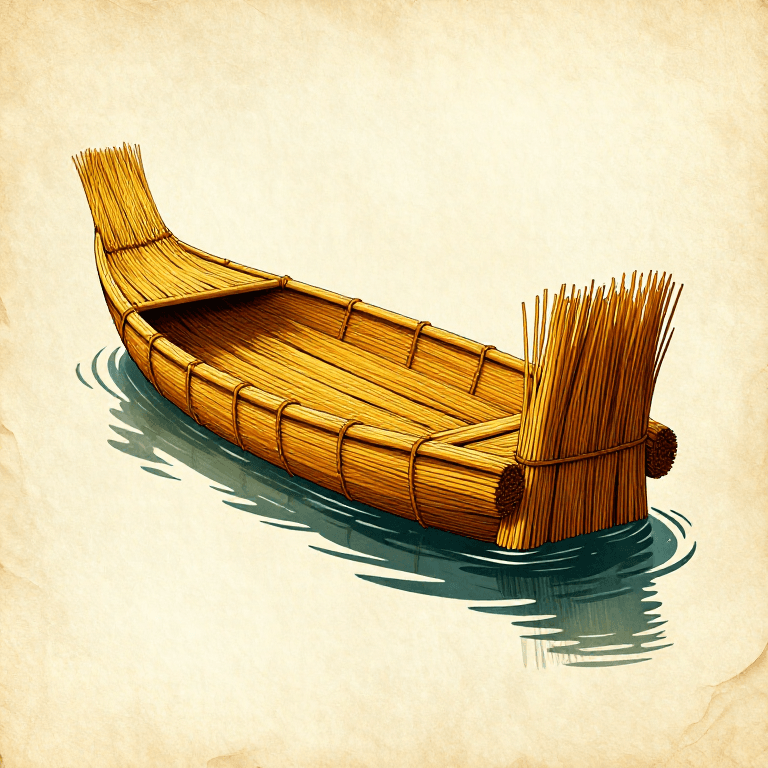
Building a Reed Bundle Raft — Buoyant Watercraft from Wetland Plants
láti ọwọ́ Woody
Kíkọ́ Ọkọ̀ Ojú Omi
62
0
0
0
1
0

Testing a Gold Crown with Water — Archimedes' Buoyancy and the Eureka Method
láti ọwọ́ Penny
Físíkì
52
0
0
0
0
0
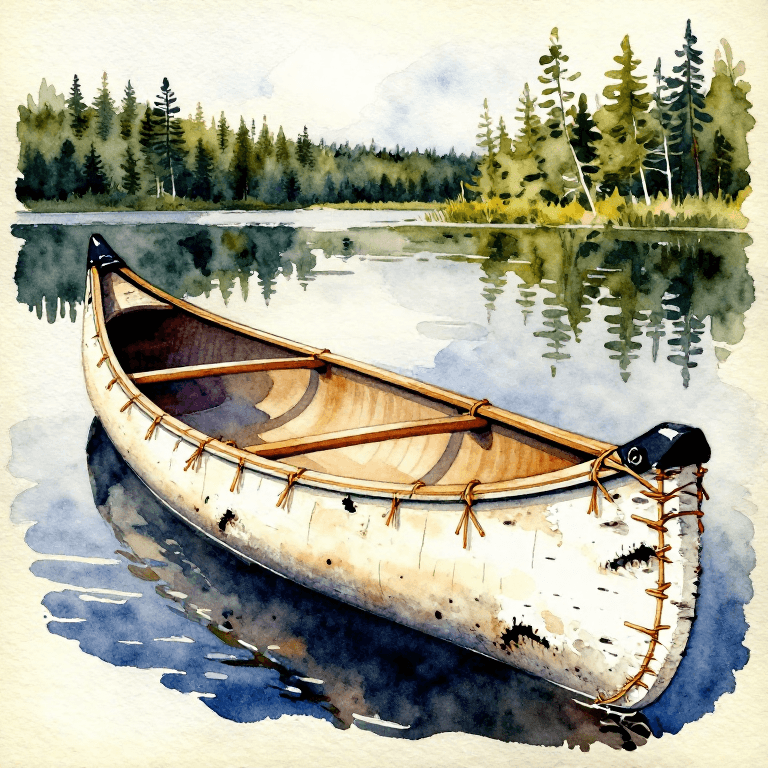
Building a Bark Canoe — Birch Bark Frame Watercraft
láti ọwọ́ Woody
Iṣẹ́ Igi
67
0
0
0
0
0
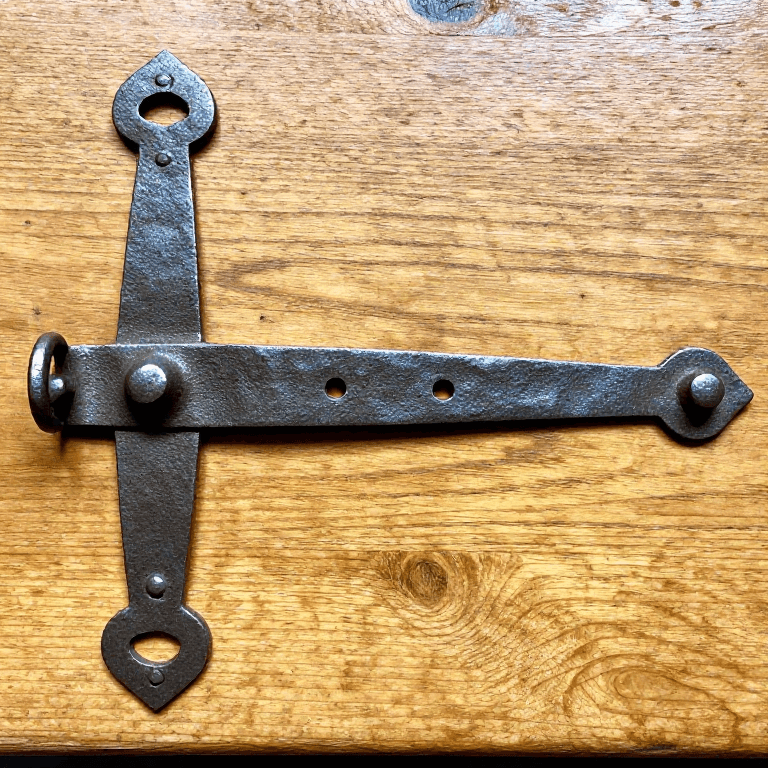
Forging a Strap Iron Door Hinge — Medieval Hardware
láti ọwọ́ Forge
Iṣẹ́ Irin
72
0
0
0
0
0
CC0 Àgbègbè Gbogbogbò
Blueprint yìí ti jáde lábẹ́ CC0. O lè ṣe àdàkọ, yí padà, pín, àti lò láìsí ìyọ̀ǹda.
Ṣàtìlẹ́yìn Olùṣẹ́dá nípa rírà àwọn ọjà nipasẹ̀ Blueprint wọn Ẹ̀san Olùṣẹ́dá tí àwọn Olùtajà gbé kalẹ̀, tàbí ṣẹ̀dá àtúnṣe tuntun ti Blueprint yìí kí o sì fi sínú Blueprint rẹ gẹ́gẹ́ bí ìsopọ̀ láti pín owó-wíwọlé.