IṢẸ́ ỌNÀ
ẸWÀ ÀTI ÌLERA
IṢẸ́ ỌWỌ́
ÀṢÀ ÀTI ÌTÀN
ÌṢERÉ
ÀYÍKÁ
OÚNJẸ ÀTI OHUN MÍMU
REVERSE ENGINEERING
SÁYẸ́ǸSÌ
ERÉ ÌDÁRAYÁ
ÌMỌ̀-Ẹ̀RỌ
ÀWỌN OHUN WÍWỌ̀


The Oil-Wick Fountain Brush: A Can Whose Wick Is the Brush
An oil can and a rag spill, and a brush dipped in oil drips.
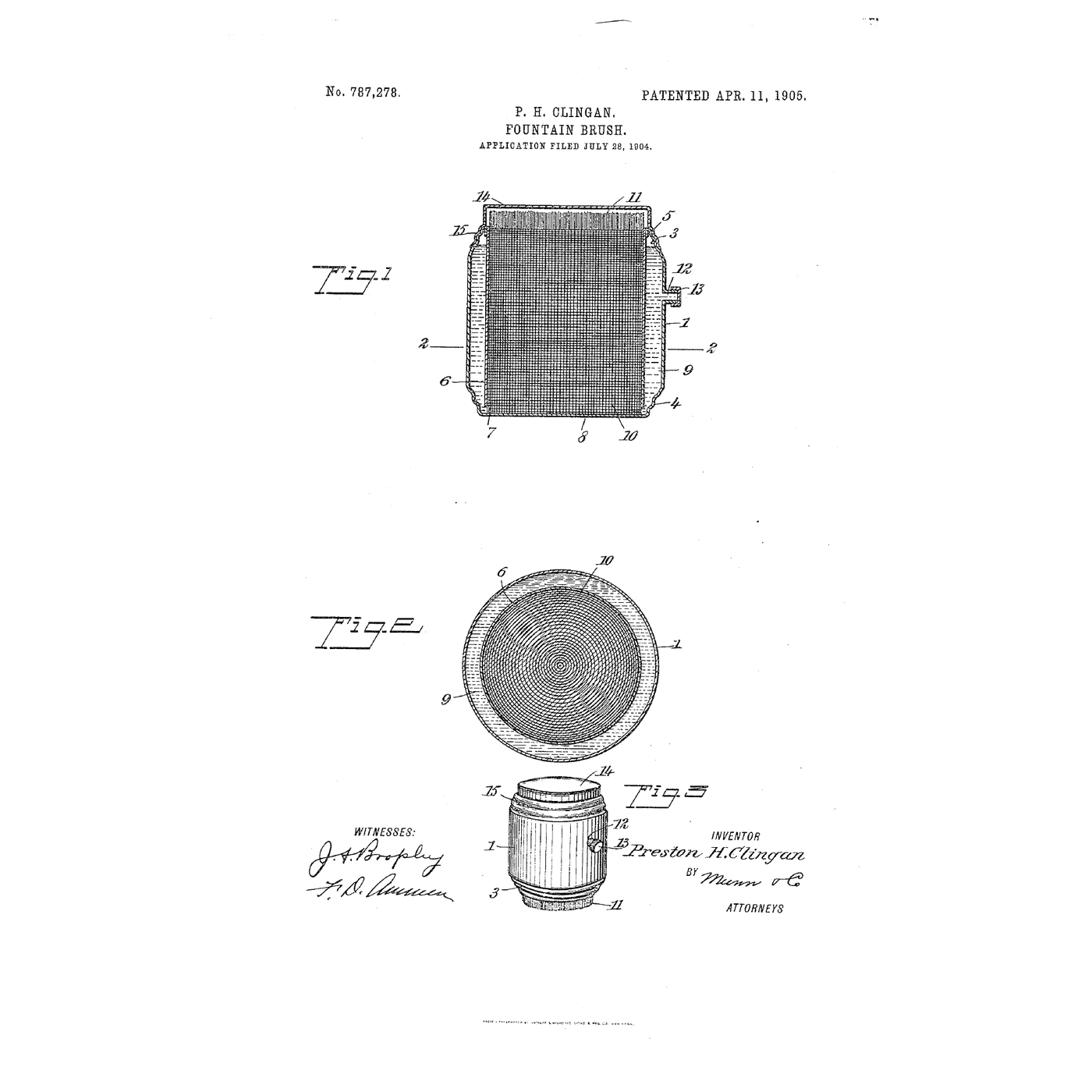
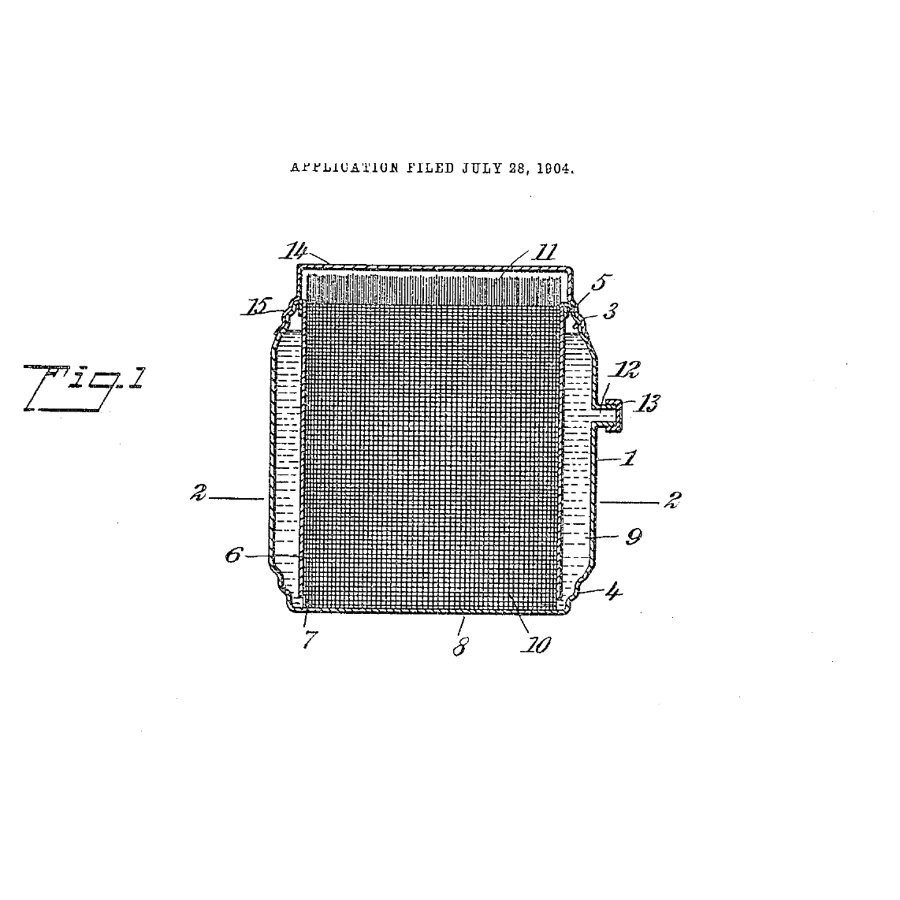
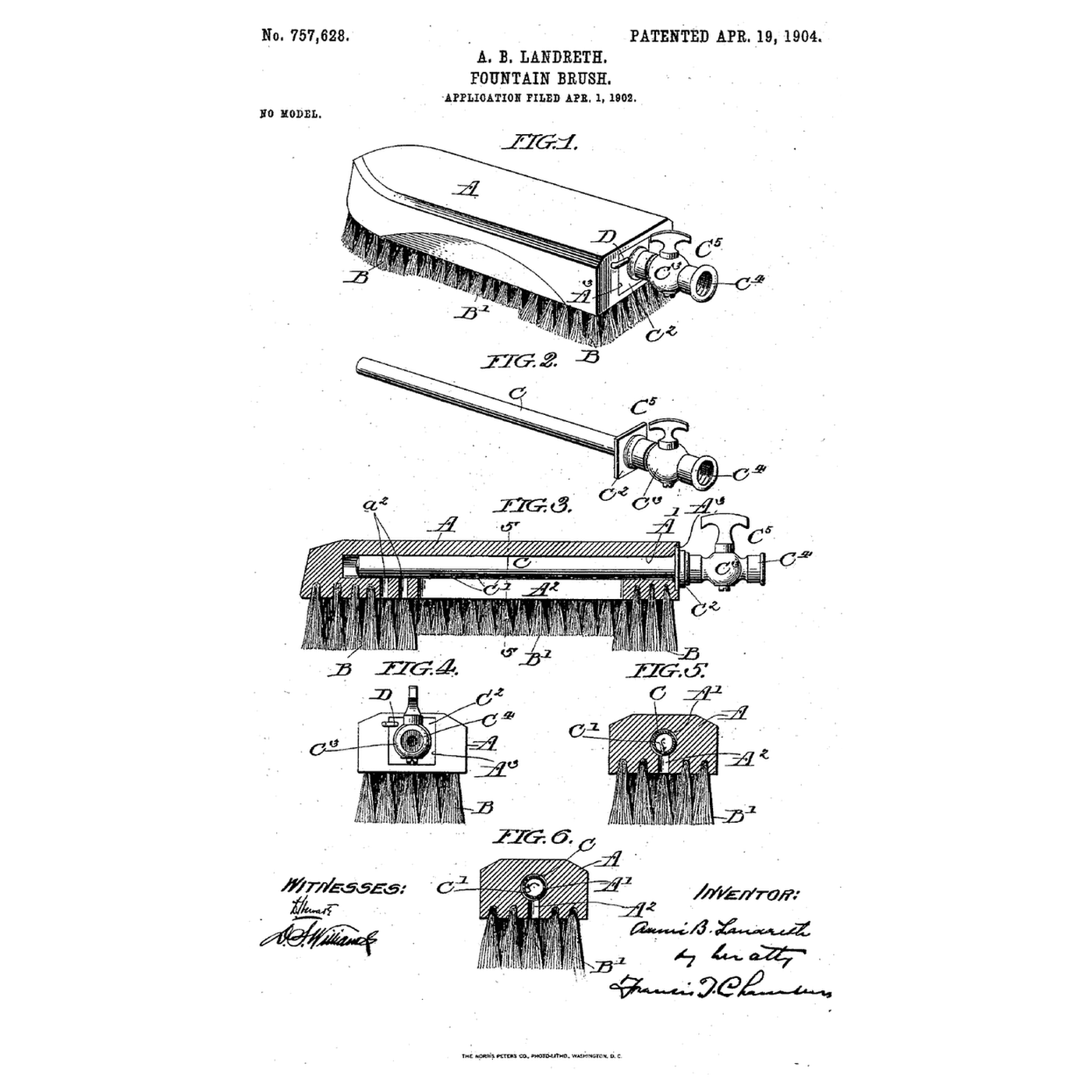
Preston H. Clingan of Florence, Colorado, received US 787,278, dated 11 April 1905, for "a can of very simple form which is so constructed as to prevent the possibility of spilling the contents thereof": an open thimble hangs from the can's mouth to near its bottom, a rolled burlap wick inside it is frayed above the mouth into a brush, and oil in the chamber round the thimble reaches the wick from underneath.
This rung works out how high a wick can lift oil, then builds the can from a jar, a tin and burlap and weighs the oil it lays on a board.
Olùbẹ̀rẹ̀
About 2 hours
Ìlànà
1
1
How high the wick lifts
How high the wick lifts
Ń ṣí ìwé Jupyter…
2
2
A wick that feeds oil before it
A wick that feeds oil before it
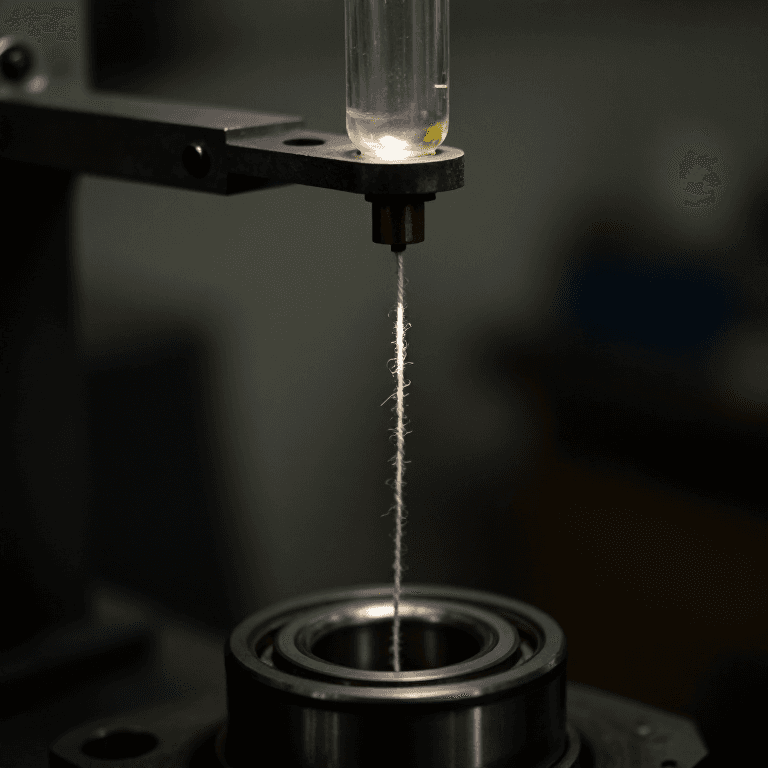
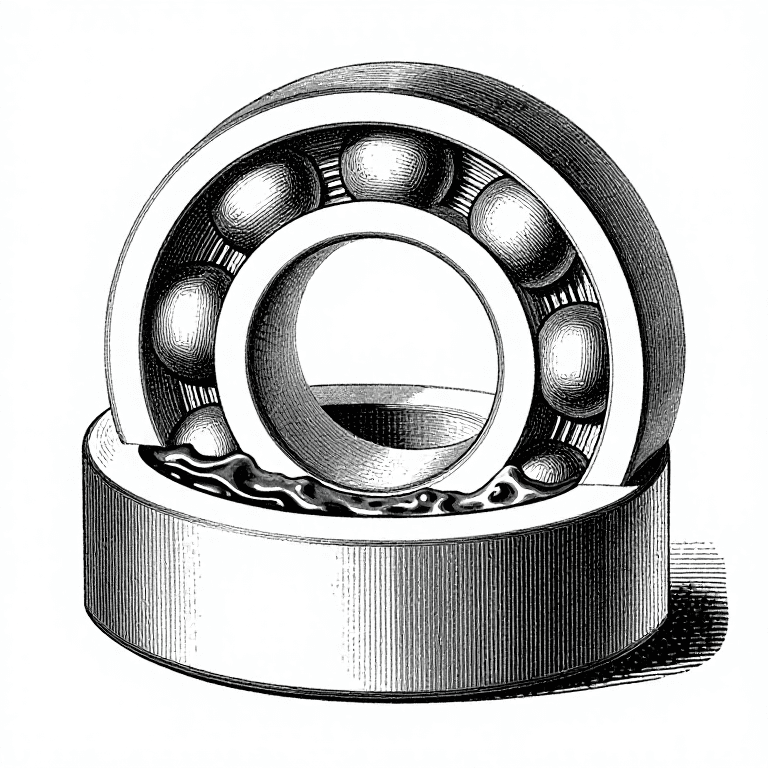
The embedded blueprint feeds oil to a bearing through a wick. Clingan turns the wick's frayed end into the brush.
3
3
Read US 787,278
Read US 787,278
"My object is to provide a can of very simple form which is so constructed as to prevent the possibility of spilling the contents thereof. The can includes a wick of absorbent material, which is constantly supplied with oil or other fluid within the can."
4
4
Make the thimble
Make the thimble
Remove both ends of a tin can that passes through the jar's mouth with 6 mm to spare. Cut it 10 mm shorter than the jar's inside height. File the cut edges.
Àwọn ohun èlò fún ìgbésẹ̀ yìí:
 Ìgò irin1 ẹyọ
Àwọn irinṣẹ́ tí a nílò:
 Ìlàǹkàn irin
 Àwọn Ìfá (Ìfá Ọwọ́)
 Ìdíwọ̀n
 Ìbọ̀wọ́ Iṣẹ́ Awọ
5
5
Cut the lip ring
Cut the lip ring
Cut an aluminium ring: outside to fit inside the jar's mouth, inside to fit round the thimble. Drill it 3 mm for a filling screw.
Àwọn ohun èlò fún ìgbésẹ̀ yìí:
 Àwo aluminiọ̀mù1 ẹyọ
Àwọn irinṣẹ́ tí a nílò:
Ìlàǹkàn irin Ẹ̀rọ Ìlùkòkò Aláìlókùn
 Àkójọ Orí ÌlùkòkòÀwọn Ìfá (Ìfá Ọwọ́)
6
6
Fix the thimble
Fix the thimble
Epoxy the ring round the thimble's top and into the jar's mouth, the thimble hanging 10 mm clear of the floor. Cut a rubber washer for the filling screw.
Àwọn ohun èlò fún ìgbésẹ̀ yìí:
 Ìgò Gílásì1 ẹyọ
 Ẹpọ́ksì Ẹ̀yà Méjì1 ẹyọ
 Skurú ẹ̀rọ1 ẹyọ
 Àwo rọ́bà1 ẹyọ
Àwọn irinṣẹ́ tí a nílò:
 Ọ̀bẹ Iṣẹ́ Ọwọ́
 Ìṣù àwọn ohun ìyí skurú
7
7
Roll the wick
Roll the wick
Roll a strip of burlap tightly until it fills the thimble, 15 mm longer than it. Push it in and fray the top 15 mm with the fingers.
Àwọn ohun èlò fún ìgbésẹ̀ yìí:
 Aṣọ àpò / hessian1 ẹyọ
Àwọn irinṣẹ́ tí a nílò:
 Ìṣẹ́náÌdíwọ̀n
8
8
The build in 3D
The build in 3D
FreeCAD model of this build, not of the patent: a 90 mm jar with a 66 mm mouth, the aluminium lip ring and filling screw, a 53 mm thimble 10 mm off the floor, the burlap wick with its frayed top, and the lid.
9
9
Oil a board and weigh it
Oil a board and weigh it
Pour linseed oil through the filling hole to half the jar's height and wait until the wick's top darkens. Weigh a plywood board, brush it once over, and weigh it again. Turn the closed jar on its side over a rag for a minute.
Àwọn ohun èlò fún ìgbésẹ̀ yìí:
 Òróró Ọ̀gbọ̀ Tí A Sè1 ẹyọ
 Àwo igi tí a lẹ̀ pọ̀1 ẹyọ
 Àwọn àkísà òwú1 ẹyọ
Àwọn irinṣẹ́ tí a nílò:
 Òṣùwọ̀n Díjítà Ilé Ìdáná
 Aago Ìdúró
 Okùn Ìdíwọ̀n
10
10
A wick that stays dry, floods or leaks
A wick that stays dry, floods or leaks
Oil-wick fountain brush troubleshooting.
Flow
Loading...
11
11
History and honest limits
History and honest limits
**Preston H. Clingan** of Florence, Colorado, assignor of one-half to John H. Todd of Cañon City, filed US 787,278 on 28 July 1904; it is dated 11 April 1905. His can is cylindrical with both ends contracted and threaded, so the cover fits either end; the thimble is soldered to an inward lip at the mouth; the wick is preferably a roll of burlap. He named oiling or polishing surfaces and cleaning windows among its uses.
**Honest limits.** A jar with one threaded mouth stands in for his can. The notebook assumes a fully wetting wick and one pore size. Your weights are the result.
Àwọn ohun-èlò
10- 1 ẹyọÀyè
- 1 ẹyọÀyè
- 1 ẹyọÀyè
- 1 ẹyọÀyè
- 1 ẹyọÀyè
- 1 ẹyọÀyè
- 1 ẹyọÀyè
- 1 ẹyọÀyè
- 1 ẹyọÀyè
- 1 ẹyọÀyè
Àwọn irinṣẹ́ tó nílò
12- Àyè
- Àyè
- 1 vendor sell this, none ship to you yetÀyè
- Àyè
- Àyè
- 1 vendor sell this, none ship to you yetÀyè
Àwọn fáìlì àpẹrẹ
1Blueprint tó jọra
Àwọn blueprint wọ̀nyí pín ìmọ̀ — ọ̀nà, ohun-èlò tàbí ìlànà

CC0 Àgbègbè Gbogbogbò
Blueprint yìí ti jáde lábẹ́ CC0. O lè ṣe àdàkọ, yí padà, pín, àti lò láìsí ìyọ̀ǹda.
Ṣàtìlẹ́yìn Olùṣẹ́dá nípa rírà àwọn ọjà nipasẹ̀ Blueprint wọn Ẹ̀san Olùṣẹ́dá tí àwọn Olùtajà gbé kalẹ̀, tàbí ṣẹ̀dá àtúnṣe tuntun ti Blueprint yìí kí o sì fi sínú Blueprint rẹ gẹ́gẹ́ bí ìsopọ̀ láti pín owó-wíwọlé.