IṢẸ́ ỌNÀ
ẸWÀ ÀTI ÌLERA
IṢẸ́ ỌWỌ́
ÀṢÀ ÀTI ÌTÀN
ÌṢERÉ
ÀYÍKÁ
OÚNJẸ ÀTI OHUN MÍMU
REVERSE ENGINEERING
SÁYẸ́ǸSÌ
ERÉ ÌDÁRAYÁ
ÌMỌ̀-Ẹ̀RỌ
ÀWỌN OHUN WÍWỌ̀
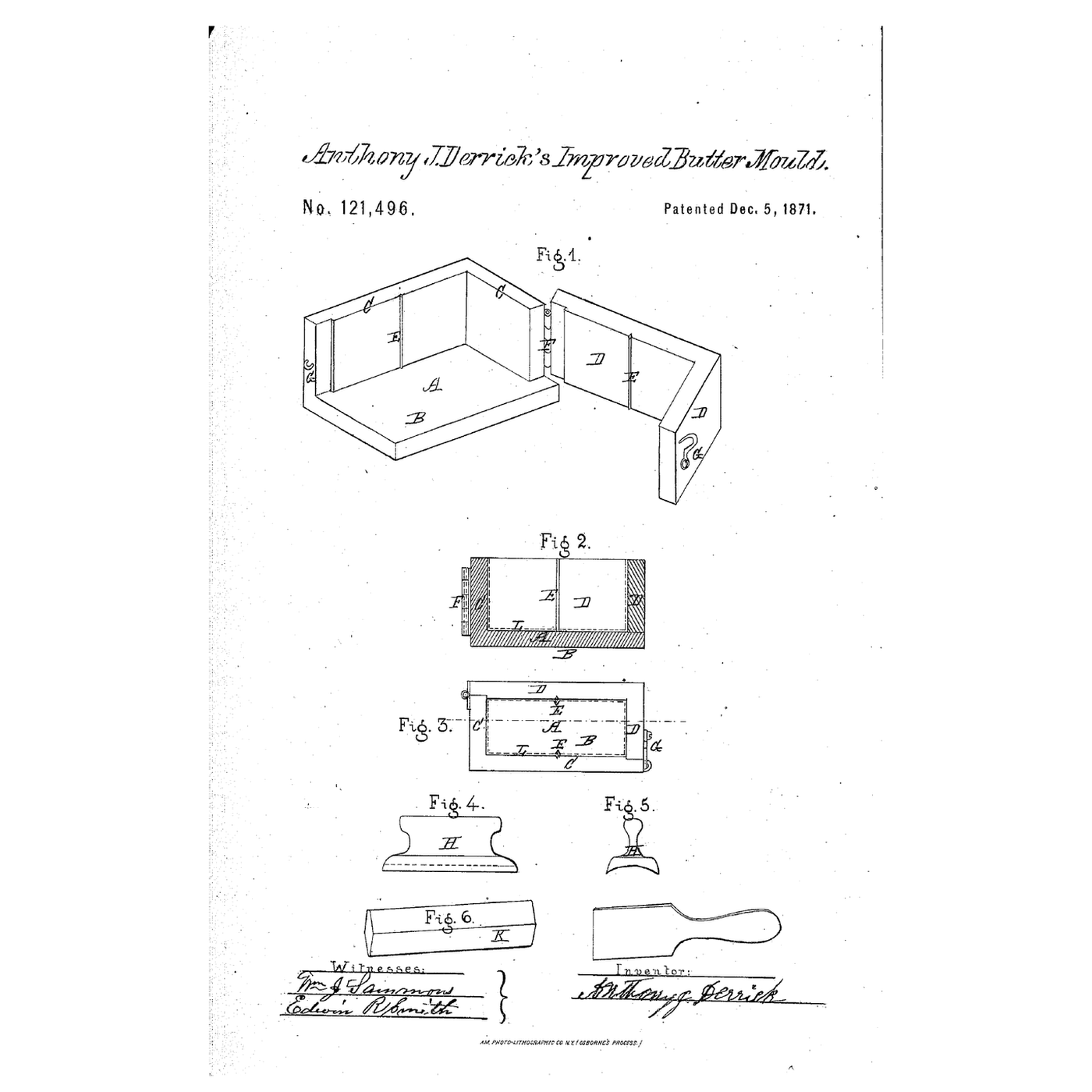


The Pound-Marked Butter Mould: Weight by Volume
Selling butter by the pound meant cutting, weighing and patching every piece, and a mould that held the butter tight would not let it go.
Anthony J. Derrick of Sheridan, Nevada, received US 121,496, dated 5 December 1871 (antedated 18 November 1871), for "a butter-mold, oblong in form, with movable sides, and containing a division in the interior for marking off the pounds' weight of butter".
This rung works out how long a two-pound roll is at a given cross-section and density, and how much trapped air takes off the weight. You then build a small hinged mould and check its mark on the scale.
Olùbẹ̀rẹ̀
About 2 hours
Ìlànà
1
1
Roll length for a pound, and the cost of air
Roll length for a pound, and the cost of air
Ń ṣí ìwé Jupyter…
2
2
Weight and volume are tied by density
Weight and volume are tied by density
The embedded blueprint finds what an object is made of from its weight in air and in water. A pound mark on a mould only works for a known density.
3
3
Read US 121,496
Read US 121,496
"Having had occasion as a farmer to send butter to market constantly, I have found much difficulty and loss of time in weighing and forming the butter of the desired form and of positive weight in small quantities to suit customers". When the butter was "put in a mold to give form to the quantity required it usually stuck to the sides of the mold, making it difficult to remove, and deranging the form and weight of the butter."
In use "a thin cloth, L, for holding the butter intact after removal, placed in the bottom and against the sides of the box" goes in first. The butter is then "packed in the box with the presser H, the pound-marks impressing the sides of the butter".
"This mold is made to contain two pounds' weight of butter, the side marks dividing the roll into one pound each, but may be enlarged so as to contain several pounds."
4
4
Build a hinged mould and check its mark
Build a hinged mould and check its mark
Weigh a level measuring jug of firmly packed butter to find your own density. Use the notebook to size a mould for one pound, with a half-pound mark.
Cut a hardwood base and two fixed walls. Hang the two movable walls on hinges and close them with a hook and eye. Cut a shallow groove across the inside of the walls at the half-pound mark.
Line the closed mould with damp muslin. Pack the butter in with the spoon, pressing out the air, then scrape the top level with the bench scraper. Open the walls, lift the roll out in its cloth and weigh it. Cut at the mark and weigh each half.
Àwọn ohun èlò fún ìgbésẹ̀ yìí:
 Pátákó Igi Líle1 ẹyọ
 Ìdìmú ẹnu-ọ̀nà2 ẹyọ
 Ìkọ̀ àti ojú1 ẹyọ
 Ìṣó igi12 ẹyọ
 Aṣọ Òwú Kékeré Fún Wàrà1 ẹyọ
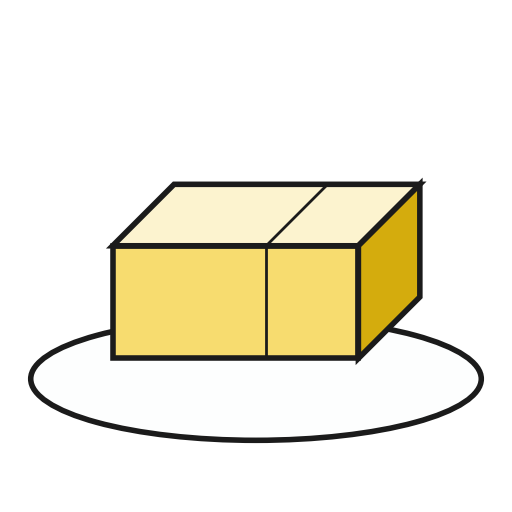 Bọ́tà500 g
 Àwọn ìdìlé yìnyín500 g
Àwọn irinṣẹ́ tí a nílò:
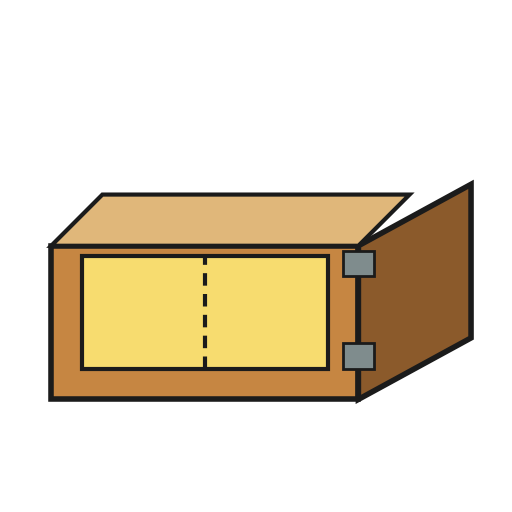 Àpótí ìmọ bọ́tà
 Ayùn Ọwọ́
 Ẹ̀rọ Ìlùkòkò Aláìlókùn
 Òṣùwọ̀n Díjítà Ilé Ìdáná
 Ìgò ìwọ̀n
 Ohun ìhá orí tábìlì
 Ìṣètò ṣíbí igi
 Ìdíwọ̀n
5
5
A roll that comes out light, torn or stuck
A roll that comes out light, torn or stuck
Butter-mould troubleshooting.
Flow
Loading...
6
6
History and honest limits
History and honest limits
**Anthony J. Derrick** of Sheridan, Douglas County, Nevada, signed his specification on 4 April 1871. US 121,496 is dated 5 December 1871 and antedated 18 November 1871. He shows a hand-press for packing and a scraper for the top.
**Honest limits.** Butter's density changes with temperature, water content and how it is packed. The densities in the notebook are examples, and the stick figure is a sales convention, not a measurement. Your own packed-jug weighing is the measurement.
Àwọn ohun-èlò
7- 1 ẹyọÀyè
- 2 ẹyọÀyè
- 1 ẹyọÀyè
- 12 ẹyọÀyè
- Àyè
- 500 gÀyè
- 500 gÀyè
Àwọn irinṣẹ́ tó nílò
8- Àyè
- 1 vendor sell this, none ship to you yetÀyè
- Àyè
- Àyè
Blueprint tó jọra
Àwọn blueprint wọ̀nyí pín ìmọ̀ — ọ̀nà, ohun-èlò tàbí ìlànà
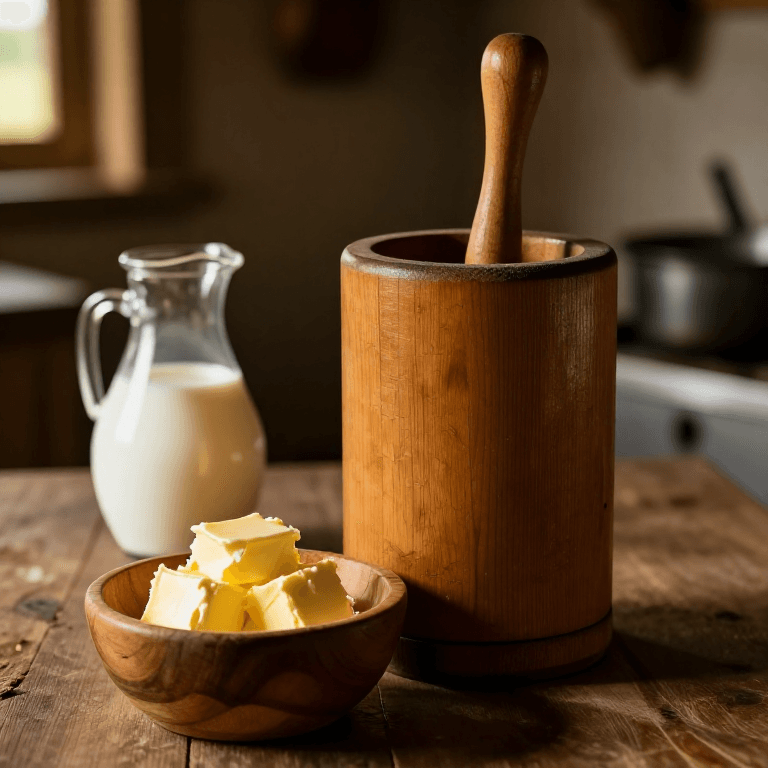

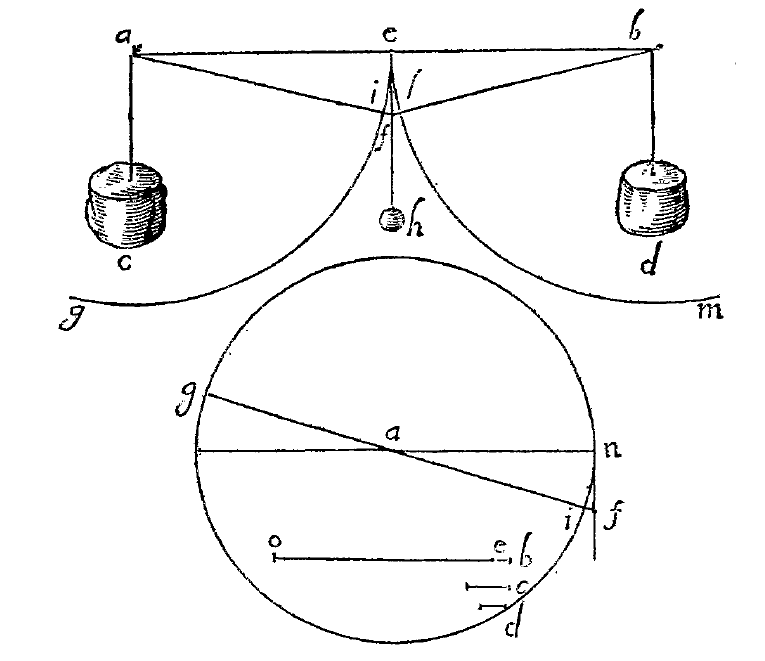


CC0 Àgbègbè Gbogbogbò
Blueprint yìí ti jáde lábẹ́ CC0. O lè ṣe àdàkọ, yí padà, pín, àti lò láìsí ìyọ̀ǹda.
Ṣàtìlẹ́yìn Olùṣẹ́dá nípa rírà àwọn ọjà nipasẹ̀ Blueprint wọn Ẹ̀san Olùṣẹ́dá tí àwọn Olùtajà gbé kalẹ̀, tàbí ṣẹ̀dá àtúnṣe tuntun ti Blueprint yìí kí o sì fi sínú Blueprint rẹ gẹ́gẹ́ bí ìsopọ̀ láti pín owó-wíwọlé.