IṢẸ́ ỌNÀ
ẸWÀ ÀTI ÌLERA
IṢẸ́ ỌWỌ́
ÀṢÀ ÀTI ÌTÀN
ÌṢERÉ
ÀYÍKÁ
OÚNJẸ ÀTI OHUN MÍMU
REVERSE ENGINEERING
SÁYẸ́ǸSÌ
ERÉ ÌDÁRAYÁ
ÌMỌ̀-Ẹ̀RỌ
ÀWỌN OHUN WÍWỌ̀
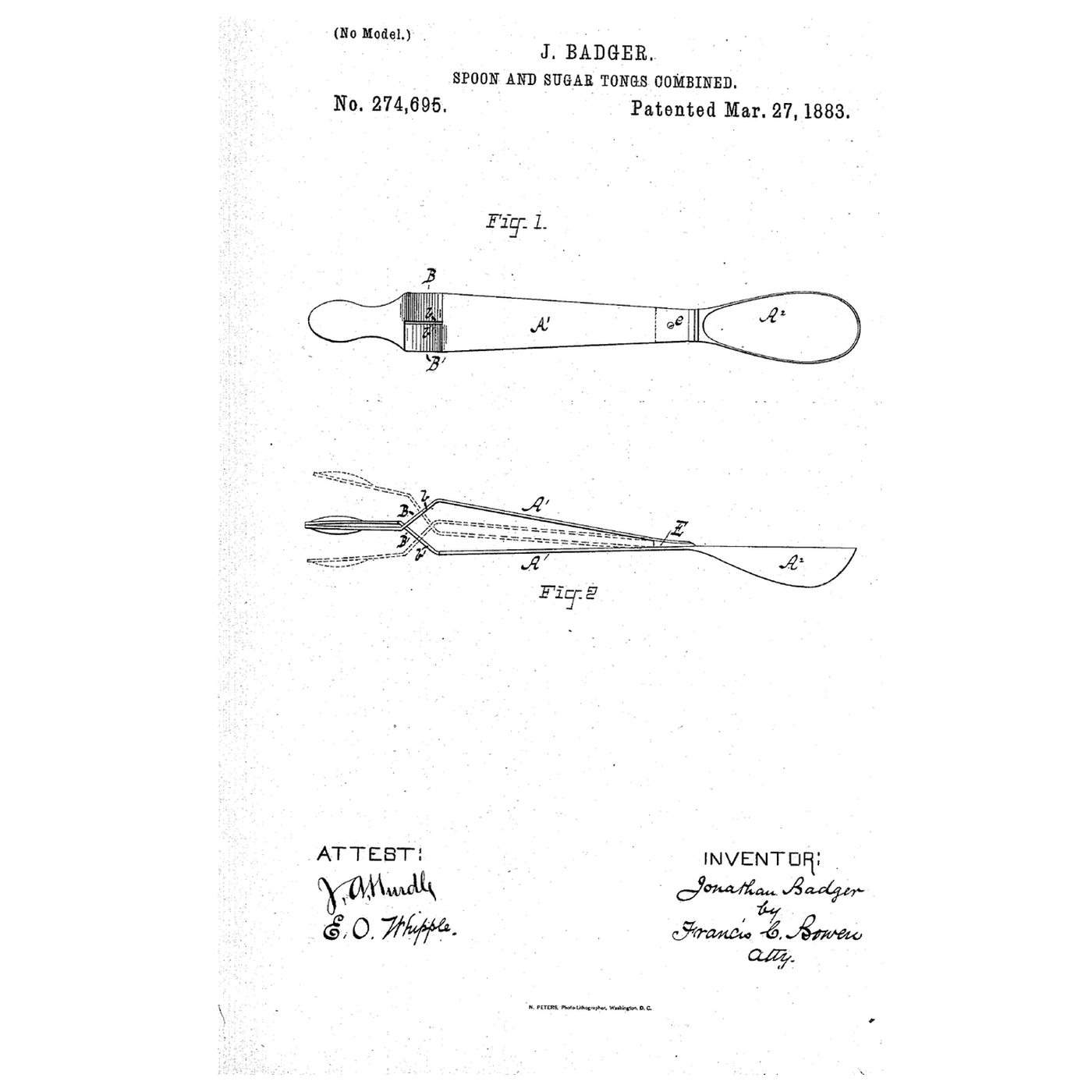
The Spoon and Sugar-Tongs: Crossed Jaws That Spring Shut
A sugar bowl on the tea table needed a spoon for loose sugar and tongs for lumps.
Jonathan Badger of New York received US 274,695, dated 27 March 1883, for a "spoon and sugar-tongs combined": two strips of unequal length riveted together, one ending in a spoon bowl, both bent at the other end into notched jaws that cross each other and spring shut, so a lump of sugar is held until the shanks are pressed.
This rung works out whether a thin steel strip grips hard enough, then makes the combined spoon and tongs from a teaspoon and a strip of stainless steel.
Olùbẹ̀rẹ̀
About 2 hours
Ìlànà
1
1
Grip against the cube's weight
Grip against the cube's weight
Ń ṣí ìwé Jupyter…
2
2
Tongs with a spring
Tongs with a spring
The embedded blueprint's tongs are held OPEN by a spring. Badger's crossed jaws are held SHUT, and open when you squeeze.
3
3
Read US 274,695
Read US 274,695
"The object of this invention is to combine in one and the same implement a spoon and a sugar-tongs, thereby producing an article of table-ware adapted to the purpose of serving either granulated sugar or lump sugar."
The spacer between the shanks is there "partly for the purpose of causing the jaws B B' to spring together when the shanks of the strips are relieved from pressure", so that they hold "a lump of sugar or cracker, as may be desired, between them, and retain it until released by a slight pressure on the shanks A A', the jaws closing automatically, due to the fact that they cross each other."
"If desired, the spoon may be omitted altogether, and the implement constructed and used as sugar-tongs alone."
4
4
Make the spoon-tongs and move sugar cubes
Make the spoon-tongs and move sugar cubes
Cut a strip of stainless steel sheet 1 cm wide and two-thirds the length of the teaspoon. File its edges smooth. Drill a hole near one end of it, and a matching hole in the spoon's handle one-third of the way from the bowl. Rivet the strip to the handle, lying along it.
Bend the free ends of the handle and the strip towards each other into jaws that cross just past their tips, and file a small notch in each so a cube sits between them. Rivet a folded scrap of steel between the two shanks, just beyond the rivet, so the shanks are pushed apart and the crossed jaws press shut. Squeeze the shanks: the jaws should open.
Move 20 sugar cubes from one bowl to another and count the drops. Scoop granulated sugar with the bowl end.
Àwọn ohun èlò fún ìgbésẹ̀ yìí:
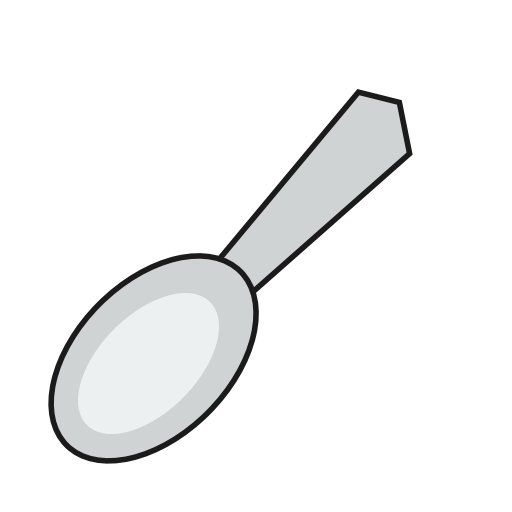 Ṣíbí tíì1 ẹyọ
 Àwo irin tí kò ń yá1 ẹyọ
 Ìṣó irin2 ẹyọ
 Ṣúgà oníkúbù20 ẹyọ
 Ṣúgà oníwẹ́wẹ́50 g
Àwọn irinṣẹ́ tí a nílò:
 Ẹ̀mú ṣúgà
 Àkójọ ìso
 Ìlàǹkàn irin
 Ẹ̀rọ Ìlùkòkò Aláìlókùn
 Àkójọ Orí Ìlùkòkò
 Ẹ̀mú imú gígùn
 Ìdìmú Tábìlì
 Ìfá Irin
 Ìdíwọ̀n
 Òòlù ìso
5
5
Tongs that drop the cube or will not open
Tongs that drop the cube or will not open
Spoon and sugar-tongs troubleshooting.
Flow
Loading...
6
6
History and honest limits
History and honest limits
**Jonathan Badger** of New York, a citizen of Great Britain, filed US 274,695 on 1 December 1882; it was patented 27 March 1883. He also claimed the tongs alone, without the spoon.
**Honest limits.** The notebook treats each shank as a straight strip clamped at the rivet and ignores the spacer's own give. Sizes, friction and the cube's mass are examples. Your count of drops is the measurement.
Àwọn ohun-èlò
5- 1 ẹyọÀyè
- 1 ẹyọÀyè
- 2 ẹyọÀyè
- 20 ẹyọÀyè
- 50 gÀyè
Blueprint tó jọra
Àwọn blueprint wọ̀nyí pín ìmọ̀ — ọ̀nà, ohun-èlò tàbí ìlànà
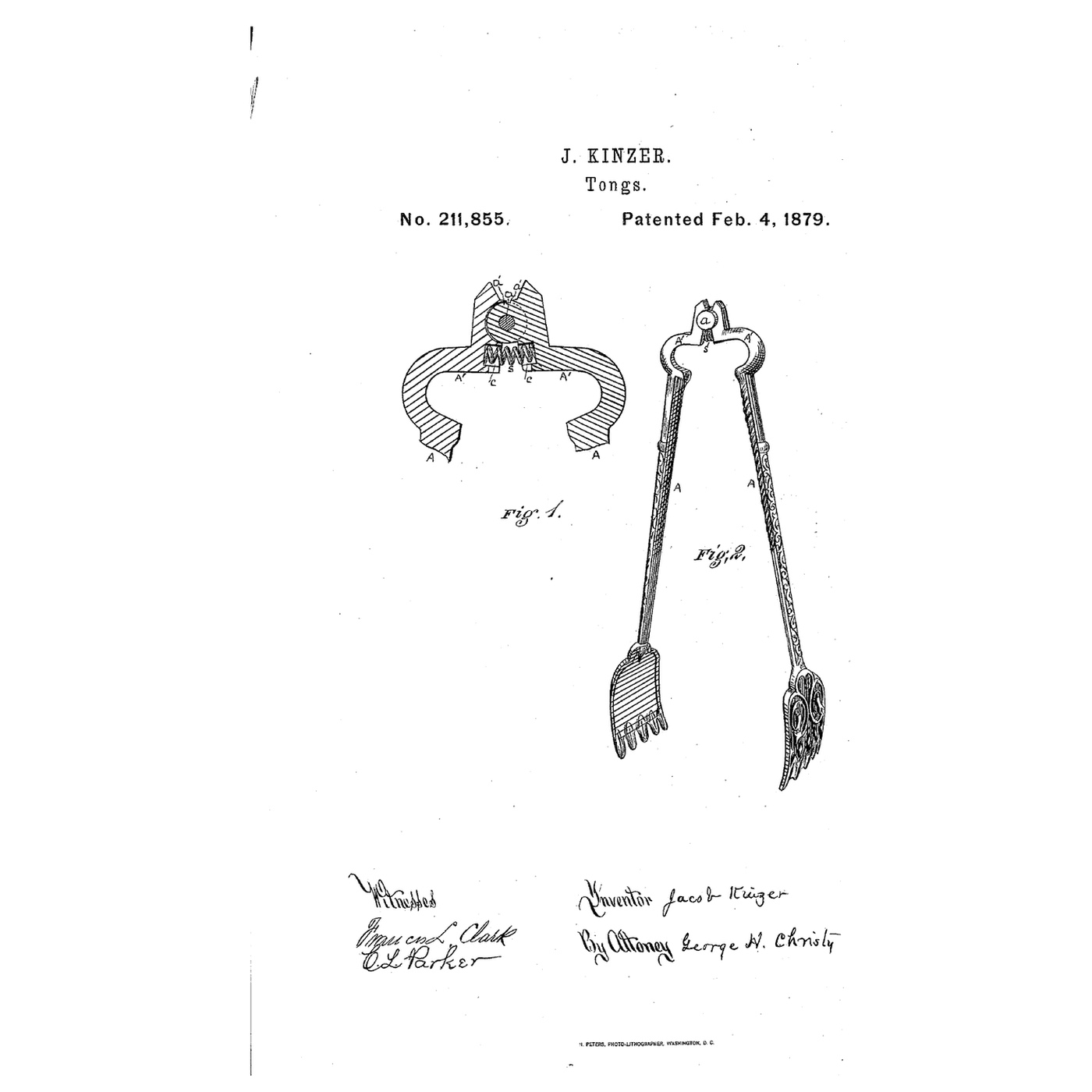
The Spring-Opened Tongs: A Hidden Coil by the Pivot
láti ọwọ́ Forge
Iṣẹ́ Irin
33
0
0
0
0
0
Casting a Pewter Spoon in a Soapstone Mould — Low-Temperature Metal Casting
láti ọwọ́ Forge
Iṣẹ́ Irin
53
0
0
0
0
0
The Leaf-Holder Teapot: Lift the Leaves Out and the Steeping Stops
láti ọwọ́ YourGrandma
OÚNJẸ ÀTI OHUN MÍMU
22
0
0
0
0
0
CC0 Àgbègbè Gbogbogbò
Blueprint yìí ti jáde lábẹ́ CC0. O lè ṣe àdàkọ, yí padà, pín, àti lò láìsí ìyọ̀ǹda.
Ṣàtìlẹ́yìn Olùṣẹ́dá nípa rírà àwọn ọjà nipasẹ̀ Blueprint wọn Ẹ̀san Olùṣẹ́dá tí àwọn Olùtajà gbé kalẹ̀, tàbí ṣẹ̀dá àtúnṣe tuntun ti Blueprint yìí kí o sì fi sínú Blueprint rẹ gẹ́gẹ́ bí ìsopọ̀ láti pín owó-wíwọlé.