IṢẸ́ ỌNÀ
ẸWÀ ÀTI ÌLERA
IṢẸ́ ỌWỌ́
ÀṢÀ ÀTI ÌTÀN
ÌṢERÉ
ÀYÍKÁ
OÚNJẸ ÀTI OHUN MÍMU
REVERSE ENGINEERING
SÁYẸ́ǸSÌ
ERÉ ÌDÁRAYÁ
ÌMỌ̀-Ẹ̀RỌ
ÀWỌN OHUN WÍWỌ̀


The Tank-Headed Self-Feeding Brush: Soap in the Tank, a Plate to Meter It
Scrubbing a floor means going back to the bucket every few strokes.
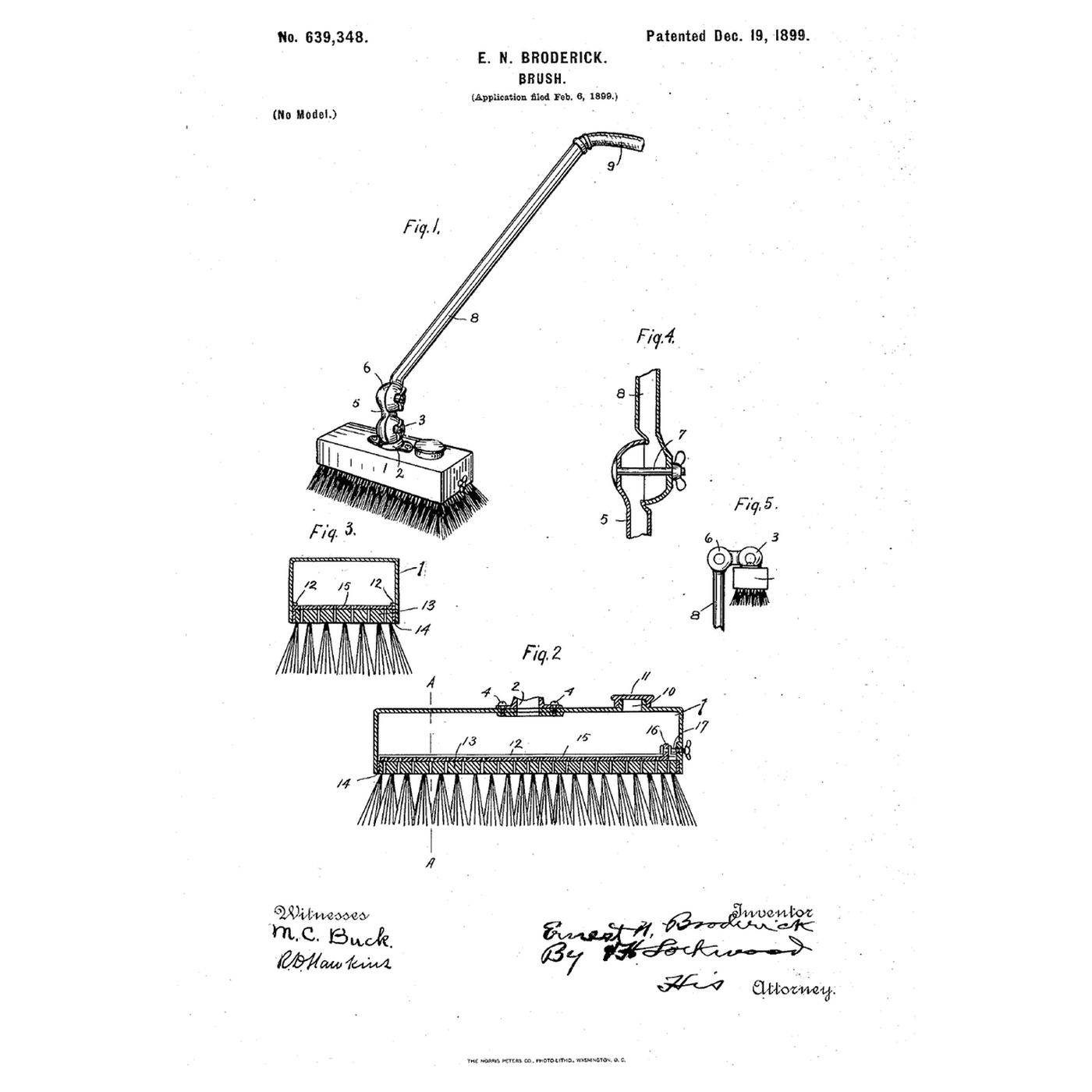
Ernest N. Broderick of Indianapolis received US 639,348, dated 19 December 1899, for a cleaning brush with a small tank on its perforated top, fed through a hollow handle from a hose; a perforated plate slid by a screw sets how far the holes open, and soap in the tank turns the water to suds — "a self-feeding brush."
This rung works out how the sliding plate opens the holes, then builds the tank on a scrub brush and measures the flow at each plate setting.
Àárín
About 4 hours
Ìlànà
1
1
Open area of the plate
Open area of the plate
Ń ṣí ìwé Jupyter…
2
2
A scrubbing brush before it
A scrubbing brush before it
The embedded blueprint holds two brush heads on a sprung holder. Broderick puts a water tank on the head and feeds it through the handle.
3
3
Read US 639,348
Read US 639,348
"When used for scrubbing, the hose can be connected to a hydrant, and thus supply the desired amount of water to the brush, making it unnecessary to dip the brush into the bucket or tub of water. In other words, my device is a self-feeding brush. Should I desire to use soapy water, I can insert through the openings 10 particles of soap or soap powder. In this way I get soapsuds, which I use in scrubbing as it is needed, keeping the brush constantly supplied."
4
4
Perforate the brush back
Perforate the brush back
Drill fourteen 4 mm holes through the scrub brush's back between the tufts, in two rows 30 mm apart.
Àwọn ohun èlò fún ìgbésẹ̀ yìí:
 Búrọ́ọ̀ṣì ìfọ̀1 ẹyọ
Àwọn irinṣẹ́ tí a nílò:
 Ìdìmú Tábìlì
 Ẹ̀rọ Ìlùkòkò Aláìlókùn
 Àkójọ Orí Ìlùkòkò
 Ààmì Tí Kò Ní Parẹ́
 Ìdíwọ̀n
 Gílásì Ààbò Tí Ó Mọ́
5
5
Make the sliding plate
Make the sliding plate
Cut an aluminium plate 10 mm shorter than the back. Drill it through the back's holes, then file its end square. Rivet two guide strips to the back's top so it slides lengthwise.
Àwọn ohun èlò fún ìgbésẹ̀ yìí:
 Àwo aluminiọ̀mù1 ẹyọ
 Àwọn pop rivet1 ẹyọ
Àwọn irinṣẹ́ tí a nílò:
 Ìlàǹkàn irinẸ̀rọ Ìlùkòkò AláìlókùnÀkójọ Orí Ìlùkòkò
 Àwọn Ìfá (Ìfá Ọwọ́)
 Ìdìpọ̀ ẹ̀rọ ìso pop rivet
6
6
Build the tank
Build the tank
Fold an aluminium box 50 mm deep to the back's size with a lid. Drill the lid for a 25 mm filling hole and a handle socket. Seal it to the back with silicone and screws.
Àwọn ohun èlò fún ìgbésẹ̀ yìí:
Àwo aluminiọ̀mù1 ẹyọÀwọn pop rivet1 ẹyọ Ìdílẹ̀ Silikoni1 ẹyọ
 Ìsúrù igi #8 x 1"1 ẹyọ
Àwọn irinṣẹ́ tí a nílò:
Ìlàǹkàn irinÌdìmú TábìlìÌdìpọ̀ ẹ̀rọ ìso pop rivetẸ̀rọ Ìlùkòkò AláìlókùnÀkójọ Orí Ìlùkòkò Ìbọ̀wọ́ Iṣẹ́ Awọ
7
7
Fit the adjusting screw
Fit the adjusting screw
Run an M4 screw through a nut epoxied on the tank's end wall so its tip pushes the plate. Turn it to close or open the holes.
Àwọn ohun èlò fún ìgbésẹ̀ yìí:
 Skurú ẹ̀rọ1 ẹyọ
 Nọ́ọ̀tì Onígun Mẹ́fà1 ẹyọ
 Ẹpọ́ksì Ẹ̀yà Méjì1 ẹyọ
Àwọn irinṣẹ́ tí a nílò:
Ẹ̀rọ Ìlùkòkò AláìlókùnÀkójọ Orí Ìlùkòkò Ìṣù àwọn ohun ìyí skurú
8
8
Fit the handle
Fit the handle
Fix 1.2 m of 15 mm copper tube in the socket with brass fittings. Fit a ball valve and hose connector at its top.
Àwọn ohun èlò fún ìgbésẹ̀ yìí:
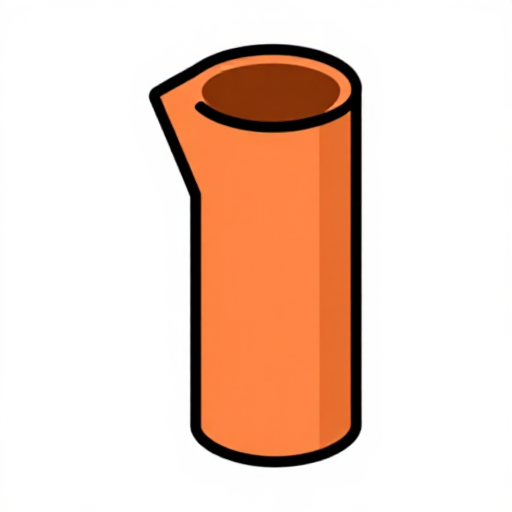 Ọ̀pá bàbà1 ẹyọ
 Ohun ìsopọ̀ idẹ1 ẹyọ
 Fáàlù bọ́ọ̀lù1 ẹyọ
 Okùn PTFE ìdí ìṣàn1 ẹyọ
Àwọn irinṣẹ́ tí a nílò:
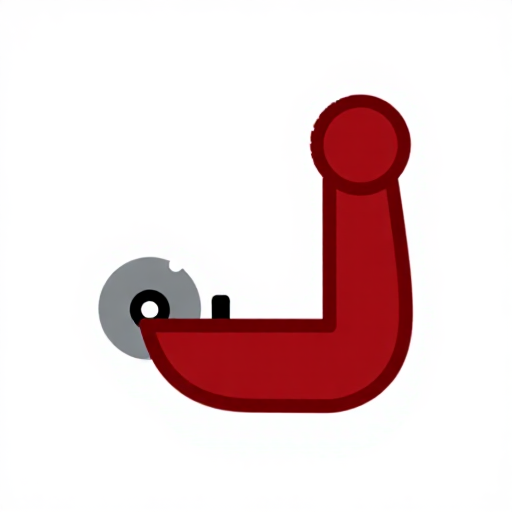 Ohun èlò ìgé òpó
 Kọ́kọ́rọ́ tí a lè ṣàtúnṣe
9
9
The patent drawing
The patent drawing
US 639,348 drawing sheet, public domain (expired patent).
10
10
Measure the flow at each setting
Measure the flow at each setting
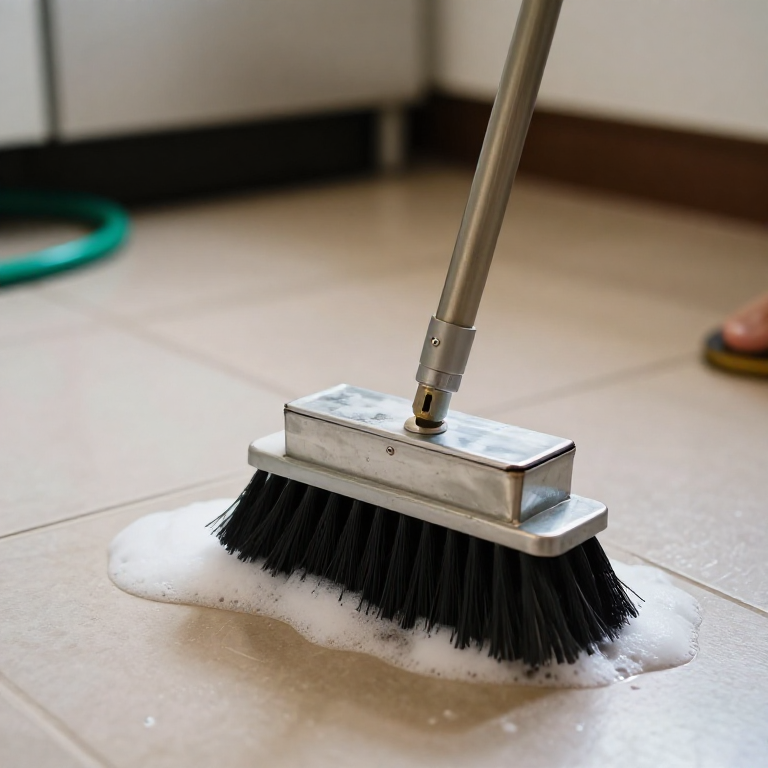
Connect the garden hose. Set the plate fully open, half and nearly shut, and catch the water for 30 s each in the jug. Then add a squirt of soap through the filling hole and scrub.
Àwọn ohun èlò fún ìgbésẹ̀ yìí:
 Òpó omi ọgbà1 ẹyọ
 Omi1 ẹyọ
 Ọṣẹ Castile (olómi)1 ẹyọ
Àwọn irinṣẹ́ tí a nílò:
 Ìgò ìwọ̀n
 Aago Ìdúró
 Òṣùwọ̀n Kálípà Díjítà Ìnṣì 6
11
11
A brush that floods, starves or leaks
A brush that floods, starves or leaks
Tank-headed self-feeding brush troubleshooting.
Flow
Loading...
12
12
History and honest limits
History and honest limits
**Ernest N. Broderick** of Indianapolis filed US 639,348 on 6 February 1899; it is dated 19 December 1899. Rubber or leather strips seal the tank to the brush-top. Two hollow adjustable joints, ground to fit and clamped by a bolt, let the handle be set at any angle, for floors, walls, windows or dusting high furniture; with compressed air instead of water it blows dust away, and a mop or duster may replace the brush.
**Honest limits.** Our handle is fixed; his joints are not built here. The notebook gives open area, not flow through a real hole. Your flows are the result.
Àwọn ohun-èlò
15- 1 ẹyọÀyè
- 1 ẹyọÀyè
- 2 ẹyọÀyè
- 1 ẹyọÀyè
- 1 ẹyọÀyè
- 1 ẹyọÀyè
- 1 ẹyọÀyè
- 1 ẹyọÀyè
- 1 ẹyọÀyè
- 1 ẹyọÀyè
- 1 ẹyọÀyè
- 1 ẹyọÀyè
- Òpó omi ọgbàìdá 10%1 ẹyọÀyè
- 1 ẹyọÀyè
- 1 ẹyọÀyè
Àwọn irinṣẹ́ tó nílò
16- Àyè
- 1 vendor sell this, none ship to you yetÀyè
- Àyè
- Àyè
- Àyè
- Àyè
Blueprint tó jọra
Àwọn blueprint wọ̀nyí pín ìmọ̀ — ọ̀nà, ohun-èlò tàbí ìlànà



CC0 Àgbègbè Gbogbogbò
Blueprint yìí ti jáde lábẹ́ CC0. O lè ṣe àdàkọ, yí padà, pín, àti lò láìsí ìyọ̀ǹda.
Ṣàtìlẹ́yìn Olùṣẹ́dá nípa rírà àwọn ọjà nipasẹ̀ Blueprint wọn Ẹ̀san Olùṣẹ́dá tí àwọn Olùtajà gbé kalẹ̀, tàbí ṣẹ̀dá àtúnṣe tuntun ti Blueprint yìí kí o sì fi sínú Blueprint rẹ gẹ́gẹ́ bí ìsopọ̀ láti pín owó-wíwọlé.