IṢẸ́ ỌNÀ
ẸWÀ ÀTI ÌLERA
IṢẸ́ ỌWỌ́
ÀṢÀ ÀTI ÌTÀN
ÌṢERÉ
ÀYÍKÁ
OÚNJẸ ÀTI OHUN MÍMU
REVERSE ENGINEERING
SÁYẸ́ǸSÌ
ERÉ ÌDÁRAYÁ
ÌMỌ̀-Ẹ̀RỌ
ÀWỌN OHUN WÍWỌ̀
Youblob (generated from this blueprint's notebook) · CC0
The Thermal Overload Relay: A Bimetal That Heats Like the Motor
A motor can be overloaded in two very different ways: a short circuit, which a fuse or breaker must clear at once, and a steady overload or a stalled rotor, which cooks the windings over seconds or minutes. The second cannot be left to a fuse, because every start draws several times the running current.
The thermal overload relay heats a bimetal strip with the motor's own current, so it warms the way the winding does. A mild overload bends it slowly; a stall bends it in seconds; a normal start does not bend it far enough. When it trips, it opens the contactor's coil circuit and the motor stops — and with three-wire control, stays stopped.
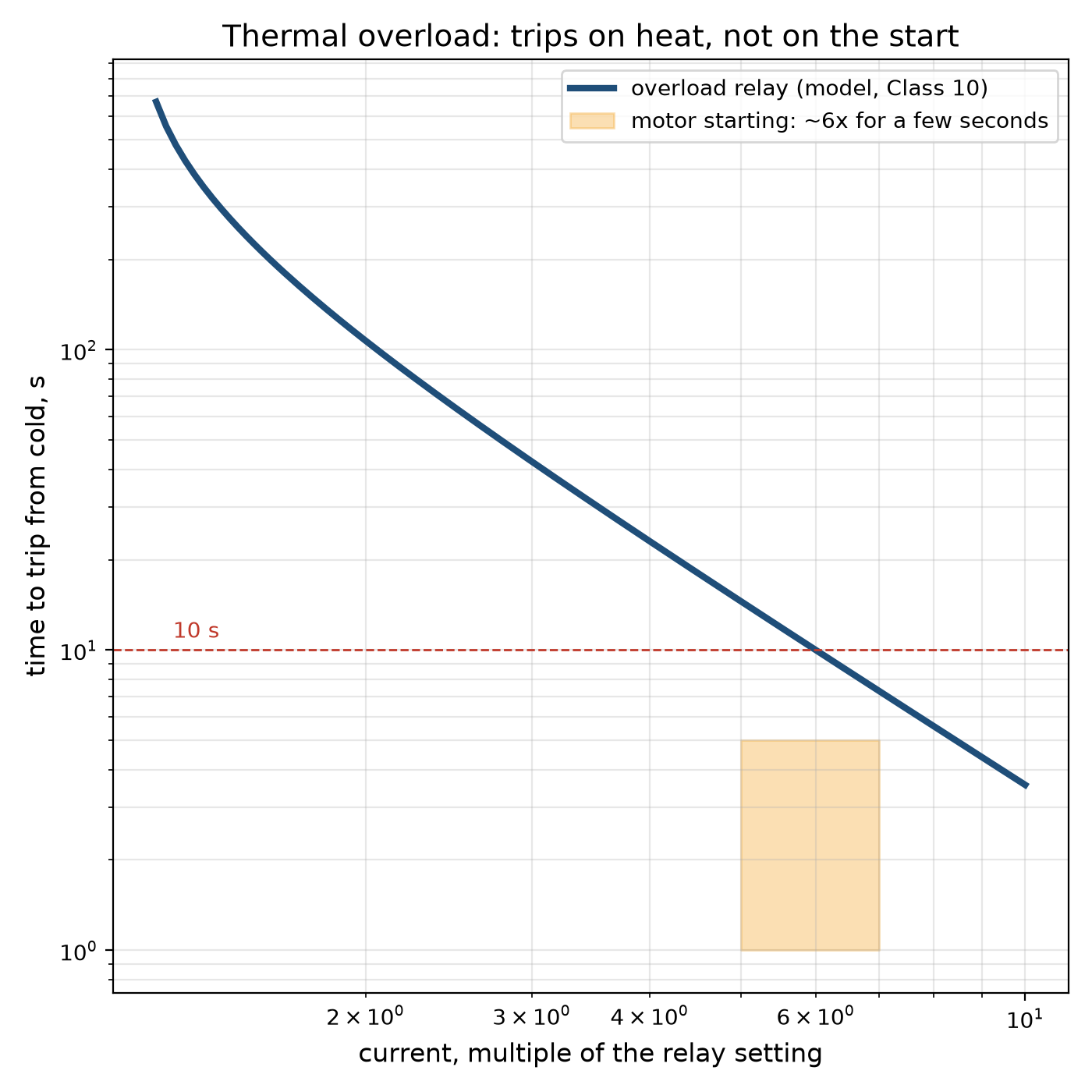
This rung models the trip time against current, shows why it rides through a start, and builds a bimetal trip heated by a nichrome coil.
Àárín
About 3 hours
Ìlànà
1
1
Trip time against current
Trip time against current
Ń ṣí ìwé Jupyter…
2
2
How a bimetal bends
How a bimetal bends
The overload relay's element is a bimetallic strip. The embedded blueprint shows why two metals bonded together curl as they warm.
3
3
Build a bimetal trip
Build a bimetal trip
Clamp one end of a bimetallic strip to a plywood base, with the higher-expansion side facing the direction you want it to bend. Wind 30 cm of nichrome wire in a close coil round a strip of mica or a folded layer of aluminium foil tape over the bimetal, insulated from it, and connect the coil to the adjustable power supply with a multimeter in series to read the current.
Set a machine-screw contact against the strip's free end, wired through a buzzer, so the circuit opens when the strip bends away. Adjust the screw until the strip just touches it cold.
Àwọn ohun èlò fún ìgbésẹ̀ yìí:
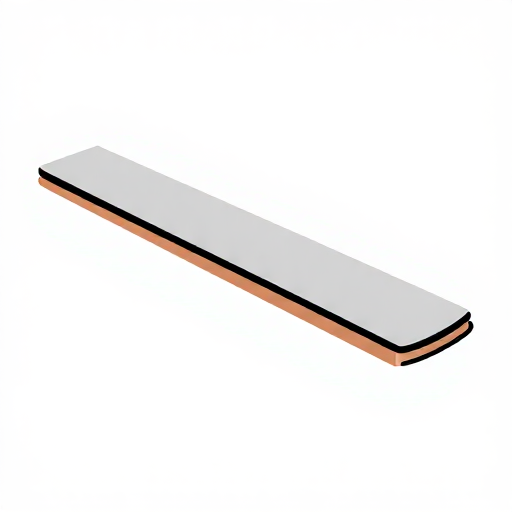 Ìlà irin méjì1 ẹyọ
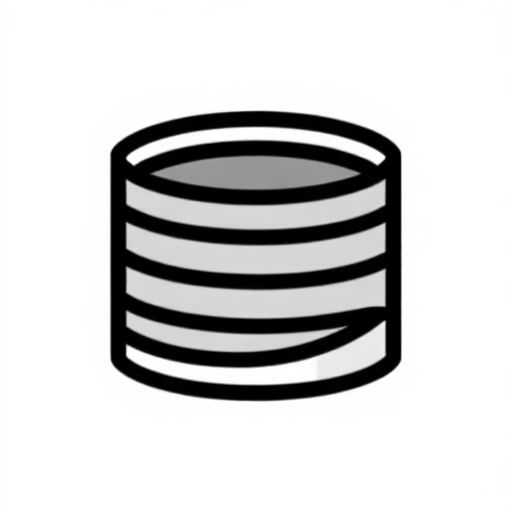 Okun waya nichrome1 ẹyọ
 Àwo igi tí a lẹ̀ pọ̀1 ẹyọ
 Skurú ẹ̀rọ3 ẹyọ
 Agogo piezo1 ẹyọ
 Okùn Ìsopọ̀1 ẹyọÌlà irin méjì1 ẹyọ
Àwọn irinṣẹ́ tí a nílò:
 Orísun iná DC
 Òǹwọ̀n iná mànàmáná onírúurú
 Aago Ìdúró
 Ìdìmú Tábìlì
 Òǹwọ̀n ooru ilé ìdáná
4
4
Measure its trip curve
Measure its trip curve
Starting cold each time, set a current and time how long until the buzzer stops. Begin low and step up. Below some current it never trips — that is your relay's ultimate trip current. Above it the time falls, steeply at first.
Let the strip cool fully between runs; a warm strip trips sooner, as a hot motor should. Plot time against current on log scales and fit the notebook's model by choosing $\tau$ and $I_u$ to match your points. Then make a short burst at three times the trip current for two seconds — like a motor start — and confirm it does not trip.
Àwọn ohun èlò fún ìgbésẹ̀ yìí:
 Bébà Àwòrán1 ẹyọ
Àwọn irinṣẹ́ tí a nílò:
Aago ÌdúróÒǹwọ̀n iná mànàmáná onírúurúOrísun iná DC5
5
An overload relay that trips, or should have
An overload relay that trips, or should have
Motor overload faults.
Flow
Loading...
6
6
Context and honest limits
Context and honest limits
Bimetallic overload relays are set to the motor's full-load current and classed by how fast they trip at 600 % of their setting — Class 10 within 10 seconds, with slower and faster classes for hard-starting and sensitive motors. Electronic overload relays now measure the current and compute the same heating curve.
**Honest limits.** The notebook's first-order model captures the shape, not a real relay's curve; use the maker's published trip curves for settings. Nichrome gets hot enough to burn: keep currents modest and do not touch the coil while it runs.
Àwọn ohun-èlò
7- 2 ẹyọÀyè
- 1 ẹyọÀyè
- 1 ẹyọÀyè
- 3 ẹyọÀyè
- 1 ẹyọÀyè
- Àyè
- 1 ẹyọÀyè
Àwọn irinṣẹ́ tó nílò
5- Àyè
- Àyè
Ìtọ́nisọ́nà yìí ń ṣe
Blueprint tó jọra
Àwọn blueprint wọ̀nyí pín ìmọ̀ — ọ̀nà, ohun-èlò tàbí ìlànà
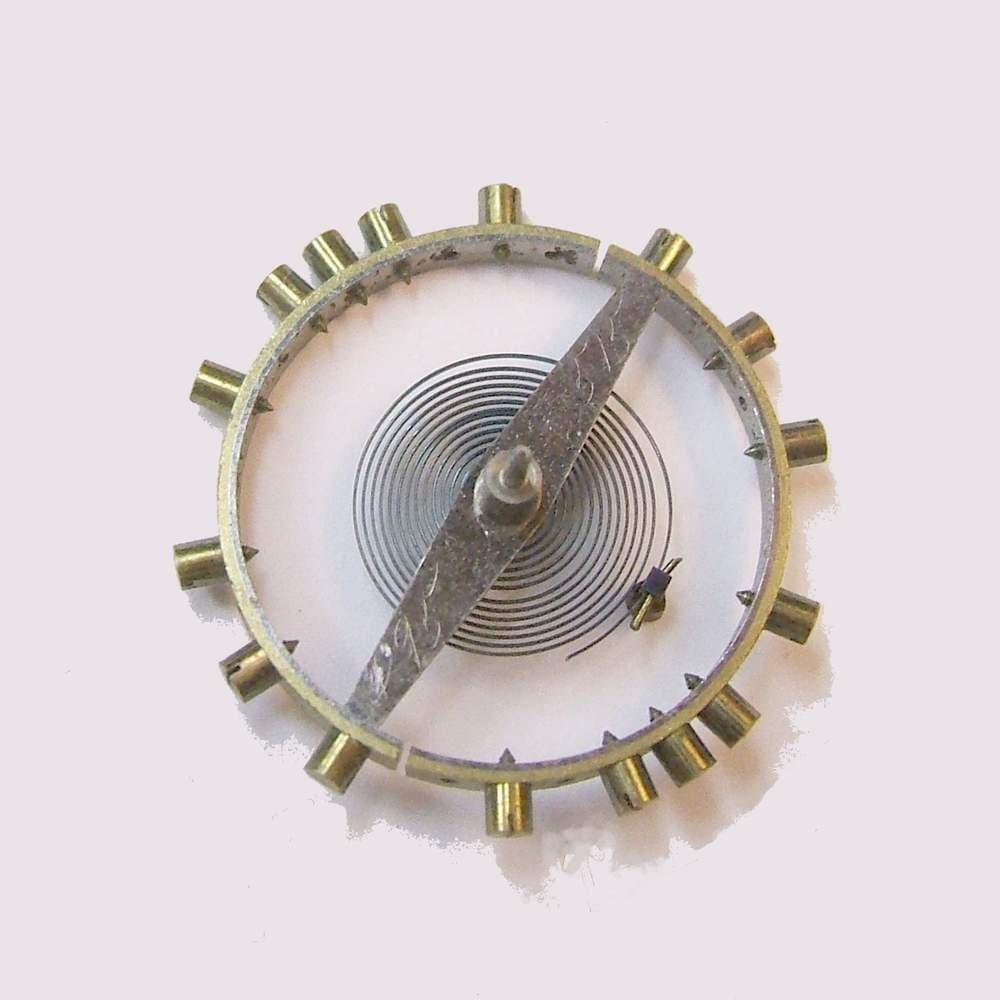
The Bimetallic Compensation Balance
láti ọwọ́ Forge
Iṣẹ́ Irin
49
0
0
0
1
0
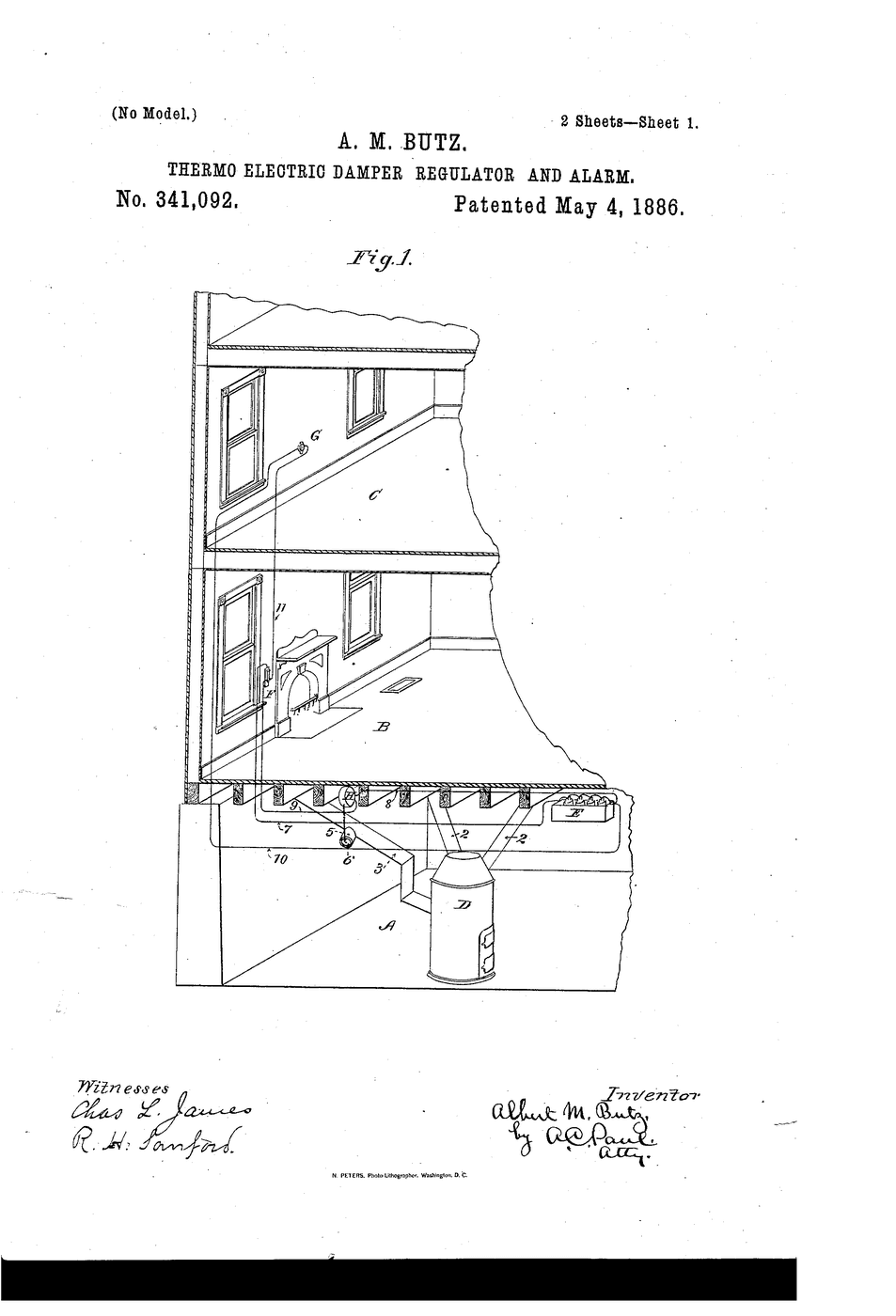
Butz Thermostat
láti ọwọ́ Ed
Ẹ̀rọ Ìtanná
45
0
0
0
0
0
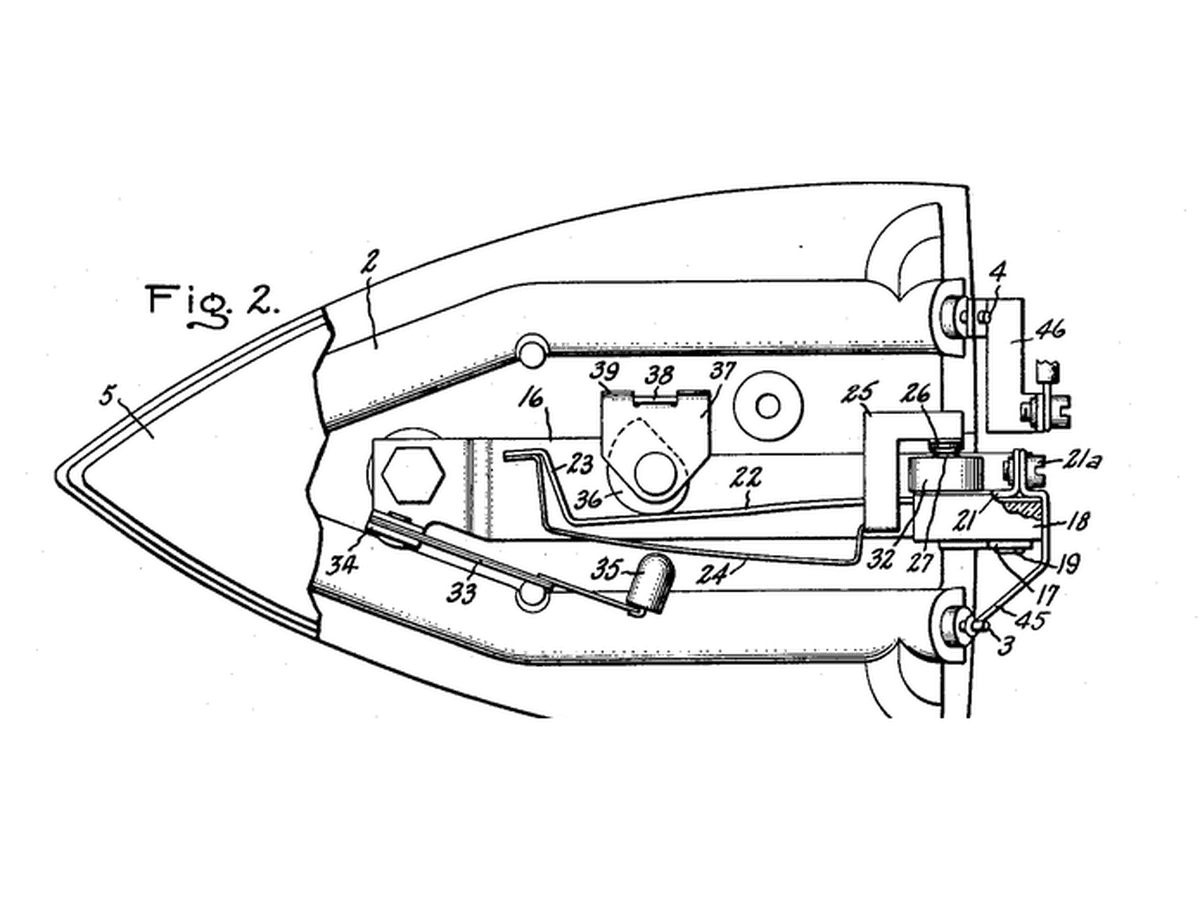
Thermostatic Electric Iron
láti ọwọ́ Volt
Ẹ̀rọ Ìtanná
45
0
0
0
0
0
The Fuse Protects the Wire, Not the Thing You Plugged In
láti ọwọ́ Volt
ÌMỌ̀-Ẹ̀RỌ
42
0
0
0
0
0
Tesla Induction Motor
láti ọwọ́ Volt
ÌMỌ̀-Ẹ̀RỌ
58
0
0
0
0
0

Ohm's Law at the Bench: Picking the Resistor That Saves the LED
láti ọwọ́ Volt
Ẹ̀rọ Ìtanná
44
0
0
0
0
0
CC0 Àgbègbè Gbogbogbò
Blueprint yìí ti jáde lábẹ́ CC0. O lè ṣe àdàkọ, yí padà, pín, àti lò láìsí ìyọ̀ǹda.
Ṣàtìlẹ́yìn Olùṣẹ́dá nípa rírà àwọn ọjà nipasẹ̀ Blueprint wọn Ẹ̀san Olùṣẹ́dá tí àwọn Olùtajà gbé kalẹ̀, tàbí ṣẹ̀dá àtúnṣe tuntun ti Blueprint yìí kí o sì fi sínú Blueprint rẹ gẹ́gẹ́ bí ìsopọ̀ láti pín owó-wíwọlé.