IṢẸ́ ỌNÀ
ẸWÀ ÀTI ÌLERA
IṢẸ́ ỌWỌ́
ÀṢÀ ÀTI ÌTÀN
ÌṢERÉ
ÀYÍKÁ
OÚNJẸ ÀTI OHUN MÍMU
REVERSE ENGINEERING
SÁYẸ́ǸSÌ
ERÉ ÌDÁRAYÁ
ÌMỌ̀-Ẹ̀RỌ
ÀWỌN OHUN WÍWỌ̀


Thompson (Nlaka'pamux) Snowshoes: One-Piece Maple or Yew Frames Steamed in Pairs, Netted with Twisted Raw Deer-Hide (Teit, 1900)
Snowshoes of the Thompson (Nlaka'pamux) people, from James Teit: each frame a single rod of mountain maple or yew, the two frames tied together and their points spread with a short stick so they steam into a matching pair with turned-up toes, then netted with fine, slightly twisted strings of raw deer-hide. Rounded, wide-meshed shoes for steep mountains and wet snow.
Àárín
Two or three days
Ìlànà
1
1
Read Teit
Read Teit
"The frame is made of one piece of mountain-maple or yew wood, and the network is of raw deer-hide cut into fine strings and slightly twisted."
2
2
Shape two frame rods
Shape two frame rods
For each shoe take one rod of mountain maple or yew and shave it even (ours: about 2.5 m long and 2.5 cm thick for a rounded shoe of roughly 90 x 40 cm).
Àwọn ohun èlò fún ìgbésẹ̀ yìí:
 Ọ̀pá igi tútù1 ẹyọ
Àwọn irinṣẹ́ tí a nílò:
 Ọ̀bẹ
 Ọ̀bẹ Ìfàsẹ́yìn
3
3
Bend and steam as a pair
Bend and steam as a pair
Bend each rod into the frame shape, tie the two frames together and push a short stick between their points to spread them, so the toes turn up. Steam them in that position until they keep the shape. Ours: over a kettle of boiling water under a cover, then let them dry tied.
Àwọn ohun èlò fún ìgbésẹ̀ yìí:
 Okùn1 ẹyọ
 Omi1 ẹyọ
Àwọn irinṣẹ́ tí a nílò:
 Kẹ́tù Irin
 Ihò ináỌ̀bẹ
4
4
Cut and twist the netting
Cut and twist the netting
Cut raw deer-hide into fine strings and twist them slightly. Ours: soak them so they shrink tight as they dry.
Àwọn ohun èlò fún ìgbésẹ̀ yìí:
 Ege awọ àìṣe1 ẹyọOmi1 ẹyọ
Àwọn irinṣẹ́ tí a nílò:
Ọ̀bẹ5
5
Net the shoe
Net the shoe
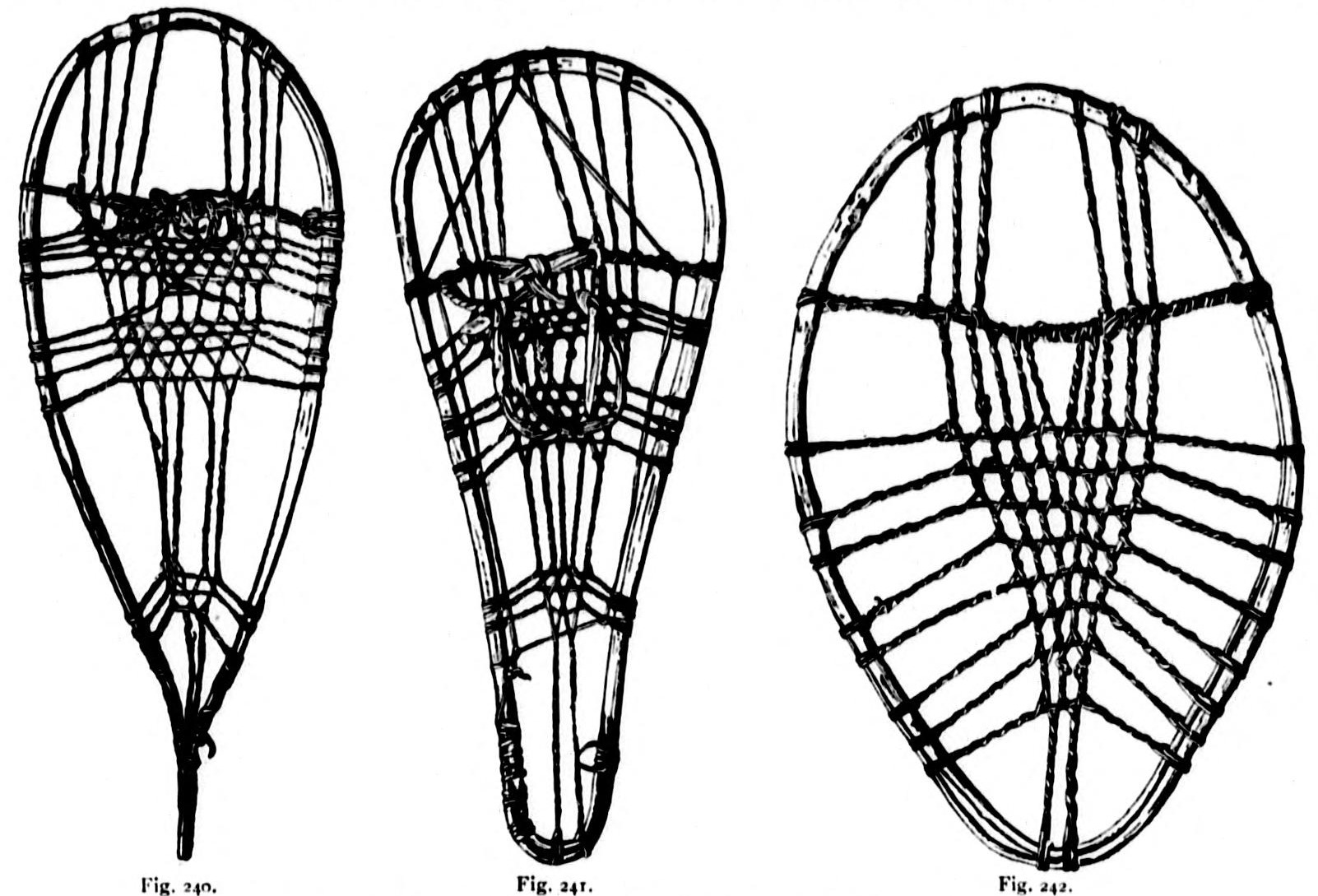
Lash in cross-bars and net the frame. The Lower Thompsons used rounded frames with rather wide meshes, good on steep slopes and in moist snow; the upper bands made them longer and netted them more closely. Ours: follow the ordinary snowshoe, Fig. 242.
Àwọn ohun èlò fún ìgbésẹ̀ yìí:
Ege awọ àìṣe1 ẹyọÀwọn irinṣẹ́ tí a nílò:
 Ọ̀kọ̀ ÌlùhòỌ̀bẹ
6
6
Troubleshooting
Troubleshooting
Snowshoe troubleshooting.
Flow
Loading...
7
7
History and honest limits
History and honest limits
From James Teit, *The Thompson Indians of British Columbia*, **Memoirs of the American Museum of Natural History, Jesup North Pacific Expedition** vol. I part IV (1900), pp. 256-257 and Figs. 239-242 (checked on the archive.org scan cihm_16242). He names six netting forms, among them the 'owl sole' and 'magpie sole', and a Shuswap type four to five feet long and pointed at both ends. Sizes, the steaming setup and the netting order are ours.
Ìtọ́nisọ́nà yìí ń ṣe
Blueprint tó jọra
Àwọn blueprint wọ̀nyí pín ìmọ̀ — ọ̀nà, ohun-èlò tàbí ìlànà
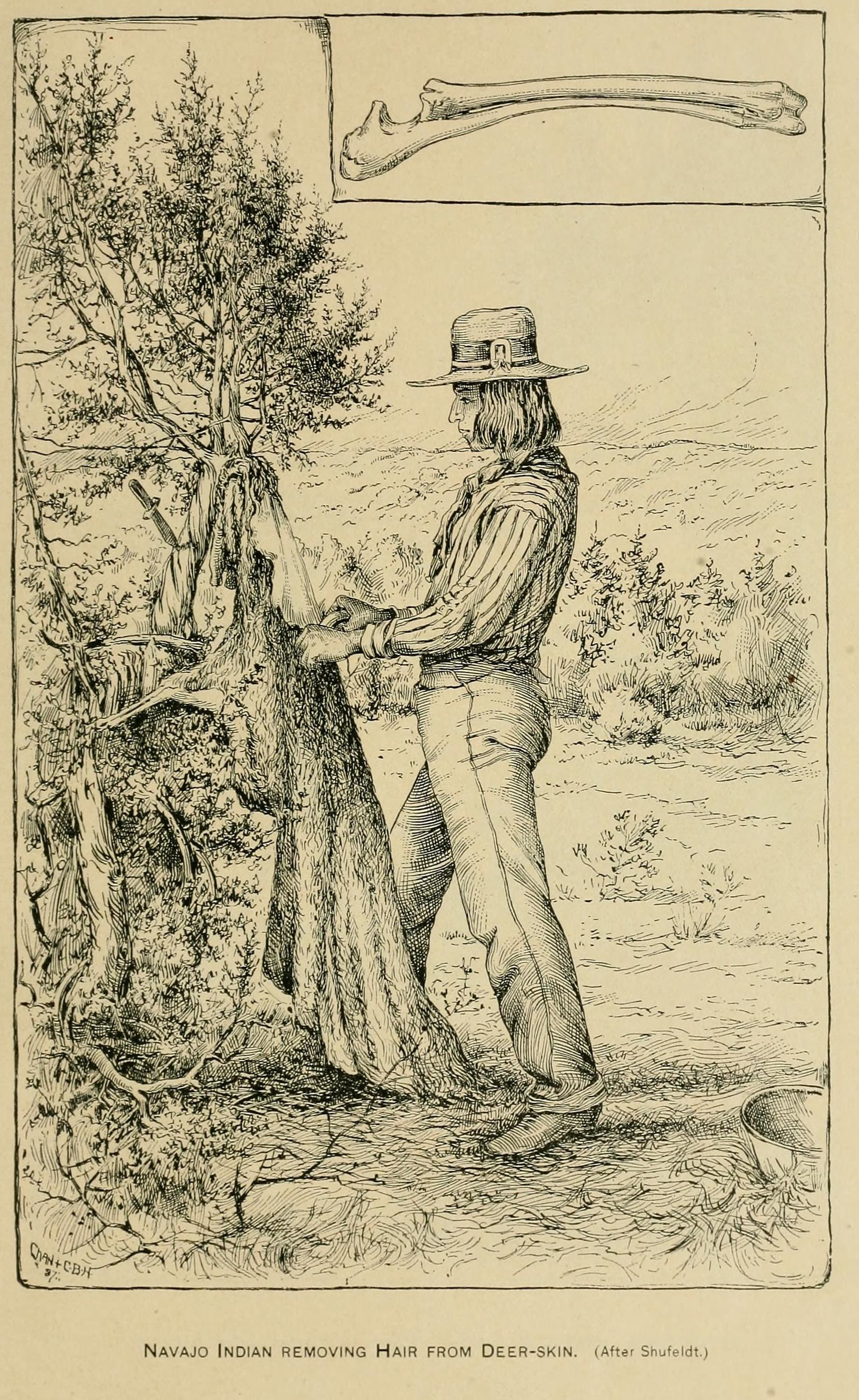
Navajo Buckskin: Hair Shaved with the Deer's Own Foreleg Bone, Brains Rubbed In, Wrung on a Tree, Worked Dry over the Feet (Shufeldt, 1888)
láti ọwọ́ Tex
Aṣọ àti Awọ
6
0
0
0
0
0
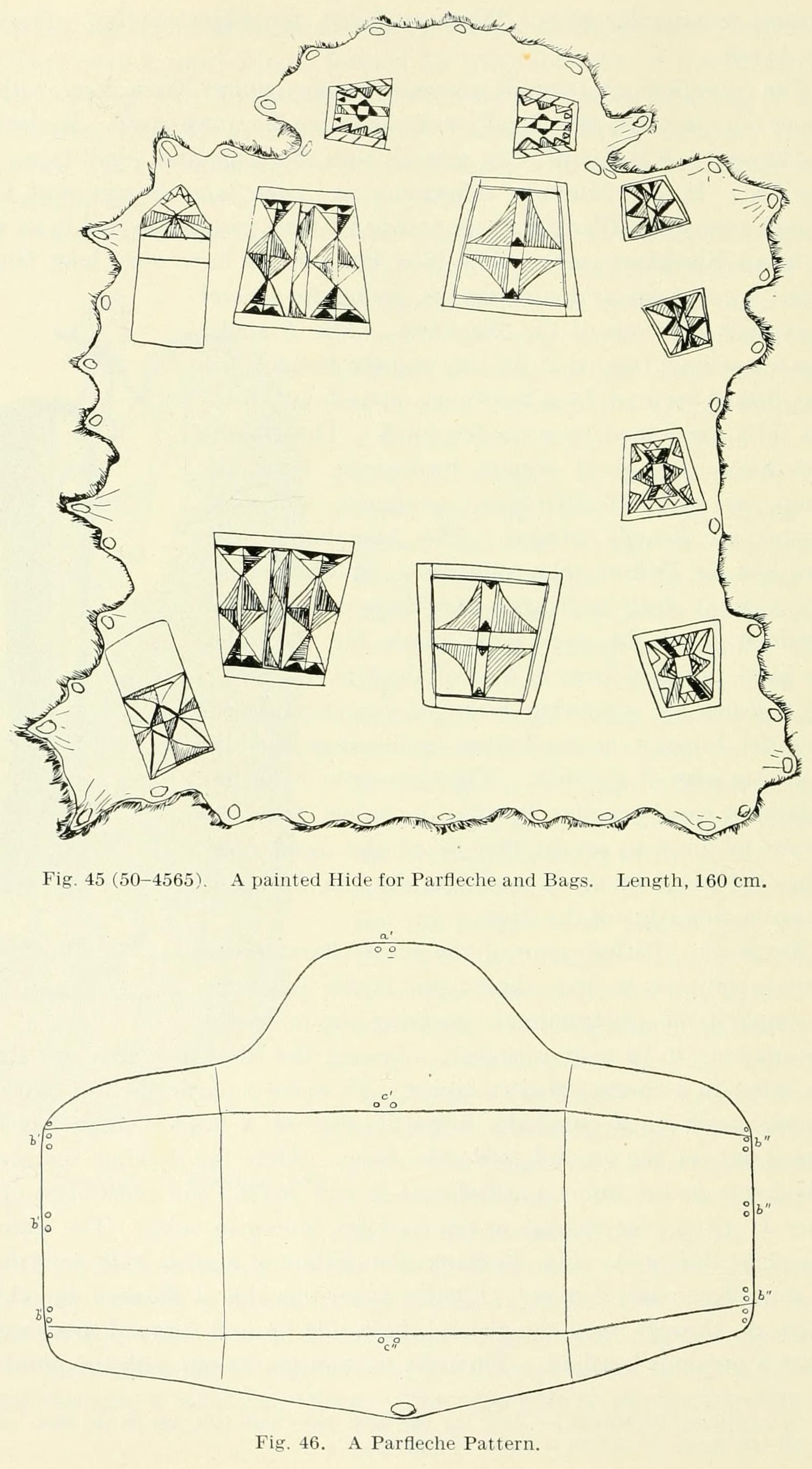
Blackfoot Parfleche: Rawhide Pegged Out, Fleshed, Painted While Staked, Scraped Even, Cut and Folded Like an Envelope (Wissler, 1910)
láti ọwọ́ Tex
Aṣọ àti Awọ
7
0
0
0
0
0
CC0 Àgbègbè Gbogbogbò
Blueprint yìí ti jáde lábẹ́ CC0. O lè ṣe àdàkọ, yí padà, pín, àti lò láìsí ìyọ̀ǹda.
Ṣàtìlẹ́yìn Olùṣẹ́dá nípa rírà àwọn ọjà nipasẹ̀ Blueprint wọn Ẹ̀san Olùṣẹ́dá tí àwọn Olùtajà gbé kalẹ̀, tàbí ṣẹ̀dá àtúnṣe tuntun ti Blueprint yìí kí o sì fi sínú Blueprint rẹ gẹ́gẹ́ bí ìsopọ̀ láti pín owó-wíwọlé.