IṢẸ́ ỌNÀ
ẸWÀ ÀTI ÌLERA
IṢẸ́ ỌWỌ́
ÀṢÀ ÀTI ÌTÀN
ÌṢERÉ
ÀYÍKÁ
OÚNJẸ ÀTI OHUN MÍMU
REVERSE ENGINEERING
SÁYẸ́ǸSÌ
ERÉ ÌDÁRAYÁ
ÌMỌ̀-Ẹ̀RỌ
ÀWỌN OHUN WÍWỌ̀
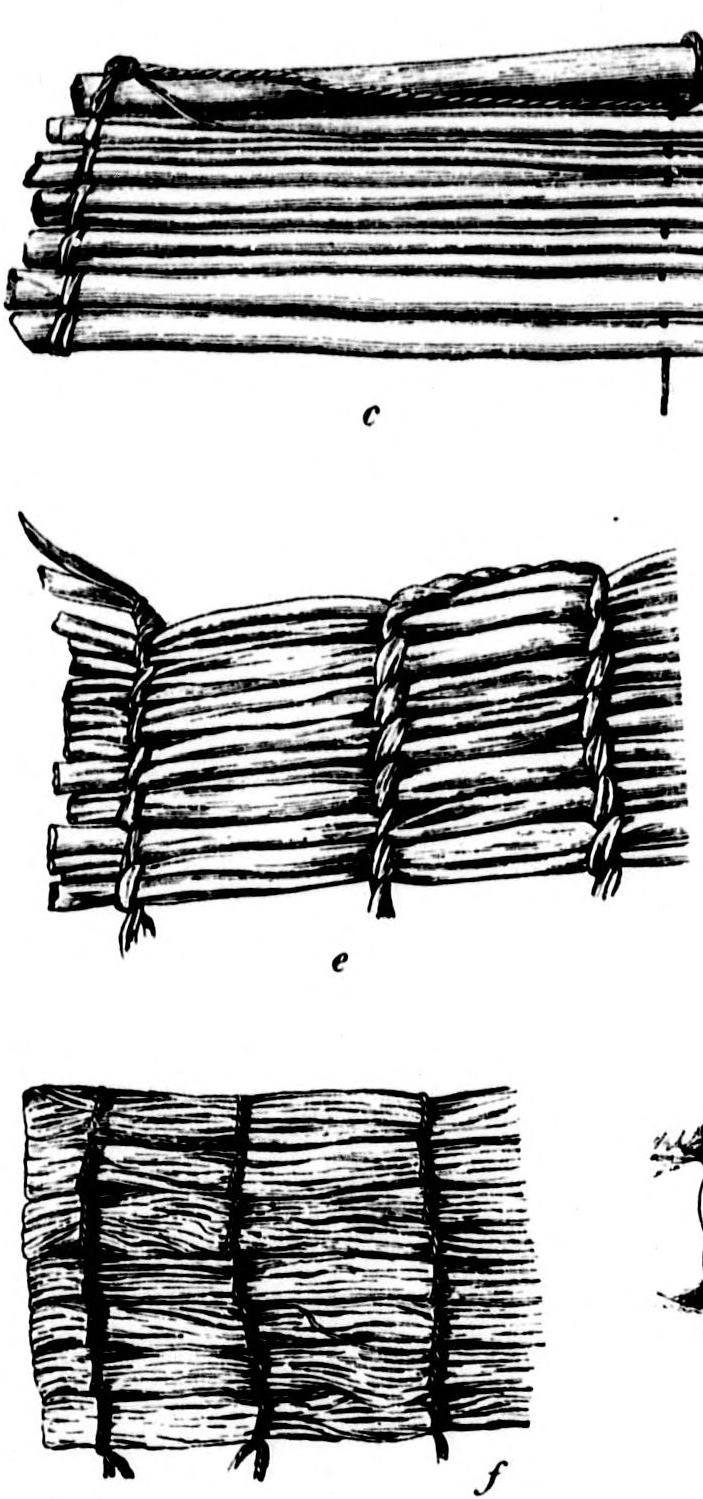


Thompson (Nlaka'pamux) Tule Mat: Dogbane Fibre Cleaned on a Board Edge, Thigh-Spun, Reeds Strung Across (Teit, 1900)
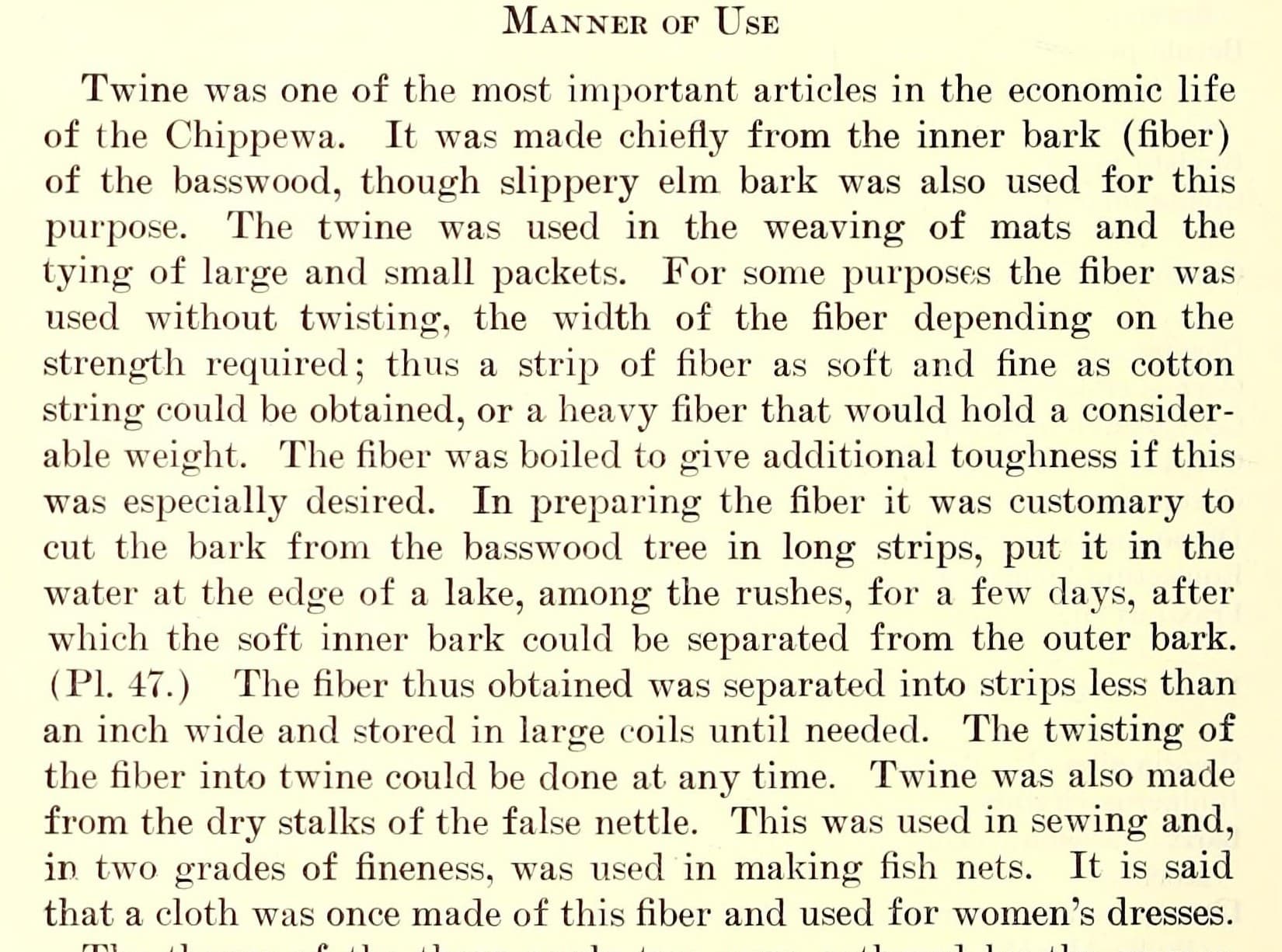
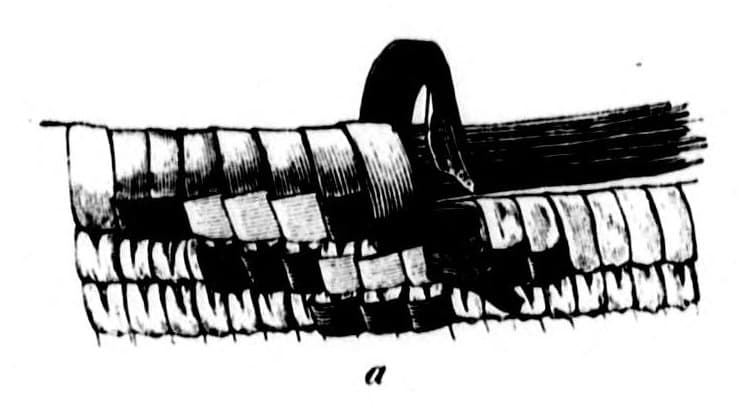
The Thompson (Nlaka'pamux) tent and floor mat as James Teit recorded it: Indian-hemp (dogbane) bark fibre cleaned by pulling it over a sharp board edge and rolled on the thigh into two-ply twine, then long tule stems strung side by side on the twine and held by more twine passed round them near their ends, with a stick across the end.
Olùbẹ̀rẹ̀
A day
Ìlànà
1
1
Read Teit
Read Teit
"The reeds are strung on bark strings, and held in place by other bark strings which pass around them near their ends."
2
2
Clean the fibre
Clean the fibre
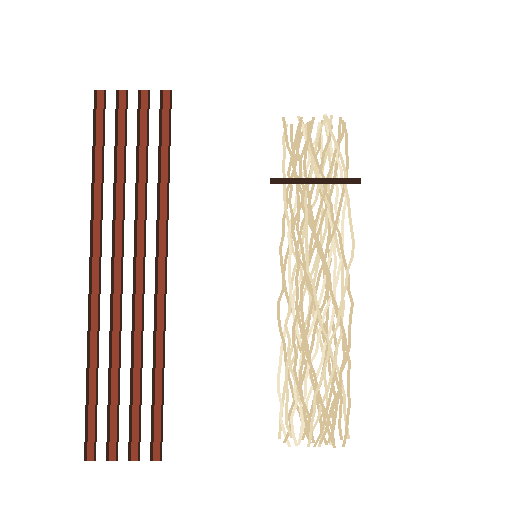
Pull the dogbane bark with the left hand over the sharp edge of a small board held in the right, pressing the bark down against the edge with the right thumb, to shred and clean it. (Milkweed fibre was used too, and nettle when bark fibre ran out.)
Àwọn ohun èlò fún ìgbésẹ̀ yìí:
 Dogbane Bark Fibre1 ẹyọ
Àwọn irinṣẹ́ tí a nílò:
 Ọ̀bẹ
3
3
Spin the twine
Spin the twine
Roll the fibre on the bare thigh into a two-stranded twine. Make plenty: it is both the stringing and the binding.
Àwọn ohun èlò fún ìgbésẹ̀ yìí:
Dogbane Bark Fibre1 ẹyọÀwọn irinṣẹ́ tí a nílò:
Ọ̀bẹ4
4
String the tule
String the tule
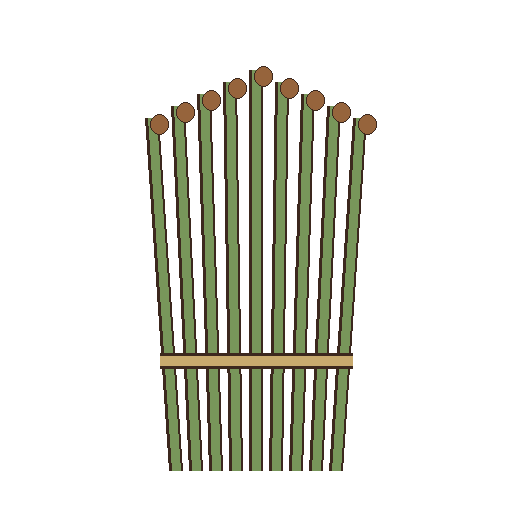
Lay dried tule stems side by side and string them on the bark twine (ours: push the twine through each stem with a pointed bone, rows about 20 cm apart). Run more twine round them near their ends to hold them, and finish the mat end with a stick (his tent-mats used rosewood).
Àwọn ohun èlò fún ìgbésẹ̀ yìí:
 Tule Stems1 ẹyọDogbane Bark Fibre1 ẹyọ
 Èèkàn igi1 ẹyọ
Àwọn irinṣẹ́ tí a nílò:
 Ọ̀kọ̀ EgungunỌ̀bẹ
5
5
Troubleshooting
Troubleshooting
Tule mat troubleshooting.
Flow
Loading...
6
6
History and honest limits
History and honest limits
From James Teit, *The Thompson Indians of British Columbia*, **Memoirs of the American Museum of Natural History, Jesup North Pacific Expedition** vol. I part IV (1900), pp. 188-190 and Fig. 131 c (checked on the archive.org scan cihm_16242). Floor and table mats of young reeds were woven in other ways, some exactly like Coast cedar-bark blankets. Mat size, row spacing and the stringing tool are ours.
Ìtọ́nisọ́nà yìí ń ṣe

Blueprint tó jọra
Àwọn blueprint wọ̀nyí pín ìmọ̀ — ọ̀nà, ohun-èlò tàbí ìlànà
CC0 Àgbègbè Gbogbogbò
Blueprint yìí ti jáde lábẹ́ CC0. O lè ṣe àdàkọ, yí padà, pín, àti lò láìsí ìyọ̀ǹda.
Ṣàtìlẹ́yìn Olùṣẹ́dá nípa rírà àwọn ọjà nipasẹ̀ Blueprint wọn Ẹ̀san Olùṣẹ́dá tí àwọn Olùtajà gbé kalẹ̀, tàbí ṣẹ̀dá àtúnṣe tuntun ti Blueprint yìí kí o sì fi sínú Blueprint rẹ gẹ́gẹ́ bí ìsopọ̀ láti pín owó-wíwọlé.