IṢẸ́ ỌNÀ
ẸWÀ ÀTI ÌLERA
IṢẸ́ ỌWỌ́
ÀṢÀ ÀTI ÌTÀN
ÌṢERÉ
ÀYÍKÁ
OÚNJẸ ÀTI OHUN MÍMU
REVERSE ENGINEERING
SÁYẸ́ǸSÌ
ERÉ ÌDÁRAYÁ
ÌMỌ̀-Ẹ̀RỌ
ÀWỌN OHUN WÍWỌ̀
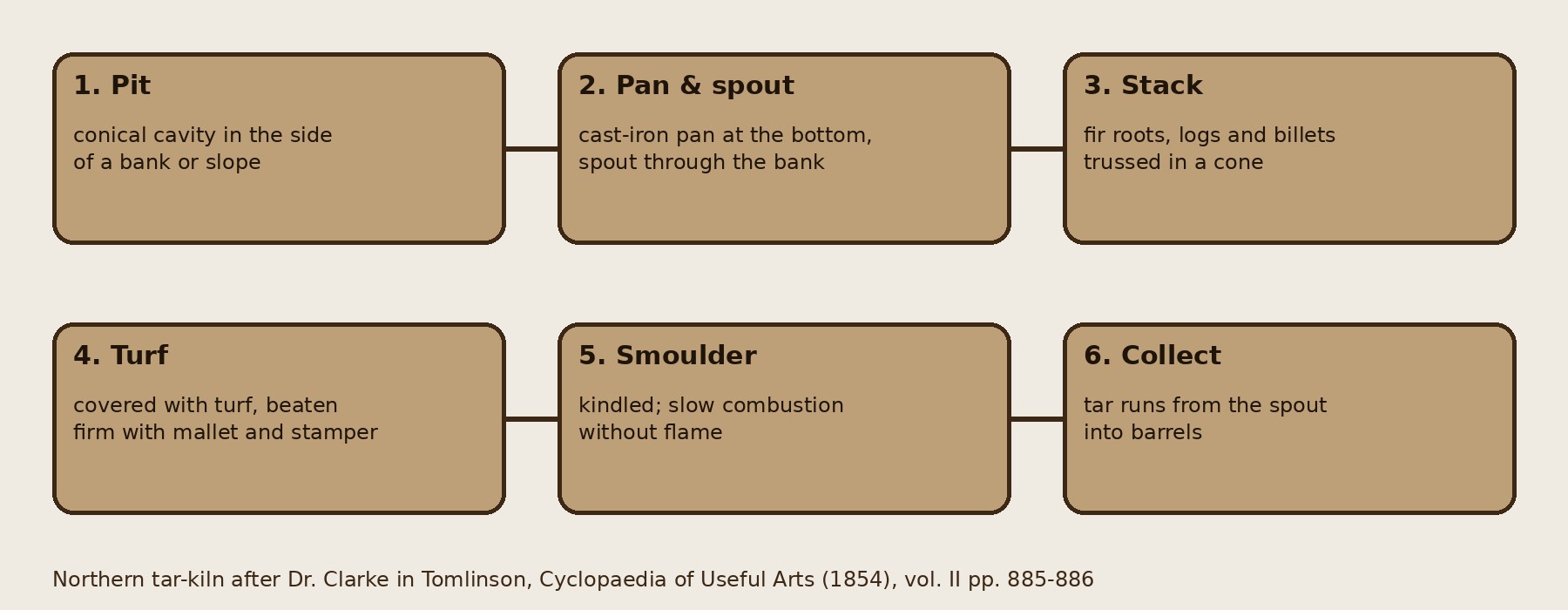


Pine Tar From a Turf-Covered Pit Kiln: Fir Roots Smouldered Over a Pan and Spout (Tomlinson, 1854)
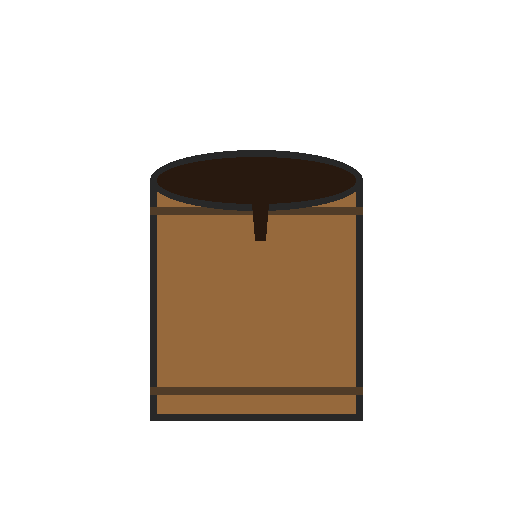
The old northern way of making tar, from Dr. Clarke's account in Tomlinson's Cyclopaedia of Useful Arts (1854): fir roots and resinous billets stacked in a cone in a pit dug into a bank, covered with beaten turf and smouldered without flame, so the tar runs down into a cast-iron pan and out through a spout into barrels, leaving the wood as charcoal.
Àárín
Several days
Ìlànà
1
1
What the kiln gives
What the kiln gives
Ń ṣí ìwé Jupyter…
2
2
Read the Cyclopaedia of Useful Arts
Read the Cyclopaedia of Useful Arts
"The process by which the tar is obtained, is very simple."
3
3
Gather the wood
Gather the wood
Use fir (pine) roots, rotten stubs and scorched trunks, with logs and billets of the same; roots from marshy ground are richest. (Laing: stunted trees are peeled a fathom or two up the stem, by degrees, and felled 5 or 6 years later, rich in tar.)
Àwọn ohun èlò fún ìgbésẹ̀ yìí:
 Igi tí ó ní òjé púpọ̀1 ẹyọ
Àwọn irinṣẹ́ tí a nílò:
 Àáké
 Ayùn Ọwọ́
4
4
Dig the pit
Dig the pit
Dig a conical cavity in the side of a bank or sloping hill. Set a cast-iron pan at the bottom of the funnel with a spout projecting through the side of the bank.
Àwọn irinṣẹ́ tí a nílò:
 Ọkọ́
 Ìkòkò Ńlá
5
5
Stack and cover
Stack and cover
Truss the roots, logs and billets neatly in a conical stack and let it into the cavity. Cover it with turf and beat the turf down firm with a heavy wooden mallet and a wooden stamper, two people working.
Àwọn irinṣẹ́ tí a nílò:
 Òòlù IgiỌkọ́
6
6
Smoulder and collect
Smoulder and collect
Kindle the stack and let it burn slowly without flame, as in charcoal making. The tar exudes, runs into the pan and out of the spout: set barrels under it and bung them as they fill. The wood that remains is charcoal.
Àwọn irinṣẹ́ tí a nílò:
 Àgbá igi
7
7
Troubleshooting
Troubleshooting
Tar kiln troubleshooting.
Flow
Loading...
8
8
History and honest limits
History and honest limits
From Charles Tomlinson (ed.), **Cyclopaedia of Useful Arts** (1854), vol. II, "Turpentine", quoting Dr. Clarke and Mr. Laing (checked on the archive.org scan cyclopdiaofuse02tomlrich, pp. 885-886). He gives no pit sizes. The tools and diagram are ours.
Àwọn ohun-èlò
1- Àyè
Ìtọ́nisọ́nà yìí ń ṣe
Blueprint tó jọra
Àwọn blueprint wọ̀nyí pín ìmọ̀ — ọ̀nà, ohun-èlò tàbí ìlànà

CC0 Àgbègbè Gbogbogbò
Blueprint yìí ti jáde lábẹ́ CC0. O lè ṣe àdàkọ, yí padà, pín, àti lò láìsí ìyọ̀ǹda.
Ṣàtìlẹ́yìn Olùṣẹ́dá nípa rírà àwọn ọjà nipasẹ̀ Blueprint wọn Ẹ̀san Olùṣẹ́dá tí àwọn Olùtajà gbé kalẹ̀, tàbí ṣẹ̀dá àtúnṣe tuntun ti Blueprint yìí kí o sì fi sínú Blueprint rẹ gẹ́gẹ́ bí ìsopọ̀ láti pín owó-wíwọlé.