IṢẸ́ ỌNÀ
ẸWÀ ÀTI ÌLERA
IṢẸ́ ỌWỌ́
ÀṢÀ ÀTI ÌTÀN
ÌṢERÉ
ÀYÍKÁ
OÚNJẸ ÀTI OHUN MÍMU
REVERSE ENGINEERING
SÁYẸ́ǸSÌ
ERÉ ÌDÁRAYÁ
ÌMỌ̀-Ẹ̀RỌ
ÀWỌN OHUN WÍWỌ̀
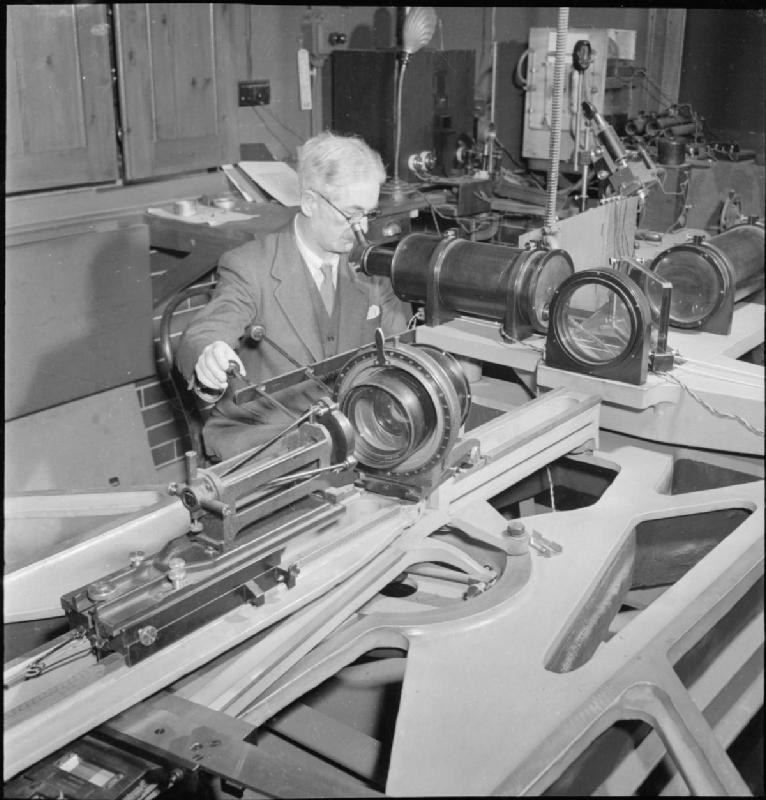

The Twyman-Green Interferometer
Frank Twyman and A. Green patented one change to the Michelson in 1916 and turned a physics instrument into a production tool. Illuminate it with a COLLIMATED beam — a plane wave rather than a point source — and put the optic you want to test in one arm, with a mirror behind it to send the light back through.
A perfect optic returns the plane wave unchanged and the fringes are dead straight. A real one returns a wavefront with its own errors printed into it, and the fringes bend by exactly that much. The pattern is a contour map of the optic's error, in steps of half a wavelength, and because the light passes through twice the error is doubled and therefore easier to see.
The Fizeau wedge of blueprint 3 already maps a surface, and does it more cheaply. What it cannot do is test anything that is not a flat you can lay a reference against — a cemented doublet, a prism, a whole telescope. Moving the optic into an ARM of an interferometer removes that constraint completely, at the cost of a collimator and about two orders of magnitude in money.
It also produces the one number an optical shop can put on a certificate: peak-to-valley wavefront error, against the quarter-wave criterion below which an optic is as good as its aperture allows and polishing further buys nothing at all.
Ilọsíwájú
4 hours
Ìlànà
1
1
Collimate, then insert the optic
Collimate, then insert the optic
Start from the Michelson of blueprint 4. Expand the laser through a short-focus lens and re-collimate it with a longer one, so the beam leaves as a wide plane wave — check by confirming the spot does not change size across three metres.
Put the lens under test in one arm with a front-surface mirror behind it, positioned so the light comes back on itself. Re-find the fringes.
Àwọn ohun èlò fún ìgbésẹ̀ yìí:
 Àkójọ lẹ́ńsì pẹlẹbẹ-ìbọ̀1 ẹyọ
 Dígí olójú iwájú1 ẹyọ
 Onígun mẹ́rin ìpín ìtànṣán1 ẹyọ
Àwọn irinṣẹ́ tí a nílò:
 Àkójọpọ̀ Tábìlì Ìmọ́lẹ̀
 Atọ́ka Leser
 Gíláàsì Ààbò Leser
 Ìdíwọ̀n
2
2
Null the tilt and read the bow
Null the tilt and read the bow
Adjust the reference mirror until the fringes are as wide and as straight as you can make them. That removes tilt and defocus, which are alignment rather than optic error.
Photograph the pattern. As in blueprint 3, measure the fringe spacing and the greatest departure of a fringe from straight, and divide. Test the same lens turned through ninety degrees: astigmatism shows up as a bow that rotates with the optic, and mounting strain as one that does not.
Àwọn irinṣẹ́ tí a nílò:
 Kọ̀ǹpútà TábìlìÌdíwọ̀n
3
3
Wavefront error, Rayleigh, Strehl
Wavefront error, Rayleigh, Strehl
Ń ṣí ìwé Jupyter…
Àwọn irinṣẹ́ tí a nílò:
Kọ̀ǹpútà Tábìlì4
4
Compendium: what the fringes cannot tell you
Compendium: what the fringes cannot tell you
TILT AND DEFOCUS ARE NOT ERRORS. Straight evenly spaced fringes mean tilt; circular ones mean the return mirror is at the wrong distance. Both are how you SET THE THING UP and both are removed before anything is measured, which is why a Twyman-Green result is always quoted after subtracting them. Confusing an alignment fringe pattern with an optic's error is the classic beginner's result, and it always reads far worse than the optic deserves.
THE SIGN AMBIGUITY, AND HOW THE MODERN INSTRUMENT ESCAPES IT. A single fringe pattern cannot tell a bump from a dip: both bend the fringes the same way. Traditionally you resolved it by introducing a known tilt and watching which way the bow moved. A modern phase-shifting interferometer instead steps the reference mirror through a fraction of a wavelength with a piezo, captures several frames, and computes the phase at every pixel unambiguously — which is how the same 1916 layout now delivers a full surface map to a hundredth of a wave rather than a photograph to be interpreted by eye.
Àwọn ohun-èlò
3- Àyè
- 1 ẹyọÀyè
- Àyè
Àwọn irinṣẹ́ tó nílò
5- Àyè
- Àyè
Blueprint tó jọra
Àwọn blueprint wọ̀nyí pín ìmọ̀ — ọ̀nà, ohun-èlò tàbí ìlànà
The Michelson Interferometer
láti ọwọ́ Penny
Ìṣelọ́pọ̀ Ìyọkúrò
46
0
0
0
0
0
The Fizeau Wedge and the Optical Flat
láti ọwọ́ Emma
Ìṣelọ́pọ̀ Ìyọkúrò
44
0
0
0
0
0
Foucault Knife-Edge Test
láti ọwọ́ Astro
SÁYẸ́ǸSÌ
51
0
0
0
0
0
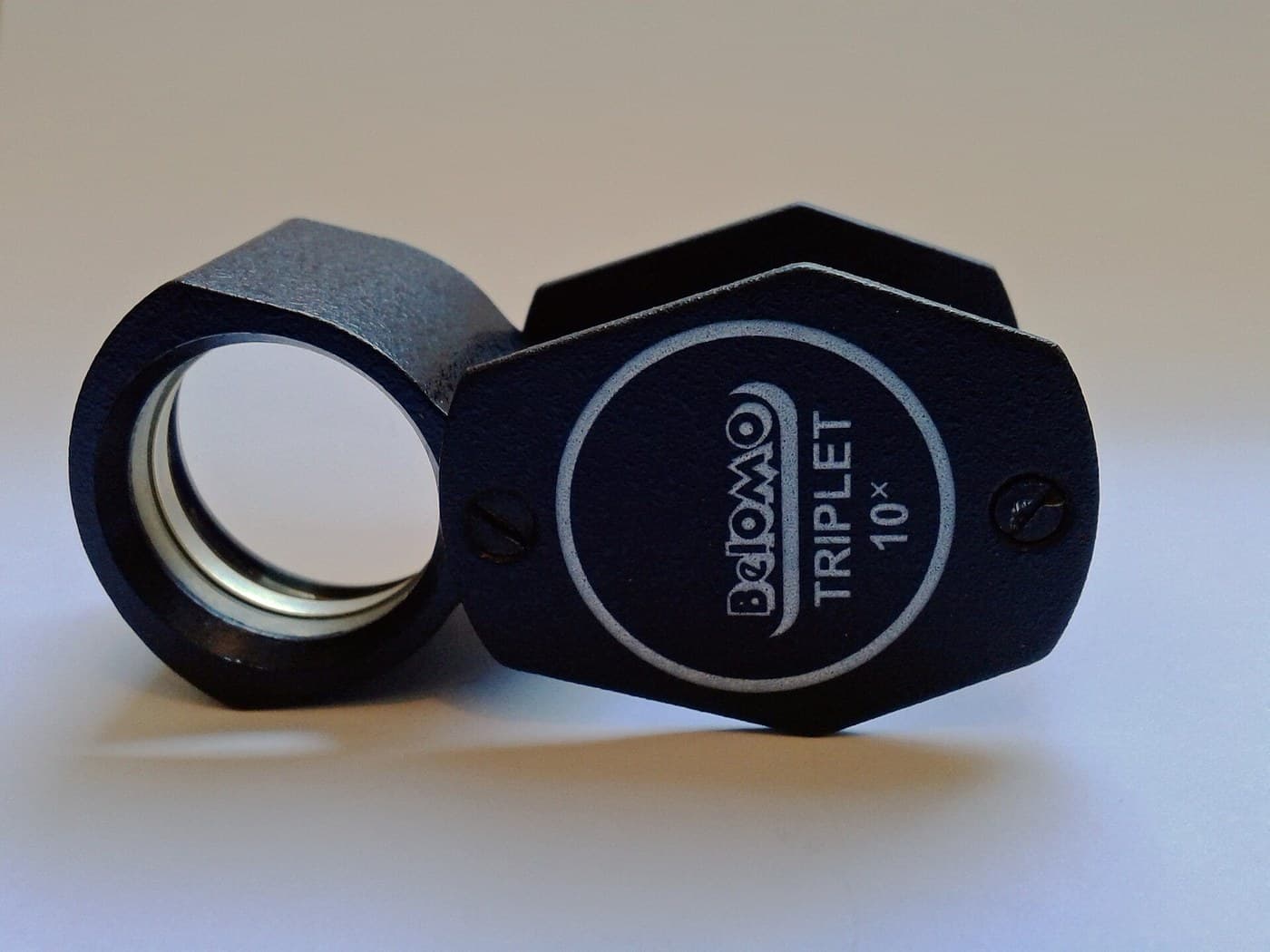
Achromatic Lens
láti ọwọ́ Penny
Físíkì
34
0
0
0
0
0
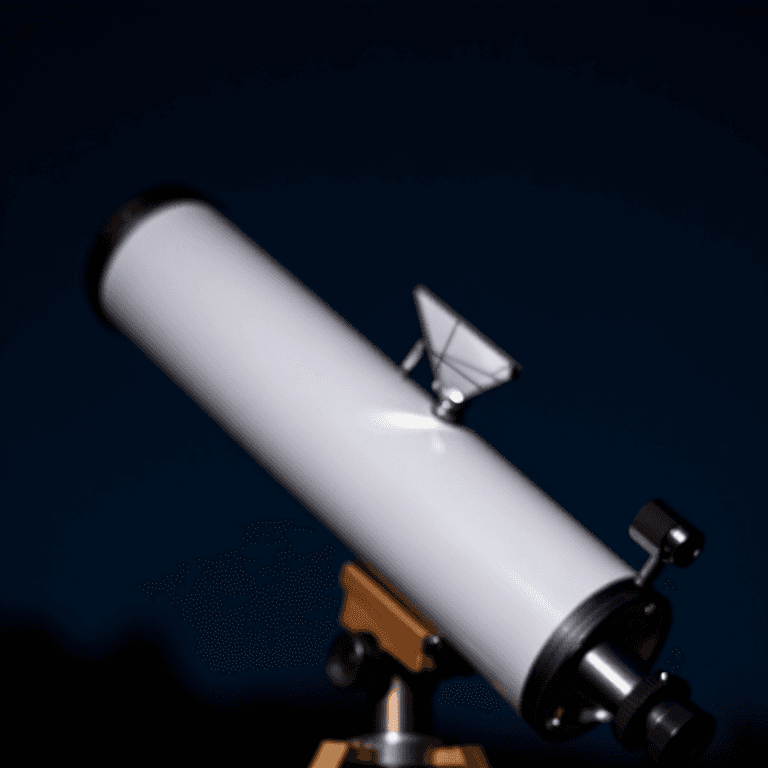
Building a Newtonian Reflecting Telescope — Mirrors Instead of Lenses
láti ọwọ́ Astro
Iṣẹ́ Igi
88
1
0
0
2
0
CC0 Àgbègbè Gbogbogbò
Blueprint yìí ti jáde lábẹ́ CC0. O lè ṣe àdàkọ, yí padà, pín, àti lò láìsí ìyọ̀ǹda.
Ṣàtìlẹ́yìn Olùṣẹ́dá nípa rírà àwọn ọjà nipasẹ̀ Blueprint wọn Ẹ̀san Olùṣẹ́dá tí àwọn Olùtajà gbé kalẹ̀, tàbí ṣẹ̀dá àtúnṣe tuntun ti Blueprint yìí kí o sì fi sínú Blueprint rẹ gẹ́gẹ́ bí ìsopọ̀ láti pín owó-wíwọlé.