IṢẸ́ ỌNÀ
ẸWÀ ÀTI ÌLERA
IṢẸ́ ỌWỌ́
ÀṢÀ ÀTI ÌTÀN
ÌṢERÉ
ÀYÍKÁ
OÚNJẸ ÀTI OHUN MÍMU
REVERSE ENGINEERING
SÁYẸ́ǸSÌ
ERÉ ÌDÁRAYÁ
ÌMỌ̀-Ẹ̀RỌ
ÀWỌN OHUN WÍWỌ̀
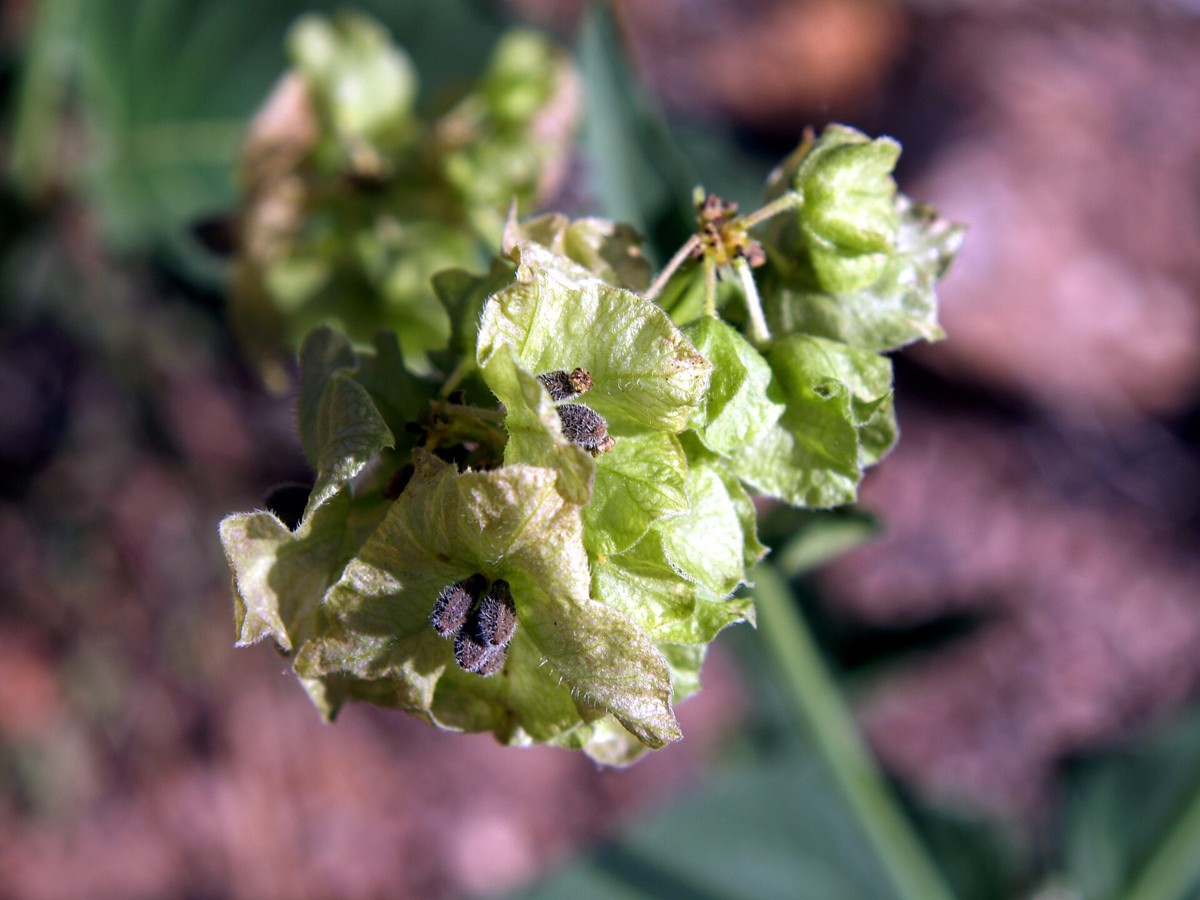


Umbrella-Plant Root: Wild Four-o'clock Root Dug Out of Sap Time, Dried and Kept in Packets (Densmore, 1928; Britton & Brown, 1913)
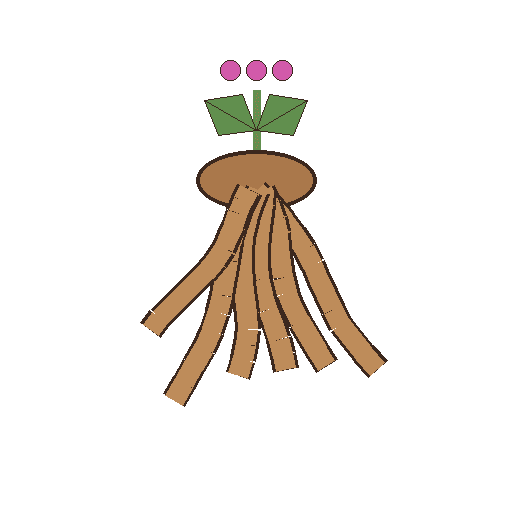
The root of the umbrella-plant or wild four-o'clock (Allionia nyctaginea, now Mirabilis nyctaginea), as the Chippewa kept it for sprains: dug before the sap rises in spring or after it falls in autumn, cleaned, dried, tied in packets and bagged. Densmore records the dried root used in a decoction, or the fresh root pounded into a poultice.
Olùbẹ̀rẹ̀
An hour to dig, a week to dry
Ìlànà
1
1
Wild four-o'clock
Wild four-o'clock
Identifying wild four-o'clock, Mirabilis nyctaginea (Ag PhD, Weed of the Week).
2
2
Know the plant
Know the plant
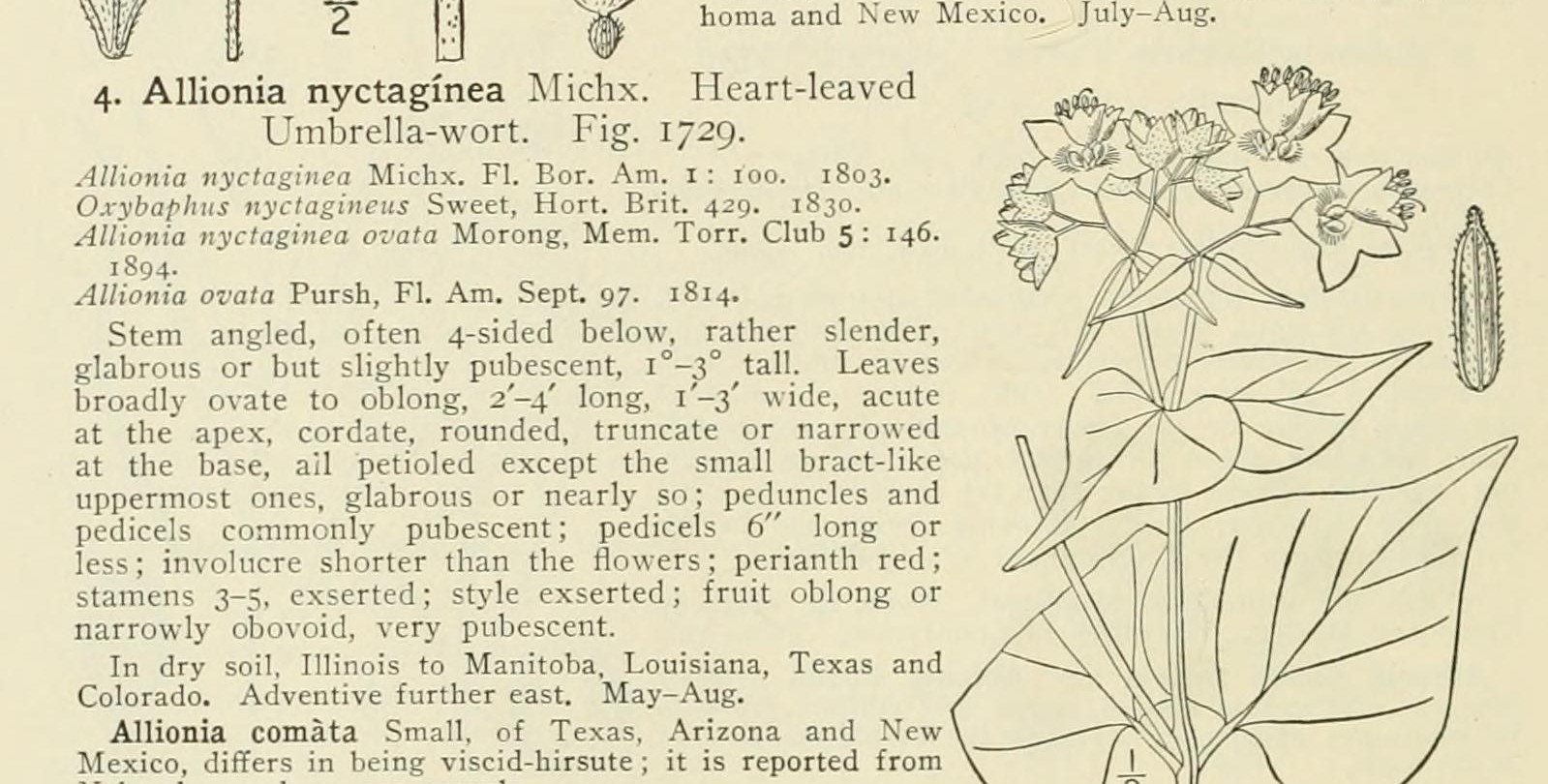
Britton and Brown (1913, p. 32), Allionia nyctaginea, Heart-leaved Umbrella-wort: stem angled, often 4-sided below, 1 to 3 feet; leaves broadly ovate to oblong, 2 to 4 inches long, heart-shaped to narrowed at the base, all stalked except the small top ones; red flowers above a cup of bracts shorter than the flowers, stamens sticking out; dry soil, May-August.
3
3
What the root is for
What the root is for
Densmore (1928, pp. 362-363), for a sprain or strained muscles: umbrella-plant, part used "Root", "Dried root in decoction or fresh root pounded and applied as a poultice", used externally.

4
4
Dig at the right time
Dig at the right time
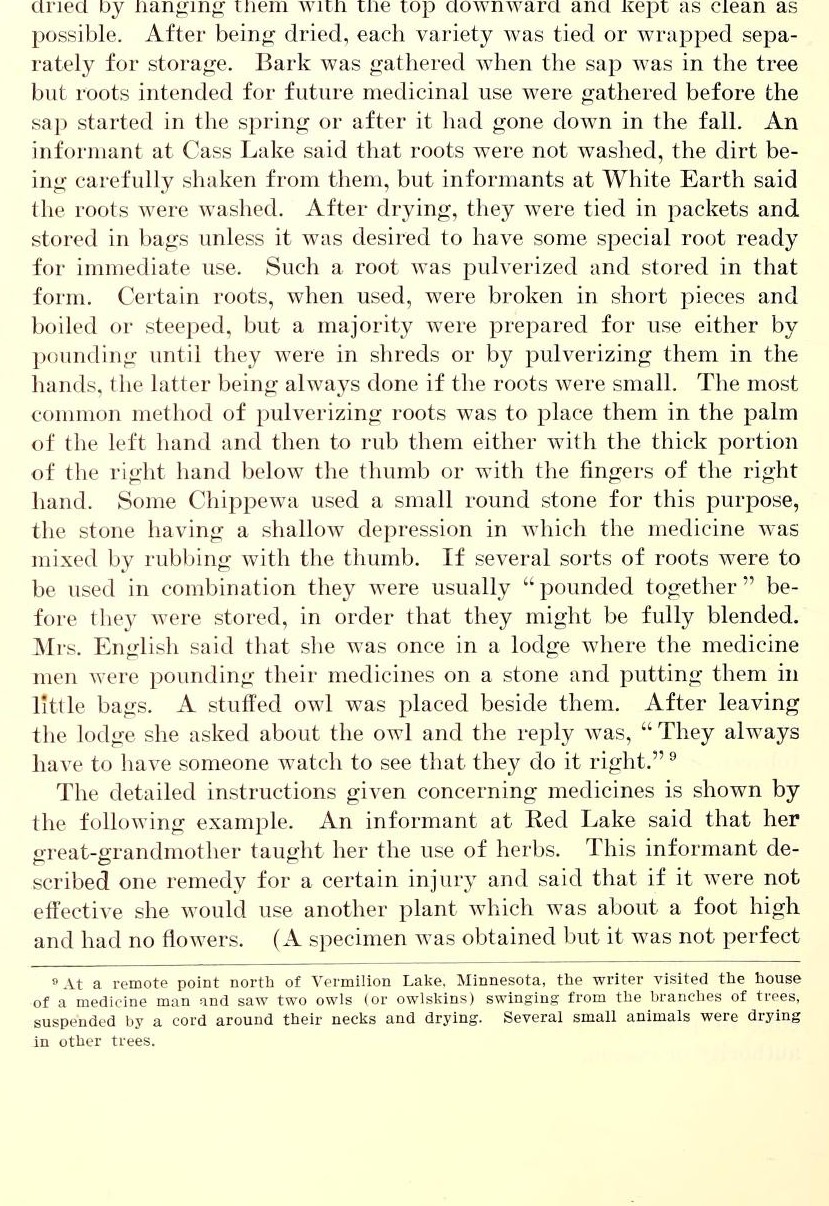
Densmore (p. 326): roots for later use were gathered "before the sap started in the spring or after it had gone down in the fall". Mark the plants while they flower and come back in autumn (ours); lift the root with a digging stick.
Àwọn irinṣẹ́ tí a nílò:
 Ọ̀pá ìwalẹ̀
 Bàkẹ́ẹ̀tì
5
5
Clean the roots
Clean the roots
Shake the earth off carefully, as Densmore's Cass Lake informant did, or wash the roots, as at White Earth.
Àwọn irinṣẹ́ tí a nílò:
Bàkẹ́ẹ̀tì6
6
Dry them
Dry them
Spread the roots on a drying screen in an airy, shaded place (ours) and turn them daily until they snap.
Àwọn irinṣẹ́ tí a nílò:
 Ọ̀pá-àyíká ìgbẹ̀
7
7
Tie in packets and bag
Tie in packets and bag
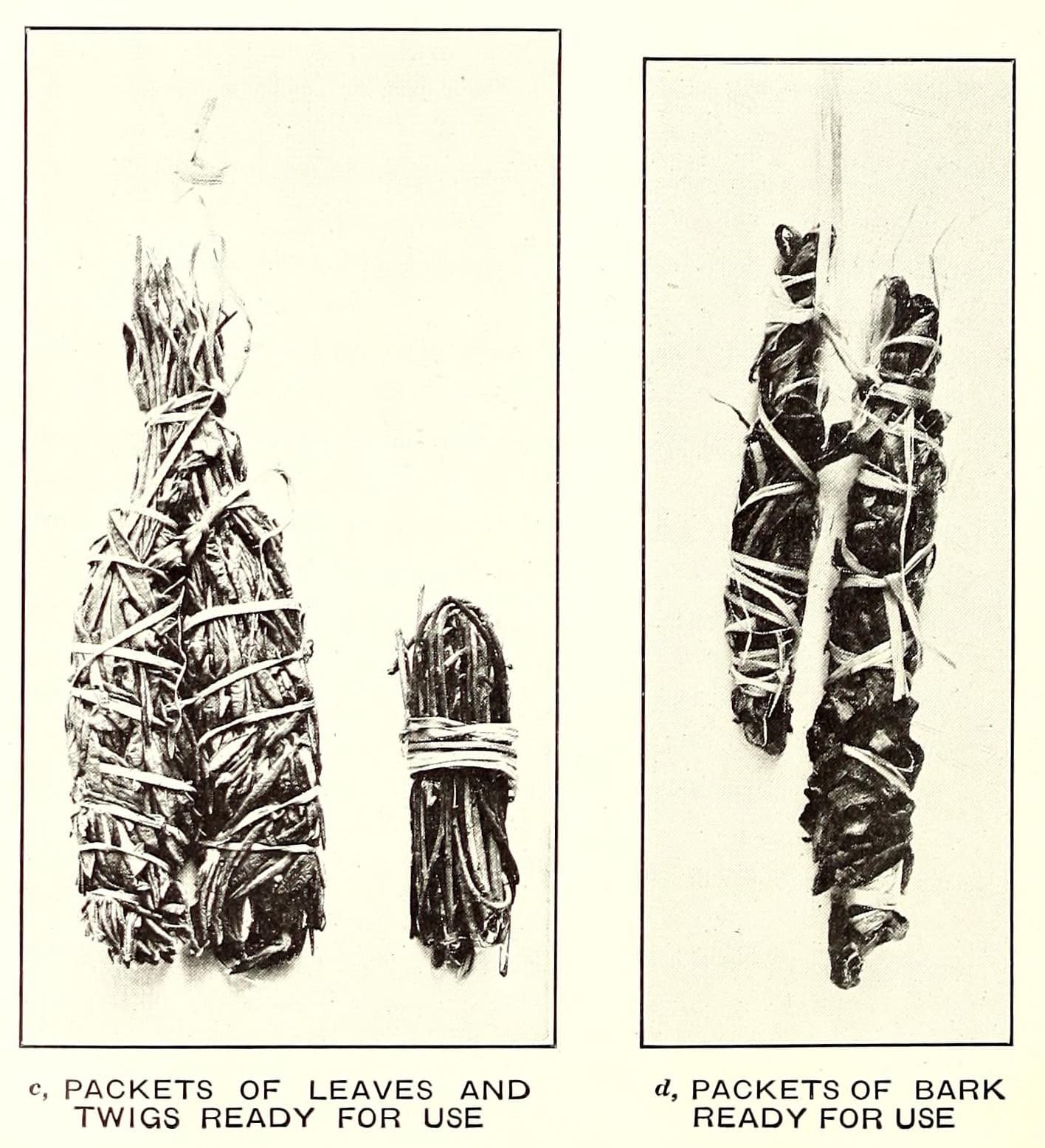
After drying, tie the roots in packets and keep them in a bag, as Densmore records.
Àwọn irinṣẹ́ tí a nílò:
 Okùn Òwú
 Àpò ọ̀gbọ̀
8
8
Prepare for use
Prepare for use
When needed, pound the root to shreds (p. 326); a mortar works too (ours).
Àwọn irinṣẹ́ tí a nílò:
 Odó àti Ọmọ Odó
9
9
Troubleshooting
Troubleshooting
Root problems and fixes.
Flow
Loading...
10
10
Sources and honest limits
Sources and honest limits
Frances Densmore, Uses of Plants by the Chippewa Indians (1928), pp. 326 and 362-363, and N. L. Britton and A. Brown, An Illustrated Flora of the Northern United States, vol. II (1913), p. 32. The drying screen and mortar are ours. The garden four-o'clock (Mirabilis jalapa) is a different plant: be sure of the plant before digging, and dig only where it is plentiful and allowed. The cover shows the plant at Wind Cave National Park, South Dakota (Jim Pisarowicz, NPS, public domain, Wikimedia Commons). Not made by us yet.
Àwọn irinṣẹ́ tó nílò
6- Àyè
- Àyè
- Àyè
- Àyè
Àwọn Ohun Èlò Ìtọ́nisọ́nà Tí A So Pọ̀
Ìtọ́nisọ́nà yìí ń ṣe
CC0 Àgbègbè Gbogbogbò
Blueprint yìí ti jáde lábẹ́ CC0. O lè ṣe àdàkọ, yí padà, pín, àti lò láìsí ìyọ̀ǹda.
Ṣàtìlẹ́yìn Olùṣẹ́dá nípa rírà àwọn ọjà nipasẹ̀ Blueprint wọn Ẹ̀san Olùṣẹ́dá tí àwọn Olùtajà gbé kalẹ̀, tàbí ṣẹ̀dá àtúnṣe tuntun ti Blueprint yìí kí o sì fi sínú Blueprint rẹ gẹ́gẹ́ bí ìsopọ̀ láti pín owó-wíwọlé.