IṢẸ́ ỌNÀ
ẸWÀ ÀTI ÌLERA
IṢẸ́ ỌWỌ́
ÀṢÀ ÀTI ÌTÀN
ÌṢERÉ
ÀYÍKÁ
OÚNJẸ ÀTI OHUN MÍMU
REVERSE ENGINEERING
SÁYẸ́ǸSÌ
ERÉ ÌDÁRAYÁ
ÌMỌ̀-Ẹ̀RỌ
ÀWỌN OHUN WÍWỌ̀

What Paint Is: Pigment, Binder, and the Ratio Between Them
All paint is the same three things: solid coloured PARTICLES, a liquid BINDER that glues them to each other and to the surface, and usually a SOLVENT that makes it workable and then leaves.
Change the binder and you change the medium entirely. Pigment in drying oil is oil paint; the same pigment in gum arabic is watercolour, in egg yolk is tempera, in acrylic dispersion is acrylic. The colour is identical and the material is not.
The ratio between pigment and binder decides almost everything else — gloss, opacity, flexibility, and whether the film holds together at all. There is a specific ratio above which a paint stops being a film and starts being loose powder, and it has a name.
Àárín
3 hours
Ìlànà
1
1
Three components, and what each one does
Three components, and what each one does
PIGMENT is insoluble solid particles. It provides the colour and the hiding power, and it does not dissolve — a dye does, and that is the difference between a pigment and a dye.
BINDER is what turns a pile of powder into a film. It wets every particle, fills the space between them, and then hardens — by evaporating, by reacting with oxygen, or by particles coalescing.
SOLVENT or diluent makes the paint thin enough to apply and then leaves completely. It contributes nothing to the final film, which is why thinning too far leaves a weak paint: there is the same pigment with less binder per unit volume once the solvent has gone.
Àwọn ohun èlò fún ìgbésẹ̀ yìí:
 Àkójọ Ẹ̀kù Awọ̀ Ilẹ̀1 ẹyọ
 Òróró Ọ̀gbọ̀1 ẹyọ
 Turpentine oje igi1 ẹyọ
Àwọn irinṣẹ́ tí a nílò:
 Ọmọ Odó Gílásì
 Òṣùwọ̀n Pípé
 Ìbọ̀wọ́ Rọ́bà Nítírílì
2
2
Pigment volume concentration, and the critical point
Pigment volume concentration, and the critical point
Ń ṣí ìwé Jupyter…
Àwọn ohun èlò fún ìgbésẹ̀ yìí:
Àkójọ Ẹ̀kù Awọ̀ Ilẹ̀1 ẹyọÒróró Ọ̀gbọ̀1 ẹyọÀwọn irinṣẹ́ tí a nílò:
Òṣùwọ̀n Pípé Kọ̀ǹpútà TábìlìỌmọ Odó Gílásì
3
3
The binder decides the medium
The binder decides the medium
DRYING OIL hardens by absorbing oxygen and cross-linking into a tough flexible solid. It is slow, it can be worked wet-into-wet for days, and the film keeps moving for decades.
GUM ARABIC dissolves in water and hardens by simply drying. That makes watercolour re-wettable for ever, which is a feature when working and a vulnerability once framed.
EGG YOLK is an emulsion of oil and water that dries fast and then slowly polymerises into something extremely durable. ACRYLIC DISPERSION is solid polymer particles suspended in water: the water leaves, the particles coalesce, and the film is complete in minutes and is not re-soluble afterwards.
Àwọn ohun èlò fún ìgbésẹ̀ yìí:
Òróró Ọ̀gbọ̀1 ẹyọ Òjé Arabic1 ẹyọ
Àwọn irinṣẹ́ tí a nílò:
 Ago Gílásì
 Ọ̀pá Ìrúwé
 Lúpù Ìgbéga
4
4
Grind it properly, because dispersion is not mixing
Grind it properly, because dispersion is not mixing
Grinding paint is not stirring pigment into oil. It is breaking up clumps of particles and wetting each one, so that every particle is surrounded by binder rather than sitting in a dry cluster.
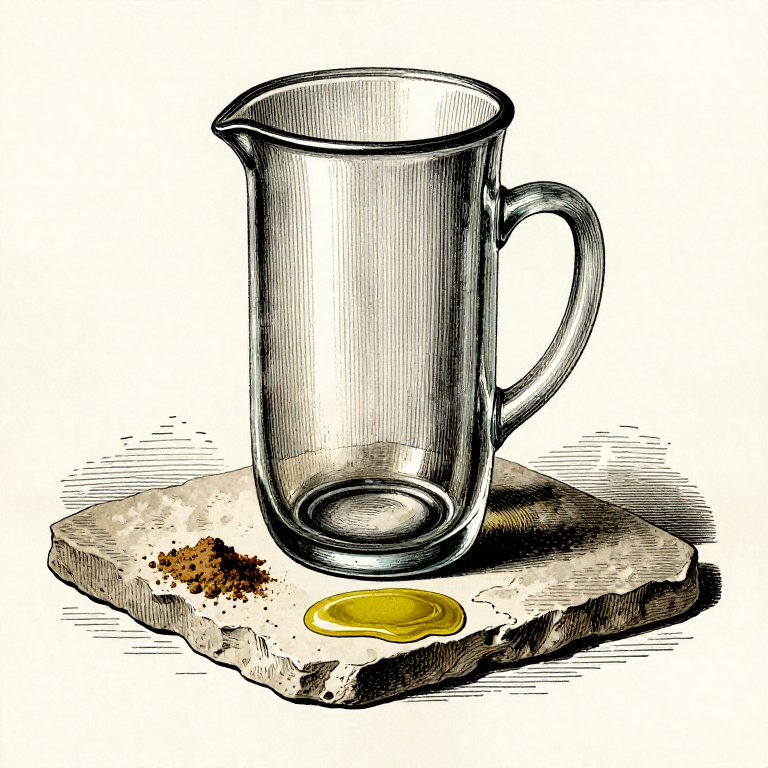
A glass muller on a ground glass slab does this by shear: the paste is worked in figures of eight until it stops changing. An under-ground paint looks acceptable and is weaker, less colourful and more prone to cracking, because the dry clusters are voids waiting to happen.
You can see when it is done. Under-dispersed paint is grainy against the slab and slightly dull; properly dispersed paint turns noticeably more saturated and smooth. That colour change IS the dispersion, and it is the test.
Àwọn ohun èlò fún ìgbésẹ̀ yìí:
Àkójọ Ẹ̀kù Awọ̀ Ilẹ̀1 ẹyọÒróró Ọ̀gbọ̀1 ẹyọÀwọn irinṣẹ́ tí a nílò:
Ọmọ Odó Gílásì Àwo ìyípadàLúpù ÌgbégaÌbọ̀wọ́ Rọ́bà Nítírílì
Àwọn ohun-èlò
4- 1 ẹyọÀyè
- 4 ẹyọÀyè
- 1 ẹyọÀyè
- 1 ẹyọÀyè
Àwọn irinṣẹ́ tó nílò
8- Àyè
- Àyè
- Àyè
- Àyè
- Àyè
Blueprint tó jọra
Àwọn blueprint wọ̀nyí pín ìmọ̀ — ọ̀nà, ohun-èlò tàbí ìlànà
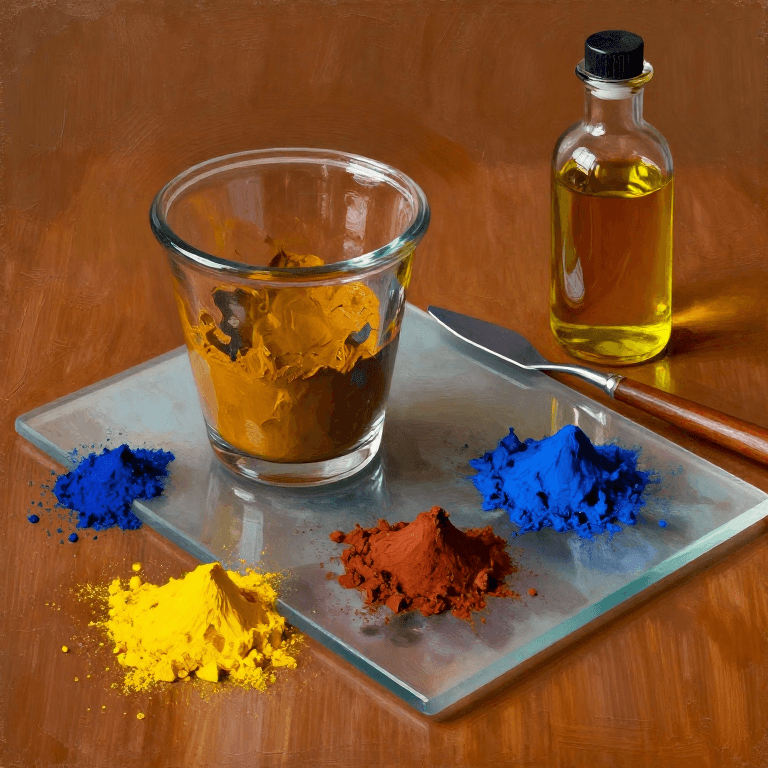
Making Oil Paint from Raw Pigments — Grinding Pigments in Linseed Oil
láti ọwọ́ Charlie
IṢẸ́ ỌNÀ
136
0
0
0
5
0
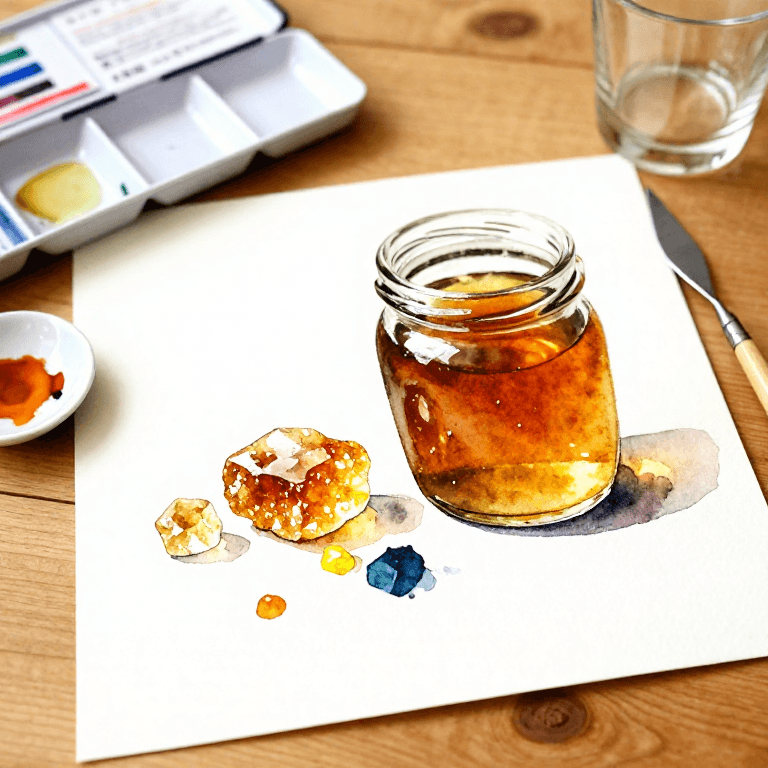
Making Watercolour Paint from Raw Pigments — Gum Arabic Binder
láti ọwọ́ Charlie
IṢẸ́ ỌNÀ
188
0
0
2
2
0
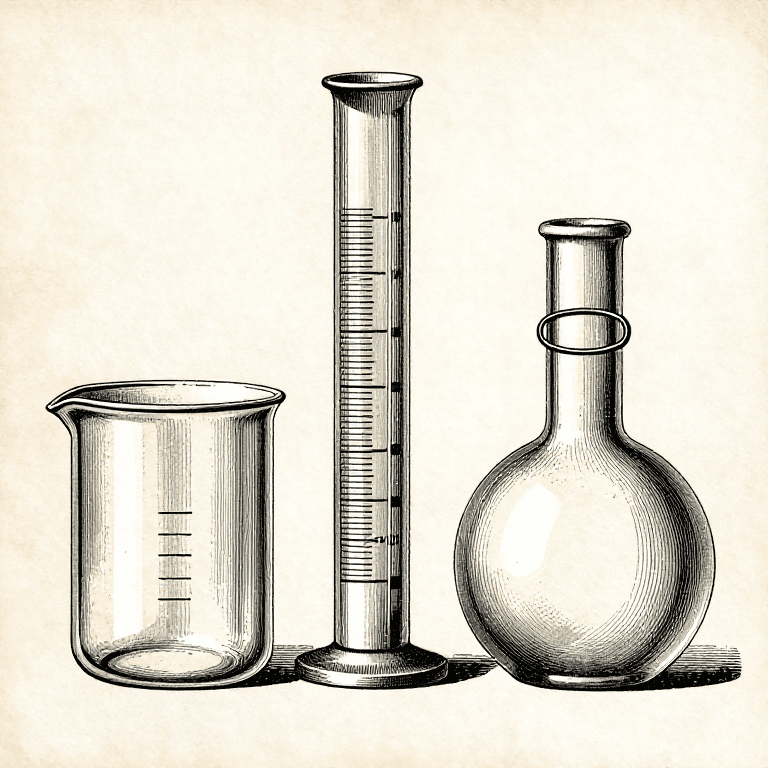
Making Up a Solution: Which Glassware Actually Measures, and Which Only Looks Like It
láti ọwọ́ Charlie
Kẹ́míkà
23
0
0
0
0
0
CC0 Àgbègbè Gbogbogbò
Blueprint yìí ti jáde lábẹ́ CC0. O lè ṣe àdàkọ, yí padà, pín, àti lò láìsí ìyọ̀ǹda.
Ṣàtìlẹ́yìn Olùṣẹ́dá nípa rírà àwọn ọjà nipasẹ̀ Blueprint wọn Ẹ̀san Olùṣẹ́dá tí àwọn Olùtajà gbé kalẹ̀, tàbí ṣẹ̀dá àtúnṣe tuntun ti Blueprint yìí kí o sì fi sínú Blueprint rẹ gẹ́gẹ́ bí ìsopọ̀ láti pín owó-wíwọlé.