IṢẸ́ ỌNÀ
ẸWÀ ÀTI ÌLERA
IṢẸ́ ỌWỌ́
ÀṢÀ ÀTI ÌTÀN
ÌṢERÉ
ÀYÍKÁ
OÚNJẸ ÀTI OHUN MÍMU
REVERSE ENGINEERING
SÁYẸ́ǸSÌ
ERÉ ÌDÁRAYÁ
ÌMỌ̀-Ẹ̀RỌ
ÀWỌN OHUN WÍWỌ̀
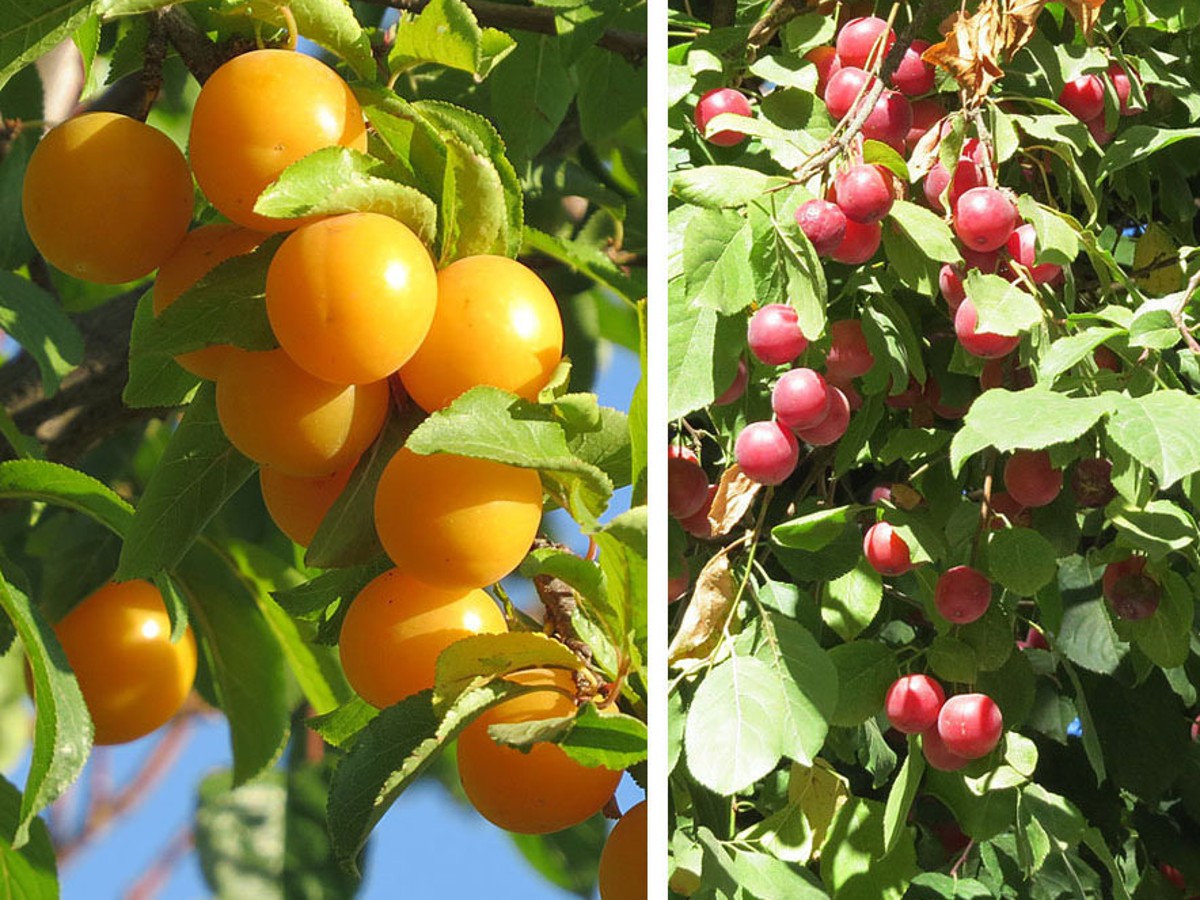


Wild Plum Bark: Inner Bark of a Young Tree, Peeled in Strips While the Sap Runs, Dried and Kept in Packets (Densmore, 1928; Britton & Brown, 1913)
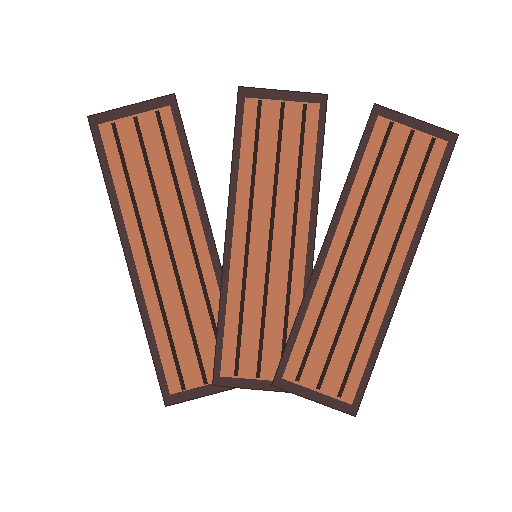
The inner bark of a young American wild plum (Prunus americana) as the Chippewa kept it: gathered while the sap is in the tree, the outer skin taken off and the inner bark stripped, dried and tied in packets. Densmore records it boiled with white pine and wild cherry bark into a mash and decoction for cuts.
Olùbẹ̀rẹ̀
An hour to peel, a week to dry
Ìlànà
1
1
American plum
American plum
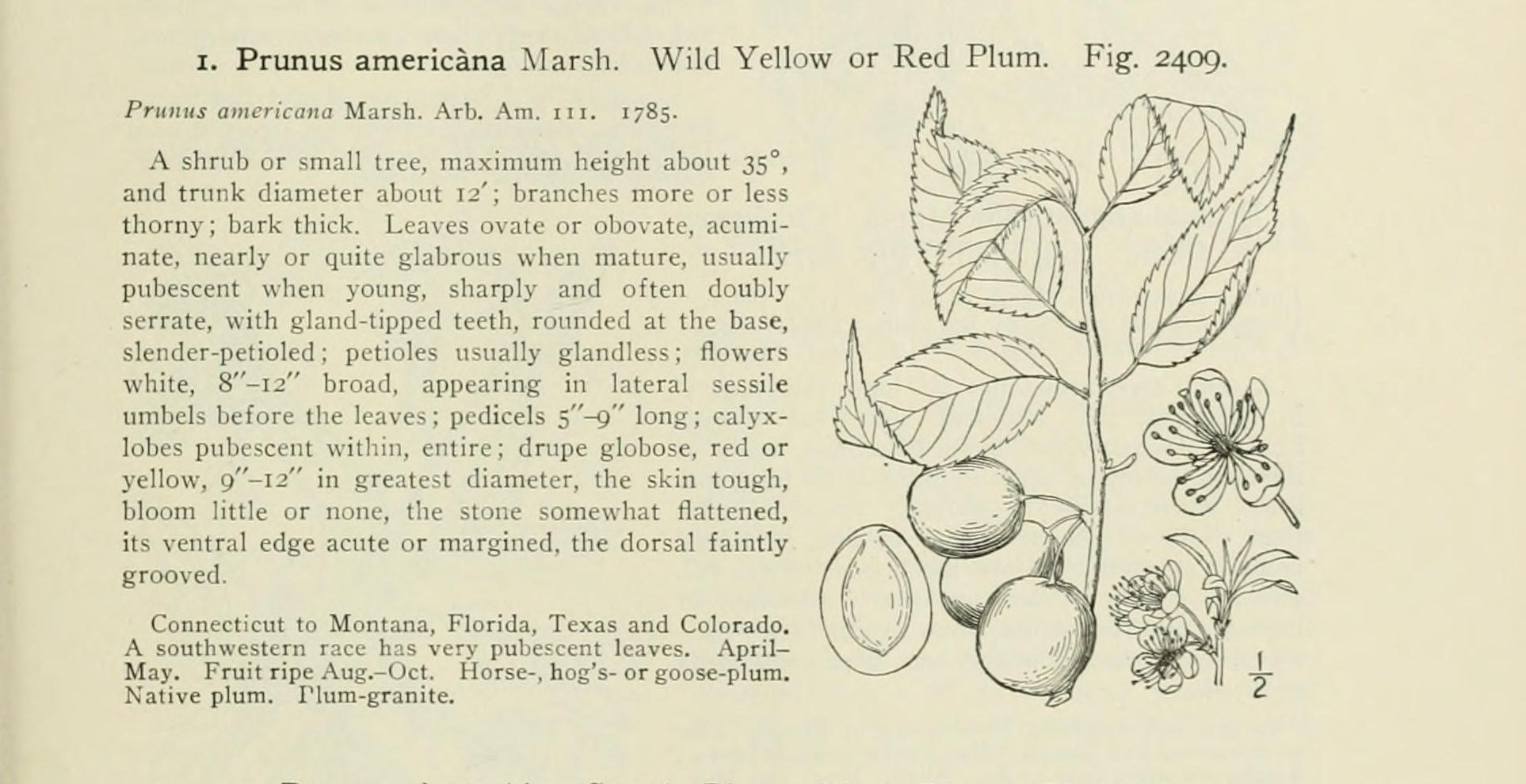
American plum, Prunus americana (Purdue Extension, ID That Tree).
2
2
Know the plant
Know the plant
Britton and Brown (1913, vol. II, p. 323), Prunus americana, Wild Yellow or Red Plum: a shrub or small tree up to about 35 feet, the branches more or less thorny, the bark thick; leaves ovate, sharply and often doubly toothed with gland-tipped teeth; white flowers in small clusters before the leaves; round red or yellow plums with a tough skin; April-May, fruit August-October.
3
3
What the bark is for
What the bark is for
Densmore (1928, pp. 352-353), for cuts: white pine (trunk of a young tree), wild cherry inner bark and wild plum "Inner bark of young tree": "Cut the first named into sections and boil with the barks until soft, strain, keeping the decoction, pound the woody material into a mash and dry; when needed, soak the mash thoroughly in the decoction and apply; care should be taken that the barks after boiling do not come in contact with rust or dirt."

4
4
Gather while the sap runs
Gather while the sap runs
Densmore (p. 326): "Bark was gathered when the sap was in the tree". Densmore's remedy uses the inner bark of a young tree: cut a young stem or branch when the bark slips (ours).
Àwọn irinṣẹ́ tí a nílò:
 Ọ̀bẹ
 Bàkẹ́ẹ̀tì
5
5
Peel the inner bark
Peel the inner bark
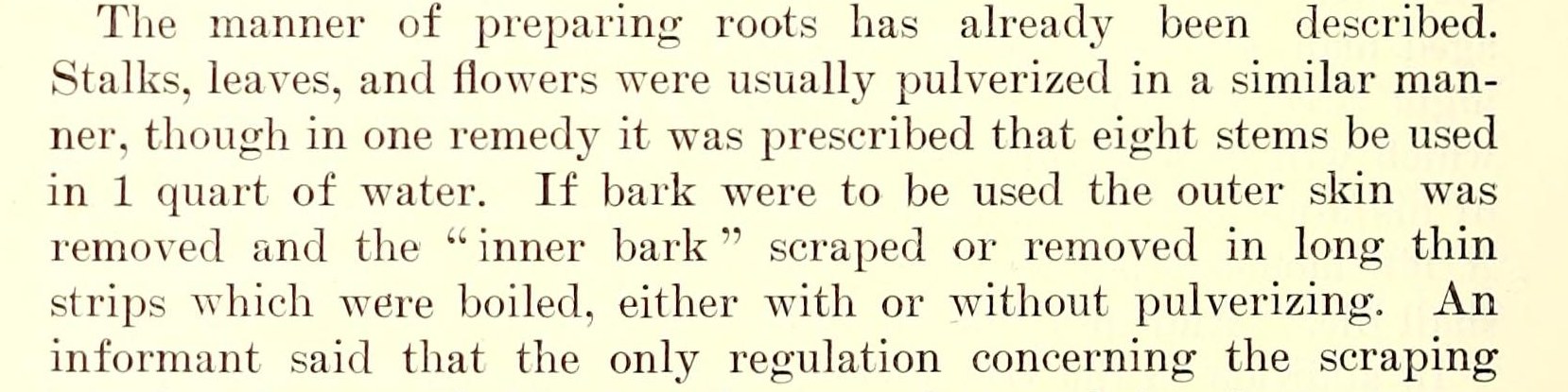
Densmore (p. 328): "the outer skin was removed and the 'inner bark' scraped or removed in long thin strips". Ours: take the bark from a cut branch, never ring the trunk.
Àwọn irinṣẹ́ tí a nílò:
Ọ̀bẹ6
6
Dry the strips
Dry the strips
Spread the strips on a drying screen in an airy, shaded place (ours) and turn them until they snap.
Àwọn irinṣẹ́ tí a nílò:
 Ọ̀pá-àyíká ìgbẹ̀
7
7
Tie in packets and bag
Tie in packets and bag
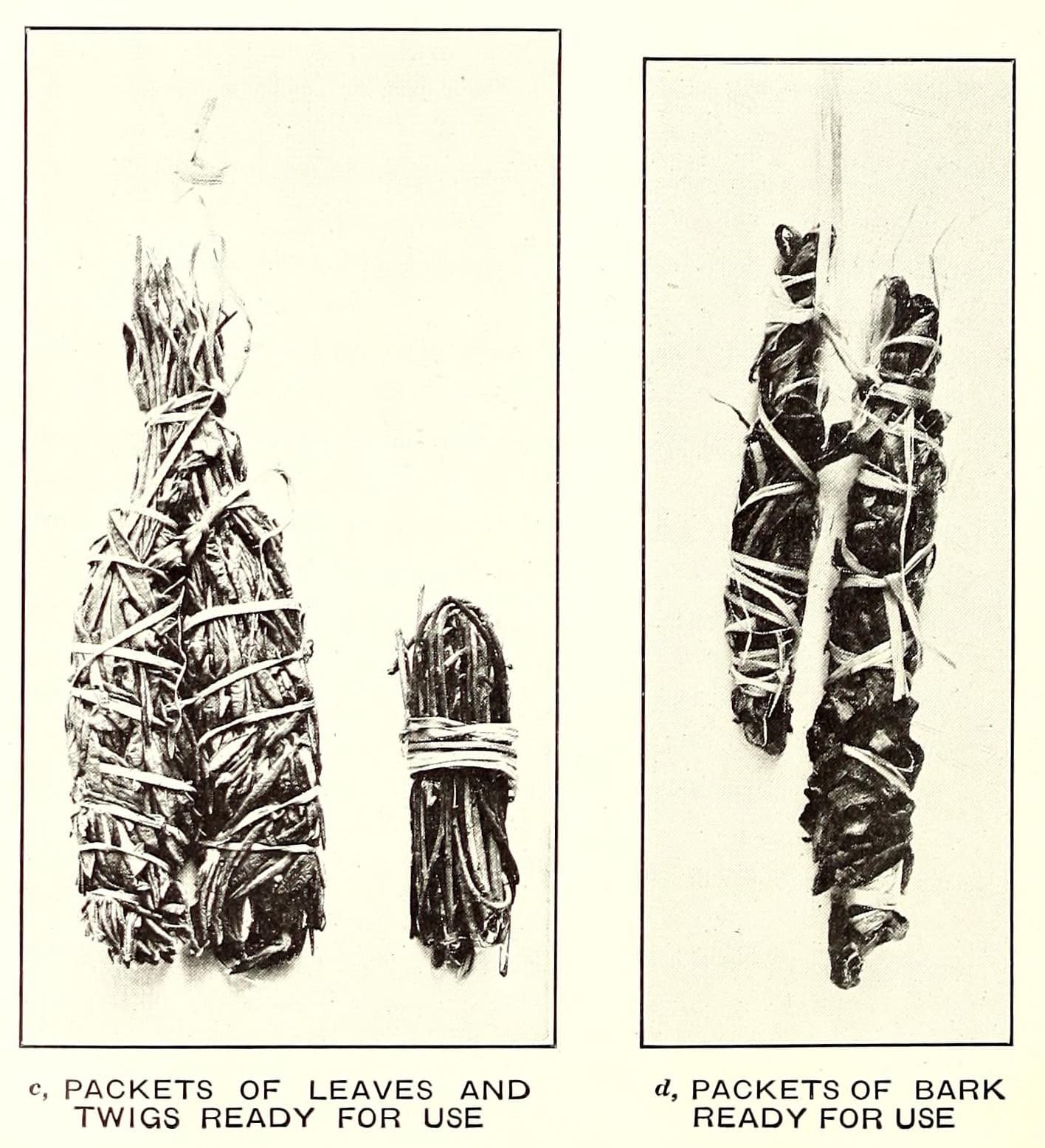
After drying, tie each kind separately in packets and keep them in a bag, as Densmore records (p. 326).
Àwọn irinṣẹ́ tí a nílò:
 Okùn Òwú
 Àpò ọ̀gbọ̀
8
8
Troubleshooting
Troubleshooting
Problems and fixes.
Flow
Loading...
9
9
Sources and honest limits
Sources and honest limits
Frances Densmore, Uses of Plants by the Chippewa Indians (1928), pp. 326, 328 and 352-353; N. L. Britton and A. Brown, An Illustrated Flora of the Northern United States, vol. II (1913), p. 323. The knife, drying screen, twine and mortar are ours. Be sure of the plant before cutting, and take only where it is plentiful and allowed. The cover shows yellow and red wild plums (Dick Culbert, CC BY 2.0, Wikimedia Commons). Not made by us yet.
Àwọn Ohun Èlò Ìtọ́nisọ́nà Tí A So Pọ̀
Ìtọ́nisọ́nà yìí ń ṣe
CC0 Àgbègbè Gbogbogbò
Blueprint yìí ti jáde lábẹ́ CC0. O lè ṣe àdàkọ, yí padà, pín, àti lò láìsí ìyọ̀ǹda.
Ṣàtìlẹ́yìn Olùṣẹ́dá nípa rírà àwọn ọjà nipasẹ̀ Blueprint wọn Ẹ̀san Olùṣẹ́dá tí àwọn Olùtajà gbé kalẹ̀, tàbí ṣẹ̀dá àtúnṣe tuntun ti Blueprint yìí kí o sì fi sínú Blueprint rẹ gẹ́gẹ́ bí ìsopọ̀ láti pín owó-wíwọlé.