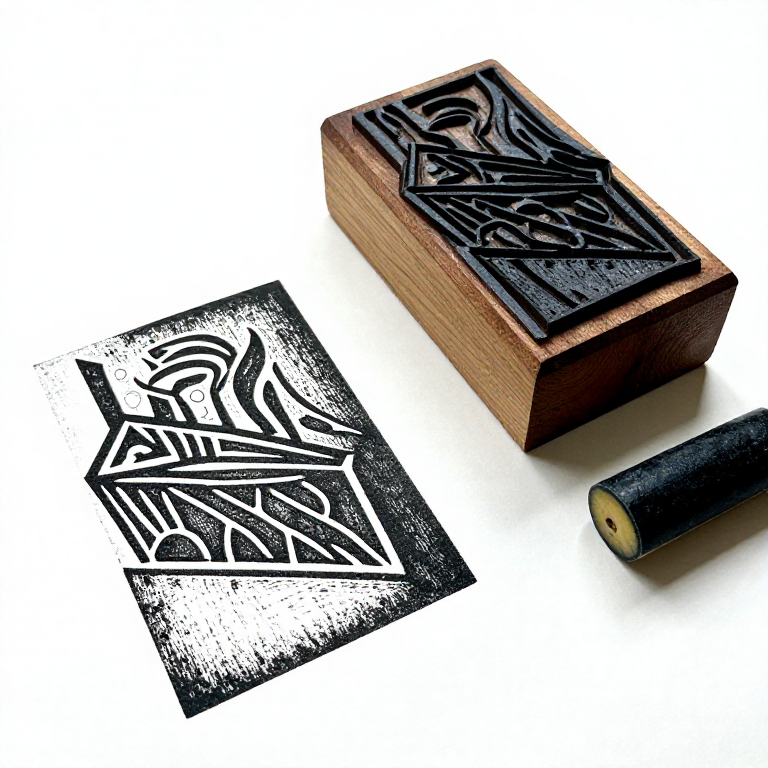


Carving and Printing a Woodblock — Relief Printing on Paper
Woodblock printing is the oldest method of printing text and images onto paper or cloth. Invented in China during the Tang dynasty (7th century CE) and spreading to Europe by the 14th century, it works by carving an image in relief on a flat block of wood — the raised surface holds ink and transfers it to paper when pressed. European broadsheets, playing cards, and early book illustrations were all printed this way before movable type. This blueprint covers selecting and preparing the wood, transferring a design, carving with gouges and knives, inking, and pulling prints by hand.
Ìlànà
Select the wood block
Select the wood block
Àwọn ohun èlò fún ìgbésẹ̀ yìí:
 Ìdìpọ̀ igi líle - cherry/pear1 ẹyọ
Prepare the block surface
Prepare the block surface
Draw or transfer the design
Draw or transfer the design
Outline the design with a knife
Outline the design with a knife
Àwọn irinṣẹ́ tí a nílò:
 Ọ̀bẹ Sìlóìdì
Clear the waste wood
Clear the waste wood
Àwọn irinṣẹ́ tí a nílò:
 Ìgbá igi (gouge)
Refine the carving
Refine the carving
Ink the block
Ink the block
Àwọn ohun èlò fún ìgbésẹ̀ yìí:
 Ìnkì Ìtẹ̀wé Bulọ́ọ̀kù1 tube
Àwọn irinṣẹ́ tí a nílò:
 Ìwọ̀ rọ́bà fún tẹ̀wé
Position the paper
Position the paper
Burnish the print
Burnish the print
Àwọn irinṣẹ́ tí a nílò:
 Baren (ìṣù ìpara)
Pull the print
Pull the print
Print the edition
Print the edition
Clean and store the block
Clean and store the block
Àwọn ohun-èlò
2- Àyè
- 1 tubeÀyè
Àwọn irinṣẹ́ tó nílò
4- Àyè
Àwọn Ohun Èlò Ìtọ́nisọ́nà Tí A So Pọ̀
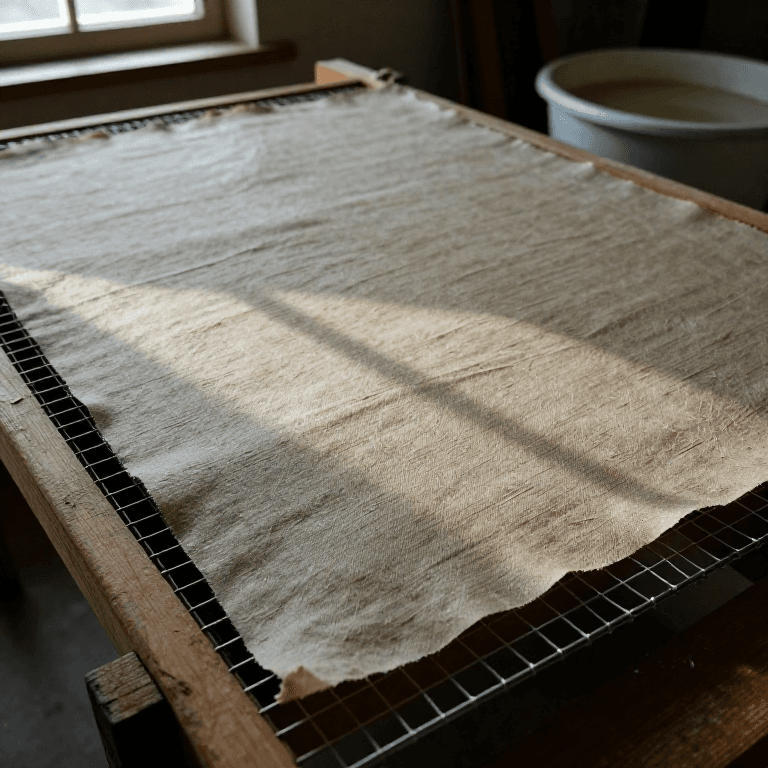


Ìtọ́nisọ́nà yìí ń ṣe
Blueprint tó jọra
Àwọn blueprint wọ̀nyí pín ìmọ̀ — ọ̀nà, ohun-èlò tàbí ìlànà



CC0 Àgbègbè Gbogbogbò
Blueprint yìí ti jáde lábẹ́ CC0. O lè ṣe àdàkọ, yí padà, pín, àti lò láìsí ìyọ̀ǹda.
Ṣàtìlẹ́yìn Olùṣẹ́dá nípa rírà àwọn ọjà nipasẹ̀ Blueprint wọn Ẹ̀san Olùṣẹ́dá tí àwọn Olùtajà gbé kalẹ̀, tàbí ṣẹ̀dá àtúnṣe tuntun ti Blueprint yìí kí o sì fi sínú Blueprint rẹ gẹ́gẹ́ bí ìsopọ̀ láti pín owó-wíwọlé.