IṢẸ́ ỌNÀ
ẸWÀ ÀTI ÌLERA
IṢẸ́ ỌWỌ́
ÀṢÀ ÀTI ÌTÀN
ÌṢERÉ
ÀYÍKÁ
OÚNJẸ ÀTI OHUN MÍMU
REVERSE ENGINEERING
SÁYẸ́ǸSÌ
ERÉ ÌDÁRAYÁ
ÌMỌ̀-Ẹ̀RỌ
ÀWỌN OHUN WÍWỌ̀
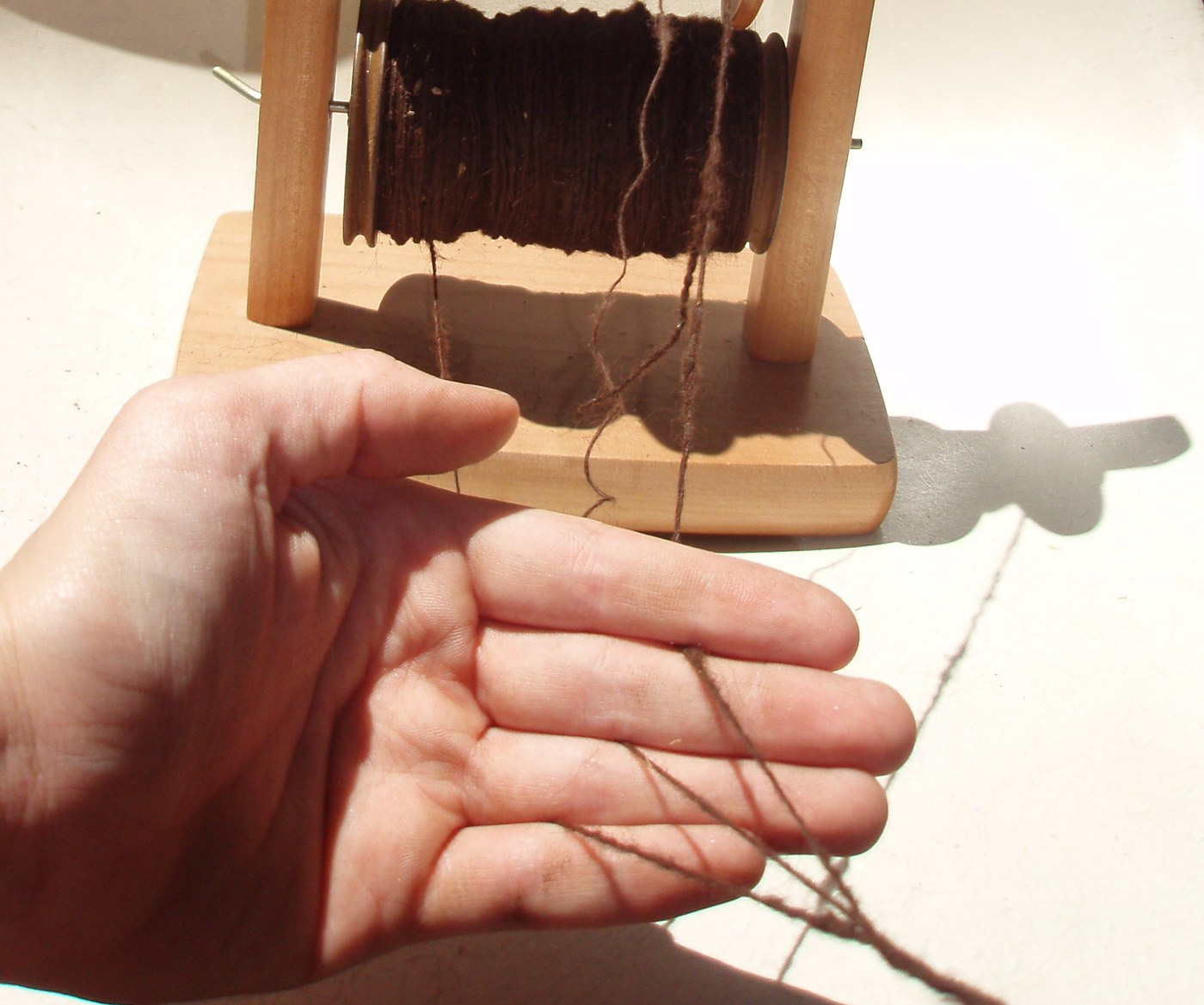


Warp Yarn: Two Wool Singles Plied on a Drop Spindle
On a loom the warp is held under tension the whole time, while the weft carries almost none, so warp yarn has to be strong: spun and plied. Two singles twisted together the opposite way to their spin make a yarn that is stronger and no longer kinks on itself.
The picture: plying from a lazy kate, the fingers keeping the two strands apart.
Olùbẹ̀rẹ̀
An evening per skein
Ìlànà
1
1
Spin two singles the same way
Spin two singles the same way
Spin two bobbins of wool singles on the drop spindle, both with the same twist, usually Z (spindle turned clockwise).
Àwọn ohun èlò fún ìgbésẹ̀ yìí:
 Okùn irun àgùntàn tí a kò dá aró sí2 ìdì okùn
Àwọn irinṣẹ́ tí a nílò:
 Kẹ̀kẹ́ ìhunṣọ ọwọ́
2
2
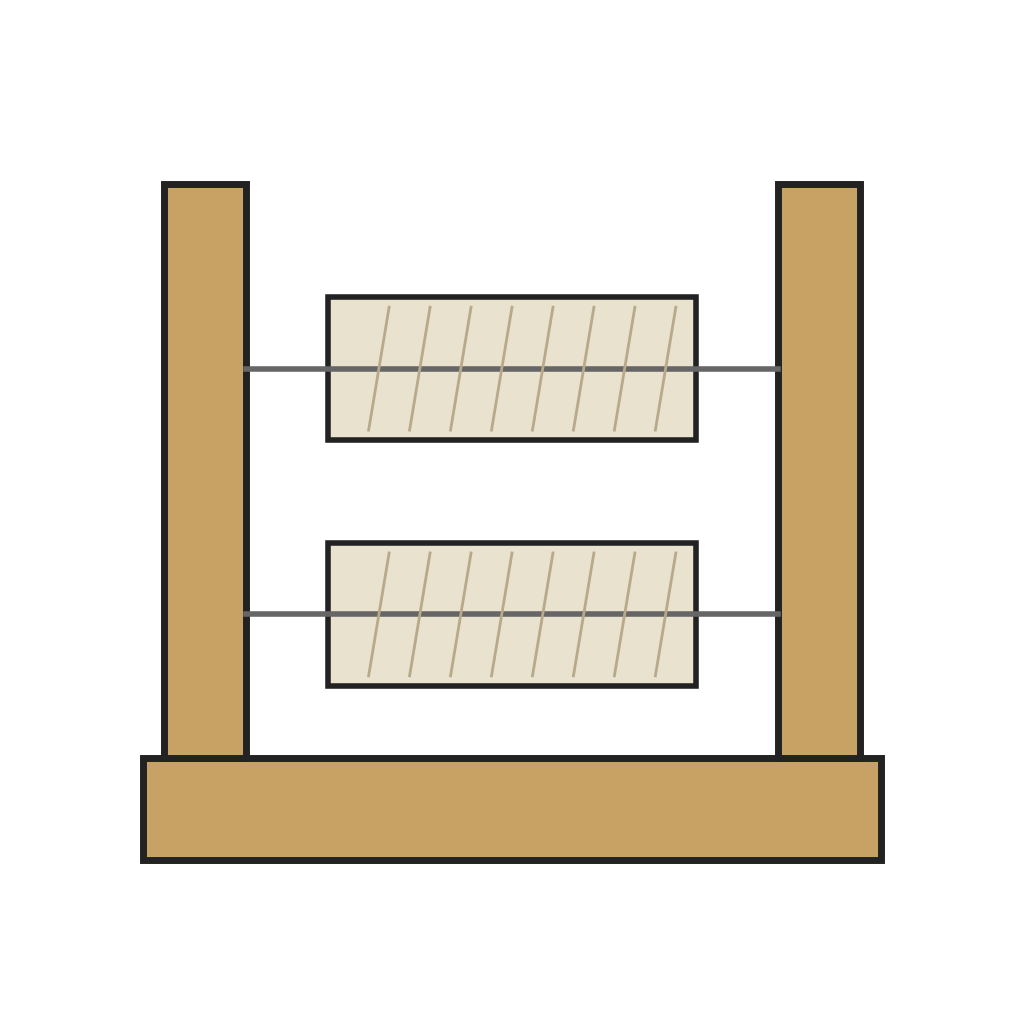
Set up the lazy kate
Set up the lazy kate
Put both bobbins on a lazy kate so they unwind freely, and tie both ends to the spindle's leader.
Àwọn irinṣẹ́ tí a nílò:
 Àgbéró àgbá òwú fún lílóKẹ̀kẹ́ ìhunṣọ ọwọ́
3
3
Ply the opposite way
Ply the opposite way
Turn the spindle the other way (counter-clockwise, S) and let the two strands twist round each other. Keep even tension on both.
Àwọn irinṣẹ́ tí a nílò:
Kẹ̀kẹ́ ìhunṣọ ọwọ́Àgbéró àgbá òwú fún líló4
4
Check the balance
Check the balance
Let a length hang in a loop. If it hangs straight, the ply twist balances the spin; if it twists up on itself, adjust the ply twist.
Àwọn irinṣẹ́ tí a nílò:
Kẹ̀kẹ́ ìhunṣọ ọwọ́Àwọn ohun-èlò
1- 2 ìdì okùnÀyè
Ìtọ́nisọ́nà yìí ń ṣe



Blueprint tó jọra
Àwọn blueprint wọ̀nyí pín ìmọ̀ — ọ̀nà, ohun-èlò tàbí ìlànà
CC0 Àgbègbè Gbogbogbò
Blueprint yìí ti jáde lábẹ́ CC0. O lè ṣe àdàkọ, yí padà, pín, àti lò láìsí ìyọ̀ǹda.
Ṣàtìlẹ́yìn Olùṣẹ́dá nípa rírà àwọn ọjà nipasẹ̀ Blueprint wọn Ẹ̀san Olùṣẹ́dá tí àwọn Olùtajà gbé kalẹ̀, tàbí ṣẹ̀dá àtúnṣe tuntun ti Blueprint yìí kí o sì fi sínú Blueprint rẹ gẹ́gẹ́ bí ìsopọ̀ láti pín owó-wíwọlé.