सहयोग
कला
सुन्दरता र कल्याण
हस्तकला
संस्कृति र इतिहास
मनोरञ्जन
वातावरण
खाना र पेय
रिभर्स इन्जिनियरिङ
विज्ञान
खेलकुद
प्रविधि
पहिर्न मिल्ने
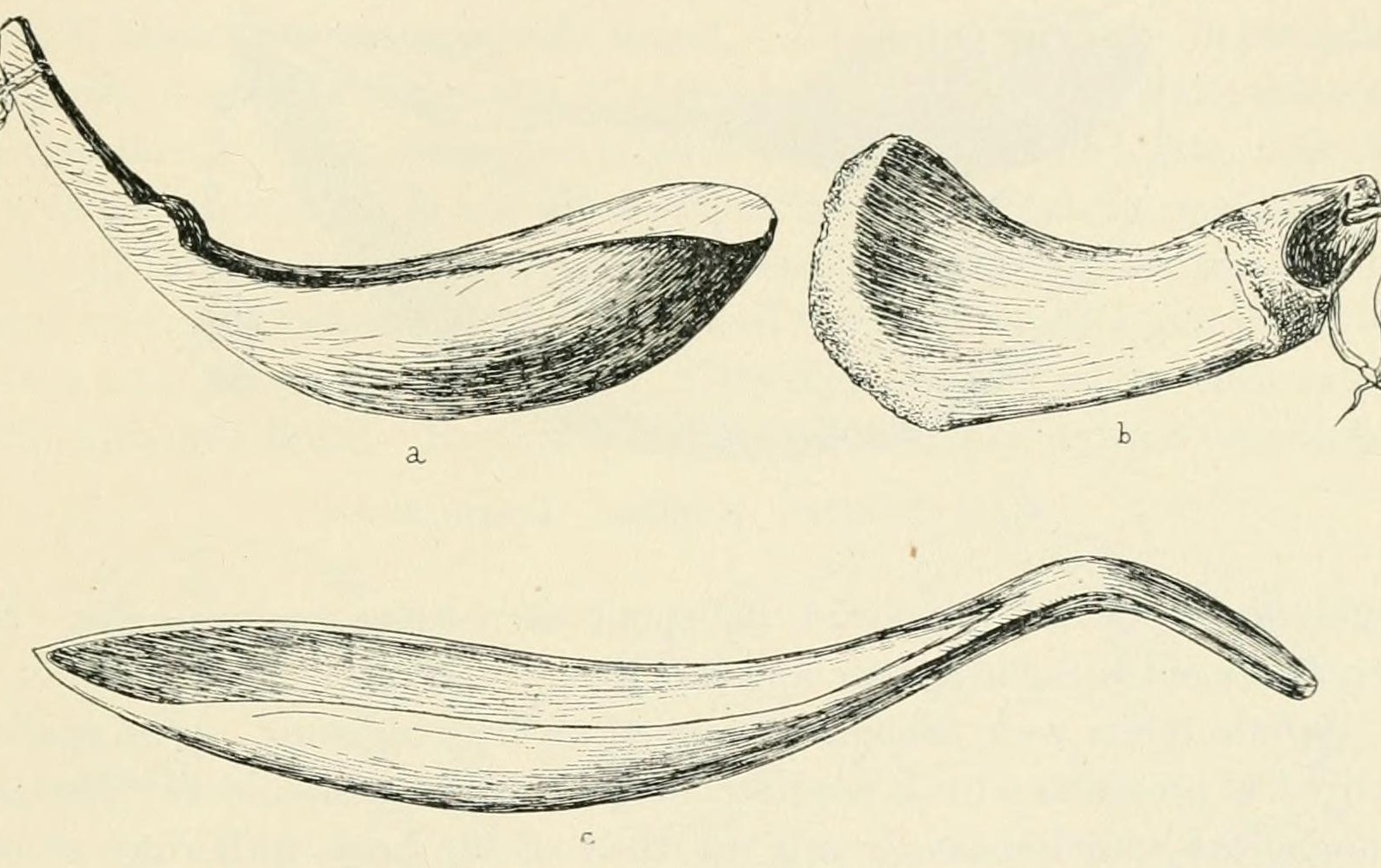


Blackfoot Horn Spoon: Horn Scorched, Trimmed, Boiled Soft, Bowl Pressed over a Stone in the Ground, Tip Bent for a Handle (Wissler, 1910)
The Blackfoot (Niitsitapi) horn spoon as Clark Wissler recorded it: a buffalo or cow horn scorched in the fire to fry out the glue, trimmed with a knife, boiled soft, its bowl pressed out over a shaped stone held in a hole in the ground, and the tip bent into a handle and weighted down with stones until it dries.
शुरुआती
An afternoon, then days to dry
निर्देशनहरू
1
1
Read Wissler
Read Wissler
"The process of shaping horn spoons was simple."
2
2
Scorch and trim
Scorch and trim
Scorch the horn in the fire until the gluey matter fries out, then trim it to shape with a knife: split the wide base for a long slender bowl (his Fig. 3c), leaving the tip for the handle. Ours: a saw for the split.
यस चरणका सामग्री:
 गाईको सिङ1 टुक्रा
चाहिने औजार:
 आगोको खाल्डो
 चक्कु
 फलाम काट्ने आरा
3
3
Boil soft
Boil soft
Boil the horn in water until it is soft.
यस चरणका सामग्री:
 पानी1 टुक्रा
चाहिने औजार:
 फलामको केतलीआगोको खाल्डो
4
4
Press the bowl and bend the handle
Press the bowl and bend the handle
Dig a hole in the ground to hold a stone of the right shape. Force the soft bowl part over the stone so the hole's sides hold it in place. Bend the handle as you want it and weigh it down with stones.
चाहिने औजार:
 ठोक्ने ढुङ्गा
 बेल्चा
5
5
Dry and finish
Dry and finish
Leave it until thoroughly dry, then take it out: the spoon is ready. Larger ladles were made the same way from mountain sheep horn, with a hole at one end for a thong.
यस चरणका सामग्री:
 काँचो छालाको तुना1 टुक्रा
चाहिने औजार:
 आर (छेड्ने सियो)
6
6
Troubleshooting
Troubleshooting
Horn spoon troubleshooting.
Flow
Loading...
7
7
History and honest limits
History and honest limits
From Clark Wissler, *Material Culture of the Blackfoot Indians*, **Anthropological Papers of the American Museum of Natural History** vol. V (1910), pp. 28-30 and Figs. 3-4 (checked on the archive.org scan materialcultureo00wiss). Both men and women made spoons and bowls; by 1910 most horn spoons had gone out of use. Cattle horn standing for buffalo, the saw and timings are ours.
सामग्री
3- 1 टुक्राप्लेसहोल्डर
- 1 टुक्राप्लेसहोल्डर
- 1 टुक्राप्लेसहोल्डर
आवश्यक उपकरणहरू
7- प्लेसहोल्डर
- प्लेसहोल्डर
- प्लेसहोल्डर
- प्लेसहोल्डर
- प्लेसहोल्डर
- प्लेसहोल्डर
- प्लेसहोल्डर
यो खाकाले बनाउँछ

सम्बन्धित ब्लुप्रिन्ट
यी ब्लुप्रिन्टहरूले ज्ञान साझा गर्छन् — प्रविधि, सामग्री वा सिद्धान्त
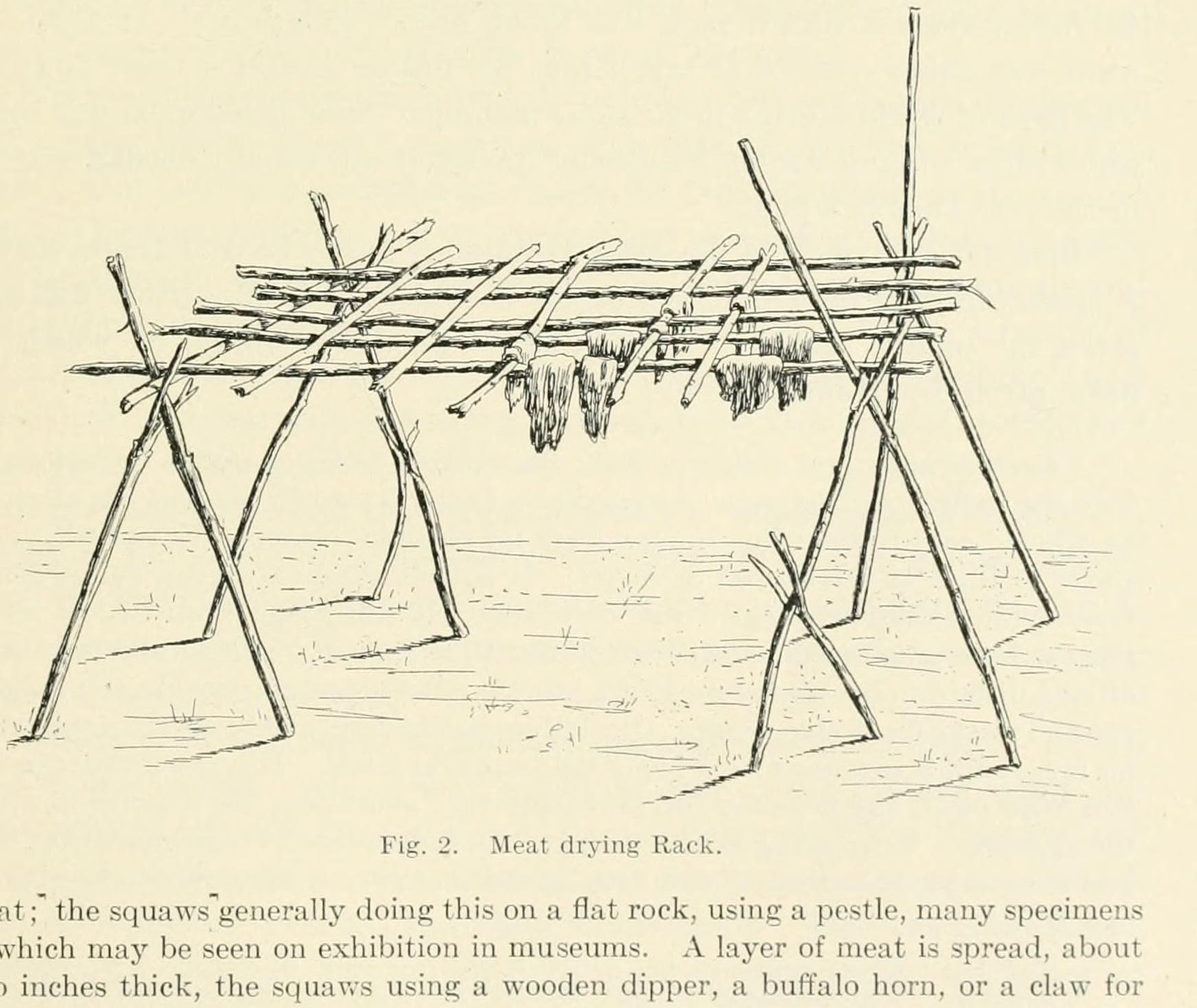
Blackfoot Pemmican: Dried Meat Warmed and Pounded, Marrow and Tallow Melted In, Crushed Chokecherries Worked Through (Wissler, 1910)
TheChef द्वारा
खाना र पेय
४
०
०
०
०
०
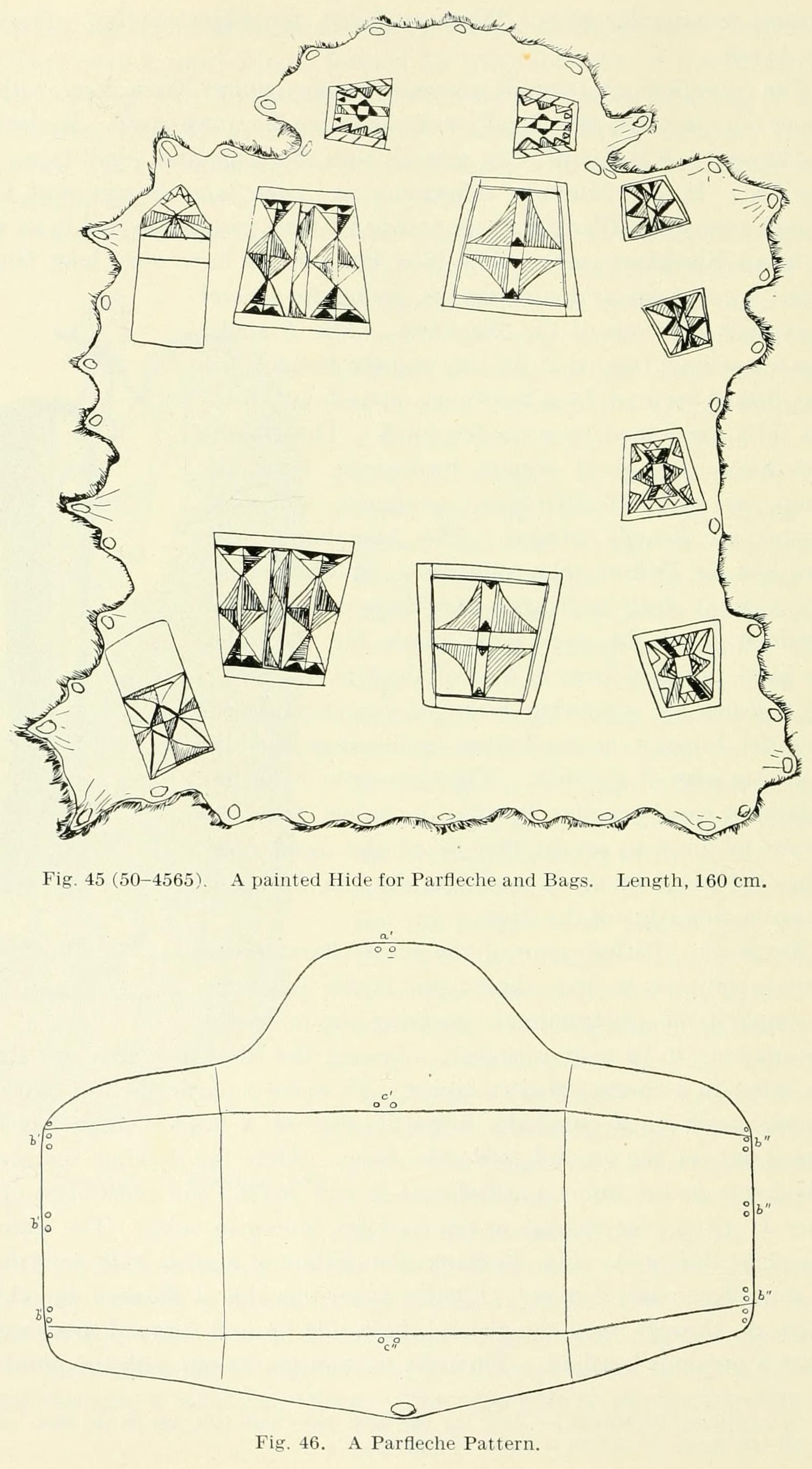
Blackfoot Parfleche: Rawhide Pegged Out, Fleshed, Painted While Staked, Scraped Even, Cut and Folded Like an Envelope (Wissler, 1910)
Tex द्वारा
कपडा र छाला
४
०
०
०
०
०
CC0 सार्वजनिक डोमेन
यो ब्लुप्रिन्ट CC0 अन्तर्गत जारी गरिएको छ। तपाईं अनुमति नसोधी प्रतिलिपि, परिमार्जन, वितरण र प्रयोग गर्न सक्नुहुन्छ।
ब्लुप्रिन्ट मार्फत उत्पादनहरू किनेर सिर्जनाकर्तालाई सहयोग गर्नुहोस् सिर्जनाकर्ता कमिसन विक्रेताले तोकेको, वा यो ब्लुप्रिन्टको नयाँ संस्करण बनाउनुहोस् र आम्दानी बाँड्न आफ्नो ब्लुप्रिन्टमा जडानको रूपमा समावेश गर्नुहोस्।