कला
सुन्दरता र कल्याण
हस्तकला
संस्कृति र इतिहास
मनोरञ्जन
वातावरण
खाना र पेय
रिभर्स इन्जिनियरिङ
विज्ञान
खेलकुद
प्रविधि
पहिर्न मिल्ने
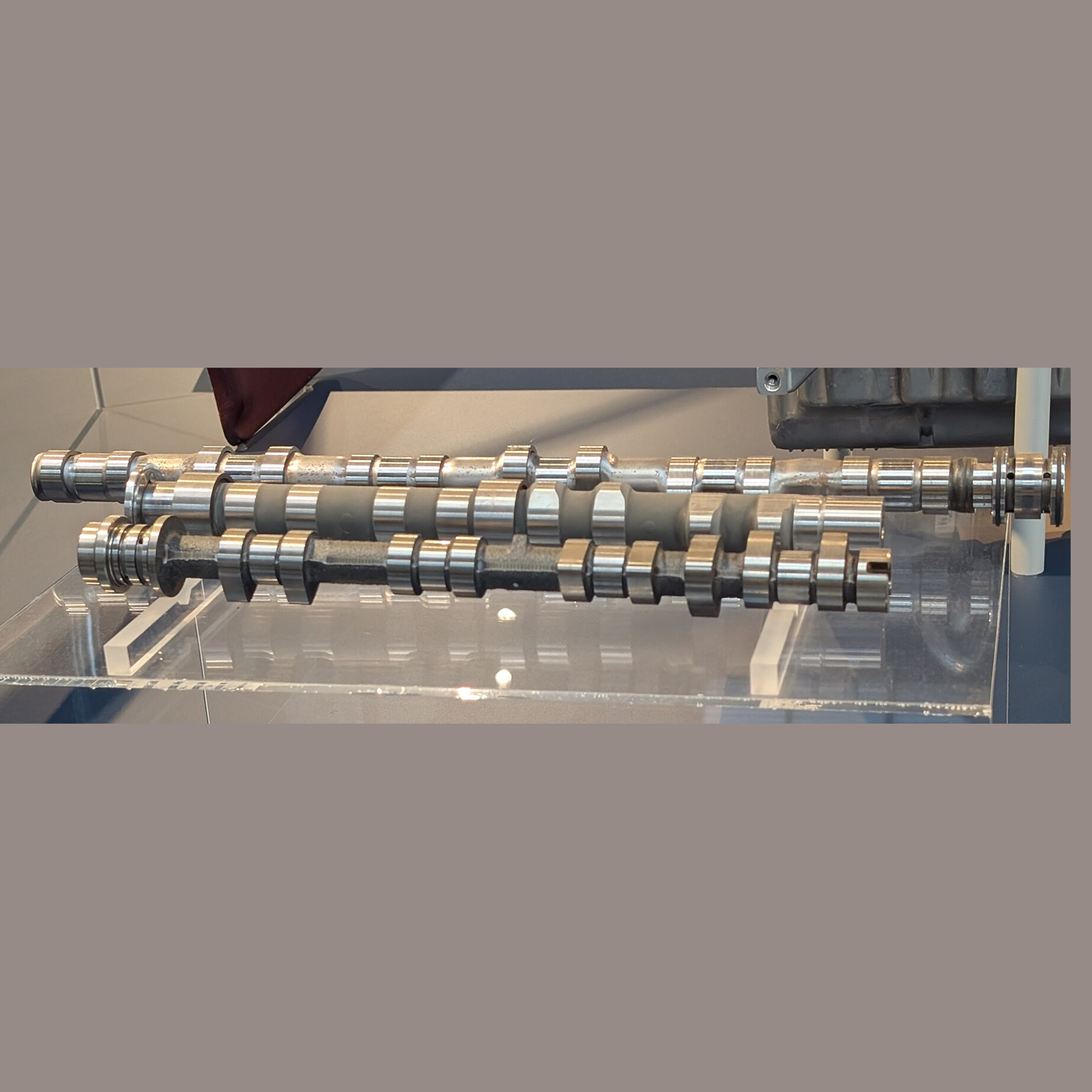

Cams and Valve Timing: Open Early, Close Late
A four-stroke engine breathes through poppet valves pushed open by a camshaft turning at half crank speed. When the valves open and close — the valve timing — decides how well the cylinder fills, and at what engine speed.
The surprise is that no valve opens or closes at the ends of the strokes. The gas moving through the ports has momentum, so the inlet opens before the top and closes well after the bottom, and near the top both valves are open together.
This practice rung works through an example timing, checks the valve-to-piston clearance during overlap, and shows how an engine builder 'degrees' a camshaft.
मध्यम
About 3 hours
निर्देशनहरू
1
1
How a cam profile is laid out
How a cam profile is laid out
Every lobe on a camshaft is a plate cam. The embedded blueprint lays out a displacement diagram and turns it into a profile; this rung is about WHEN each lobe acts, relative to the crank.
2
2
Durations, overlap and clearance
Durations, overlap and clearance
Jupyter नोटबुक लोड हुँदैछ…
3
3
Degree a camshaft
Degree a camshaft
'Degreeing' checks that a camshaft is timed as its maker intended.
1. Fix a degree wheel (a large protractor) to the crankshaft nose and a wire pointer to the block.
2. Find TRUE top dead centre: bring the piston up against a positive stop screwed into the plug hole from each direction, note both readings, and set the wheel so TDC is exactly half-way between them.
3. Put a dial indicator on the inlet valve's lifter or retainer, parallel to the valve.
4. Turn the crank forward and note the crank angle at maximum lift. Better: note the angles at 1 mm of lift on each side of the peak and take the mid-point — the lobe centre.
5. Compare with the cam card. A timing chain or belt a tooth out shows as the whole curve shifted by a fixed angle.
चाहिने औजार:
 चुम्बकीय आधारसहितको डायल इन्डिकेटर
 कोणमापक
 मिलाउन मिल्ने पाना
 एलेन चाबी सेट
4
4
Context
Context
A practice rung: poppet valves and camshafts go back to the earliest four-stroke engines, and early valve timing was found by trial. The ideas here — early opening, late closing, overlap — are how every four-stroke is timed. Variable valve timing shifts the lobes while the engine runs, to get the best of both at every speed.
**Honest limits.** The timing figures in the notebook are an example, and the lift curve is generated, not a real cam's. Real cams have ramps to take up clearance gently; real clearances are measured with modelling clay on the piston crown.
आवश्यक उपकरणहरू
4- चुम्बकीय आधारसहितको डायल इन्डिकेटर10% कमिसनप्लेसहोल्डर
- प्लेसहोल्डर
- प्लेसहोल्डर
- प्लेसहोल्डर
सम्बन्धित ब्लुप्रिन्ट
यी ब्लुप्रिन्टहरूले ज्ञान साझा गर्छन् — प्रविधि, सामग्री वा सिद्धान्त
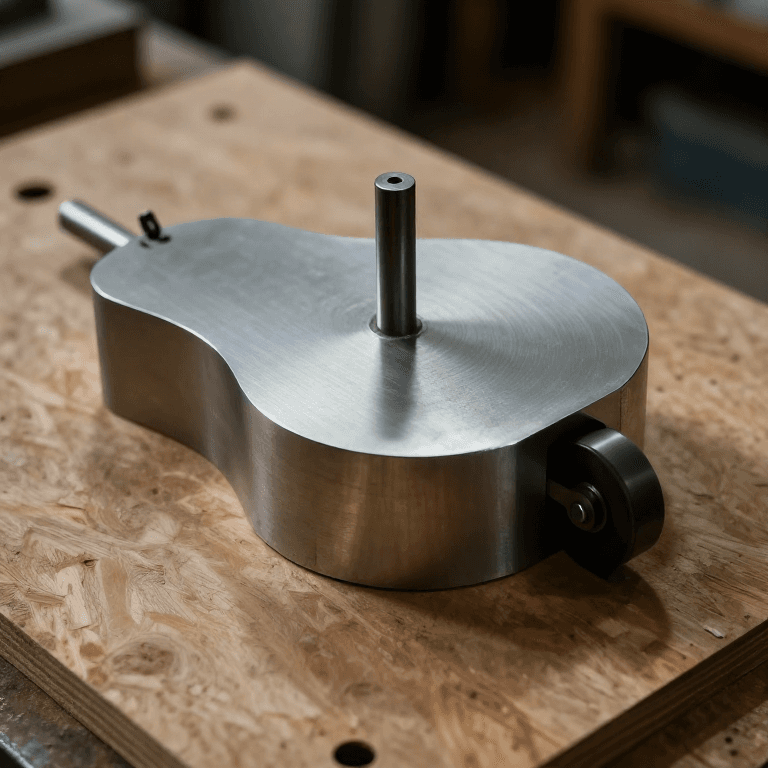
Plate Cam and Follower
Emma द्वारा
हस्तकला
४८
०
०
०
०
०
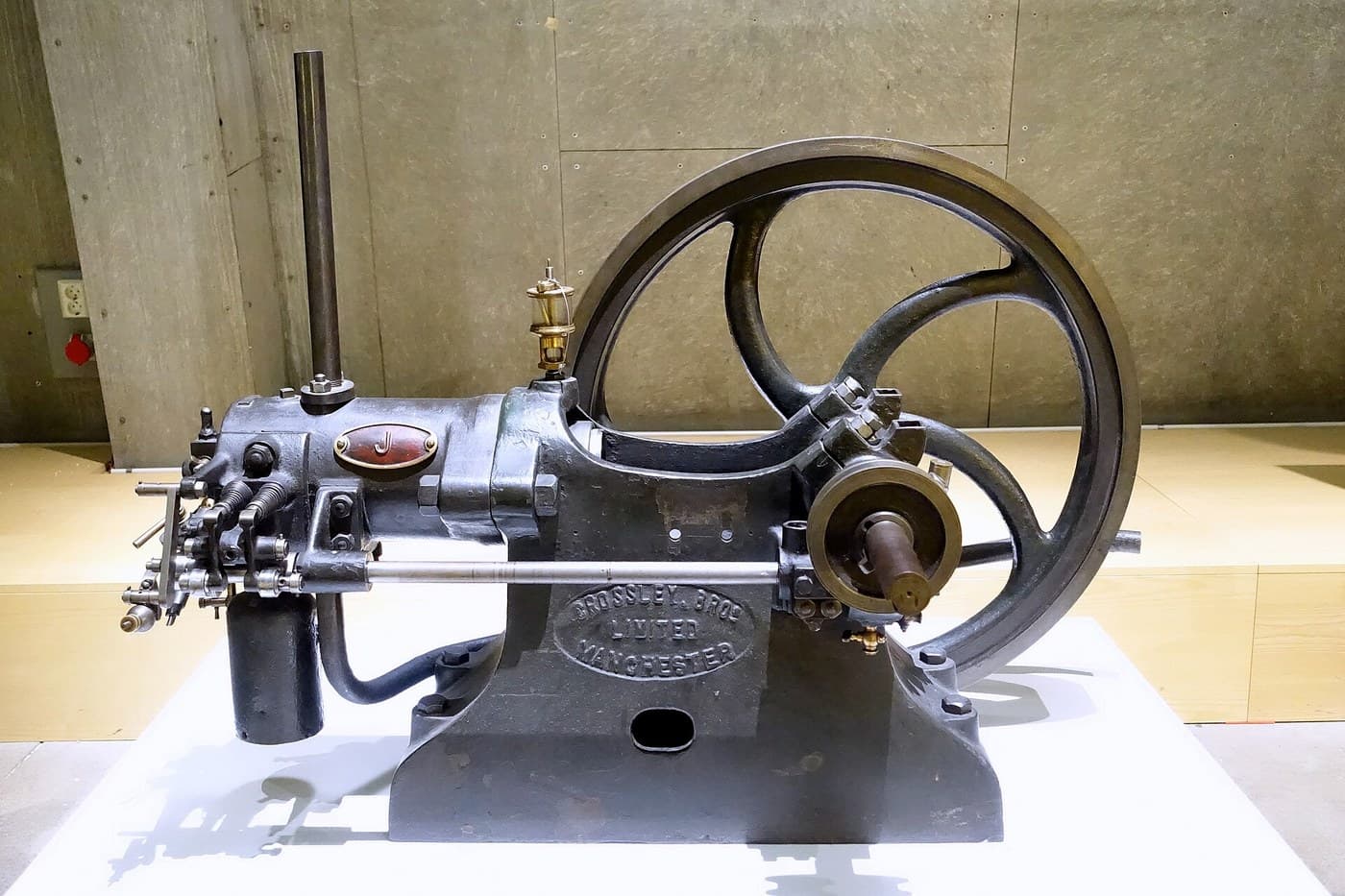
Otto Four-Stroke Engine
Martin द्वारा
भौतिकशास्त्र
४६
०
०
०
०
०
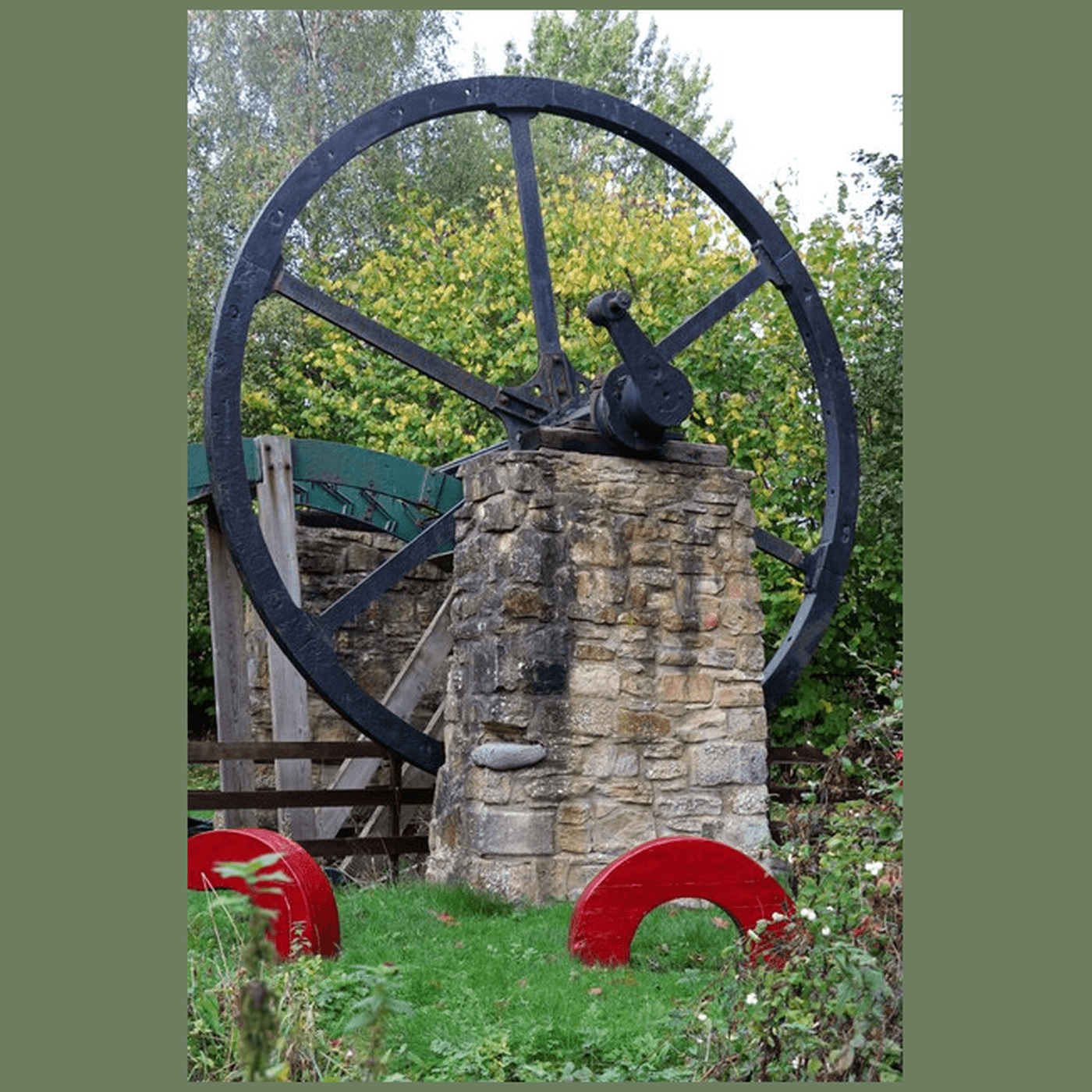
The Crank and the Flywheel: Smoothing One Bang in Two Turns
Martin द्वारा
यान्त्रिकी
६
०
०
०
०
०
The Two-Stroke Engine: The Piston Is the Valve
Martin द्वारा
यान्त्रिकी
४
०
०
०
०
०
The Involute: Why Gear Teeth Are That Shape and No Other
Martin द्वारा
यान्त्रिकी
२५
०
०
०
०
०
CC0 सार्वजनिक डोमेन
यो ब्लुप्रिन्ट CC0 अन्तर्गत जारी गरिएको छ। तपाईं अनुमति नसोधी प्रतिलिपि, परिमार्जन, वितरण र प्रयोग गर्न सक्नुहुन्छ।
ब्लुप्रिन्ट मार्फत उत्पादनहरू किनेर सिर्जनाकर्तालाई सहयोग गर्नुहोस् सिर्जनाकर्ता कमिसन विक्रेताले तोकेको, वा यो ब्लुप्रिन्टको नयाँ संस्करण बनाउनुहोस् र आम्दानी बाँड्न आफ्नो ब्लुप्रिन्टमा जडानको रूपमा समावेश गर्नुहोस्।