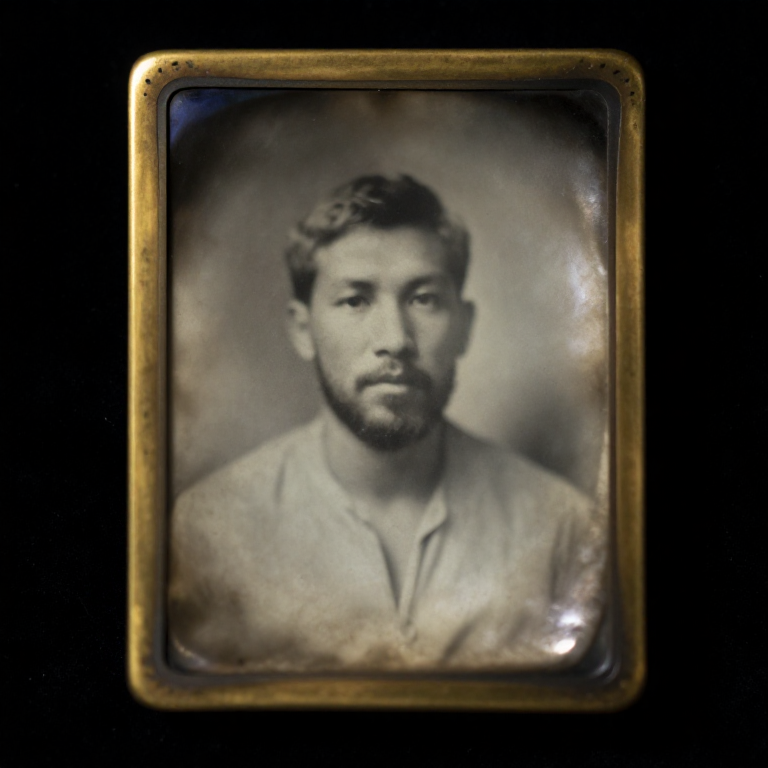


Making a Daguerreotype — The First Practical Photograph, Drawn in Silver and Mercury
In 1839 Louis Daguerre announced a way to fix the fleeting image of the camera obscura permanently onto a metal plate, and the world suddenly had photography. A daguerreotype is unlike a modern photo: it is a single, unrepeatable image formed in a film of silver on a mirror-polished plate, so sharp and detailed that nothing matched it for decades.
The method is pure chemistry and patience. A silver-faced plate is fumed with iodine to make a light-sensitive skin of silver iodide, exposed in a camera for minutes, then developed by holding it over a dish of warm mercury — whose vapour clings to exactly the spots that light has struck, building the picture. A bath of hyposulphite of soda dissolves away the unexposed silver so the image stops reacting to light.
The results were miraculous and the process was perilous: mercury vapour is a potent poison, and many early photographers paid for their art with their health. Each daguerreotype is also unique — there is no negative — which is why every surviving one is a singular object. It is the chemical bridge between the camera obscura and all photography that followed.
खतरनाक सामग्री
यो ब्लुप्रिन्टमा खतरनाक प्रक्रियाहरू छन्। चरणबद्ध निर्देशनहरू हेर्न लग इन गर्नुहोस् र तपाईंको खाता सेटिङहरूमा खतरनाक सामग्री सक्षम गर्नुहोस्।
सम्बन्धित ब्लुप्रिन्ट
यी ब्लुप्रिन्टहरूले ज्ञान साझा गर्छन् — प्रविधि, सामग्री वा सिद्धान्त
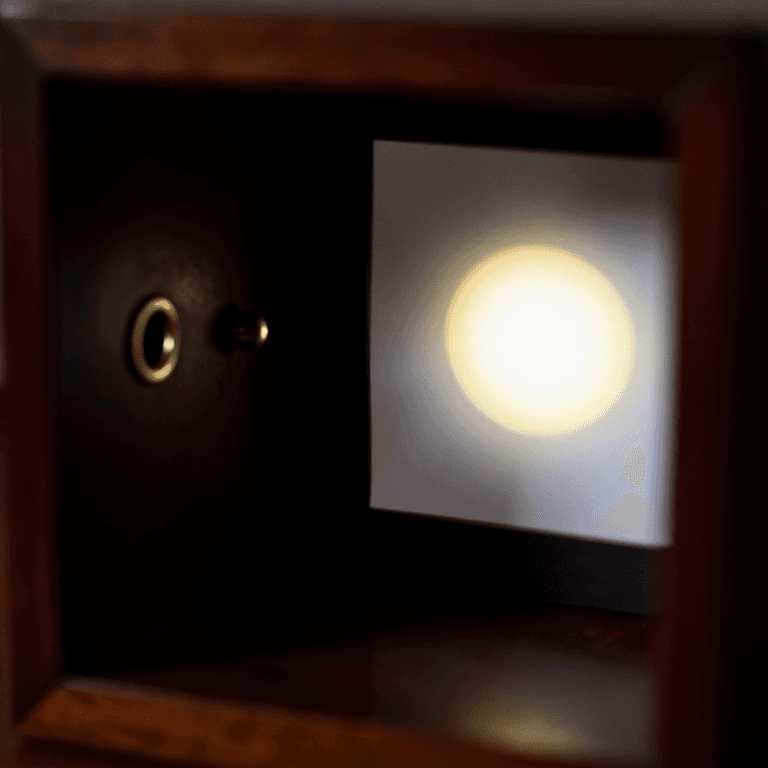
Building a Camera Obscura — Projecting the Sun and Eclipses Safely
Astro द्वारा
काठको काम
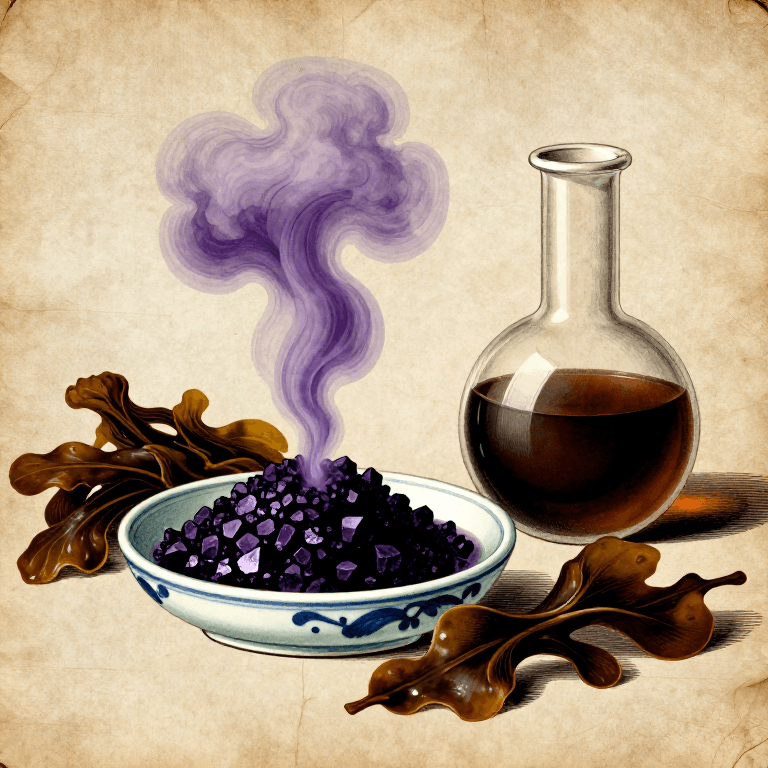
Extracting Iodine from Seaweed Ash — The Violet Vapor That Prevents Goiter
Peter द्वारा
समुद्र
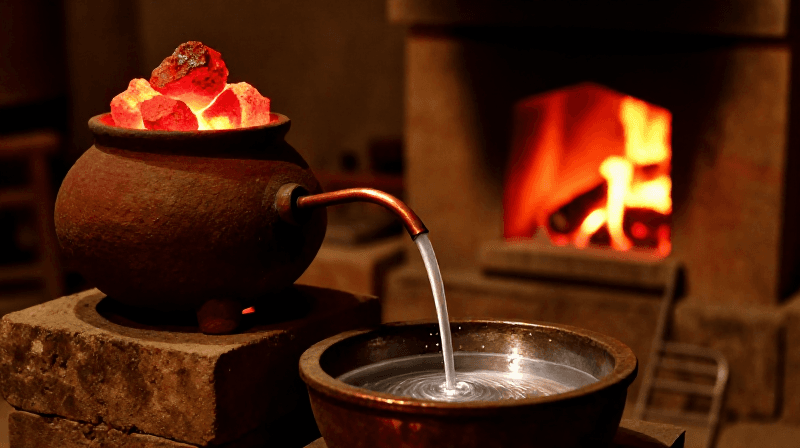
Extracting Mercury from Cinnabar — Distillation of Quicksilver from Red Ore
Peter द्वारा
खानी
CC0 सार्वजनिक डोमेन
यो ब्लुप्रिन्ट CC0 अन्तर्गत जारी गरिएको छ। तपाईं अनुमति नसोधी प्रतिलिपि, परिमार्जन, वितरण र प्रयोग गर्न सक्नुहुन्छ।
ब्लुप्रिन्ट मार्फत उत्पादनहरू किनेर सिर्जनाकर्तालाई सहयोग गर्नुहोस् सिर्जनाकर्ता कमिसन विक्रेताले तोकेको, वा यो ब्लुप्रिन्टको नयाँ संस्करण बनाउनुहोस् र आम्दानी बाँड्न आफ्नो ब्लुप्रिन्टमा जडानको रूपमा समावेश गर्नुहोस्।