

Dyeing Scarlet with Lac — India's Ancient Insect Dye and the Source of Shellac
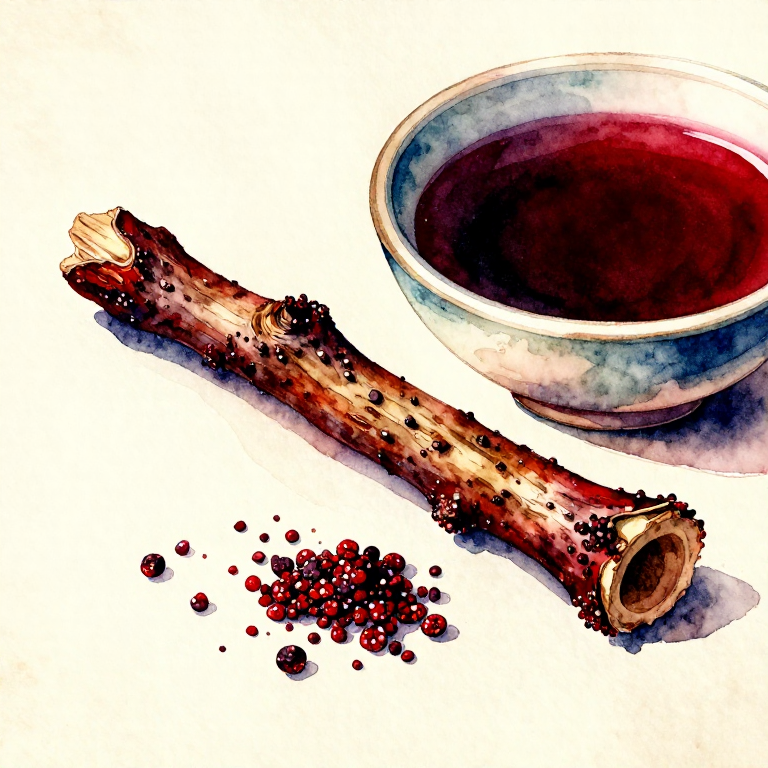
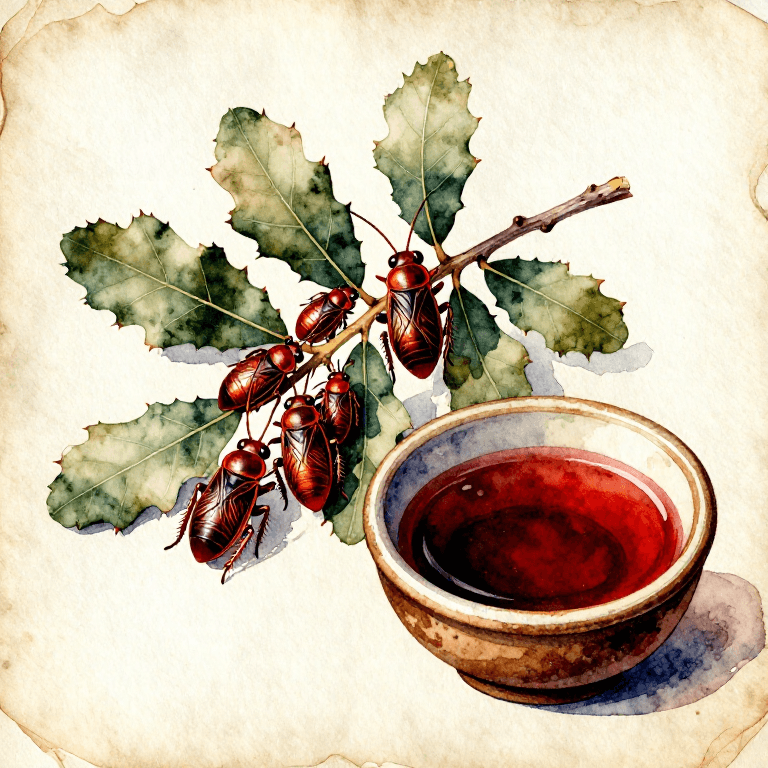
Lac is a resinous secretion of the scale insect Kerria lacca, which colonises the branches of certain tropical trees — especially kusum (Schleichera oleosa) and ber (Ziziphus mauritiana) — across South and Southeast Asia. The insects secrete a thick resin (lac) that encrusts the branches, and within this resin is a vivid red pigment called laccaic acid. Lac has been harvested in India for over 4,000 years, making it one of the oldest known dye materials. The Sanskrit word 'lākshā' (meaning one hundred thousand, referring to the vast numbers of insects) gave us the English word 'lac' and, through Persian, the word 'lake' as used in pigment terminology.
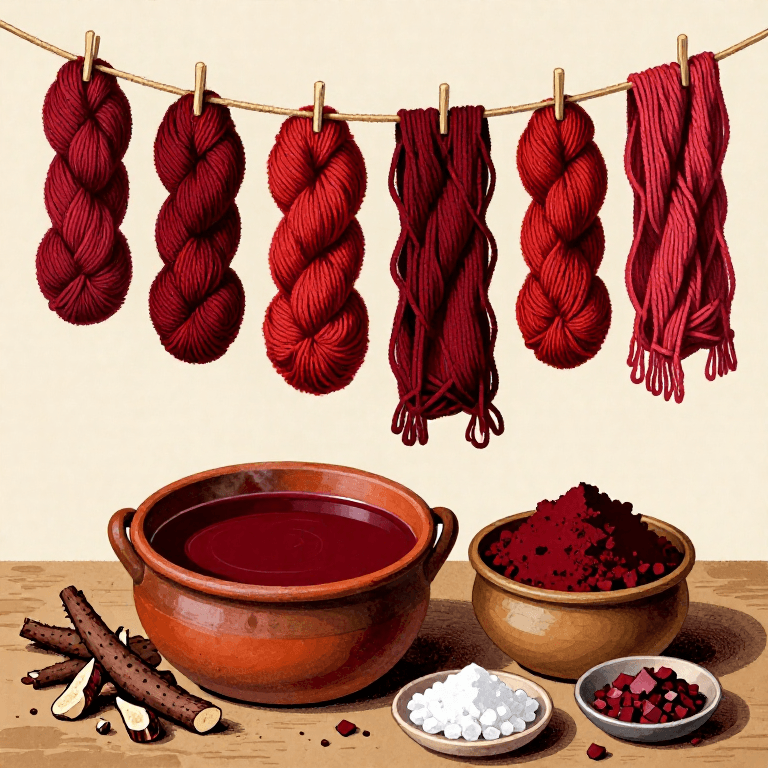
Lac is unique among dye materials because it serves two entirely different purposes. The resin, once the dye is washed out, becomes shellac — the natural polymer used for wood finishing, food glazing, and pharmaceutical coatings. The dye, extracted by soaking the raw lac in water, produces a brilliant scarlet on alum-mordanted wool and silk that rivals cochineal in depth and exceeds it in warmth. Indian, Persian, and Thai dyers used lac dye for luxury silks and carpets for millennia before cochineal arrived from the Americas.
On alum-mordanted wool, lac produces a warm scarlet that is distinctly different from both cochineal (cooler, blue-red) and kermes (more orange). With iron, lac gives deep plum-purple. The lightfastness is good — not quite as exceptional as cochineal, but far superior to most plant-based reds. Lac dye remains commercially available because the shellac industry produces it as a co-product.
निर्देशनहरू
Weigh the seed lac or stick lac
Weigh the seed lac or stick lac
Use 30-50% WOF of seed lac for a deep scarlet. For 100 g of wool, weigh out 30-50 g. Lac is sold in two main forms: stick lac (raw lac scraped from branches, containing twigs and insect debris) and seed lac (stick lac washed and filtered into clean granules). Seed lac is easier to work with for dyeing. The granules are dark reddish-brown and brittle. Higher quality seed lac is darker — pale or yellowish lac has had more dye already removed during shellac processing.
यस चरणका सामग्री:
 लाहको रङ (दाना लाह)40 ग्राम
चाहिने औजार:
 डिजिटल भान्साको तराजु
Soak the lac overnight in warm water
Soak the lac overnight in warm water
Place the seed lac in a pot with 4 litres of warm water and soak overnight (8-12 hours). The water dissolves the laccaic acid dye from the resin matrix — the liquid will turn a deep, murky red during soaking. The resin itself does not dissolve in water (it requires alcohol to become shellac), so the dye separates cleanly from the resin during this soak. Stir occasionally to break up any clumps.
चाहिने औजार:
 झोल पकाउने ठूलो भाँडो
Simmer for 60 minutes to extract the remaining dye
Simmer for 60 minutes to extract the remaining dye
Bring the pot to a gentle simmer (80-85°C) and hold for 60 minutes. Stir occasionally. The liquid will deepen to an intense, dark red — nearly opaque. The heat helps extract the remaining laccaic acid that the cold soak did not release. Do not boil vigorously — excessive heat can degrade the colour. After simmering, the lac granules will be pale and waxy, having surrendered their dye to the water.
चाहिने औजार:
 पकाउने तापमापक
 काठको डाडु
Strain out the spent lac resin
Strain out the spent lac resin
Strain the dye liquor through a fine mesh strainer into a clean pot. The spent lac resin (now pale and waxy) can be saved — it still contains the shellac polymer and can be dissolved in denatured alcohol to make a usable shellac finish for woodworking. The strained dye liquor should be a deep, clear red. Add 6 g of cream of tartar to brighten the scarlet and improve dye uptake.
यस चरणका सामग्री:
 क्रिम अफ टार्टार6 ग्राम
चाहिने औजार:
 मसिनो चाल्नी
Dye alum-mordanted wool at 85°C for 60 minutes
Dye alum-mordanted wool at 85°C for 60 minutes
Pre-wet the alum-mordanted wool, squeeze out excess, and lower it into the lac dye bath at room temperature. Slowly raise to 85°C over 30 minutes, then hold for a full 60 minutes. Turn gently every 10 minutes. Lac dye bonds well to alum-mordanted protein fibres — the laccaic acid forms a stable complex with aluminium ions. The bath will gradually pale as the wool absorbs the pigment.
यस चरणका सामग्री:
 ऊनी धागोको लट्ठा100 ग्राम
 फिटकिरी (पोटासियम एलम)10 ग्राम
Cool overnight and rinse
Cool overnight and rinse
Turn off the heat and let the wool cool in the dye bath overnight. Remove the next day, squeeze gently, and rinse in lukewarm water until the runoff is mostly clear. The final colour is a warm, rich scarlet — distinctly warmer than cochineal crimson, with an almost coppery glow that is characteristic of lac. On silk, lac produces an even more brilliant result — the fibre's natural sheen amplifies the warm red. Lac red has good washfastness and moderate-to-good lightfastness. Dry in shade.
Understand lac's dual identity — dye and shellac
Understand lac's dual identity — dye and shellac
Lac is the only dye material that simultaneously produces two entirely different commercial products: a textile dye and a polymer finish. The lac insect secretes the resin to protect its colony — a biological varnish. Inside the resin, the red pigment laccaic acid serves as a UV protectant. When a dyer extracts the dye with water, the remaining resin can be dissolved in alcohol to make shellac — the same finish used on antique furniture, French-polished pianos, and pharmaceutical pill coatings. This dual harvest made lac one of the most economically important insect products in human history, rivalling honey and silk.
सामग्री
4- 40 ग्रामप्लेसहोल्डर
- 6 ग्रामप्लेसहोल्डर
- 100 ग्रामप्लेसहोल्डर
- 10 ग्रामप्लेसहोल्डर
आवश्यक उपकरणहरू
5- प्लेसहोल्डर
- प्लेसहोल्डर
- प्लेसहोल्डर
- प्लेसहोल्डर
- प्लेसहोल्डर
जोडिएका खाकाका सामग्री
सम्बन्धित ब्लुप्रिन्ट
यी ब्लुप्रिन्टहरूले ज्ञान साझा गर्छन् — प्रविधि, सामग्री वा सिद्धान्त
CC0 सार्वजनिक डोमेन
यो ब्लुप्रिन्ट CC0 अन्तर्गत जारी गरिएको छ। तपाईं अनुमति नसोधी प्रतिलिपि, परिमार्जन, वितरण र प्रयोग गर्न सक्नुहुन्छ।
ब्लुप्रिन्ट मार्फत उत्पादनहरू किनेर सिर्जनाकर्तालाई सहयोग गर्नुहोस् सिर्जनाकर्ता कमिसन विक्रेताले तोकेको, वा यो ब्लुप्रिन्टको नयाँ संस्करण बनाउनुहोस् र आम्दानी बाँड्न आफ्नो ब्लुप्रिन्टमा जडानको रूपमा समावेश गर्नुहोस्।