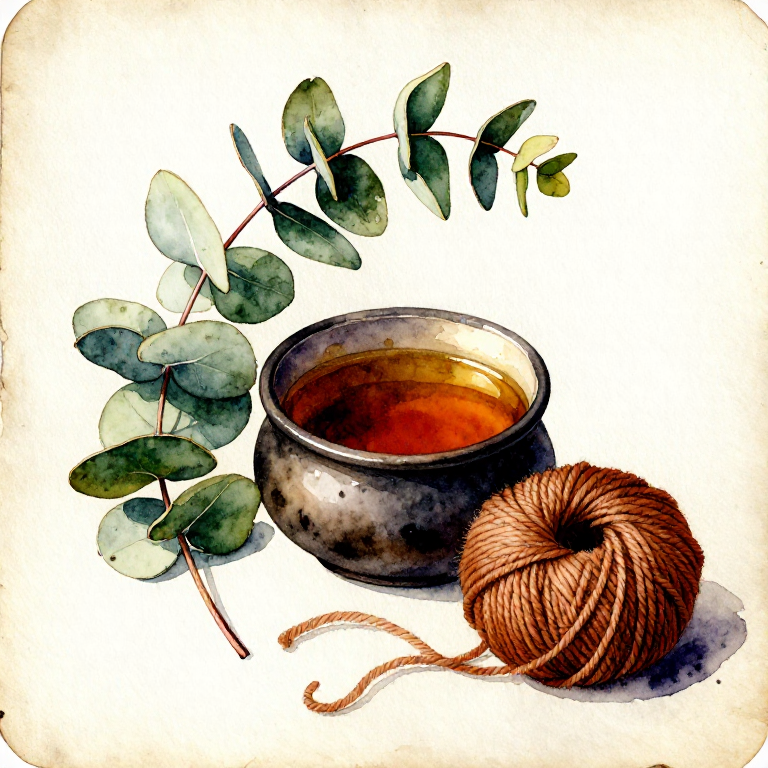

Dyeing Tan to Rust with Eucalyptus — The Australian Bark Dye
Eucalyptus (Eucalyptus globulus, E. cinerea, and many other species) is one of the great dye trees of the southern hemisphere. The leaves and bark of eucalyptus species contain a complex mixture of tannins, flavonoids, and essential oils that produce a warm range of colours on protein fibres — from pale gold to deep rust-red, depending on the species and the mordant used. Aboriginal Australians used eucalyptus bark for both dyeing and tanning for thousands of years before European contact.
The genus Eucalyptus contains over 700 species, and the dye colour varies significantly between them. Eucalyptus cinerea (silver dollar gum) is prized by dyers for its red-orange hues. Eucalyptus globulus (blue gum) produces warmer, browner tones. The peeling bark of many eucalyptus species — shed naturally in long strips — is an abundant and renewable dye source that requires no harm to the tree. Fallen leaves are equally effective.
For dyers outside Australia, eucalyptus has become widely naturalised across the Mediterranean, California, South America, and parts of Africa. The trees grow fast, shed leaves and bark constantly, and provide free dye material in large quantities. Eucalyptus is an excellent beginner dye — the process is straightforward, the colour is warm and appealing, and the lightfastness is good due to the high tannin content. With iron modification, eucalyptus produces deep grey-brown to charcoal tones.
निर्देशनहरू
Gather and weigh eucalyptus leaves or bark
Gather and weigh eucalyptus leaves or bark
Use 200% WOF of fresh eucalyptus leaves, or 100% WOF dried. For 100 g of wool, gather 200 g of fresh leaves or 100 g of dried. Both leaves and bark produce colour — leaves are easier to gather and process. Fallen leaves from the ground work well. Tear larger leaves into pieces to increase surface area. If using bark, collect naturally shed bark strips from the ground beneath the tree — never strip bark from a living tree.
यस चरणका सामग्री:
 युकलिप्टसका पात (सुकेका)100 ग्राम
चाहिने औजार:
 डिजिटल भान्साको तराजु
Soak the leaves in warm water for 2-3 hours
Soak the leaves in warm water for 2-3 hours
Place the eucalyptus leaves in a dye pot with 4 litres of warm water and soak for 2-3 hours. The water will turn a golden-amber as tannins and flavonoids dissolve. The strong, characteristic eucalyptus aroma will be immediately noticeable — menthol and camphor from the essential oils. An overnight soak produces deeper colour but the strong scent can be overpowering indoors.
चाहिने औजार:
 झोल पकाउने ठूलो भाँडो
Simmer at 80°C for 45 minutes
Simmer at 80°C for 45 minutes
Bring the pot to a gentle simmer (80°C) and hold for 45 minutes. Stir occasionally. The liquid will deepen to a warm amber to rust-orange, depending on the species. Work in a well-ventilated area or outdoors — the eucalyptus essential oils vaporise during simmering and the scent is very strong. The leaves will darken and lose their colour as the pigment transfers to the water.
चाहिने औजार:
 पकाउने तापमापक
 काठको डाडु
Strain out the leaves
Strain out the leaves
Strain the dye liquor through a fine mesh strainer into a clean pot. Press the leaves to extract all remaining liquid. Eucalyptus leaves are tough and leathery even after simmering — they strain more cleanly than soft leaf dyes. The strained liquor should be a warm, clear amber to rust-orange.
चाहिने औजार:
 मसिनो चाल्नी
Dye alum-mordanted wool at 80°C for 45 minutes
Dye alum-mordanted wool at 80°C for 45 minutes
Pre-wet the alum-mordanted wool in lukewarm water for 15 minutes, squeeze gently, and lower it into the eucalyptus dye bath at room temperature. Slowly raise to 80°C over 15 minutes, then hold for 45 minutes. Turn gently every 10 minutes. The wool will develop a warm tan to rust tone — the exact shade depends on the eucalyptus species. Alum mordanting produces warmer, more golden tones. Iron modification shifts the colour dramatically toward deep grey-brown. Eucalyptus tannins also bond directly to wool without mordant, producing cooler brown shades.
यस चरणका सामग्री:
 ऊनी धागोको लट्ठा100 ग्राम
 फिटकिरी (पोटासियम एलम)10 ग्राम
Cool overnight, rinse, and dry
Cool overnight, rinse, and dry
Turn off the heat and let the wool cool in the dye bath overnight. Remove, squeeze gently, and rinse in lukewarm water until the runoff is clear. The final colour is a warm tan to soft rust — earthy and natural, with the warm red-brown undertone characteristic of Australian eucalyptus. Lightfastness is good — the tannin-based colour is more permanent than most leaf dyes. Washfastness is excellent. The wool may retain a faint eucalyptus scent that gradually fades. Dry in shade.
सामग्री
3- 100 ग्रामप्लेसहोल्डर
- 100 ग्रामप्लेसहोल्डर
- 10 ग्रामप्लेसहोल्डर
आवश्यक उपकरणहरू
5- प्लेसहोल्डर
- प्लेसहोल्डर
- प्लेसहोल्डर
- प्लेसहोल्डर
- प्लेसहोल्डर
जोडिएका खाकाका सामग्री
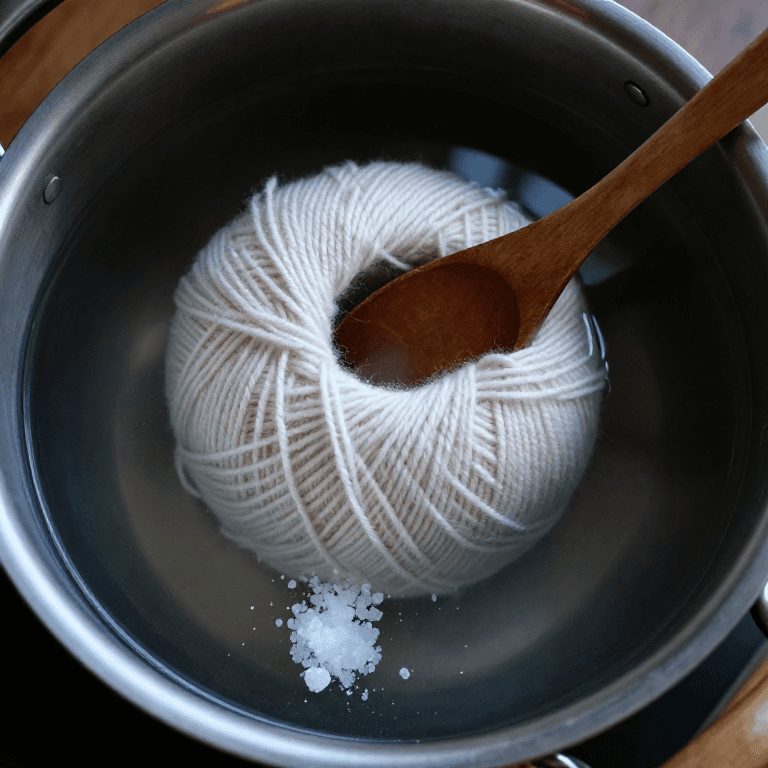
Mordanting Wool with Alum — The Foundation of Natural Dyeing
Tex द्वारा
कपडा र छाला
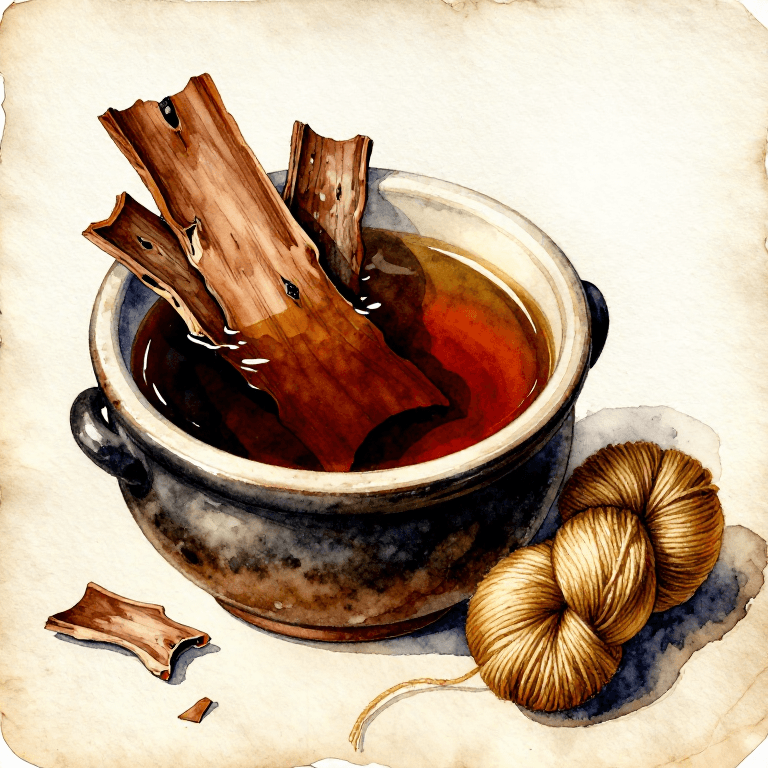
Dyeing with Oak Bark — Tannin Brown from the Most Common European Tree
Tex द्वारा
कपडा र छाला
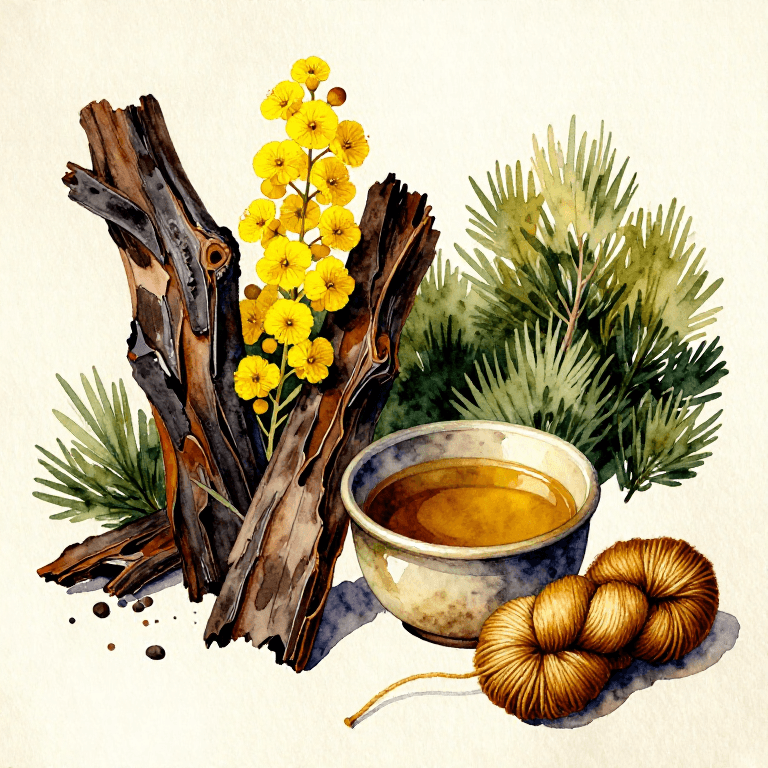
Dyeing Golden-Brown with Wattle Bark — The Australian Acacia Tannin Dye
Tex द्वारा
कपडा र छाला
यो खाकाले बनाउँछ

सम्बन्धित ब्लुप्रिन्ट
यी ब्लुप्रिन्टहरूले ज्ञान साझा गर्छन् — प्रविधि, सामग्री वा सिद्धान्त
CC0 सार्वजनिक डोमेन
यो ब्लुप्रिन्ट CC0 अन्तर्गत जारी गरिएको छ। तपाईं अनुमति नसोधी प्रतिलिपि, परिमार्जन, वितरण र प्रयोग गर्न सक्नुहुन्छ।
ब्लुप्रिन्ट मार्फत उत्पादनहरू किनेर सिर्जनाकर्तालाई सहयोग गर्नुहोस् सिर्जनाकर्ता कमिसन विक्रेताले तोकेको, वा यो ब्लुप्रिन्टको नयाँ संस्करण बनाउनुहोस् र आम्दानी बाँड्न आफ्नो ब्लुप्रिन्टमा जडानको रूपमा समावेश गर्नुहोस्।