कला
सुन्दरता र कल्याण
हस्तकला
संस्कृति र इतिहास
मनोरञ्जन
वातावरण
खाना र पेय
रिभर्स इन्जिनियरिङ
विज्ञान
खेलकुद
प्रविधि
पहिर्न मिल्ने
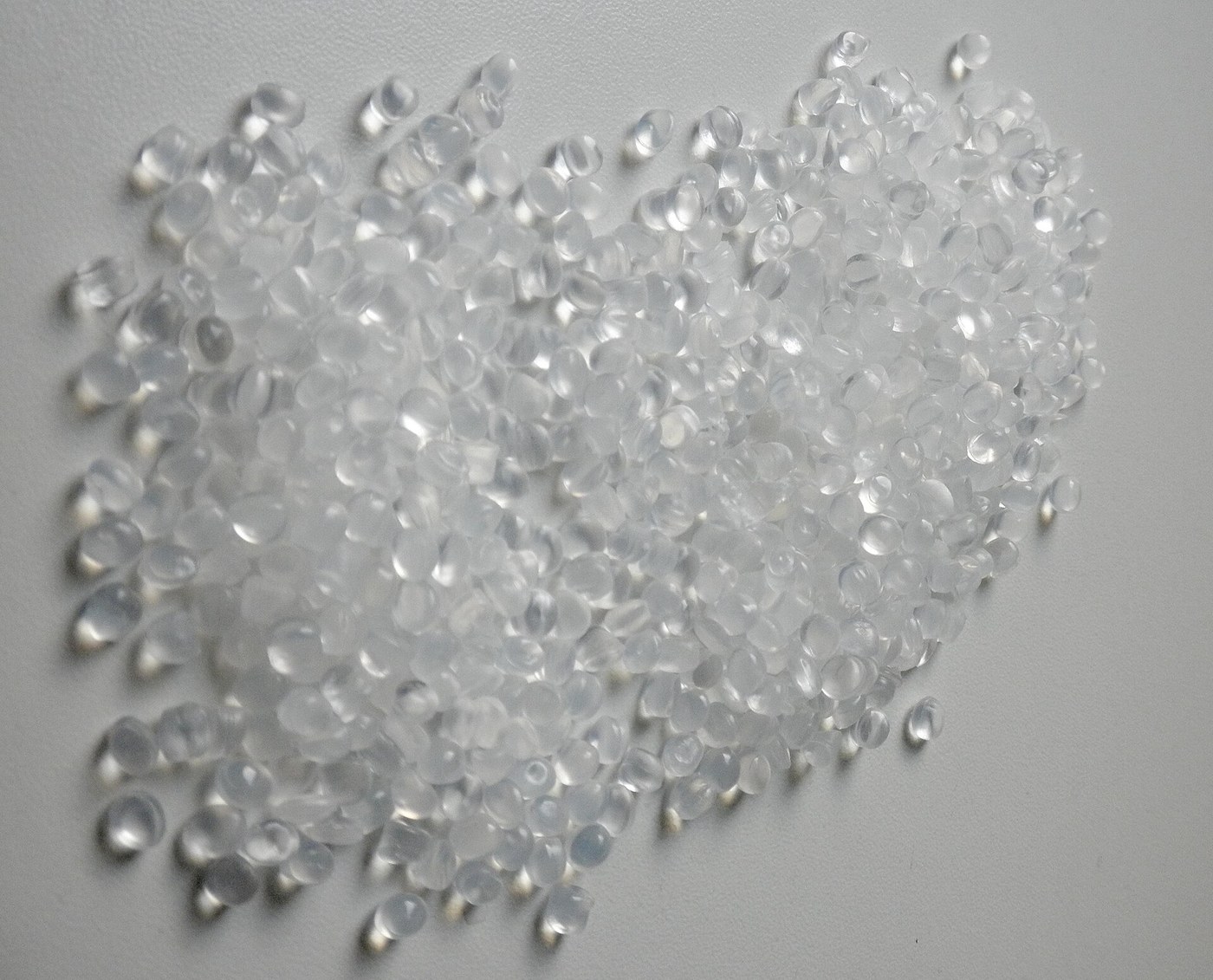


High-Pressure Polyethylene
In March 1933 Eric Fawcett and Reginald Gibson at ICI squeezed ethylene gas with benzaldehyde to about 1400 atmospheres and found a white waxy solid in the vessel. It could not be repeated reliably until 1935, when Michael Perrin's team traced the trick to a trace of oxygen that started the chains. The product was polyethylene - light, tough, a superb electrical insulator, and soon the cable insulation of wartime radar.
**US 2,153,553**, "Polymerization of olefins", Fawcett, Gibson and Perrin, assigned to Imperial Chemical Industries, granted 11. April 1939, claims "subjecting ethylene to a pressure above about 500 atmospheres and a temperature above about 100 C"; its example runs at 2000 atmospheres and 170 °C.
**Nobody reproduces 2000 atmospheres at home.** You work the polymer instead: fuse polyethylene bags into a tough sheet with an iron, then measure its density to tell high-pressure (branched, low-density) polyethylene from its later straight-chain sibling.
शुरुआती
90 minutes
निर्देशनहरू
1
1
Sort the bags
Sort the bags
Collect clean, dry carrier or produce bags marked LDPE (recycling code 4). Cut off handles and seams; open each into a flat sheet.
यस चरणका सामग्री:
 प्लास्टिकका झोला8 टुक्रा
चाहिने औजार:
 कैँची
कैँची2
2
Stack between parchment
Stack between parchment
Stack 6 layers of bag film, printed side inward, between two sheets of baking parchment. The film must never touch the iron.
यस चरणका सामग्री:
 बेकिङ पार्चमेन्ट कागज2 पाना
3
3
Fuse with the iron
Fuse with the iron
Iron on a low-medium setting, no steam, moving constantly for 15 seconds. Ventilate. Too hot and it shrivels and smokes - lower the setting.
चाहिने औजार:
 भापे इस्त्री
 N95 श्वास मास्क
4
4
Flip, repeat, cool
Flip, repeat, cool
Flip and iron the other side. Peel the parchment once cool. Re-iron any bubbled patches. The layers are now one welded sheet.
चाहिने औजार:
भापे इस्त्री5
5
Pull-test both
Pull-test both
Cut 20 mm strips from the fused sheet and from a single bag layer. Clamp each in the vise and pull with the spring scale. Record the peak force.
चाहिने औजार:
 बलमापक (स्प्रिङ तराजु)
 बेन्चको भाइसकैँची
6
6
Float test
Float test
Pour 50 ml isopropyl alcohol into a beaker. Drop in a small chip of the sheet - it sinks. Add water 10 ml at a time, stirring, then 1 ml at a time once the chip starts to lift, until it hangs mid-liquid. Note the total water added.
यस चरणका सामग्री:
 आइसोप्रोपाइल अल्कोहल ९९ %50 मिलि
चाहिने औजार:
 सिसाको बिकर
 अङ्कित सिलिन्डर
 पिपेट र थोपा झार्नेको सेट
 चलाउने डण्डी
7
7
Pressure, density, siblings
Pressure, density, siblings
Jupyter नोटबुक लोड हुँदैछ…
8
8
History & Context
History & Context
**What the patent specifies:** ethylene above about 500 atm and 100 °C (preferred 1000+ atm, 150–250 °C). **Modern build (derived):** post-consumer LDPE film, fused well below its decomposition temperature.
Low-pressure routes in the 1950s gave straight-chain, denser HDPE; both are still made in huge volumes because the branches that make LDPE weaker also make it softer and clearer. Limits: it creeps under load, softens around 100 °C, and burns.
सामग्री
3- 8 टुक्राप्लेसहोल्डर
- 2 पानाप्लेसहोल्डर
- 50 मिलिप्लेसहोल्डर
आवश्यक उपकरणहरू
9- प्लेसहोल्डर
- भापे इस्त्री10% कमिसनप्लेसहोल्डर
- प्लेसहोल्डर
- प्लेसहोल्डर
- प्लेसहोल्डर
- प्लेसहोल्डर
- प्लेसहोल्डर
- पिपेट र थोपा झार्नेको सेट10% कमिसनप्लेसहोल्डर
- प्लेसहोल्डर
सम्बन्धित ब्लुप्रिन्ट
यी ब्लुप्रिन्टहरूले ज्ञान साझा गर्छन् — प्रविधि, सामग्री वा सिद्धान्त

CC0 सार्वजनिक डोमेन
यो ब्लुप्रिन्ट CC0 अन्तर्गत जारी गरिएको छ। तपाईं अनुमति नसोधी प्रतिलिपि, परिमार्जन, वितरण र प्रयोग गर्न सक्नुहुन्छ।
ब्लुप्रिन्ट मार्फत उत्पादनहरू किनेर सिर्जनाकर्तालाई सहयोग गर्नुहोस् सिर्जनाकर्ता कमिसन विक्रेताले तोकेको, वा यो ब्लुप्रिन्टको नयाँ संस्करण बनाउनुहोस् र आम्दानी बाँड्न आफ्नो ब्लुप्रिन्टमा जडानको रूपमा समावेश गर्नुहोस्।