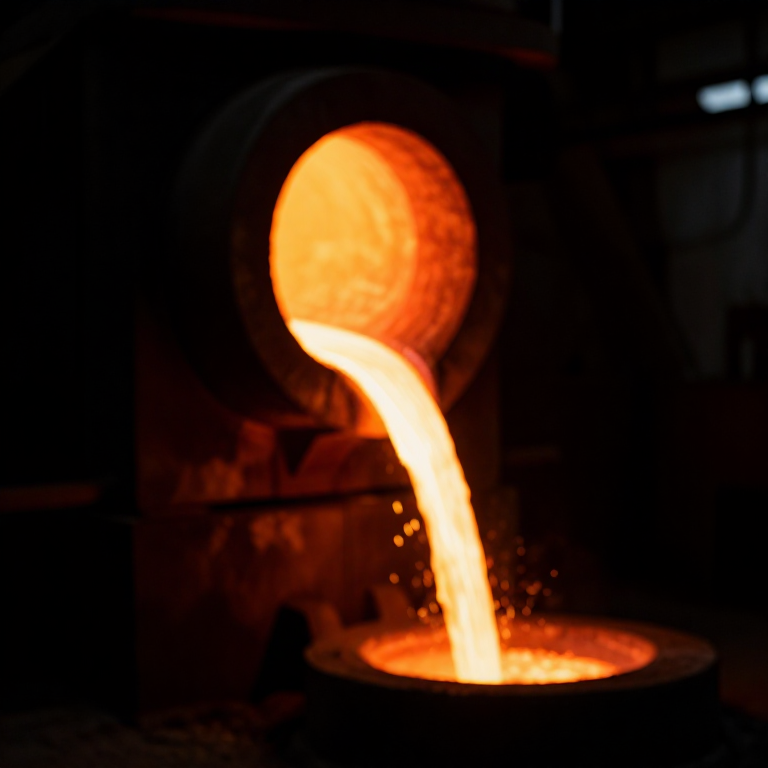


Smelting Pig Iron in a Coke Blast Furnace — Molten Iron at Industrial Scale
The bloomery gave the ancient world iron, but only in small spongy lumps, one slow batch at a time. The blast furnace changed everything: a tall shaft kept continuously charged and blown produces a steady river of molten iron. Where a bloomery never melts its metal, a blast furnace runs hot enough to liquefy iron entirely, letting it pool at the hearth and be tapped out by the tonne.
The key is heat and chemistry working together. A powerful air blast burns coke to carbon monoxide, which strips the oxygen from iron ore; meanwhile the descending iron soaks up carbon until it melts. Limestone added as flux carries off the stony impurities as a floating slag. What runs out of the tap hole is pig iron — iron saturated with about four percent carbon: hard, brittle, and perfect for casting or for refining into wrought iron and steel.
When coke replaced charcoal as the blast-furnace fuel in the early 1700s, iron could finally be made in unlimited quantity without consuming whole forests. Cheap pig iron became the raw material of the Industrial Revolution — the metal behind rails, bridges, engines, and machines.
निर्देशनहरू
Understand pig iron
Understand pig iron
Build the shaft furnace
Build the shaft furnace
यस चरणका सामग्री:
 आगो थेग्ने इँटा80 टुक्रा
चाहिने औजार:
 हातको कोदालो
Crush the ore and flux
Crush the ore and flux
यस चरणका सामग्री:
 सुकाइएको सिमसारको फलाम खानी30 केजी
 चुनढुङ्गाको पाता8 केजी
चाहिने औजार:
 घन
घनSet up the air blast
Set up the air blast
चाहिने औजार:
 खलाती
खलातीLight the coke bed
Light the coke bed
यस चरणका सामग्री:
 धातुकर्म कोक40 केजी
Charge in layers
Charge in layers
यस चरणका सामग्री:
धातुकर्म कोक40 केजीReduce the ore
Reduce the ore
Melt and carburize
Melt and carburize
Form and tap the slag
Form and tap the slag
चाहिने औजार:
 भट्टी खोल्ने डन्डी
Tap the molten iron
Tap the molten iron
चाहिने औजार:
भट्टी खोल्ने डन्डीCast the pigs
Cast the pigs
यस चरणका सामग्री:
 ढलाइको बालुवा50 केजी
Cool, break, and identify
Cool, break, and identify
चाहिने औजार:
घनसामग्री
5- 80 टुक्राप्लेसहोल्डर
- 30 केजीप्लेसहोल्डर
- 8 केजीप्लेसहोल्डर
- 40 केजीप्लेसहोल्डर
- 50 केजीप्लेसहोल्डर
जोडिएका खाकाका सामग्री
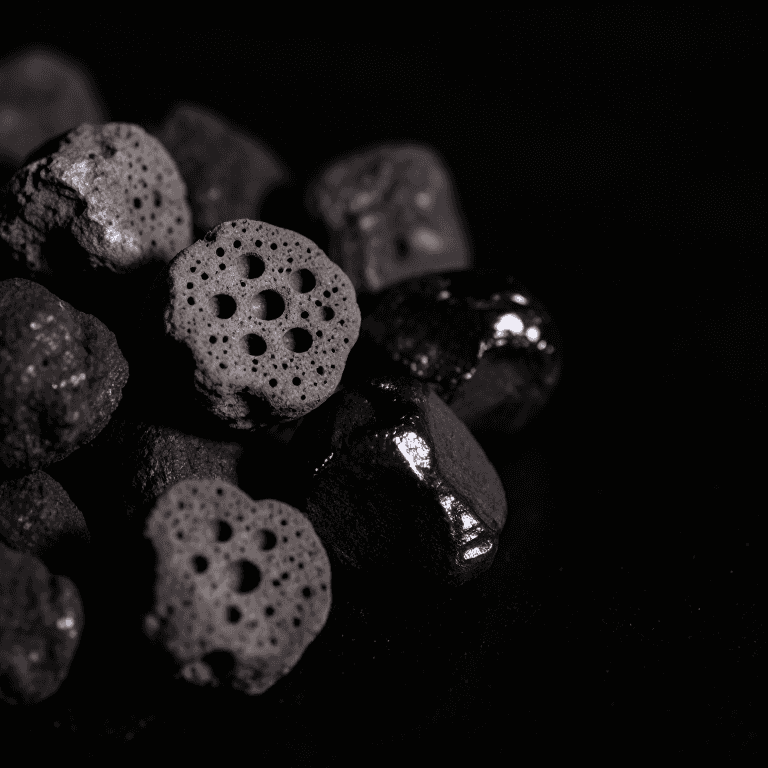
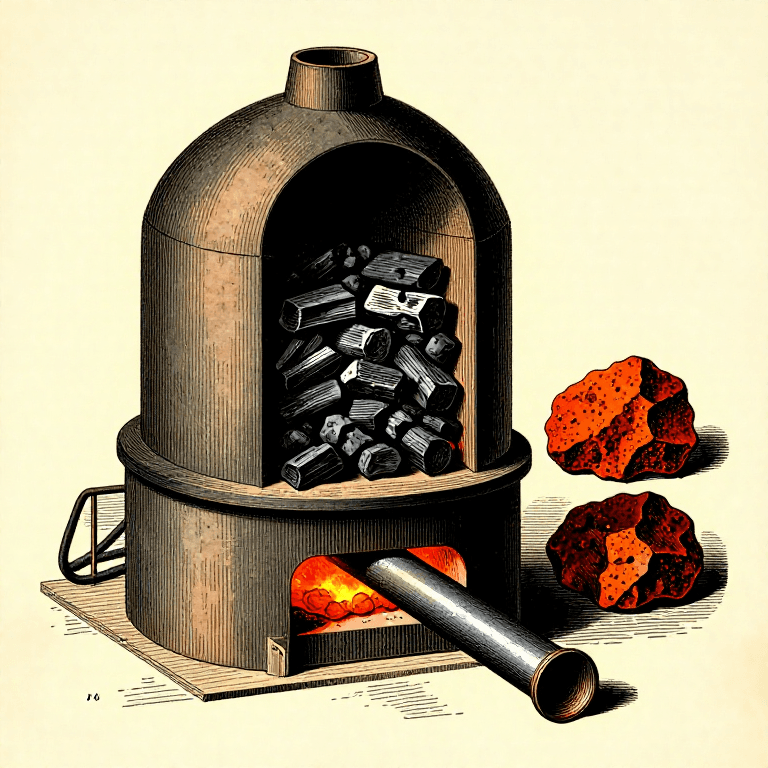

सम्बन्धित ब्लुप्रिन्ट
यी ब्लुप्रिन्टहरूले ज्ञान साझा गर्छन् — प्रविधि, सामग्री वा सिद्धान्त
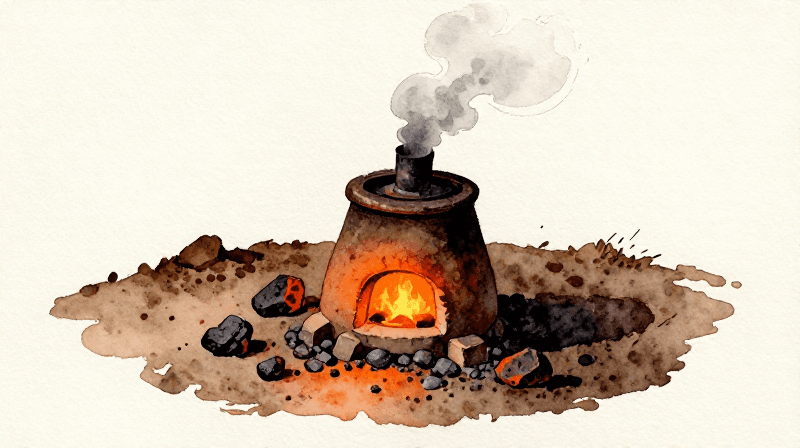

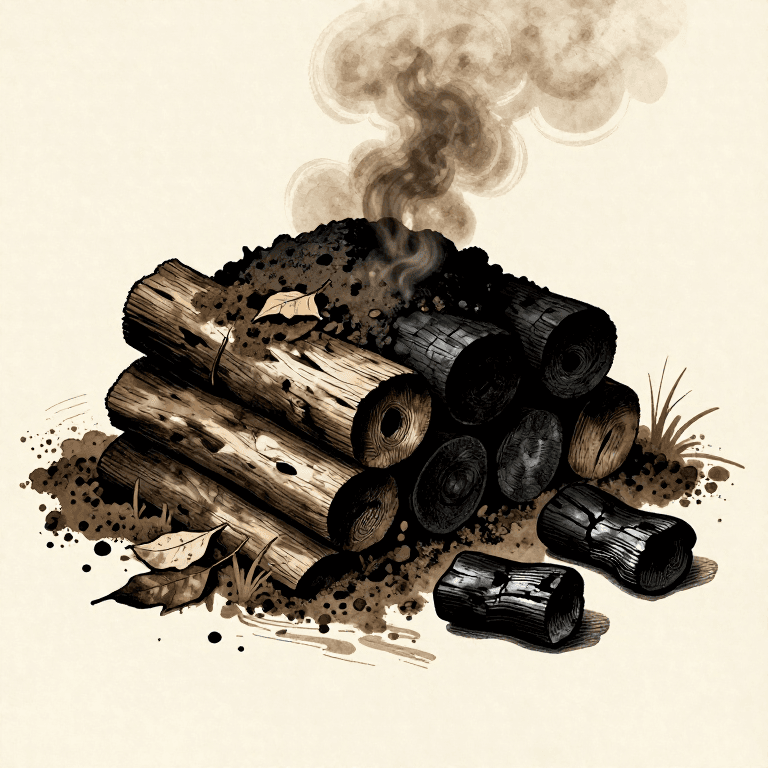

CC0 सार्वजनिक डोमेन
यो ब्लुप्रिन्ट CC0 अन्तर्गत जारी गरिएको छ। तपाईं अनुमति नसोधी प्रतिलिपि, परिमार्जन, वितरण र प्रयोग गर्न सक्नुहुन्छ।
ब्लुप्रिन्ट मार्फत उत्पादनहरू किनेर सिर्जनाकर्तालाई सहयोग गर्नुहोस् सिर्जनाकर्ता कमिसन विक्रेताले तोकेको, वा यो ब्लुप्रिन्टको नयाँ संस्करण बनाउनुहोस् र आम्दानी बाँड्न आफ्नो ब्लुप्रिन्टमा जडानको रूपमा समावेश गर्नुहोस्।