कला
सुन्दरता र कल्याण
हस्तकला
संस्कृति र इतिहास
मनोरञ्जन
वातावरण
खाना र पेय
रिभर्स इन्जिनियरिङ
विज्ञान
खेलकुद
प्रविधि
पहिर्न मिल्ने
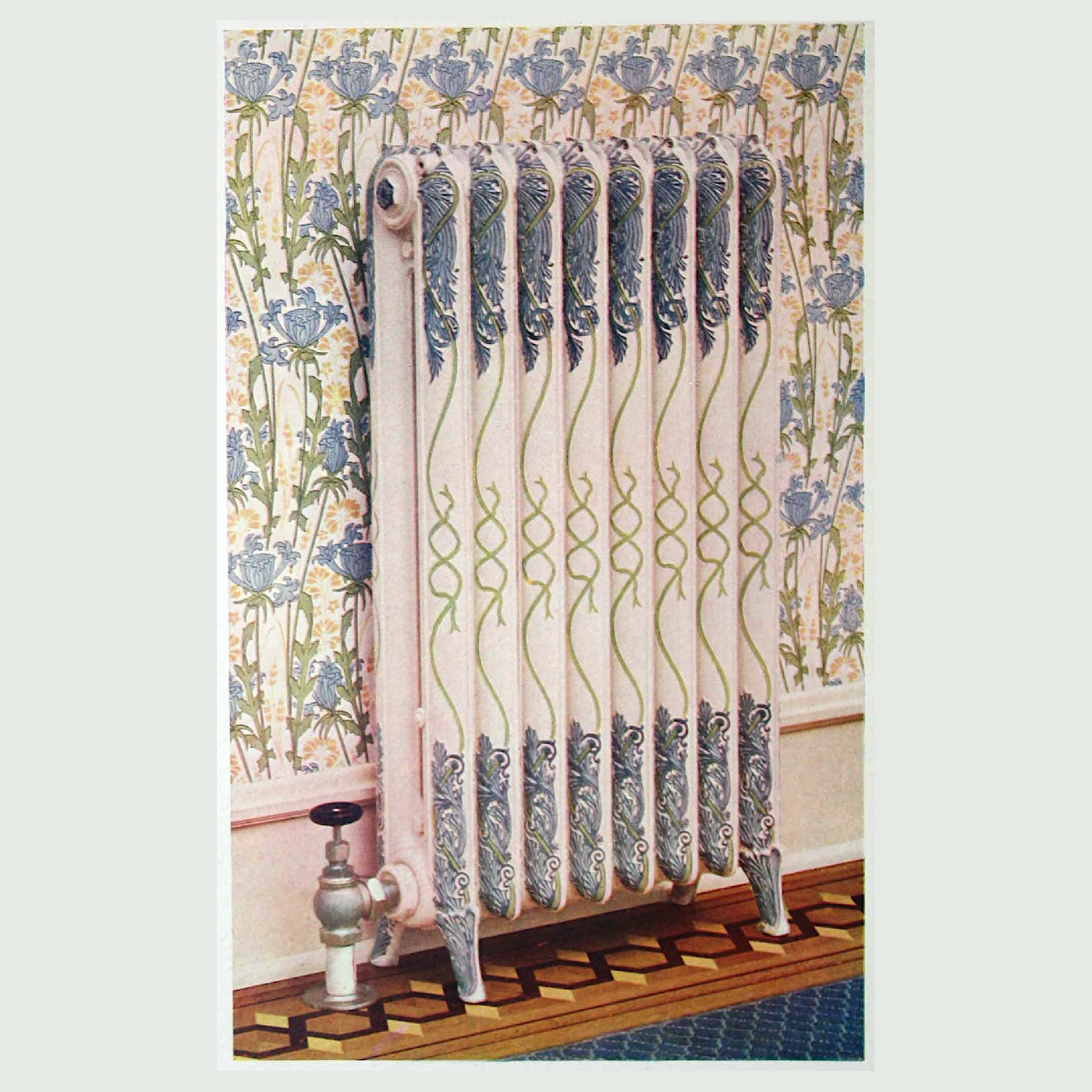

The Radiator: Mostly Convection, and Why Temperature Is Everything
Hot water from a boiler, pumped round a house, gives up its heat through radiators. The cast-iron sectional radiator — sections screwed or pinned together side by side, so one pattern could make any size — came out of the 1870s, the Bundy loop of 1872 among the first.
Two facts about radiators decide whether a heating system works. Their output depends steeply on water temperature, so a radiator sized for a hot boiler gives less than a third of its rating on the cooler water of a heat pump. And despite the name, even a flat face gives only about half its heat as radiation, and a column or finned panel radiator gives the larger part as rising warm air.
This rung works out both, measures a real radiator's output, and gives the fault tree for the radiator that stays cold.
शुरुआती
About 2 hours
निर्देशनहरू
1
1
Output against temperature, and the radiation myth
Output against temperature, and the radiation myth
Jupyter नोटबुक लोड हुँदैछ…
2
2
Measure a working radiator
Measure a working radiator
Find the radiator's catalogue rating at ΔT 50 on its label or the maker's sheet, and its dimensions. With the heating running steadily, read with the infrared thermometer: the flow pipe where it enters, the return pipe where it leaves, the top and bottom of the radiator face, and the room air a metre away with the thermometer.
Work out ΔT from the flow and return readings and the room, and put it into the notebook's formula: that is what the radiator is actually giving now. Shiny pipes read low on an infrared thermometer — stick a piece of masking or electrical tape on them and read the tape.
Now hold a strip of tissue a hand's width above the top of the radiator: it lifts in the rising air. Hold it the same distance in front of the face: it barely moves, but your hand still feels the warmth. That is the two halves of the heat, separated.
यस चरणका सामग्री:
 तताउने रेडिएटर1 टुक्रा
चाहिने औजार:
 अवरक्त तापमापक
 भान्साको थर्मामिटर
 नाप्ने फित्ता
3
3
Bleed it and balance it
Bleed it and balance it
A radiator that is warm at the bottom and cold at the top is full of air at the top. With the heating off and the system cool, hold a cloth under the bleed valve at the top corner and open it a quarter turn with a radiator key or a flat screwdriver: air hisses out, then water spits. Close it. On a sealed system, top the pressure back up at the boiler afterwards.
A system where the radiators nearest the boiler are hot and the far ones lukewarm needs **balancing**: the lockshield valve on each near radiator is closed down a little so that water is pushed on to the far ones. Balance for a temperature drop across each radiator of about 10 K — the flow and return readings from step 2.
चाहिने औजार:
 पेचकिला - चेप्टोअवरक्त तापमापक
4
4
A radiator stays cold: find out why
A radiator stays cold: find out why
The usual causes, in the order to check them.
Flow
Loading...
5
5
History and context
History and context
Hot-water and steam heating with pipes and radiating surfaces grew through the nineteenth century; the cast-iron sectional radiator made it cheap enough for ordinary buildings, because one cast section could be assembled into any size. **Nelson H. Bundy's 'Bundy loop' of 1872** is one of the early, much-copied designs. No patent number is asserted here.
Steel panel radiators replaced cast iron in most new work in the twentieth century, and underfloor heating — a very large, very cool radiator — is the logical end of the notebook's first table.
**Honest limits.** Output collapses at low water temperature. A radiator under a window or behind furniture loses much of its convection. And a system is only as good as its balancing: an unbalanced system burns fuel to overheat the rooms nearest the boiler.
सामग्री
1- 1 टुक्राप्लेसहोल्डर
आवश्यक उपकरणहरू
4- प्लेसहोल्डर
- प्लेसहोल्डर
- 1 vendor sell this, none ship to you yetप्लेसहोल्डर
- प्लेसहोल्डर
सम्बन्धित ब्लुप्रिन्ट
यी ब्लुप्रिन्टहरूले ज्ञान साझा गर्छन् — प्रविधि, सामग्री वा सिद्धान्त
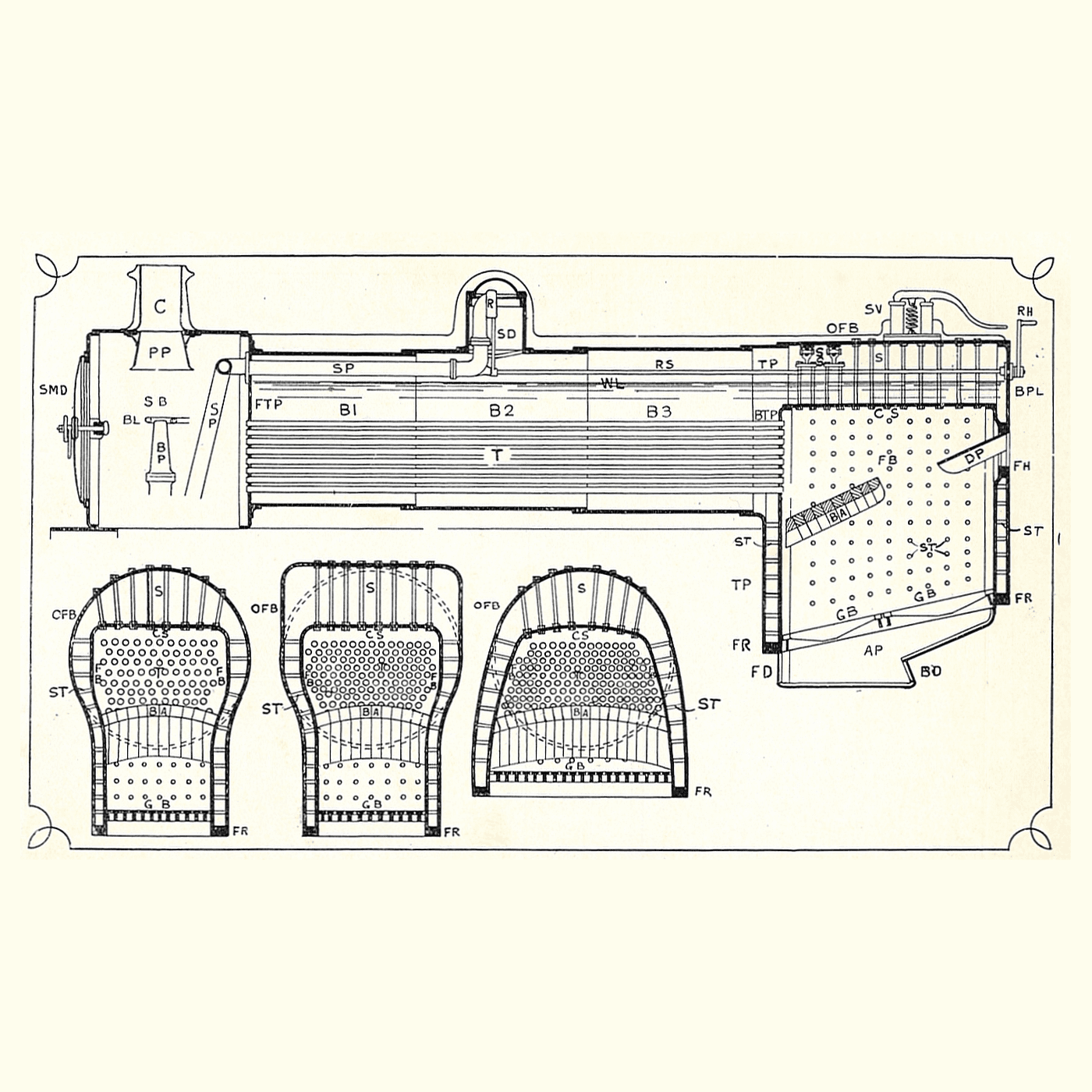
The Fire-Tube Boiler: Surface, Not Fire, Makes Steam
Martin द्वारा
यान्त्रिकी
५
०
०
०
०
०
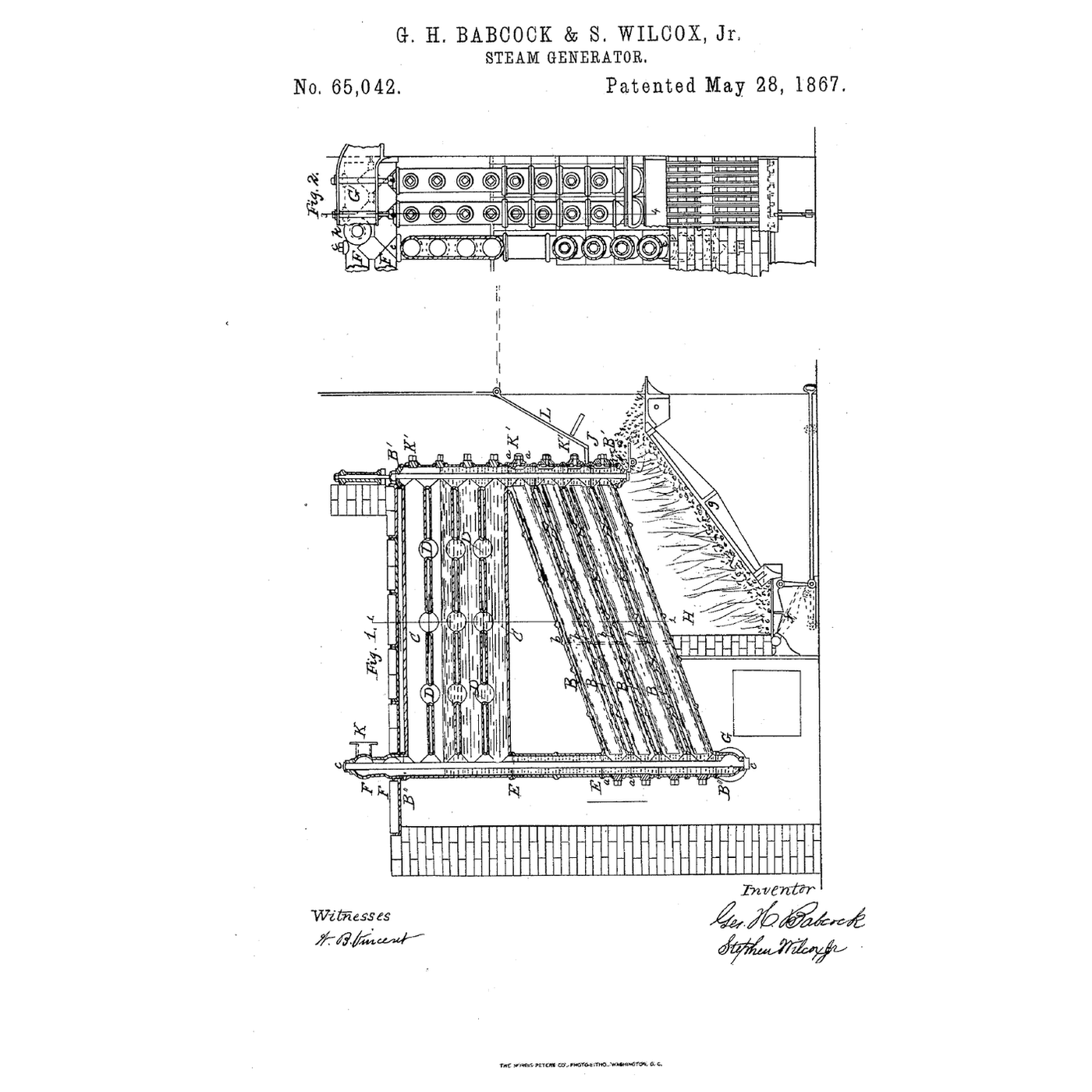
The Water-Tube Boiler: Put the Water in the Tubes
Martin द्वारा
यान्त्रिकी
२
०
०
०
०
०
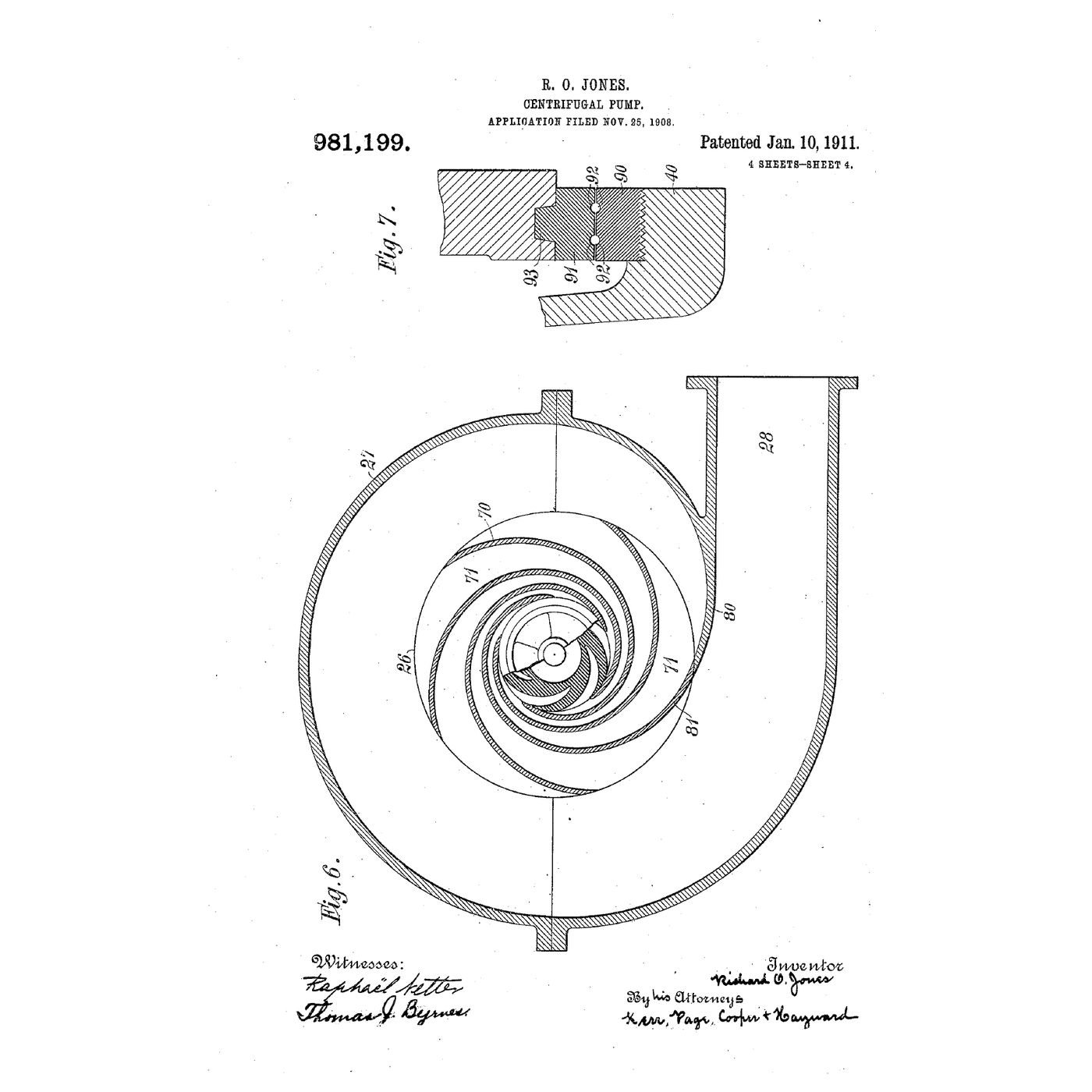
The Centrifugal Pump: Speed Squared, and Why It Cannot Lift Air
Emma द्वारा
यान्त्रिकी
१
०
०
०
०
०
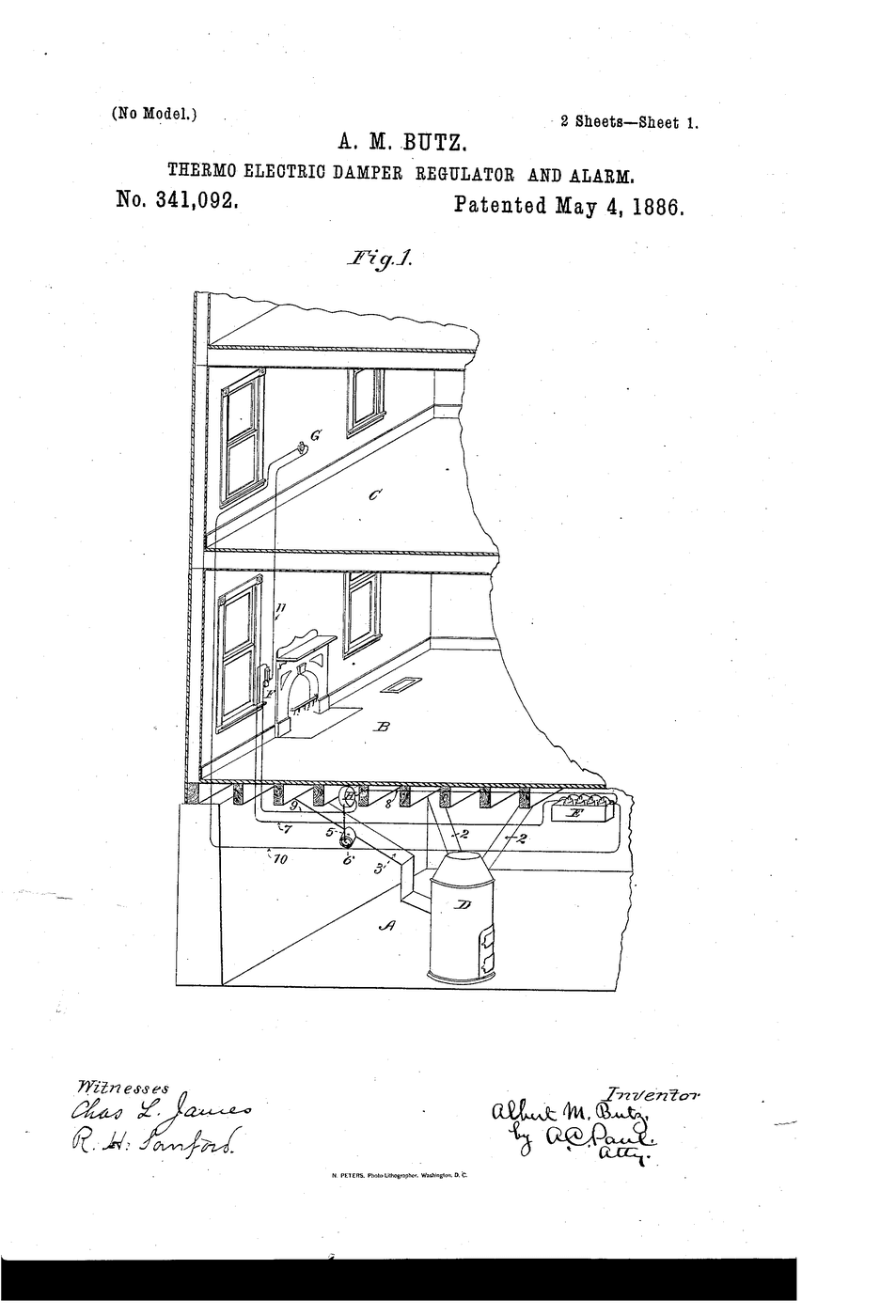
Butz Thermostat
Ed द्वारा
इलेक्ट्रोनिक्स
३९
०
०
०
०
०
Cork and Sawdust Insulation
Mary द्वारा
सामग्रीहरू
४२
०
०
०
०
०
CC0 सार्वजनिक डोमेन
यो ब्लुप्रिन्ट CC0 अन्तर्गत जारी गरिएको छ। तपाईं अनुमति नसोधी प्रतिलिपि, परिमार्जन, वितरण र प्रयोग गर्न सक्नुहुन्छ।
ब्लुप्रिन्ट मार्फत उत्पादनहरू किनेर सिर्जनाकर्तालाई सहयोग गर्नुहोस् सिर्जनाकर्ता कमिसन विक्रेताले तोकेको, वा यो ब्लुप्रिन्टको नयाँ संस्करण बनाउनुहोस् र आम्दानी बाँड्न आफ्नो ब्लुप्रिन्टमा जडानको रूपमा समावेश गर्नुहोस्।