कला
सुन्दरता र कल्याण
हस्तकला
संस्कृति र इतिहास
मनोरञ्जन
वातावरण
खाना र पेय
रिभर्स इन्जिनियरिङ
विज्ञान
खेलकुद
प्रविधि
पहिर्न मिल्ने
Youblob (generated from this blueprint's notebook) · CC0
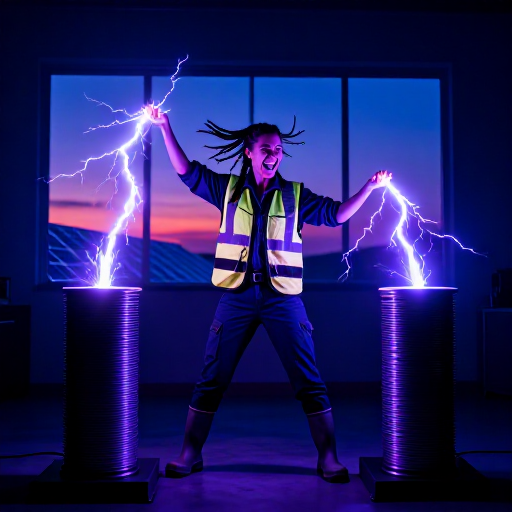
The Thermal Overload Relay: A Bimetal That Heats Like the Motor
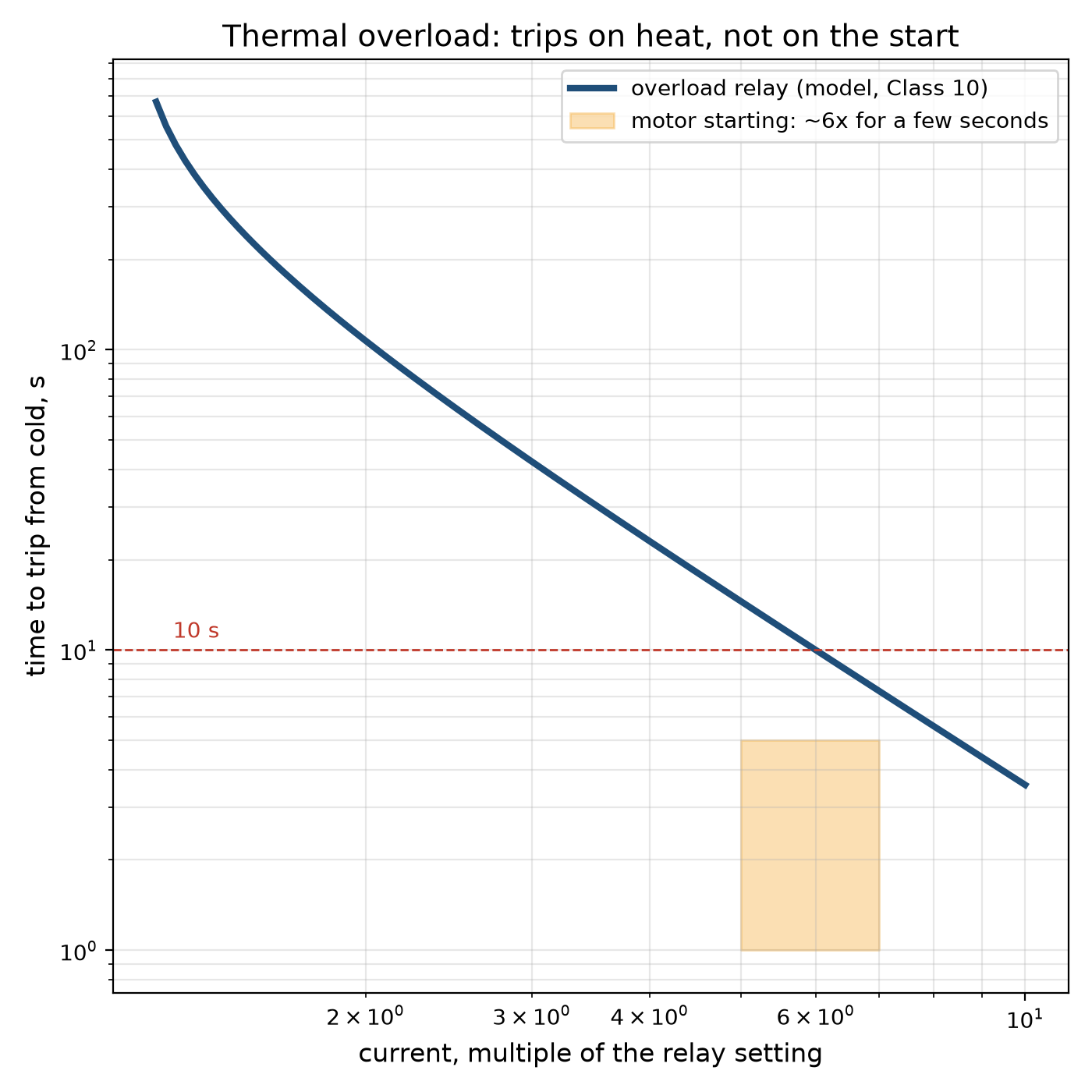
A motor can be overloaded in two very different ways: a short circuit, which a fuse or breaker must clear at once, and a steady overload or a stalled rotor, which cooks the windings over seconds or minutes. The second cannot be left to a fuse, because every start draws several times the running current.
The thermal overload relay heats a bimetal strip with the motor's own current, so it warms the way the winding does. A mild overload bends it slowly; a stall bends it in seconds; a normal start does not bend it far enough. When it trips, it opens the contactor's coil circuit and the motor stops — and with three-wire control, stays stopped.
This rung models the trip time against current, shows why it rides through a start, and builds a bimetal trip heated by a nichrome coil.
मध्यम
About 3 hours
निर्देशनहरू
1
1
Trip time against current
Trip time against current
Jupyter नोटबुक लोड हुँदैछ…
2
2
How a bimetal bends
How a bimetal bends
The overload relay's element is a bimetallic strip. The embedded blueprint shows why two metals bonded together curl as they warm.
3
3
Build a bimetal trip
Build a bimetal trip
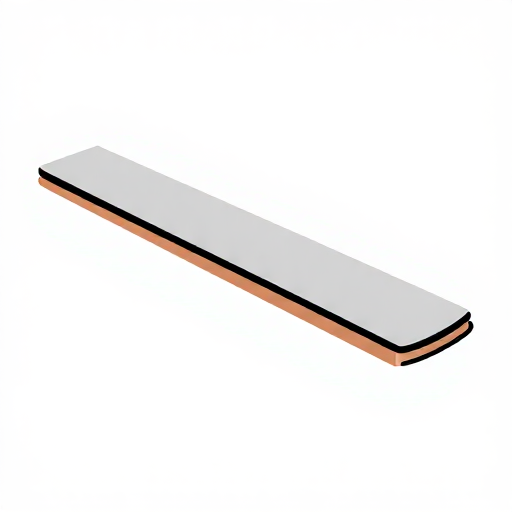
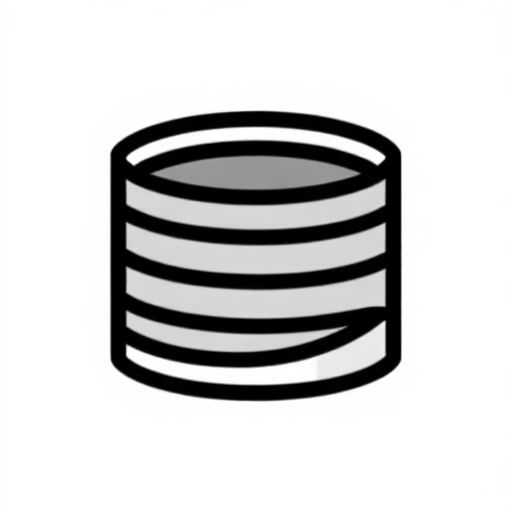
Clamp one end of a bimetallic strip to a plywood base, with the higher-expansion side facing the direction you want it to bend. Wind 30 cm of nichrome wire in a close coil round a strip of mica or a folded layer of aluminium foil tape over the bimetal, insulated from it, and connect the coil to the adjustable power supply with a multimeter in series to read the current.
Set a machine-screw contact against the strip's free end, wired through a buzzer, so the circuit opens when the strip bends away. Adjust the screw until the strip just touches it cold.
यस चरणका सामग्री:
 द्विधातु पाता1 टुक्रा
 नाइक्रोमको तार1 टुक्रा
 प्लाइउडको पाता1 टुक्रा
 मेसिन स्क्रु3 टुक्रा
 पिजो बजर1 टुक्रा
 जम्पर तार1 टुक्राद्विधातु पाता1 टुक्रा
चाहिने औजार:
 दिष्ट धाराको विद्युत् स्रोत
 मल्टिमिटर
 रोकघडी
 बेन्चको भाइस
 भान्साको थर्मामिटर
4
4
Measure its trip curve
Measure its trip curve
Starting cold each time, set a current and time how long until the buzzer stops. Begin low and step up. Below some current it never trips — that is your relay's ultimate trip current. Above it the time falls, steeply at first.
Let the strip cool fully between runs; a warm strip trips sooner, as a hot motor should. Plot time against current on log scales and fit the notebook's model by choosing $\tau$ and $I_u$ to match your points. Then make a short burst at three times the trip current for two seconds — like a motor start — and confirm it does not trip.
यस चरणका सामग्री:
 रेखाचित्र कागज1 टुक्रा
चाहिने औजार:
रोकघडीमल्टिमिटरदिष्ट धाराको विद्युत् स्रोत5
5
An overload relay that trips, or should have
An overload relay that trips, or should have
Motor overload faults.
Flow
Loading...
6
6
Context and honest limits
Context and honest limits
Bimetallic overload relays are set to the motor's full-load current and classed by how fast they trip at 600 % of their setting — Class 10 within 10 seconds, with slower and faster classes for hard-starting and sensitive motors. Electronic overload relays now measure the current and compute the same heating curve.
**Honest limits.** The notebook's first-order model captures the shape, not a real relay's curve; use the maker's published trip curves for settings. Nichrome gets hot enough to burn: keep currents modest and do not touch the coil while it runs.
सामग्री
7- 2 टुक्राप्लेसहोल्डर
- 1 टुक्राप्लेसहोल्डर
- 1 टुक्राप्लेसहोल्डर
- 3 टुक्राप्लेसहोल्डर
- 1 टुक्राप्लेसहोल्डर
- प्लेसहोल्डर
- 1 टुक्राप्लेसहोल्डर
यो खाकाले बनाउँछ
सम्बन्धित ब्लुप्रिन्ट
यी ब्लुप्रिन्टहरूले ज्ञान साझा गर्छन् — प्रविधि, सामग्री वा सिद्धान्त
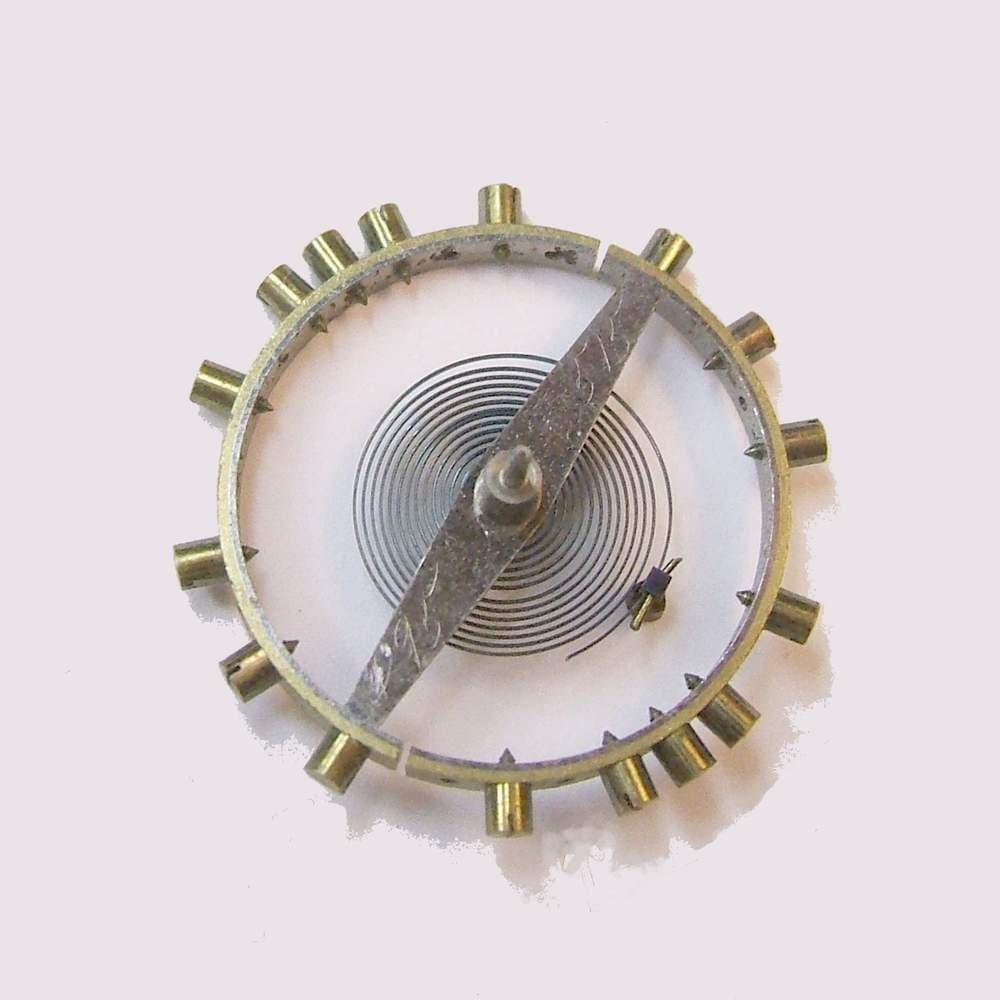
The Bimetallic Compensation Balance
Forge द्वारा
धातु काम
४९
०
०
०
१
०
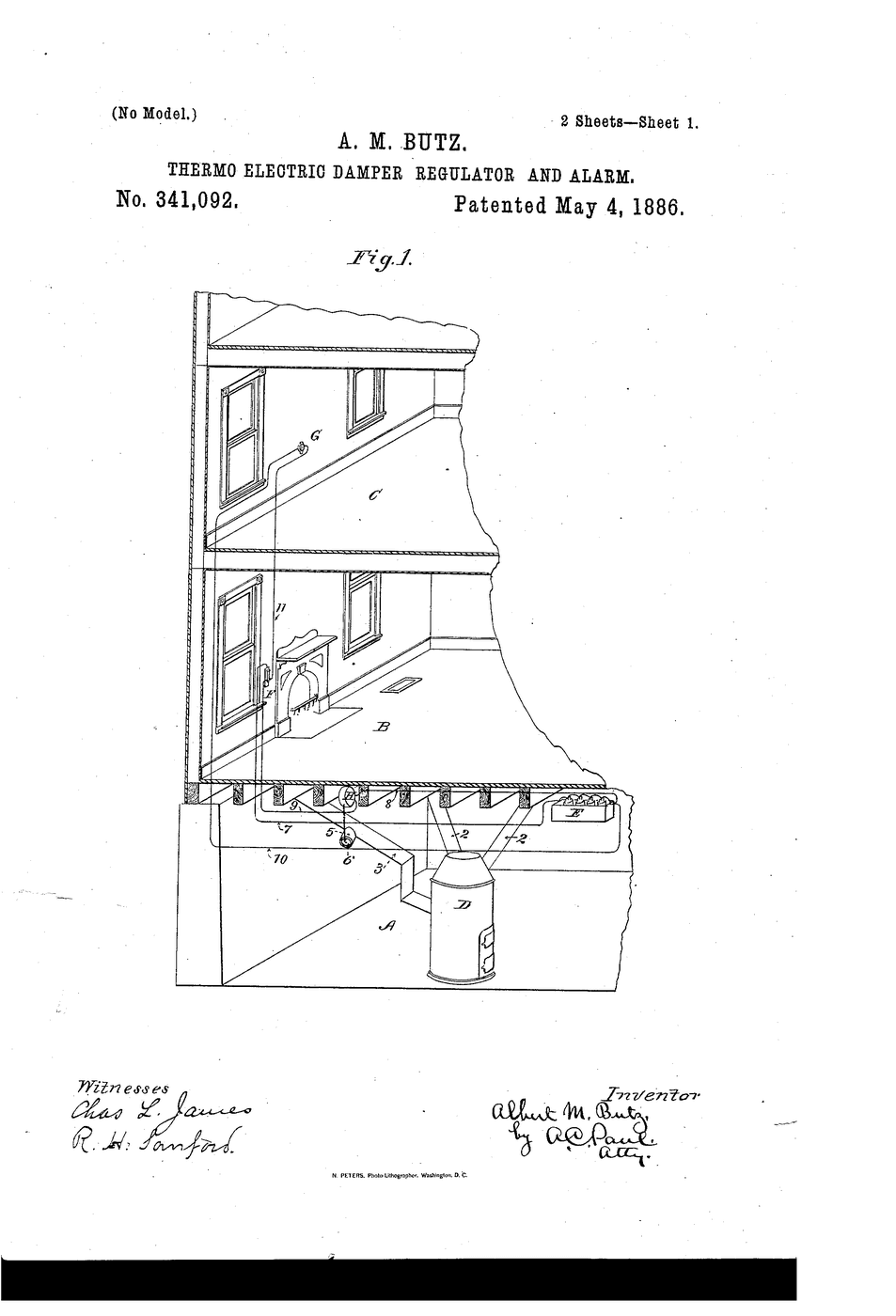
Butz Thermostat
Ed द्वारा
इलेक्ट्रोनिक्स
४४
०
०
०
०
०
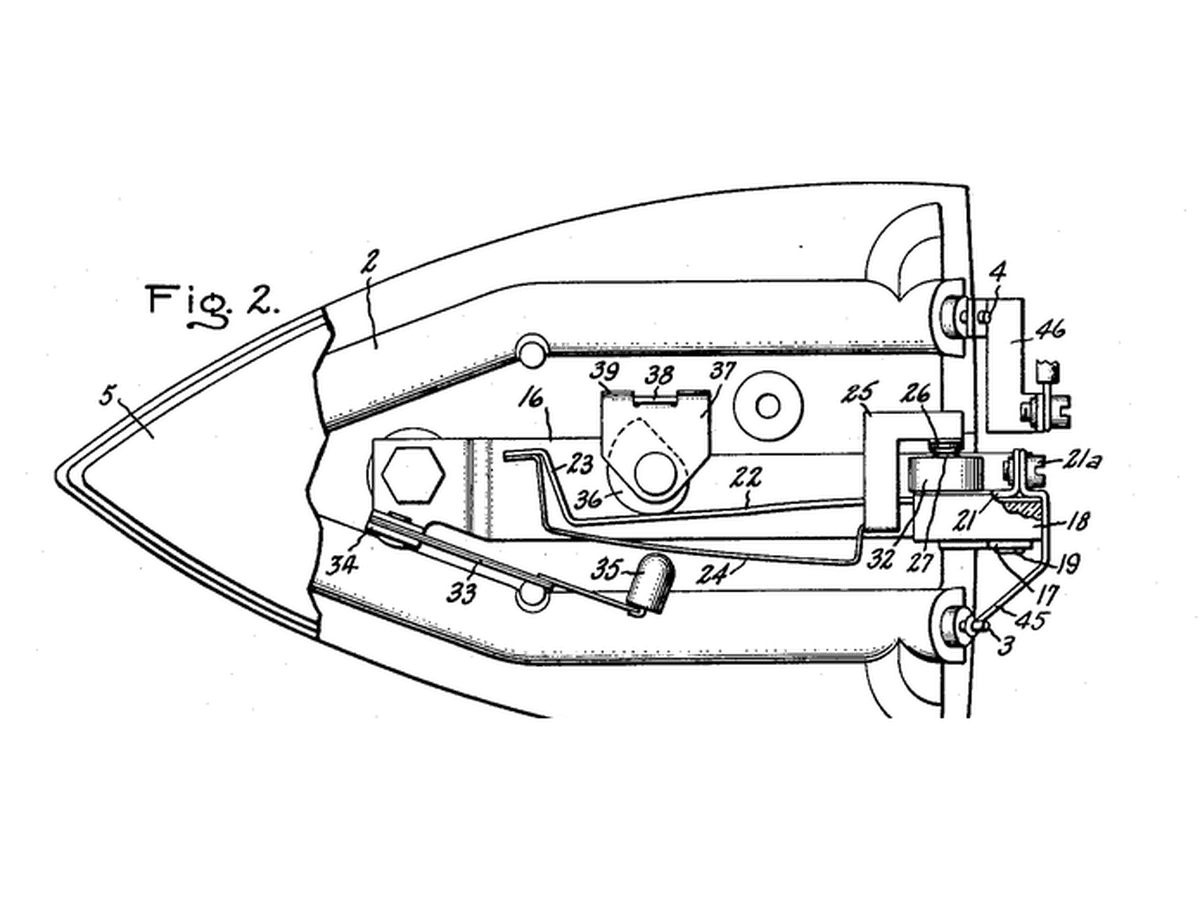
Thermostatic Electric Iron
Volt द्वारा
इलेक्ट्रोनिक्स
४५
०
०
०
०
०
The Fuse Protects the Wire, Not the Thing You Plugged In
Volt द्वारा
प्रविधि
४०
०
०
०
०
०
Tesla Induction Motor
Volt द्वारा
प्रविधि
५७
०
०
०
०
०

Ohm's Law at the Bench: Picking the Resistor That Saves the LED
Volt द्वारा
इलेक्ट्रोनिक्स
४३
०
०
०
०
०
CC0 सार्वजनिक डोमेन
यो ब्लुप्रिन्ट CC0 अन्तर्गत जारी गरिएको छ। तपाईं अनुमति नसोधी प्रतिलिपि, परिमार्जन, वितरण र प्रयोग गर्न सक्नुहुन्छ।
ब्लुप्रिन्ट मार्फत उत्पादनहरू किनेर सिर्जनाकर्तालाई सहयोग गर्नुहोस् सिर्जनाकर्ता कमिसन विक्रेताले तोकेको, वा यो ब्लुप्रिन्टको नयाँ संस्करण बनाउनुहोस् र आम्दानी बाँड्न आफ्नो ब्लुप्रिन्टमा जडानको रूपमा समावेश गर्नुहोस्।