कला
सुन्दरता र कल्याण
हस्तकला
संस्कृति र इतिहास
मनोरञ्जन
वातावरण
खाना र पेय
रिभर्स इन्जिनियरिङ
विज्ञान
खेलकुद
प्रविधि
पहिर्न मिल्ने
English

Harvesting and Processing Rooibos — Cederberg Mountains, Western Cape
Guide to harvesting and processing rooibos tea (Aspalathus linearis) from the Cederberg Mountains in the Western Cape of South Africa — the only place in the world where rooibos grows naturally.
मध्यम
निर्देशनहरू
1
1
Understanding the Rooibos Plant
Understanding the Rooibos Plant
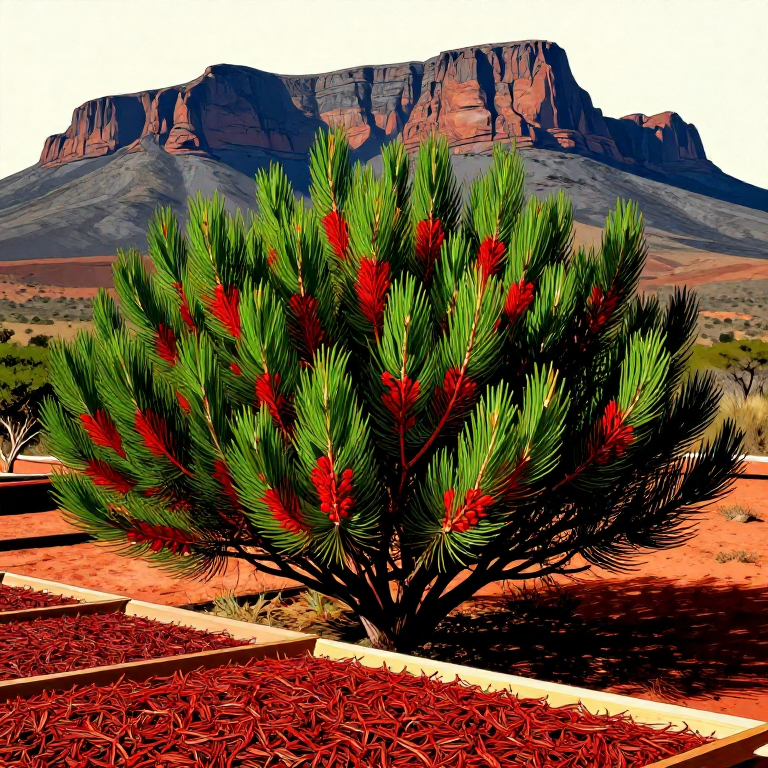
Rooibos (Aspalathus linearis) is not a tea — it is a small shrub in the Fabaceae (legume) family. It grows only in the Cederberg region of the Western Cape, South Africa, where acidic sandy soil (pH 3.5-5.0) and 250-600 mm annual rainfall create suitable conditions. The plant reaches 1-2 meters in height and lives for 5-8 harvesting years. Its leaves are small and needle-like, approximately 10-40 mm long. Rooibos contains aspalathin, an anti-inflammatory compound found in no other plant on earth.
2
2
Checking Harvest Readiness
Checking Harvest Readiness
Harvest season runs from January to March — Southern Hemisphere summer. Plants are ready when new shoots have grown sufficiently and leaves have good moisture content. Plants must be at least 18 months old before the first harvest. Leaves should be dark green and firmly attached to the branch. If the soil is too dry from drought, wait for rain before harvesting — harvesting during drought kills the plant.
3
3
Cutting Branches with a Sickle
Cutting Branches with a Sickle
Cut rooibos branches with a sharp sickle, leaving approximately 30 cm above the ground. This is critically important — cutting below this level kills the plant because it cannot regrow. A healthy plant will produce new branches from the remaining stumps and be ready for re-harvest in 6-8 months. Gather cut branches into bundles of 5-8 kg for easy transport.
यस चरणका सामग्री:
 पाकेका रूइबोसका हाँगा50 केजी
चाहिने औजार:
 हँसिया
 छालाका काम गर्ने पन्जा
4
4
Transporting Bundles to the Processing Area
Transporting Bundles to the Processing Area
Carry branch bundles to the cutting area — a flat shaded place near the drying court. Branches must be processed on the same day as harvesting. Delay causes rotting and mold growth that creates an unpleasant taste and darkened color. Place bundles on boards or tarpaulin, not directly on the ground, to avoid soil contamination.
चाहिने औजार:
 पोलिथिनको त्रिपाल
5
5
Cutting Branches into Small Pieces
Cutting Branches into Small Pieces
Cut rooibos branches into small pieces of 3-5 mm length using a mechanical chopper or sickle. Piece size is important — pieces too large do not ferment properly, while pieces too small become dust. A mechanical chopper has sharp blades spinning at 1,500-3,000 rpm. When cutting by hand, ensure all pieces are uniform in size. Leaves and leaf fragments should be mixed with the cut branches.
चाहिने औजार:
 यान्त्रिक चिया काट्ने मसिन
 धार लगाउने ढुङ्गा
6
6
Bruising the Pieces to Start Oxidation
Bruising the Pieces to Start Oxidation
Cut pieces must be bruised to start the oxidation (fermentation) process. Crush pieces using a roller mill or by hand — this breaks cell walls in the leaves, releasing enzymes and polyphenols needed for oxidation to begin. You will notice the pieces becoming moist and releasing a pleasant, bright aroma. This step determines the final color and flavor profile of the rooibos.
चाहिने औजार:
 डाँठ कुच्याउने बेलना मिल
7
7
Incubation — The Fermentation Process
Incubation — The Fermentation Process
Pile the bruised pieces into a heap indoors, approximately 20-30 cm high. Sprinkle a small amount of water to maintain moisture — pieces should be damp but not soaking. Cover the heap with a tarpaulin to retain heat and moisture. Fermentation (oxidation) takes 8-12 hours. During this time, leaf polyphenols oxidize enzymatically, changing the color from green to reddish-brown — the characteristic rooibos color. Heap temperature rises to 38-42 degrees Celsius. If temperature exceeds 50 degrees Celsius, uncover the tarpaulin to cool.
यस चरणका सामग्री:
 आसुत पानी20 लिटर
चाहिने औजार:
पोलिथिनको त्रिपाल भित्रै छाडिने प्रोब थर्मोमिटर
8
8
Spreading on the Drying Court
Spreading on the Drying Court
After 8-12 hours of fermentation, spread the rooibos pieces evenly on the drying court — a flat concrete or stone surface raised above the ground. Spread in a thin layer less than 5 cm thick. Use a rake to distribute evenly. The rooibos must face direct sunlight. Turn pieces every 2-3 hours for even drying. Drying takes 1-3 hours in South African summer sun.
चाहिने औजार:
 कङ्क्रिटको सुकाउने आँगन
 बगैँचाको डन्डाफोर
9
9
Checking for Dryness
Checking for Dryness
Dried rooibos should have less than 10% moisture. Test by taking a handful and squeezing — it should break with a crisp sound, not bend or flex. If it still bends, more drying time is needed. Color should be an even reddish-brown, like cinnamon bark. Green or white pieces indicate incomplete fermentation. The aroma should be pleasant and sweet — between honeyed and woody.
10
10
Sieving and Grading
Sieving and Grading
Pass dried rooibos through multiple sieves to separate pieces by size and remove foreign matter (small stones, uncut woody pieces, insects). First sieve (5 mm mesh) removes large pieces. Second sieve (2 mm) separates premium-grade rooibos. Third sieve (1 mm) collects fine dust. Low-grade fine dust can be sold as grinding-grade rooibos or used in tea bag blends.
चाहिने औजार:
 कम्पन चाल्नोकम्पन चाल्नोकम्पन चाल्नो
11
11
Steam Pasteurization
Steam Pasteurization
Sieved rooibos is steam-pasteurized to kill bacteria and mold. Pass rooibos through a steam chamber at 100 degrees Celsius for 30-60 seconds. This is sufficient to kill coliforms and Salmonella without altering the aroma profile. After steam pasteurization, re-dry the rooibos until moisture is below 8% to prevent mold during storage. This step is required for rooibos to meet South African and international food safety standards.
चाहिने औजार:
 वाफ पास्चराइजेसन कक्ष
 आर्द्रता मापक
12
12
Grading and Packaging
Grading and Packaging
Rooibos is graded by piece size and condition. Super Grade has fine, even, reddish-brown pieces of uniform size — sold as loose leaf tea. Lower grades are used in tea bags. Finished rooibos standards: fine dust below 4%, moisture below 8%, coliforms below 10 CFU/g. Package in foil-lined kraft paper bags to protect against moisture, light, and air. Store in a cool, dry place. Properly packaged rooibos maintains quality for 2-3 years without degradation.
यस चरणका सामग्री:
 पन्नी-अस्तर भएको क्राफ्ट कागजको थैलो20 टुक्रा
 टाँसिने छाप लेबल20 टुक्रा
चाहिने औजार:
 झोला ताप-सिलाई मेसिन
 डिजिटल भान्साको तराजु
सामग्री
4- 50 केजीप्लेसहोल्डर
- 20 लिटरप्लेसहोल्डर
- 20 टुक्राप्लेसहोल्डर
- 20 टुक्राप्लेसहोल्डर
आवश्यक उपकरणहरू
16- प्लेसहोल्डर
- प्लेसहोल्डर
- प्लेसहोल्डर
- प्लेसहोल्डर
- प्लेसहोल्डर
- प्लेसहोल्डर
- प्लेसहोल्डर
- प्लेसहोल्डर
- प्लेसहोल्डर
- प्लेसहोल्डर
- प्लेसहोल्डर
- प्लेसहोल्डर
- प्लेसहोल्डर
- प्लेसहोल्डर
- प्लेसहोल्डर
- प्लेसहोल्डर
CC0 सार्वजनिक डोमेन
यो ब्लुप्रिन्ट CC0 अन्तर्गत जारी गरिएको छ। तपाईं अनुमति नसोधी प्रतिलिपि, परिमार्जन, वितरण र प्रयोग गर्न सक्नुहुन्छ।
ब्लुप्रिन्ट मार्फत उत्पादनहरू किनेर सिर्जनाकर्तालाई सहयोग गर्नुहोस् सिर्जनाकर्ता कमिसन विक्रेताले तोकेको, वा यो ब्लुप्रिन्टको नयाँ संस्करण बनाउनुहोस् र आम्दानी बाँड्न आफ्नो ब्लुप्रिन्टमा जडानको रूपमा समावेश गर्नुहोस्।