
برداشت زعفران در خراسان — از مزرعه تا خشک کردن و درجهبندی
Mga Tagubilin
شناخت گیاه زعفران
شناخت گیاه زعفران
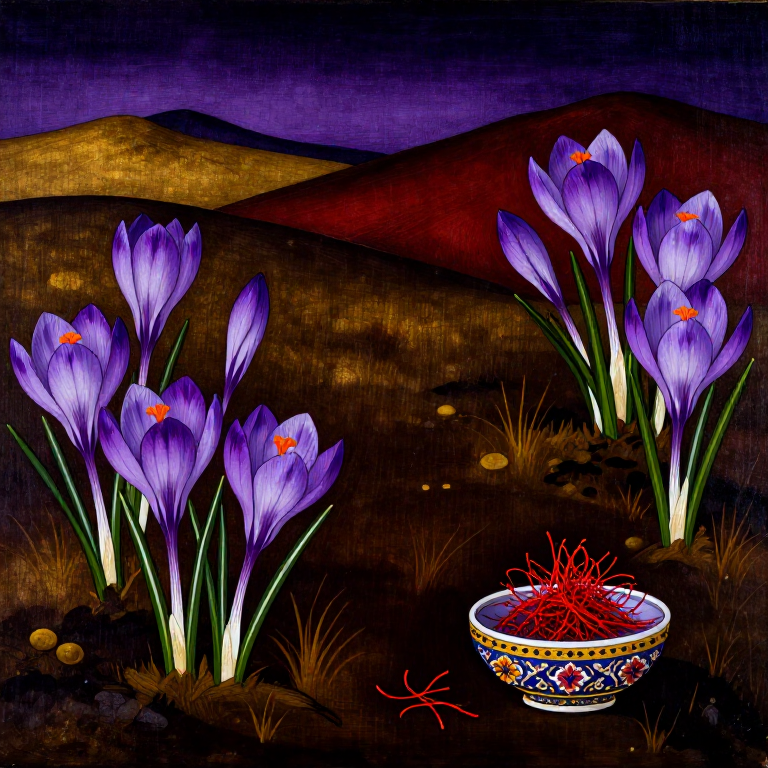
زعفران از گل گیاه Crocus sativus به دست میآید. این گیاه پیازی چندساله از خانواده زنبقیان (Iridaceae) است. هر پیاز (کورم) در پاییز ۱ تا ۳ گل بنفش تولید میکند. هر گل دقیقا ۳ کلاله (stigma) قرمز رنگ دارد که همان زعفران تجاری است. برای تولید ۱ کیلوگرم زعفران خشک، حدود ۱۵۰,۰۰۰ تا ۲۰۰,۰۰۰ گل لازم است.
شناسایی زمان برداشت
شناسایی زمان برداشت
فصل برداشت زعفران در ایران از اواسط مهر تا اواسط آبان (اوایل اکتبر تا اوایل نوامبر) است و حدود ۲ تا ۳ هفته طول میکشد. گلها باید قبل از طلوع آفتاب یا در اوایل صبح چیده شوند — وقتی گلبرگها هنوز بسته یا نیمهباز هستند. نور مستقیم آفتاب کیفیت کلالهها را کاهش میدهد و باعث تبخیر مواد فرار معطر میشود.
آمادهسازی ابزار برداشت
آمادهسازی ابزار برداشت
سبدهای حصیری یا پلاستیکی سوراخدار آماده کنید تا گلها له نشوند و هوا جریان داشته باشد. از ظروف فلزی استفاده نکنید چون با رطوبت گلبرگ واکنش میدهد. دستکش نازک پنبهای برای جلوگیری از آلودگی کلالهها توصیه میشود. همچنین یک پارچه مرطوب برای پوشاندن سبد پر شده آماده داشته باشید.
Mga kailangang kasangkapan:
 Mga hinabing basket sa pag-aani
 Guwantes na koton
 Pantakip na basang tela
چیدن گلها در سحرگاه
چیدن گلها در سحرگاه
برداشت را قبل از طلوع آفتاب (حدود ساعت ۵ تا ۶ صبح) شروع کنید. گل را از پایه ساقه، نزدیک سطح خاک بچینید. با انگشت شست و اشاره ساقه را بگیرید و به آرامی بکنید — نه ببرید. هر کارگر ماهر میتواند در ساعت حدود ۳۰۰ تا ۵۰۰ گل بچیند. گلها را به آرامی در سبد بگذارید بدون فشردن.
Mga materyales para sa hakbang na ito:
 Sariwang bulaklak ng safron (Crocus sativus)500 flowers
Mga kailangang kasangkapan:
Mga hinabing basket sa pag-aaniانتقال سریع گلها به محل فرآوری
انتقال سریع گلها به محل فرآوری
گلهای چیده شده باید ظرف ۲ تا ۳ ساعت پس از برداشت به محل جداسازی کلاله منتقل شوند. تاخیر باعث پژمردگی و کاهش کیفیت میشود. سبدها را با پارچه مرطوب بپوشانید و از قرار دادن در آفتاب مستقیم خودداری کنید. محل فرآوری باید تمیز، خشک و دور از نور مستقیم باشد.
Mga kailangang kasangkapan:
Pantakip na basang tela Lugar ng pagproseso
باز کردن گلبرگها
باز کردن گلبرگها
گل را بین انگشت شست و اشاره دست چپ بگیرید. گلبرگهای بنفش را به آرامی با دست راست باز کنید. هر گل ۶ گلبرگ بنفش، ۳ پرچم زرد (stamen) و ۳ کلاله قرمز (stigma) دارد. مراقب باشید کلالهها آسیب نبینند. گلبرگها و پرچمها ارزش تجاری ندارند اما گلبرگها میتوانند به عنوان کود استفاده شوند.
جداسازی کلالهها
جداسازی کلالهها
سه رشته کلاله قرمز را با ناخن شست و اشاره از محل اتصال به خامه (style) جدا کنید. برش باید دقیقا در محل اتصال باشد — اگر قسمت زرد خامه با کلاله بماند، درجه زعفران پایینتر میشود. کلالههای جدا شده را روی سینی تمیز بگذارید. یک کارگر ماهر میتواند ساعتی حدود ۴۰۰ تا ۶۰۰ گل را کلالهجدایی کند.
Mga kailangang kasangkapan:
 Patag na bandeha
 Sipit
Sipitطبقهبندی اولیه کلالهها
طبقهبندی اولیه کلالهها
کلالهها را بر اساس طول و رنگ جدا کنید. کلالههای کامل قرمز تیره (بدون بخش زرد) بالاترین کیفیت را دارند و به آنها «سرگل» یا نگین (Negin) گفته میشود. کلالههایی که کمی بخش زرد دارند «پوشال» نام دارند. رشتههای شکسته یا له شده جداگانه نگهداری شوند. این درجهبندی بر قیمت نهایی تاثیر زیادی دارد.
Mga kailangang kasangkapan:
 Mga bandehang pang-uri
خشک کردن کلالهها — روش سنتی ایرانی
خشک کردن کلالهها — روش سنتی ایرانی
کلالهها را به صورت لایه نازک (یک لایه) روی الک ریز فلزی یا توری ابریشمی پهن کنید. الک را روی منبع حرارت ملایم قرار دهید. دمای ایدهآل ۴۵ تا ۵۰ درجه سانتیگراد است — هرگز از ۶۰ درجه بالاتر نباشد چون ترکیبات فرار (سافرانال) تخریب میشود. زمان خشک شدن ۱۵ تا ۲۰ دقیقه در این دما است. کلالهها باید ترد و شکننده شوند.
Mga materyales para sa hakbang na ito:
 Sariwang estigma ng safron1 batch
Mga kailangang kasangkapan:
 Salaang lambat na pinong metal
 Pinagmumulan ng init
 Termometro ng Hurno
بررسی کیفیت خشک شدن
بررسی کیفیت خشک شدن
کلاله خشک شده باید ترد باشد و با فشار انگشت بشکند — نه خم شود. رنگ باید قرمز تیره مایل به قهوهای باشد. اگر کلالهها هنوز انعطافپذیر هستند، باید بیشتر خشک شوند. وزن کلالهها پس از خشک شدن حدود ۲۰ درصد وزن تازه آنها خواهد بود (نسبت ۵ به ۱ وزن تازه به خشک). بوی زعفران خشک باید عطرناک و ملایم باشد.
درجهبندی نهایی زعفران
درجهبندی نهایی زعفران
زعفران ایرانی به ۴ درجه اصلی تقسیم میشود: نگین (Negin) — کلالههای بلند، کامل، قرمز تیره بدون زردی، بالاترین کیفیت. سرگل (Sargol) — سر قرمز کلاله بدون ریشه. پوشال (Pushal) — کلاله با بخشی از خامه زرد. دسته (Dasteh) — کلالههای کامل با ریشه به هم بسته شده. قدرت رنگدهی (crocin) بالای ۲۵۰ واحد استاندارد ISO 3632 نشانه کیفیت عالی است.
Mga kailangang kasangkapan:
Mga bandehang pang-uri Tumpak na Timbangan
آزمایش اصالت زعفران
آزمایش اصالت زعفران
چند رشته زعفران را در آب سرد بگذارید. زعفران اصل به آرامی (۱۰ تا ۱۵ دقیقه) رنگ زرد طلایی آزاد میکند و رشتهها قرمز باقی میمانند. زعفران تقلبی فورا رنگ قرمز آزاد میکند و رشتهها بیرنگ میشوند. همچنین بین انگشتان خیس بمالید — زعفران اصل رنگ زرد طلایی میدهد نه قرمز.
Mga materyales para sa hakbang na ito:
 Malinis na malamig na tubig100 milliliter
Mga kailangang kasangkapan:
 Maliit na mangkok na salamin
بستهبندی زعفران
بستهبندی زعفران
زعفران خشک را در ظروف شیشهای تیرهرنگ (قهوهای یا آبی) یا قوطیهای فلزی دربدار بگذارید. هوای داخل ظرف باید حداقل باشد. هرگز از ظروف پلاستیکی استفاده نکنید چون رطوبت و بو جذب میکنند. برچسب با تاریخ برداشت، درجه، وزن و منطقه تولید بزنید.
Mga materyales para sa hakbang na ito:
 Madidilim na Garapong Salamin na Mahigpit ang Takip5 piraso
 Mga Tatak na Madikit5 piraso
نگهداری صحیح زعفران
نگهداری صحیح زعفران
زعفران را در مکان خشک، خنک (۱۵ تا ۲۰ درجه سانتیگراد) و تاریک نگهداری کنید. دور از نور مستقیم آفتاب، رطوبت و بوهای قوی. در شرایط مناسب، زعفران تا ۳ سال کیفیت خود را حفظ میکند اما بهترین عطر و طعم در سال اول است. هرگز زعفران را در یخچال نگذارید چون رطوبت یخچال باعث کپکزدگی میشود. زعفران آسیاب شده سریعتر کیفیت از دست میدهد — همیشه به صورت رشته نگهداری کنید.
Mga kailangang kasangkapan:
 Malamig at madilim na imbakan
محاسبه بازده و ثبت اطلاعات
محاسبه بازده و ثبت اطلاعات
بازده معمول: از هر ۱۵۰,۰۰۰ گل حدود ۱ کیلوگرم زعفران خشک به دست میآید. هر هکتار زمین (با تراکم ۵۰ کورم در متر مربع) حدود ۳ تا ۵ کیلوگرم زعفران خشک تولید میکند. وزن نهایی، تعداد گلها، تاریخ برداشت و شرایط آبوهوایی را ثبت کنید. این اطلاعات برای بهبود برداشت سالهای بعد ضروری است.
Mga kailangang kasangkapan:
 Kuwadernong Pang-laranganTumpak na Timbangan
Mga Materyales
6- 500 flowersPlaceholder
- 1 batchPlaceholder
- 100 milliliterPlaceholder
- Placeholder
- 5 pirasoPlaceholder
- 100 milliliterPlaceholder
Mga Kinakailangang Kasangkapan
14- Placeholder
- Placeholder
- Placeholder
- Placeholder
- Placeholder
- 1 vendor sell this, none ship to you yetPlaceholder
- Placeholder
- Placeholder
- Placeholder
- Placeholder
- Placeholder
- Placeholder
- Placeholder
- Placeholder
Ang blueprint na ito ay gumagawa ng

CC0 Pampublikong Domain
Ang blueprint na ito ay inilabas sa ilalim ng CC0. Malaya kang kumopya, magbago, mamahagi, at gumamit nang walang pahintulot.
Suportahan ang Maker sa pamamagitan ng pagbili ng mga produkto sa kanilang Blueprint Komisyon ng Maker itinakda ng mga Vendor, o lumikha ng bagong bersyon ng Blueprint na ito at isama bilang koneksyon sa iyong Blueprint upang ibahagi ang kita.