SINING
BEAUTY AT WELLNESS
CRAFTS
KULTURA AT KASAYSAYAN
LIBANGAN
KAPALIGIRAN
PAGKAIN AT INUMIN
REVERSE ENGINEERING
AGHAM
ISPORTS
TEKNOLOHIYA
MGA WEARABLE
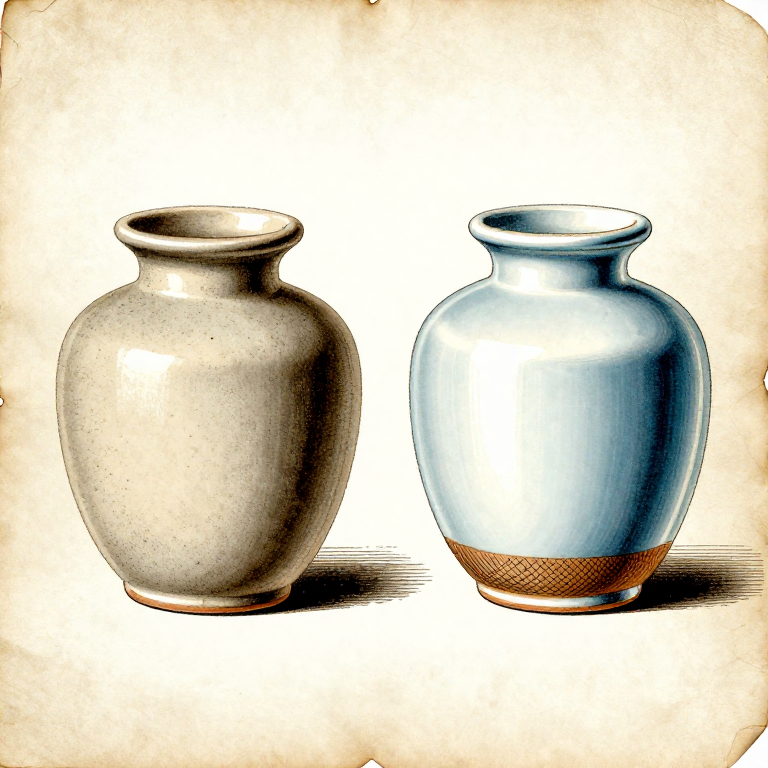
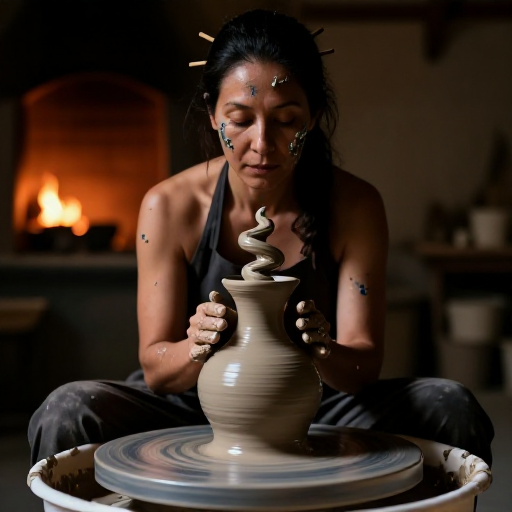

Two Firings: What Bisque Does That the Glaze Firing Cannot
Most pottery is fired twice, and the two firings do genuinely different jobs. Firing once is possible and is how most of history did it, but the two-firing route is easier and it is worth understanding why.
The BISQUE firing turns fragile dry clay into a hard porous solid. It drives off the chemically bound water permanently, so the piece can never be turned back into clay — and it leaves the piece POROUS, which is exactly what glazing needs.
The GLAZE firing melts a layer of glass onto that porous surface. It goes hotter, it matures the clay body itself, and it is where the piece becomes waterproof and its final size.
Katamtaman
4 hours
Mga Tagubilin
1
1
Bone dry into the kiln, and go up slowly
Bone dry into the kiln, and go up slowly
Only bone-dry work goes into a bisque firing. Any remaining water becomes steam, and steam inside a sealed pot is the explosion that scatters shards across the shelf and into every other piece in the kiln.
Go up slowly to 200 degrees and hold there, or leave the vent open — this is the water-smoking stage, where the last physical water leaves. An hour of patience here saves a whole kiln load.
Between about 350 and 600 degrees the chemically bound water leaves the clay molecules themselves. That is the change that is irreversible, and it is why bisque ware cannot be slaked down and reclaimed.
Mga materyales para sa hakbang na ito:
 Mga sisidlang luad na tuyong-tuyo1 piraso
Mga kailangang kasangkapan:
 Pugon
Pugon Pirometro
2
2
Bisque low, glaze high — and why that order
Bisque low, glaze high — and why that order
Bisque is fired LOWER than the glaze firing, typically around 950 to 1000 degrees. That is hot enough to harden the piece and burn out organic matter, and cool enough to leave it porous.
Porosity is the whole point. A porous bisque pot dipped in glaze sucks water out of the glaze instantly and leaves an even coat of glaze powder on the surface. Dip a fully vitrified pot and the glaze runs straight off.
So the low firing must come first. Reversing the order — a high firing then a low one — gives a piece that cannot be glazed and a glaze that never melts, which is why the sequence is not a matter of preference.
Mga materyales para sa hakbang na ito:
Mga sisidlang luad na tuyong-tuyo1 piraso Malinaw na barnis ng seramika1 piraso
Mga kailangang kasangkapan:
Pugon Hurnong mataas ang initPirometro
3
3
Applying glaze: thickness is the variable that matters
Applying glaze: thickness is the variable that matters
Stir the glaze thoroughly — the heavy minerals settle to the bottom of the bucket within hours, so an unstirred bucket gives water at the top and sludge below, and neither is the glaze you tested.
Dip for a COUNT, not by eye. Two seconds in, out, and let it drain. The bisque's porosity does the work, and the count is what makes the result repeatable — the same reason a recipe in grams beats one in spoons.
Too thin and the colour is weak and patchy; too thick and it crawls, runs off the pot, or seals the surface so trapped gases blister through it. Test tiles at one, two and three dips, fired alongside the work, tell you what your glaze wants on your clay.
Mga materyales para sa hakbang na ito:
Malinaw na barnis ng seramika1 piraso Glaze na seramika1 piraso
 Tubig1 litro
Mga kailangang kasangkapan:
 Set ng kasangkapan sa luwad
 Espongha
 Tumpak na Timbangan
4
4
Wipe the foot, or the pot joins the shelf permanently
Wipe the foot, or the pot joins the shelf permanently
Glaze is glass. Anywhere it touches the kiln shelf it will weld the pot to the shelf, and separating them afterwards destroys the pot, the shelf, or both.
So wipe the foot and the bottom 3 to 5 mm of the wall completely clean with a damp sponge before firing. Check by feel as well as by eye — a thin film of glaze that is barely visible is quite enough to stick.
Leave space between pieces too. Glaze that runs, or two pots that touch as they expand, fuse into one object. That is the single most expensive mistake in loading a glaze kiln, and it is entirely preventable with a few centimetres.
Mga materyales para sa hakbang na ito:
Malinaw na barnis ng seramika1 pirasoMga kailangang kasangkapan:
EsponghaPugonSet ng kasangkapan sa luwadMga Materyales
4- Placeholder
- 3 pirasoPlaceholder
- Glaze na seramika10% komisyon1 pirasoPlaceholder
- 1 litroPlaceholder
Kaugnay na Blueprint
Ang mga blueprint na ito ay nagbabahagi ng kaalaman — mga teknik, materyales, o prinsipyo
CC0 Pampublikong Domain
Ang blueprint na ito ay inilabas sa ilalim ng CC0. Malaya kang kumopya, magbago, mamahagi, at gumamit nang walang pahintulot.
Suportahan ang Maker sa pamamagitan ng pagbili ng mga produkto sa kanilang Blueprint Komisyon ng Maker itinakda ng mga Vendor, o lumikha ng bagong bersyon ng Blueprint na ito at isama bilang koneksyon sa iyong Blueprint upang ibahagi ang kita.