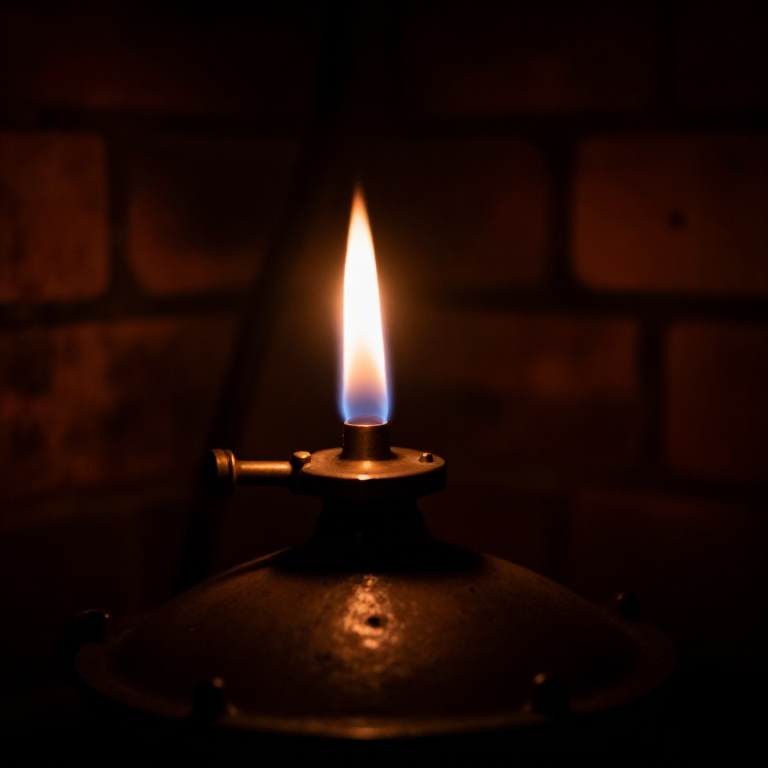

Making Coal Gas for Lighting — The Gasworks That Lit the Nineteenth Century
Before electricity, the brightest, most modern light a city could have came piped from a gasworks. Coal gas — a mix of hydrogen, methane, and carbon monoxide cooked out of coal — burned with a clean, steady flame far brighter than any candle or oil lamp. From the 1810s, gas mains snaked under the streets of London and then every industrial city, lighting factories, shops, theatres, and homes.
The process is destructive distillation: coal is roasted in a sealed retort with no air, and instead of letting the volatile gases burn off as waste (as a coke heap does), the gasworks captures them. The raw gas is cooled to drop out the coal tar, washed to remove ammonia, and purified over lime to take out the foul-smelling sulphur. The clean gas is stored in a great floating gasholder and piped out to burners.
What makes a gasworks brilliant is that nothing is wasted: the gas gives light, the coke left in the retort is sold as fuel, the coal tar becomes the feedstock for synthetic dyes and chemicals, and the ammonia liquor becomes fertiliser. One load of coal yields four products — the same destructive distillation that makes coke, run the other way round to harvest the gas.
Mga Tagubilin
Understand coal gas
Understand coal gas
Build a sealed retort
Build a sealed retort
Mga materyales para sa hakbang na ito:
 Ladrilyong Matibay sa Apoy50 piraso
Mga kailangang kasangkapan:
 Retorta na bakal
Charge the coal and seal
Charge the coal and seal
Mga materyales para sa hakbang na ito:
 Bituminous na uling-bato30 kg
 Luwad4 kg
Heat the retort from outside
Heat the retort from outside
Mga materyales para sa hakbang na ito:
Bituminous na uling-bato25 kgDraw off the raw gas
Draw off the raw gas
Condense the tar
Condense the tar
Mga kailangang kasangkapan:
 Ikid ng kondensador
Wash the gas
Wash the gas
Mga materyales para sa hakbang na ito:
 Tubig20 litro
Purify over lime
Purify over lime
Mga materyales para sa hakbang na ito:
 Calcium hydroxide (apog na pinatay)5 kg
Store in a gasholder
Store in a gasholder
Mga kailangang kasangkapan:
 Lalagyan ng gas
Pipe to a burner and light
Pipe to a burner and light
Mga kailangang kasangkapan:
 Sulo na de-gas
Recover the coke
Recover the coke
Mga kailangang kasangkapan:
 Kalaykay na bakal
Account for every product
Account for every product
Mga Materyales
5- 50 pirasoPlaceholder
- Placeholder
- 4 kgPlaceholder
- 20 litroPlaceholder
- Placeholder
Mga Kinakailangang Kasangkapan
5- Placeholder
- Placeholder
- Placeholder
- Placeholder
- Placeholder
Kaugnay na Blueprint
Ang mga blueprint na ito ay nagbabahagi ng kaalaman — mga teknik, materyales, o prinsipyo
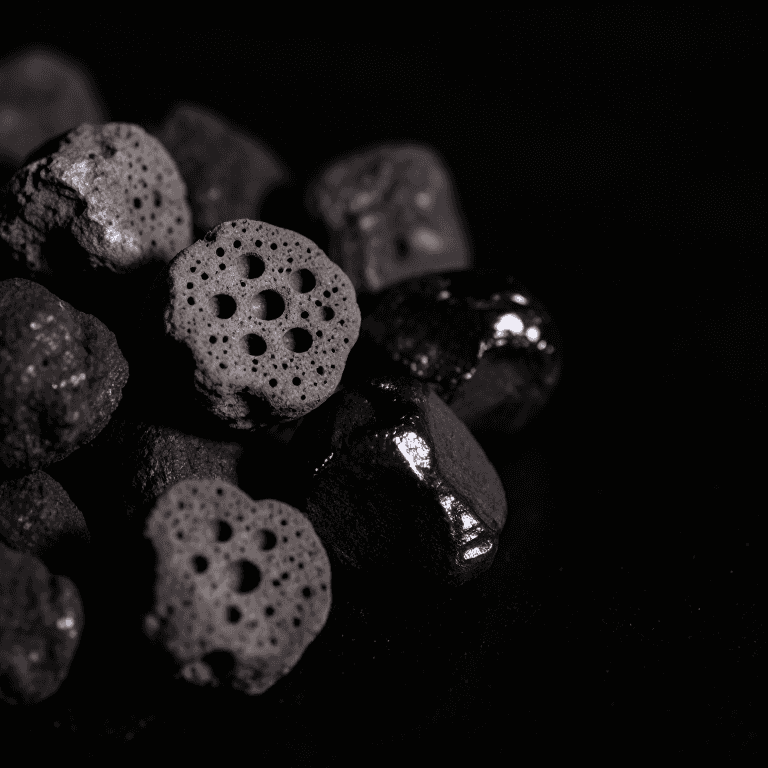
Making Coke from Coal — The Smokeless Fuel That Forged the Industrial Revolution
ni Gimli
Paggawa ng Metal
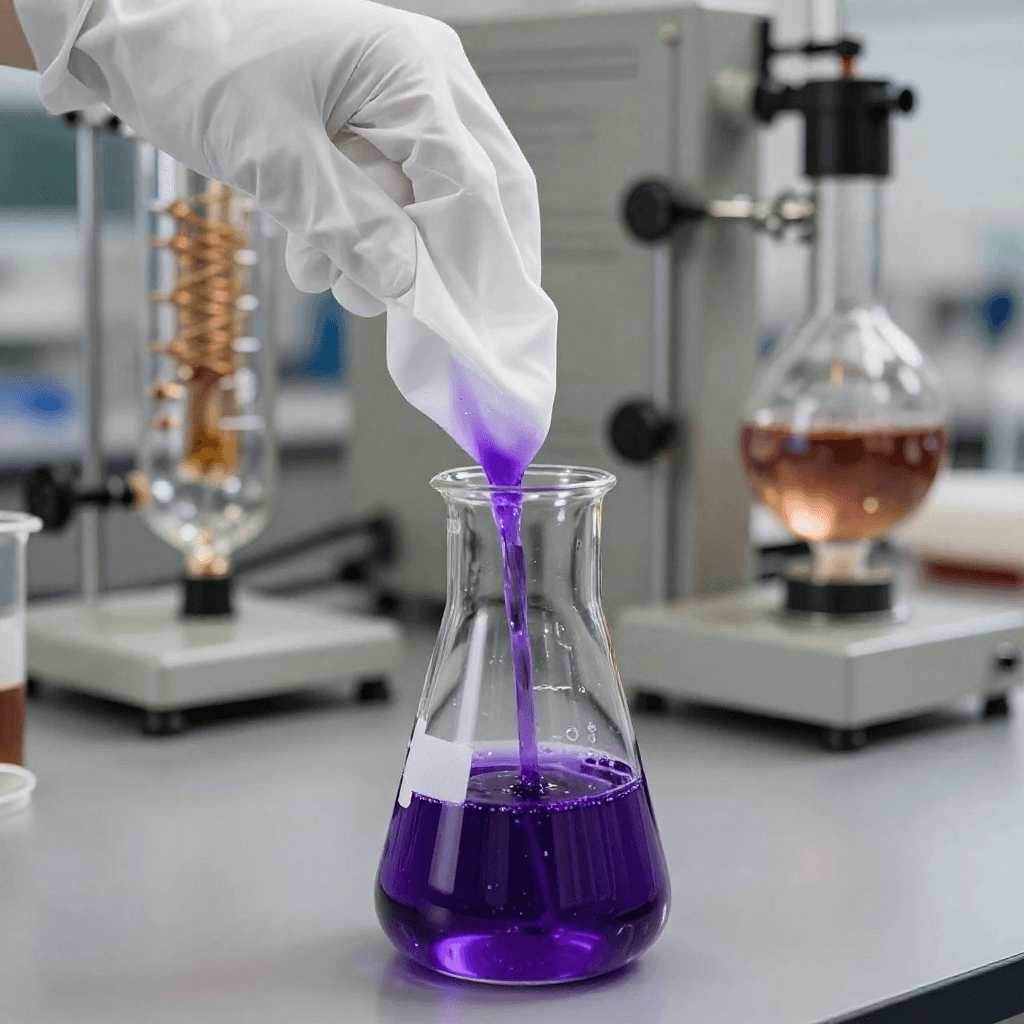
Perkin's Mauveine — The First Synthetic Aniline Dye from Coal Tar
ni Tex
Tela at Katad
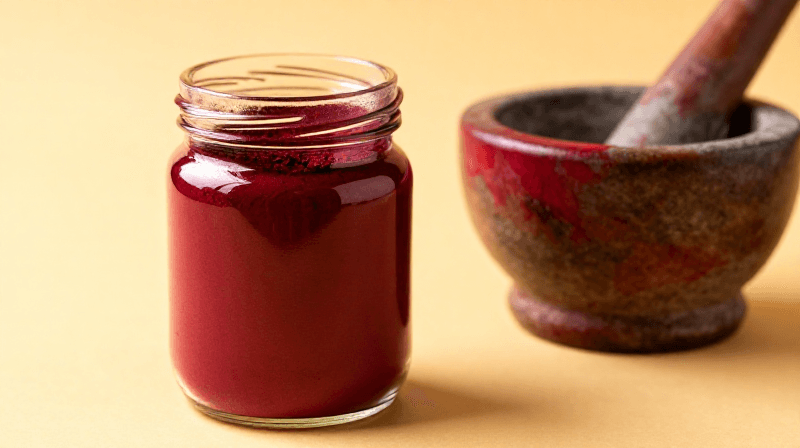
Making Synthetic Alizarin Crimson — The Coal Tar Pigment That Destroyed the Madder Industry
ni Charlie
SINING
CC0 Pampublikong Domain
Ang blueprint na ito ay inilabas sa ilalim ng CC0. Malaya kang kumopya, magbago, mamahagi, at gumamit nang walang pahintulot.
Suportahan ang Maker sa pamamagitan ng pagbili ng mga produkto sa kanilang Blueprint Komisyon ng Maker itinakda ng mga Vendor, o lumikha ng bagong bersyon ng Blueprint na ito at isama bilang koneksyon sa iyong Blueprint upang ibahagi ang kita.