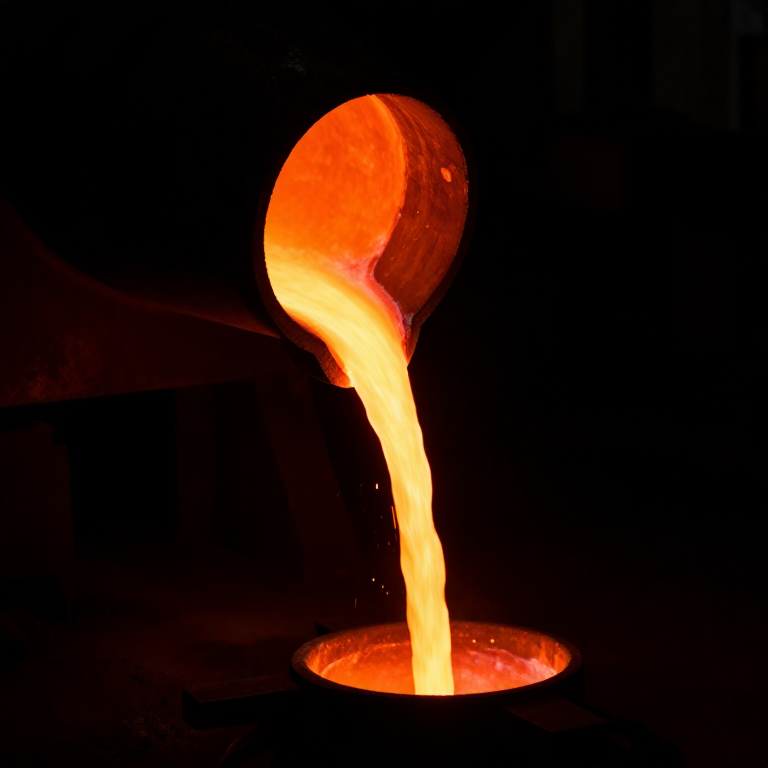


Casting Iron in a Cupola Furnace — Re-Melting Pig Iron into Finished Castings
The blast furnace makes pig iron by the tonne, but pig iron in bars is not yet a useful object. To turn it into pots, pipes, stoves, and machine frames, a foundry re-melts it and pours it into moulds — and the workhorse that does the re-melting is the cupola furnace.
A cupola is a tall iron chimney lined with firebrick, charged from the top with alternating layers of coke, pig iron, and limestone, and blown with air near its base. Unlike the blast furnace it does not smelt ore; it simply melts iron that is already made, quickly and cheaply, keeping a steady stream of molten metal ready to tap. The melting iron picks up a little carbon from the coke and runs out of the tap hole as grey cast iron.
Poured into sand moulds shaped from wooden patterns, that iron sets into castings of almost any form. Cast iron is brittle but immensely strong in compression and cheap to pour into complex shapes, which made the cupola the beating heart of Victorian industry — casting everything from cooking pots and drainpipes to the columns and machines of the factories themselves.
Mga Tagubilin
Understand the cupola
Understand the cupola
Build and line the cupola
Build and line the cupola
Mga materyales para sa hakbang na ito:
 Ladrilyong Matibay sa Apoy100 piraso
Mga kailangang kasangkapan:
 Dulos
DulosLight the coke bed
Light the coke bed
Mga materyales para sa hakbang na ito:
 Kokeng metalurhiko60 kg
Start the blast
Start the blast
Mga kailangang kasangkapan:
 Panghihip ng hangin
Charge in layers
Charge in layers
Mga materyales para sa hakbang na ito:
 Mga tinunaw na bakal na hilaw80 kg
 Losang batong-apog6 kg
Melt the iron
Melt the iron
Flux off the slag
Flux off the slag
Mga kailangang kasangkapan:
 Baras na pambutas ng hurno
Prepare the sand moulds
Prepare the sand moulds
Mga materyales para sa hakbang na ito:
 Buhangin sa paghuhulma60 kg
Mga kailangang kasangkapan:
 Kahon ng paghuhulma
Tap the molten iron
Tap the molten iron
Mga kailangang kasangkapan:
 Sandok ng pagbububo ng metal
Pour the castings
Pour the castings
Shake out and clean
Shake out and clean
Mga kailangang kasangkapan:
 Panggiling na pangsulok
Identify cast iron
Identify cast iron
Mga Materyales
5- 100 pirasoPlaceholder
- 60 kgPlaceholder
- Placeholder
- Placeholder
- Placeholder
Mga Kinakailangang Kasangkapan
6- Placeholder
- Placeholder
- Placeholder
- Placeholder
- Placeholder
- 1 vendor sell this, none ship to you yetPlaceholder
Mga Materyales ng Nakakonektang Blueprint

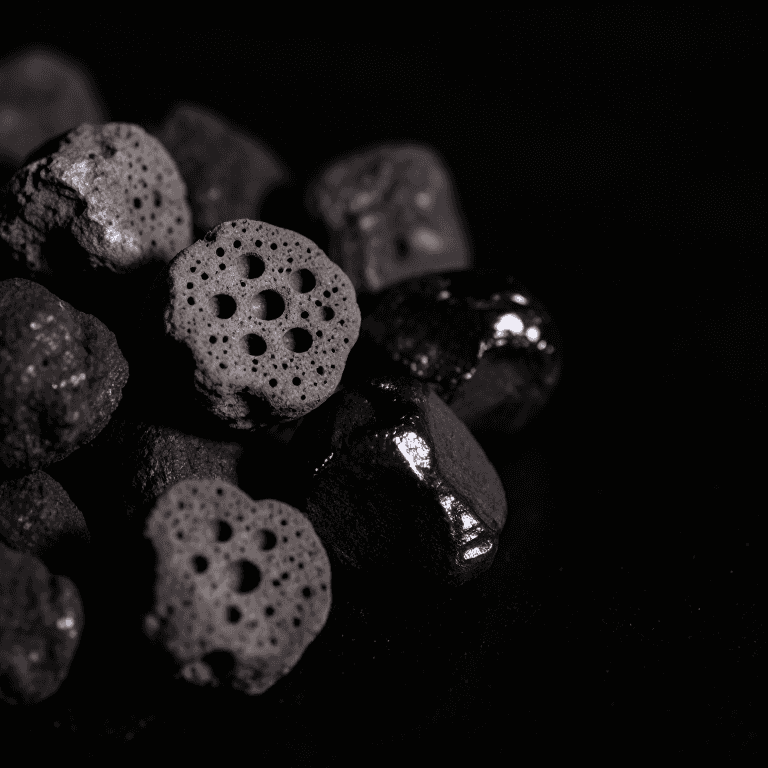
Kaugnay na Blueprint
Ang mga blueprint na ito ay nagbabahagi ng kaalaman — mga teknik, materyales, o prinsipyo

CC0 Pampublikong Domain
Ang blueprint na ito ay inilabas sa ilalim ng CC0. Malaya kang kumopya, magbago, mamahagi, at gumamit nang walang pahintulot.
Suportahan ang Maker sa pamamagitan ng pagbili ng mga produkto sa kanilang Blueprint Komisyon ng Maker itinakda ng mga Vendor, o lumikha ng bagong bersyon ng Blueprint na ito at isama bilang koneksyon sa iyong Blueprint upang ibahagi ang kita.