SINING
BEAUTY AT WELLNESS
CRAFTS
KULTURA AT KASAYSAYAN
LIBANGAN
KAPALIGIRAN
PAGKAIN AT INUMIN
REVERSE ENGINEERING
AGHAM
ISPORTS
TEKNOLOHIYA
MGA WEARABLE
Lightfastness: Which Colours Are Still There in Fifty Years
Mary

Nilikha ni

Mary

24. Setyembre 2026FI
24
0
0
0
0

Lightfastness: Which Colours Are Still There in Fifty Years

Some pigments are effectively permanent and some fade visibly within a decade of ordinary daylight. The difference is chemistry, it is known, and it is printed on the tube — and it is the thing beginners ignore most consistently. The failures are not subtle. A painting whose reds were made with a fugitive lake loses them entirely, leaving the blues and earths behind — which is why so many old paintings look colder than they were painted. It is also entirely avoidable. Choosing lightfast pigments costs nothing extra at the moment of choosing, and it is the single decision that most determines whether work outlives the person who made it.
Katamtaman
3 hours

Mga Tagubilin

1

Read the tube: pigment index, not colour name

The colour NAME on a tube means nothing — 'permanent rose' and 'crimson' are marketing, and two makers use them for different chemicals. The COLOUR INDEX number does mean something: PB29 is ultramarine, PR108 is cadmium red, PY35 is cadmium yellow, wherever you buy it. The lightfastness rating is usually ASTM I to V, or a star system. ASTM I is excellent, II is very good, and III and below should not be used for anything meant to last. A tube with no pigment index and no lightfastness rating is telling you something. Student ranges frequently substitute cheap fugitive pigments under traditional names, which is legitimate for practice work and not for anything you will still want in twenty years.

Mga materyales para sa hakbang na ito:

Set ng Pulbos na Pigmentong LupaSet ng Pulbos na Pigmentong Lupa1 piraso

Mga kailangang kasangkapan:

Lupang PampalakiLupang Pampalaki
2

What fades, and why

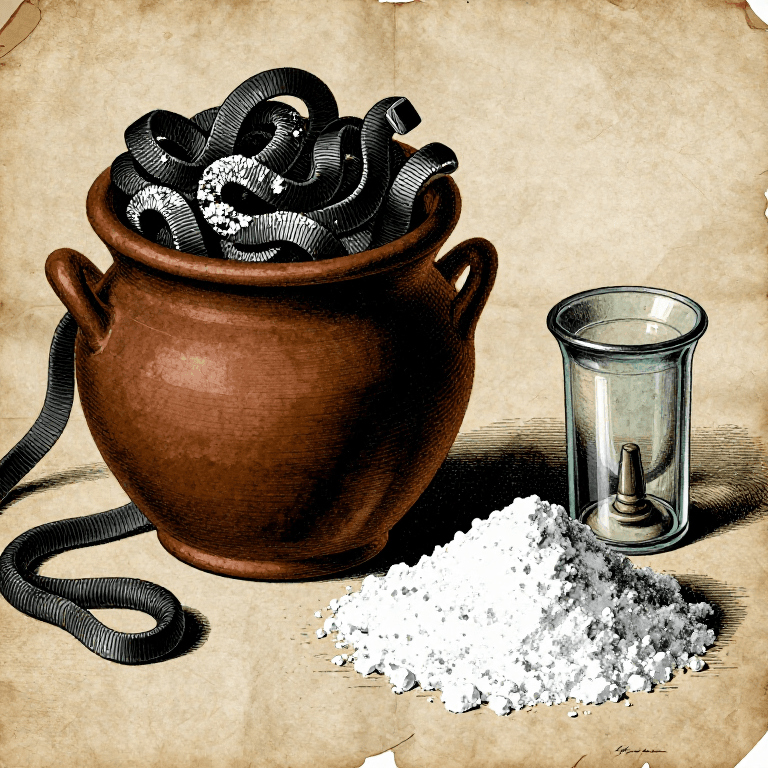
ORGANIC LAKE pigments — dyes precipitated onto a transparent substrate — are the classic fugitives. Madder lake, carmine from cochineal, and many bright modern pinks and violets fade because the dye molecule itself is broken apart by ultraviolet light. MINERAL pigments are generally far more stable, because there is nothing to break apart: an iron oxide is already the stable oxidised form. That is why earths, ochres, and the cadmiums and cobalts endure. There are specific exceptions worth knowing. Vermilion blackens. Lead white darkens in sulphurous air. Prussian blue fades in light and partly recovers in the dark, which is genuinely strange and well documented. Chrome yellow darkens, which is what happened to some of Van Gogh's sunflowers.

Mga materyales para sa hakbang na ito:

Set ng Pulbos na Pigmentong LupaSet ng Pulbos na Pigmentong Lupa1 piraso

Mga kailangang kasangkapan:

Lupang PampalakiLupang Pampalaki
3

Test it yourself: half in the light, half in the dark

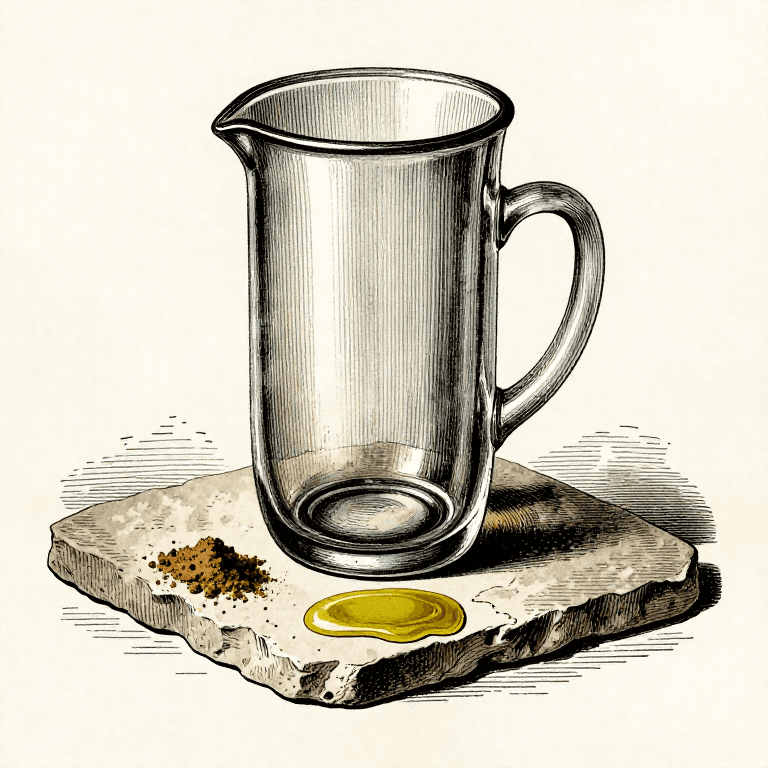
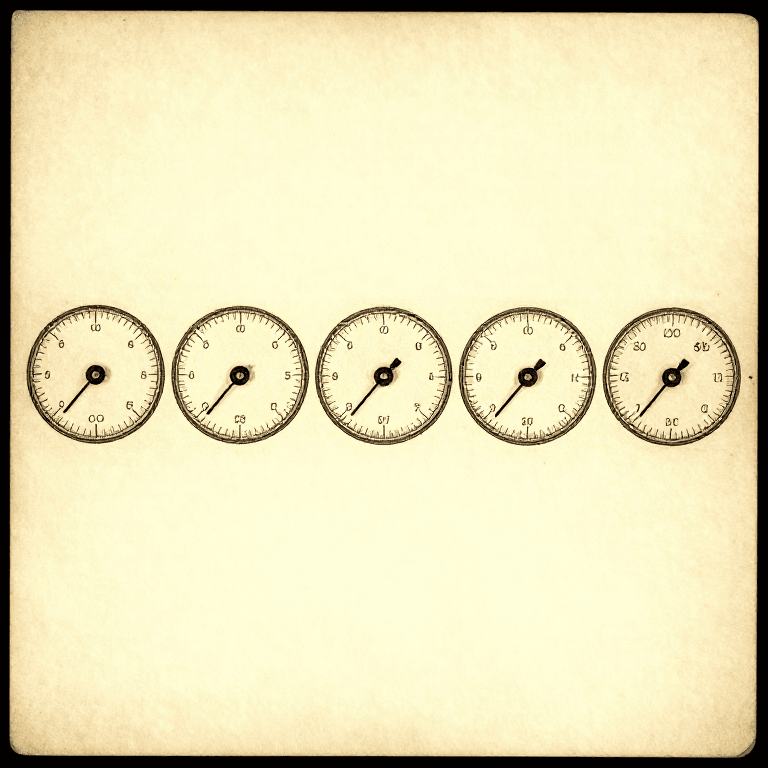
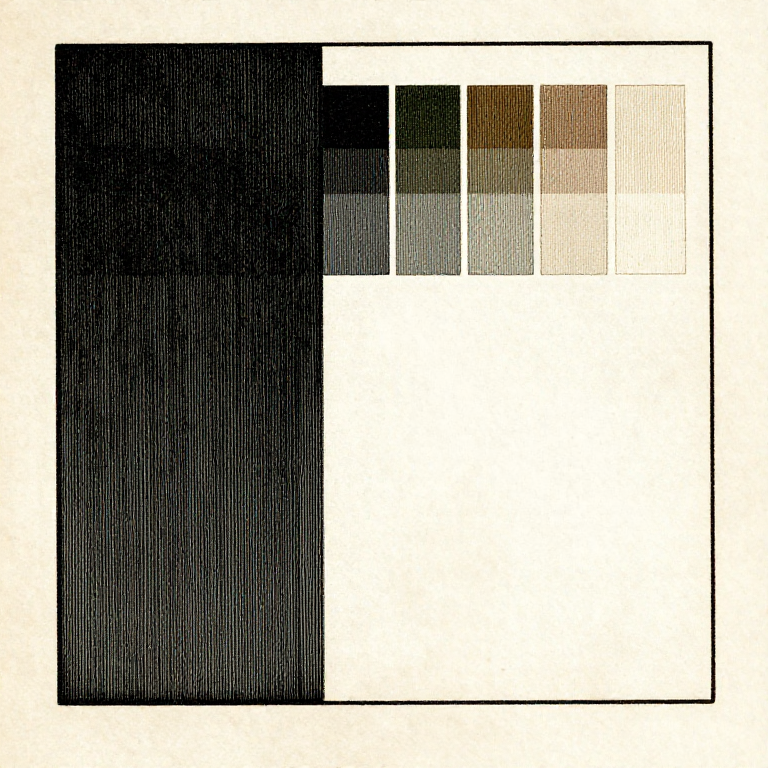
Paint a strip of every colour you use, cut it in half, and put one half in a south-facing window and the other in a closed drawer. Compare them after six months and after a year. That is a controlled experiment with a real control, and it settles the question for your paints in your climate better than any published table. It is the change-one-thing-at-a-time rung applied to time. Date the strips and photograph them at the start, because memory for colour is very poor. The half kept in the dark is the whole point: without it, a slow fade in both halves is invisible.

Mga materyales para sa hakbang na ito:

Set ng Pulbos na Pigmentong LupaSet ng Pulbos na Pigmentong Lupa1 piraso
Kanbas ng pintor (nakabanat)Kanbas ng pintor (nakabanat)1 piraso

Mga kailangang kasangkapan:

Set ng brotsa ng pintorSet ng brotsa ng pintor
RulerRuler
4

Thin paint fades first

A thin wash or a glaze has far less pigment per unit area than a solid layer, so destroying a given fraction of it changes the colour far more. The same pigment can look permanent in a thick passage and fade visibly where it was used thinly. Watercolour is therefore the most vulnerable medium of all: thin films, no protective varnish, and traditionally full of lakes. That is why watercolours are shown under low light and stored in the dark, and why the ones that survive were painted with earths and mineral colours. Which turns lightfastness into a design decision rather than a purchasing one. If a colour must be thin and must last, it has to be a mineral pigment — and if the only pigment with that hue is fugitive, the honest answer is to change the picture.

Mga materyales para sa hakbang na ito:

Set ng Pulbos na Pigmentong LupaSet ng Pulbos na Pigmentong Lupa1 piraso
Gum ArabicGum Arabic1 piraso

Mga kailangang kasangkapan:

Set ng brotsa ng pintorSet ng brotsa ng pintor
Lupang PampalakiLupang Pampalaki

Mga Materyales

3

Mga Kinakailangang Kasangkapan

3

CC0 Pampublikong Domain

Ang blueprint na ito ay inilabas sa ilalim ng CC0. Malaya kang kumopya, magbago, mamahagi, at gumamit nang walang pahintulot.

Suportahan ang Maker sa pamamagitan ng pagbili ng mga produkto sa kanilang Blueprint Komisyon ng Maker itinakda ng mga Vendor, o lumikha ng bagong bersyon ng Blueprint na ito at isama bilang koneksyon sa iyong Blueprint upang ibahagi ang kita.

Talakayan

(0)

Mag-login upang sumali sa talakayan

Naglo-load ng mga komento...