SINING
BEAUTY AT WELLNESS
CRAFTS
KULTURA AT KASAYSAYAN
LIBANGAN
KAPALIGIRAN
PAGKAIN AT INUMIN
REVERSE ENGINEERING
AGHAM
ISPORTS
TEKNOLOHIYA
MGA WEARABLE
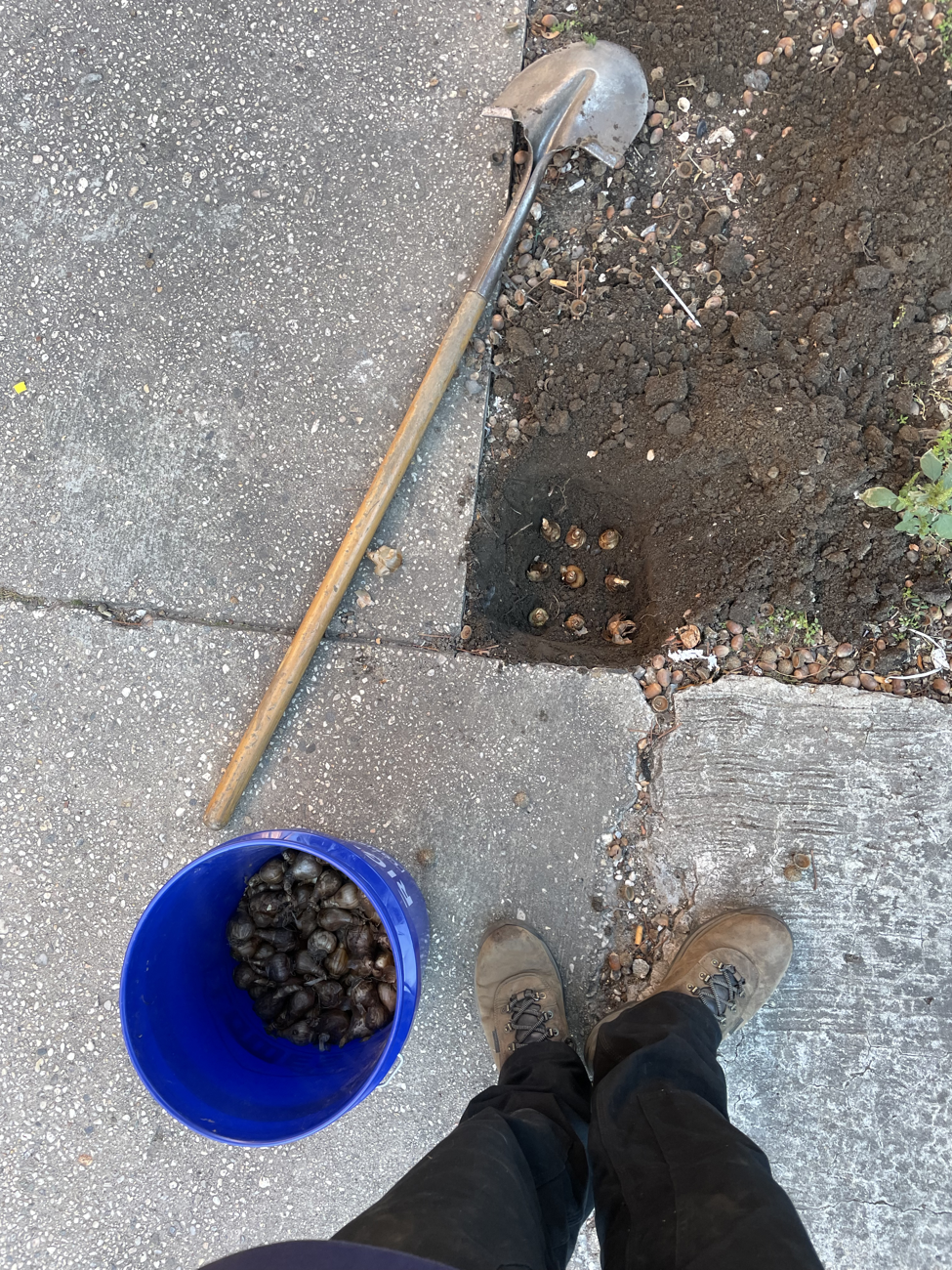
Wil Fyfordy (Wikimedia Commons) · CC BY-SA 4.0


Propagating Bulbs from Offsets — Splitting the Daughter Bulbs
Daffodils, tulips, alliums and lilies quietly clone themselves underground: each mother bulb grows little OFFSETS — daughter bulbs — around its base. Lift the clump when dormant, break the offsets off, grade them by size, and replant. A buildable school project in the bulb as a storage organ and the daughter bulb as a clone.
Baguhan
Lift in summer; small offsets grow on 1-3 years
Mga Tagubilin
1
1
Bulbs that bud off babies
Bulbs that bud off babies
A bulb is a whole plant in miniature, packed into an underground storehouse. Beside the mother, on the same flat base, it grows small new bulbs called OFFSETS (or daughter bulbs), so one bulb slowly becomes a crowded clump — and every offset is a clone of the mother, ready to be split off and grown on.
2
2
See how a bulb is built
See how a bulb is built
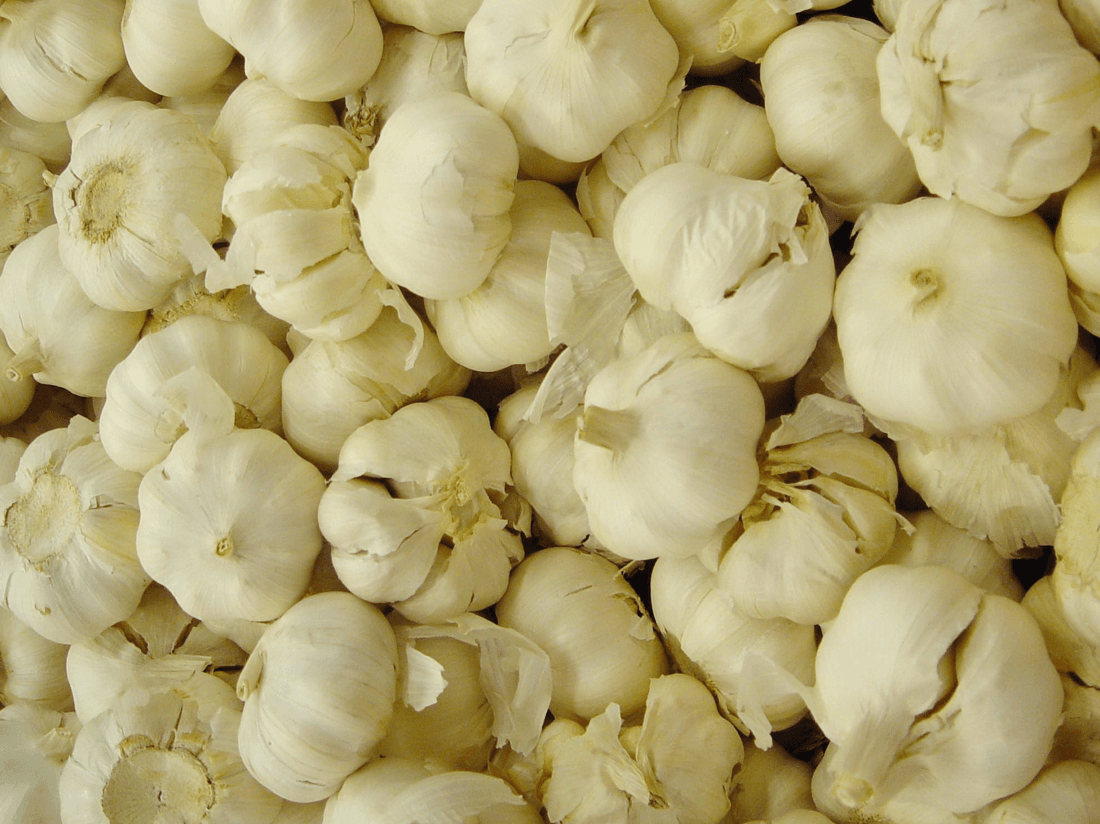
Cut a garlic or onion bulb to see the structure: a flat BASAL PLATE at the bottom (a squashed stem), fleshy food-storing scales stacked above it, and a growing point in the middle. A garlic bulb shows offsets perfectly — every clove is a daughter bulb sitting on that shared basal plate. Flower bulbs like daffodils do exactly the same, just fewer and rounder.
Mga materyales para sa hakbang na ito:
 Sariwang bombilya ng bawang1 bulb
3
3
Lift when dormant
Lift when dormant
Lift the clump when the bulb is DORMANT — for spring-flowering bulbs that means early summer, AFTER the leaves have yellowed and died back naturally. Never cut green foliage off: those leaves are busy photosynthesising to refill the bulb for next year. Fork the clump up gently so you don't slice the bulbs.
Mga kailangang kasangkapan:
 Tinidor na panghukay sa hardin
4
4
Separate the offsets
Separate the offsets
Brush off the soil and gently break the daughter offsets away from the mother at the basal plate. When they are ready they come free with a light twist; don't force any that are still firmly fused — leave those for next year.
5
5
Grade and store
Grade and store
Sort by size: big offsets will flower next year, while small bulblets need one to three years of 'growing on' before they are big enough to bloom. Throw out any soft, mouldy or damaged bulbs, let the keepers dry, and store them cool, dark and airy in a paper or mesh bag until planting time.
Mga materyales para sa hakbang na ito:
 Supot na papel kraft na may lining na foil1 piraso
6
6
Replant at the right depth
Replant at the right depth
In autumn replant the big offsets where you want flowers and line the little ones out in a nursery bed to fatten up. The rule of thumb for depth is two to three times the bulb's own height of soil above it, pointed (growing) end UP. Label and water in.
Mga materyales para sa hakbang na ito:
 Kompost1 bag
 Mga Tatak na Madikit1 pilyego
Mga kailangang kasangkapan:
 Dulos
Dulos7
7
Compendium — the bulb and its offsets
Compendium — the bulb and its offsets
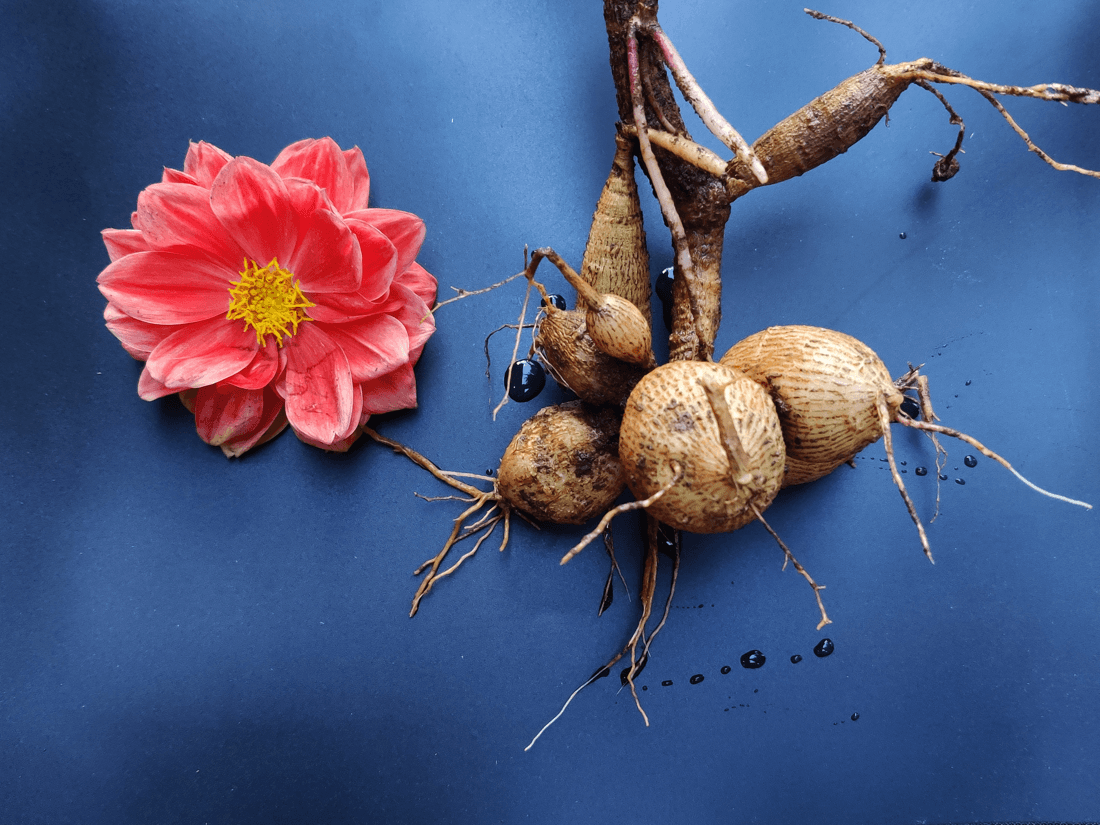
A true BULB is one of nature's neatest storage organs: a very short, flattened stem (the basal plate) topped with swollen, food-filled leaf bases (scales) wrapped around next year's flower bud — essentially a complete plant asleep in a lunchbox. It survives the dormant season on that stored food and, in the leaf-axils on the basal plate, produces buds that swell into OFFSETS — small clone bulbs alongside the mother. Left alone these crowd into a congested clump that flowers less and less, so lifting and separating the offsets both MULTIPLIES the plant and REJUVENATES the clump, exactly as dividing a fibrous perennial does. Because it is a clone, each offset is genetically identical to its mother and comes perfectly true. The key timing rule flows from how the bulb refuels: it can only rebuild itself while its leaves are green and photosynthesising after flowering, so you must let the foliage die down naturally before you lift — cutting green leaves starves next year's bloom. Bulbs have relatives worth knowing, all lumped together by gardeners as 'bulbs' but built differently: a CORM (crocus, gladiolus) is a solid swollen stem that is used up each year and replaced by a fresh corm on top, with tiny cormels around its base; some lilies and alliums make BULBILS, little aerial bulblets on the stem or flower head; and lily growers even peel a bulb's scales off and pot them to force dozens of new bulblets ('scaling'). All of these are just variations on the same clonal trick — a storehouse organ that buds off copies of itself. Bulbs like the onion, garlic and lily have been grown and multiplied this way since antiquity.
Mga Materyales
4- Placeholder
- Placeholder
- 1 bagPlaceholder
- 1 pilyegoPlaceholder
Ang blueprint na ito ay gumagawa ng

Kaugnay na Blueprint
Ang mga blueprint na ito ay nagbabahagi ng kaalaman — mga teknik, materyales, o prinsipyo
CC0 Pampublikong Domain
Ang blueprint na ito ay inilabas sa ilalim ng CC0. Malaya kang kumopya, magbago, mamahagi, at gumamit nang walang pahintulot.
Suportahan ang Maker sa pamamagitan ng pagbili ng mga produkto sa kanilang Blueprint Komisyon ng Maker itinakda ng mga Vendor, o lumikha ng bagong bersyon ng Blueprint na ito at isama bilang koneksyon sa iyong Blueprint upang ibahagi ang kita.