SINING
BEAUTY AT WELLNESS
CRAFTS
KULTURA AT KASAYSAYAN
LIBANGAN
KAPALIGIRAN
PAGKAIN AT INUMIN
REVERSE ENGINEERING
AGHAM
ISPORTS
TEKNOLOHIYA
MGA WEARABLE
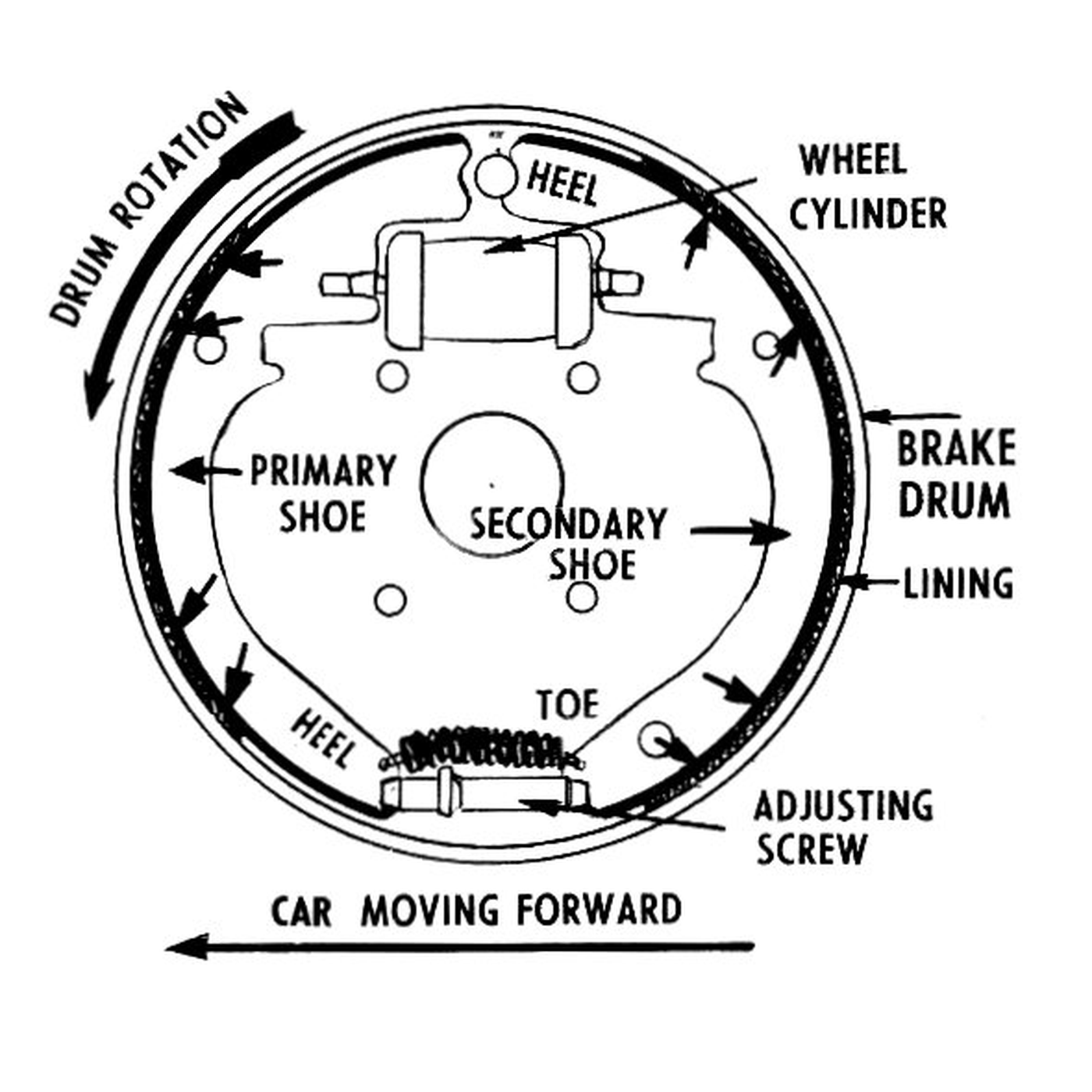


The Drum Brake: Shoes That Push Themselves Harder
Early cars stopped with blocks pressed on the tyres or with a band tightened round a drum on the outside. In 1902 Louis Renault put the friction INSIDE the drum: two curved shoes pivoted on a fixed plate, pushed outward against the drum's inner surface. The drum keeps dirt and water off the linings, and one of the shoes is dragged by the drum's own rotation into firmer contact — it helps to apply itself.
That self-servo gives a lot of braking for a small push. It also makes the brake sensitive to the friction of its linings, which is why drum brakes fade when hot.
This rung works out leading and trailing shoe torques and builds a plywood drum with one shoe to measure the difference by spinning it each way.
Katamtaman
About 4 hours
Mga Tagubilin
1
1
Leading and trailing shoes
Leading and trailing shoes
Naglo-load ng Jupyter notebook…
2
2
Build a drum and one shoe
Build a drum and one shoe
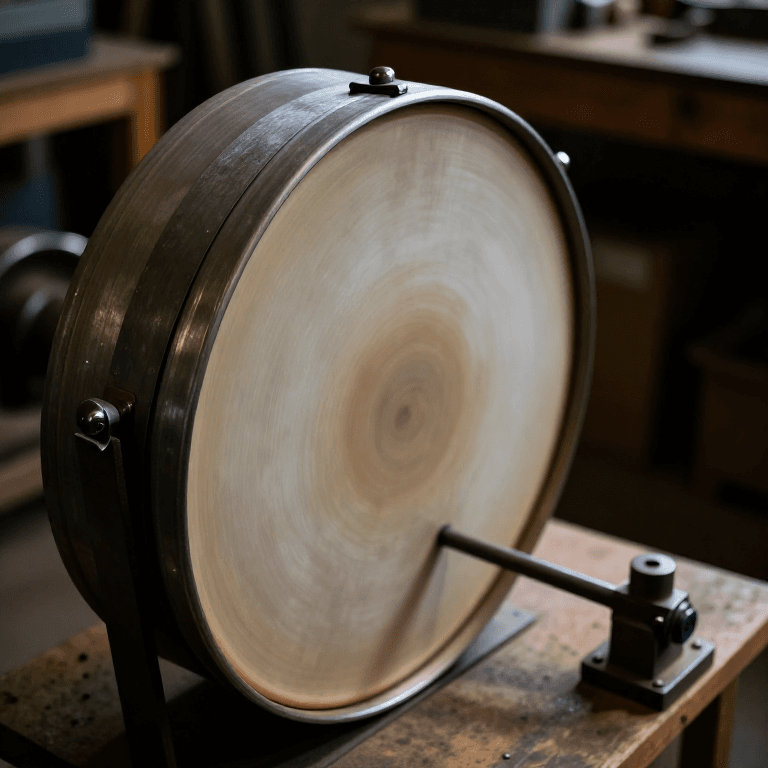
Make a drum: a plywood disc 200 mm across with a 30 mm rim of cardboard strip glued round it, on a bolt axle through a plywood backplate. Line the inside of the rim with sandpaper, rough side in, as a repeatable friction surface for the drum.
Make one shoe: a plywood arc that fits inside the drum, pivoted near one end on the backplate, with a piece of brake-pad friction material glued on its face. At the free end, hang the spring scale to pull the shoe out against the drum with a fixed force.
Wrap string round the drum's hub, hang a weight on it, and find the smallest weight that turns the drum against the shoe — with the drum turning towards the pivot (trailing), then away (leading). The leading direction needs far more weight.
Mga materyales para sa hakbang na ito:
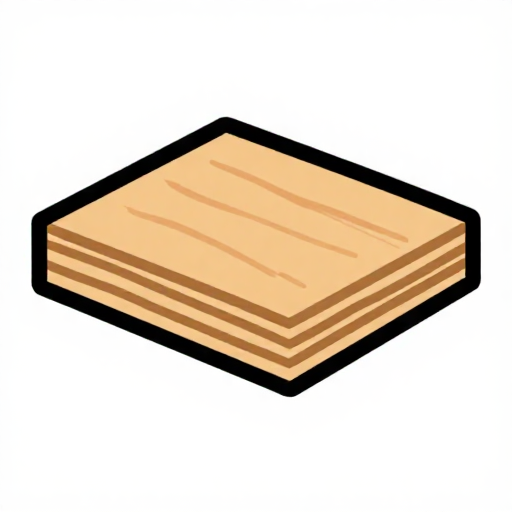 Tabla ng playwud1 pilyego
 Mga Lapad na Kartong Kulubot1 pakete
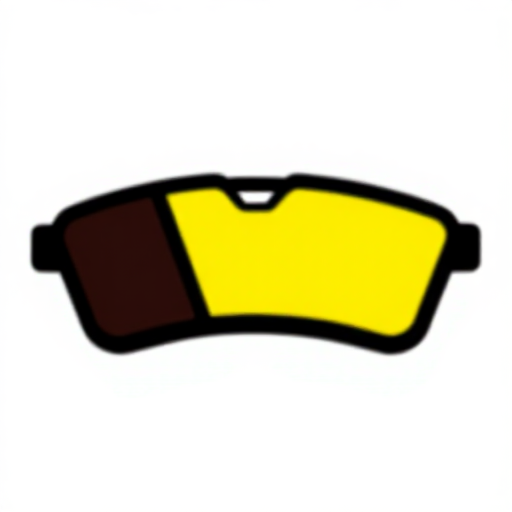 Mga pad ng preno1 set
 Mga turnilyo ng makina4 piraso
Mga kailangang kasangkapan:
 Walang-Kableng Barena
 Hanay ng Talim ng Barena
 Panukat ng Puwersa (Timbangang Spring)
 Ruler
Ruler Assortment ng papel de liha
3
3
History and context
History and context
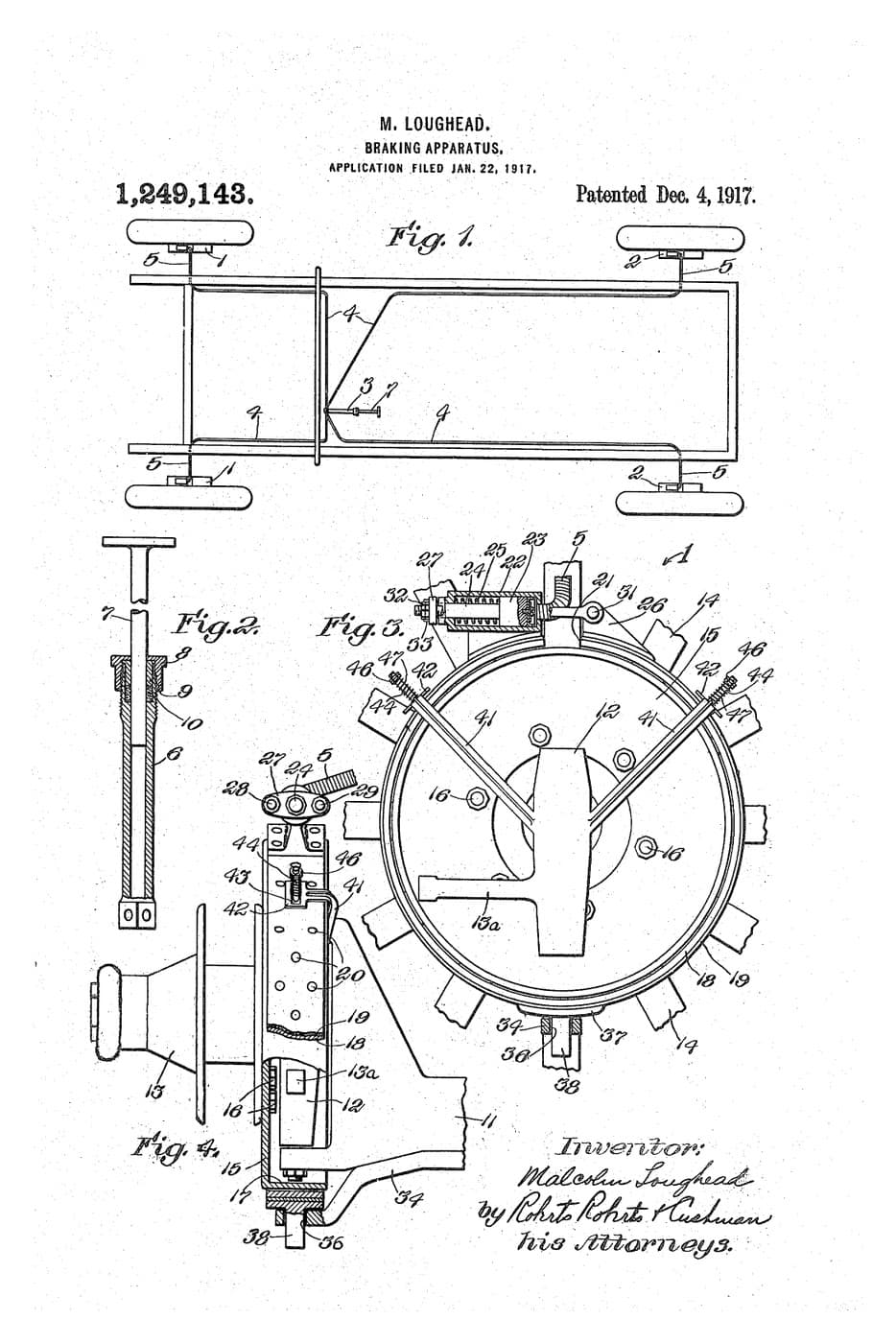
**Louis Renault, 1902** — the internal expanding shoe brake. No patent number is asserted here. Mechanical rods and cables worked the shoes until hydraulic operation (Loughead, in this catalogue) spread in the 1920s; twin-leading-shoe drums put the self-servo on both shoes for stronger front brakes.
**Honest limits.** The self-servo makes the torque sensitive to lining friction, so a hot drum fades and a wet one grabs. The drum expands away from the shoes when hot, lengthening the pedal. And the enclosed drum sheds heat poorly — the reason disc brakes (the next rung) took over at the front of cars.
Mga Materyales
4- 1 pilyegoPlaceholder
- 1 paketePlaceholder
- 1 setPlaceholder
- 4 pirasoPlaceholder
Mga Kinakailangang Kasangkapan
5- 1 vendor sell this, none ship to you yetPlaceholder
- Placeholder
- Placeholder
- Placeholder
- Placeholder
Kaugnay na Blueprint
Ang mga blueprint na ito ay nagbabahagi ng kaalaman — mga teknik, materyales, o prinsipyo



CC0 Pampublikong Domain
Ang blueprint na ito ay inilabas sa ilalim ng CC0. Malaya kang kumopya, magbago, mamahagi, at gumamit nang walang pahintulot.
Suportahan ang Maker sa pamamagitan ng pagbili ng mga produkto sa kanilang Blueprint Komisyon ng Maker itinakda ng mga Vendor, o lumikha ng bagong bersyon ng Blueprint na ito at isama bilang koneksyon sa iyong Blueprint upang ibahagi ang kita.