SINING
BEAUTY AT WELLNESS
CRAFTS
KULTURA AT KASAYSAYAN
LIBANGAN
KAPALIGIRAN
PAGKAIN AT INUMIN
REVERSE ENGINEERING
AGHAM
ISPORTS
TEKNOLOHIYA
MGA WEARABLE
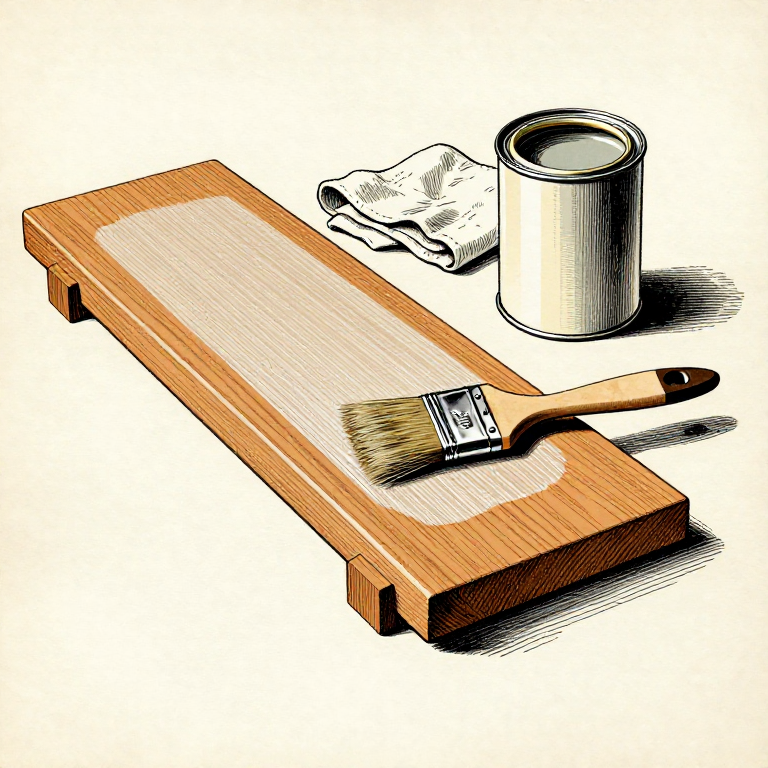


Varnish and Polyurethane: Thin Coats, and Leave It Alone
Polyurethane is the toughest finish most workshops will use: genuinely water resistant, genuinely abrasion resistant, and the right answer for a worktop, a floor or a table that gets used.
It is also the least forgiving to apply. It stays wet long enough to collect dust, it shows every brush mark, and each coat is a separate layer rather than melting into the last — so a sand-through is visible as a witness line forever.
Two rules cover nearly all of it: thin coats, and stop touching it. Almost every bad polyurethane finish comes from a thick coat or from brushing back over one that had started to set.
Katamtaman
4 hours
Mga Tagubilin
1
1
Oil-based or water-based: pick for colour and smell, not for toughness
Oil-based or water-based: pick for colour and smell, not for toughness
OIL-BASED cures slowly, flows out well so brush marks level themselves, warms the colour of the wood, and continues to yellow for years. It smells strongly and needs solvent to clean up.
WATER-BASED dries in a couple of hours, stays water-clear so pale timbers stay pale, has little odour and cleans up with water. It levels less well, so brush marks are more likely, and it raises the grain on the first coat — which the surface rung pre-empts by raising the grain deliberately.
Modern water-based products are comparable in durability, so the honest basis for choosing is colour, dry time and smell. Do not use them over an oil finish that has not fully cured, and seal an oily or resinous timber with dewaxed shellac first.
Mga materyales para sa hakbang na ito:
 Poliuretano - batay sa langis1 piraso
 Poliuretano - batay sa tubig1 piraso
 Tabla ng Matigas na Kahoy2 piraso
Mga kailangang kasangkapan:
 Malapad na brotsa
 Brotsang espuma
 Gwantes na Nitrile
2
2
Thin it, and wipe rather than brush
Thin it, and wipe rather than brush
A WIPING varnish — polyurethane thinned by half with mineral spirits and wiped on with a cloth — is the most reliable way for a beginner to get a good film finish, and it is what many 'wipe-on poly' products already are.
Thin coats cannot run, cannot sag, hold far less dust because they set quickly, and show no brush marks because there is no brush. The cost is that you need more of them — five or six rather than two or three — and each is quick.
If you brush, use a good brush, load it properly, lay the finish on in one direction and tip off lightly along the grain. Then stop. A brush going back into partly set varnish tears it, and that tear is permanent.
Mga materyales para sa hakbang na ito:
Poliuretano - batay sa langis1 piraso Mineral spirits1 piraso
Mga kailangang kasangkapan:
 Telang BulakMalapad na brotsaGwantes na Nitrile
3
3
Between coats: scuff, do not sand through
Between coats: scuff, do not sand through
Once a coat is properly dry, knock off dust nibs with very fine abrasive or a grey pad, wipe clean, and apply the next. The scratches give the next coat something to key to, which polyurethane needs because it does not dissolve into the previous layer.
Use light pressure and stay off the edges. Edges have the thinnest film and sand through first, and a sand-through on a stained surface takes the colour with it — leaving a pale patch that cannot be blended.
Respect the recoat window on the tin. Recoat too early and the solvent in the new coat softens and wrinkles the one beneath; leave it far too long and the new coat will not bond well, which is what the scuffing is compensating for.
Mga materyales para sa hakbang na ito:
 Sari-saring pad na Scotch-Brite1 piraso
 Assortment ng papel de liha1 piraso
Mga kailangang kasangkapan:
 Telang pandampot ng alikabok
 Set ng blokeng panliha (espuma)
 Lupang Pampalaki
4
4
Dust, temperature and the last coat
Dust, temperature and the last coat
Oil-based polyurethane stays wet for hours, and everything floating in the air lands on it. Vacuum beforehand, let the air settle, do not sweep, and if you can, finish in a different room from the one you sanded in.
Temperature matters more than people expect. Too cold and it will not cure properly; too warm and it skins before it levels, leaving brush marks set in place. Check the range on the tin and believe it.
Leave the last coat alone completely. Full cure takes days even though it feels dry in hours, and a surface put into use too early prints, dents and marks in ways it never would once hard. For a high build, rub the cured film out with fine abrasive and wax — which the next rung covers — rather than trying to lay a perfect final coat.
Mga materyales para sa hakbang na ito:
Poliuretano - batay sa langis1 pirasoMga kailangang kasangkapan:
Telang pandampot ng alikabokMalapad na brotsaMga Materyales
6- 3 pirasoPlaceholder
- 1 pirasoPlaceholder
- 2 pirasoPlaceholder
- 1 pirasoPlaceholder
- Sari-saring pad na Scotch-Brite10% komisyon1 pirasoPlaceholder
- 1 pirasoPlaceholder
Mga Kinakailangang Kasangkapan
7- Placeholder
- Placeholder
- Placeholder
- Placeholder
- Placeholder
- Set ng blokeng panliha (espuma)10% komisyonPlaceholder
- Placeholder
Kaugnay na Blueprint
Ang mga blueprint na ito ay nagbabahagi ng kaalaman — mga teknik, materyales, o prinsipyo



CC0 Pampublikong Domain
Ang blueprint na ito ay inilabas sa ilalim ng CC0. Malaya kang kumopya, magbago, mamahagi, at gumamit nang walang pahintulot.
Suportahan ang Maker sa pamamagitan ng pagbili ng mga produkto sa kanilang Blueprint Komisyon ng Maker itinakda ng mga Vendor, o lumikha ng bagong bersyon ng Blueprint na ito at isama bilang koneksyon sa iyong Blueprint upang ibahagi ang kita.