تعاون
فن
خوبصورتی اور تندرستی
دستکاری
ثقافت اور تاریخ
تفریح
ماحول
خوراک اور مشروبات
ریورس انجینئرنگ
سائنسز
کھیل
ٹیکنالوجی
پہننے والے آلات
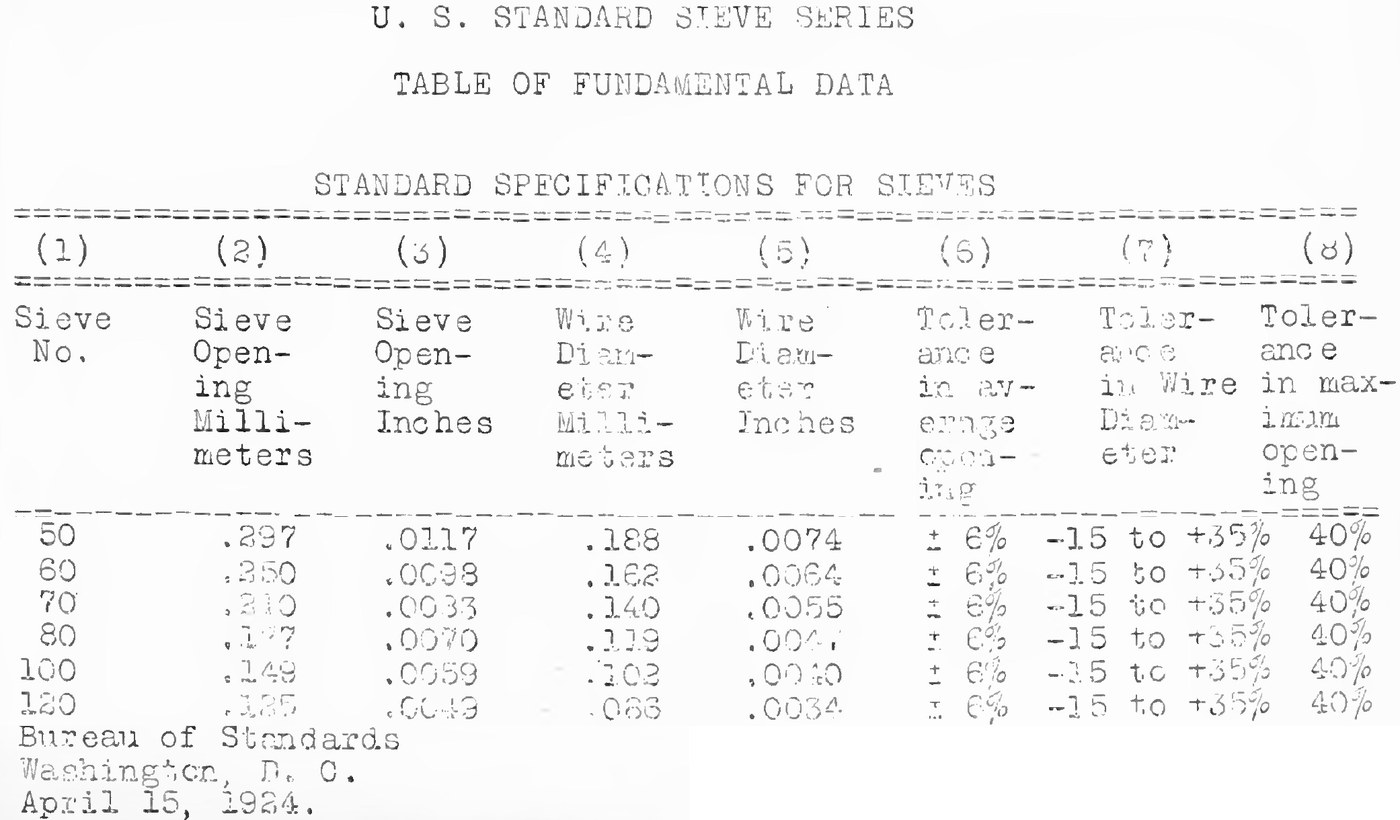

60-Mesh and 80-Mesh Sieves: U.S. Standard Sieves No. 60 and No. 80 (Bureau of Standards, 1924)
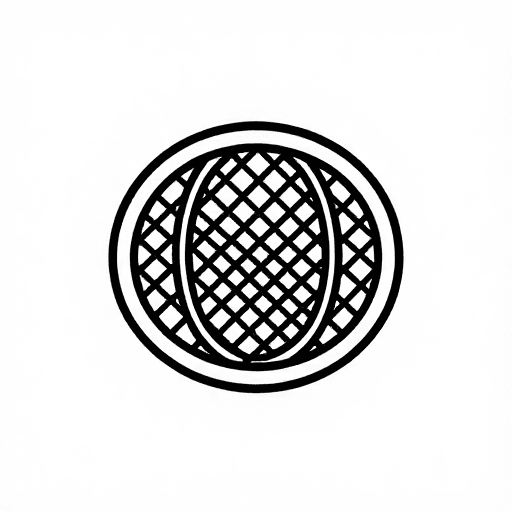
Two standard testing sieves made the same way; only the wire and the opening change with the sieve number. Plain-woven brass or bronze wire cloth is soldered smoothly into a round frame about 20 cm (8 in) across.
No. 60 has 0.250 mm openings (the 60-mesh sieve); No. 80 has 0.177 mm openings (the 80-mesh sieve). The finer the cloth, the finer the grains that pass.
Source: Bureau of Standards, Letter Circular 74, Standard Specifications for Sieves (revised 1924). Unknown: the frame metal and the weaving. Picture: the Bureau's table.
درمیانہ
Unknown
ہدایات
1
1
Choose the sieve number
Choose the sieve number
The sieve number sets the wire and the opening (Bureau of Standards table, 1924):
No. 60: opening 0.250 mm (0.0098 in), wire 0.162 mm (0.0064 in).
No. 80: opening 0.177 mm (0.0070 in), wire 0.119 mm (0.0047 in).
The opening is the clear space between adjacent wires. No. 60 passes grains under 0.250 mm; No. 80 passes grains under 0.177 mm.
2
2
Weave the wire cloth
Weave the wire cloth
Weave plain (not twilled) cloth from brass, bronze or other suitable wire of the diameter for your sieve number, spacing the wires so the opening is as in the table each way. Ours: bronze wire. Not given: how it is woven.
اس مرحلے کے لیے مواد:
 کانسی کی تار1 warp and shoot wires
درکار اوزار:
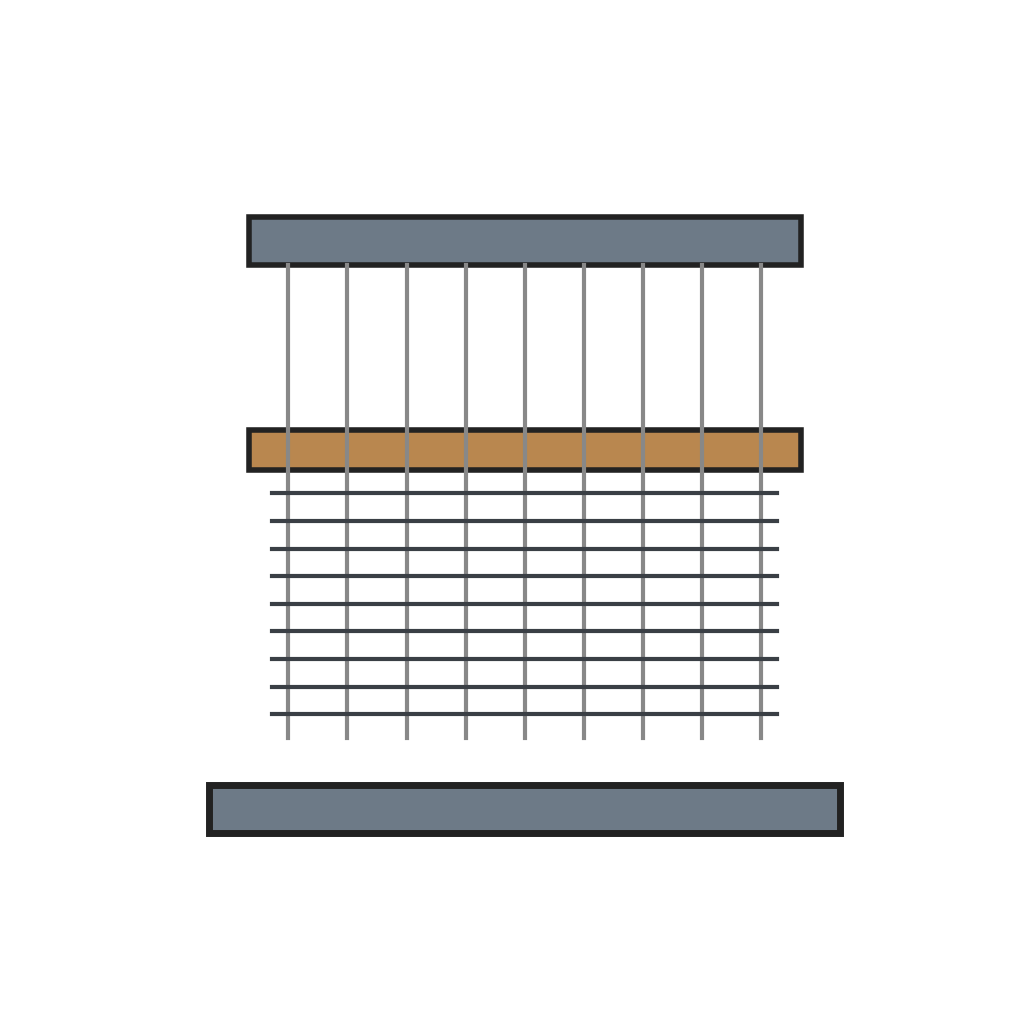 تار کی جالی بُننے کی کھڈی
3
3
Make the frame
Make the frame
Make a circular frame about 20 cm (8 in) across, with about 5 cm (2 in), or 2.5 cm (1 in), between its top and the cloth. Ours: brass strip. Not given: the frame metal.
اس مرحلے کے لیے مواد:
 پیتل کی پٹی1 frame
درکار اوزار:
 چادر کاٹنے کی قینچی
 ٹانکا لگانے کی سلاخ
4
4
Mount the cloth
Mount the cloth
Mount the cloth on the frame without distorting it. Fill the joint between cloth and frame smoothly with solder, so the material being sieved cannot catch in it.
اس مرحلے کے لیے مواد:
 ٹن-سیسے کا ٹانکہ1 joint
 فلکس1 joint
درکار اوزار:
ٹانکا لگانے کی سلاخ5
5
Check it against the tolerances
Check it against the tolerances
Measure the warp and shoot wires separately. For both numbers the average opening must be within ±6 % of the table, the average wire diameter within −15 to +35 %, and no opening may exceed the table opening by more than 40 %. Reject a sieve with punctures, loose or wavy cloth, poor soldering, or too many large openings.
درکار اوزار:
 مائیکرو میٹر
 عدسی
مواد
4- 1 warp and shoot wiresپلیس ہولڈر
- 1 frameپلیس ہولڈر
- 1 jointپلیس ہولڈر
- 1 jointپلیس ہولڈر
درکار اوزار
5- پلیس ہولڈر
- پلیس ہولڈر
- 2 vendors sell this, none ship to you yetپلیس ہولڈر
- پلیس ہولڈر
- پلیس ہولڈر
منسلک بلیو پرنٹ مواد

10% انتساب
120-Mesh Sieve: U.S. Standard Sieve No. 120 (Bureau of Standards, 1924)
Tex کی طرف سے
طبیعیات
4
0
0
0
1
0
10% انتساب
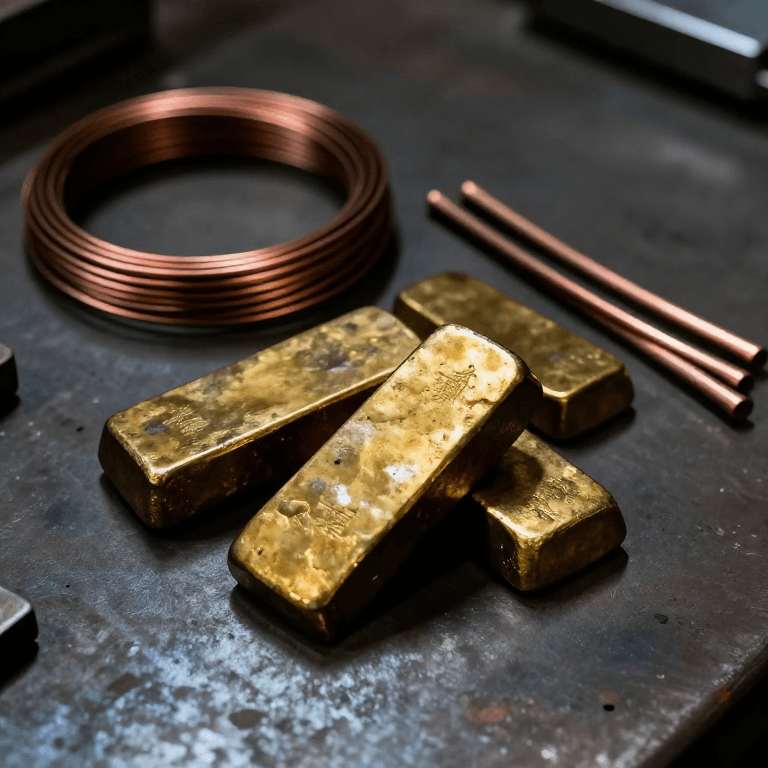
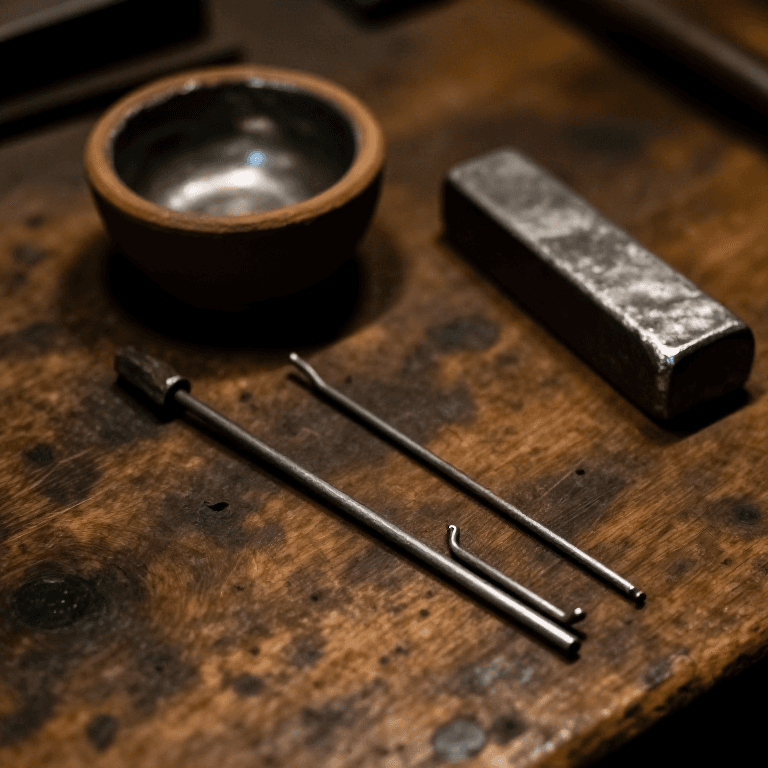
Tin Bronze Ingots, Wire and Rod
Forge کی طرف سے
دھات کاری
52
0
0
0
2
0
10% انتساب
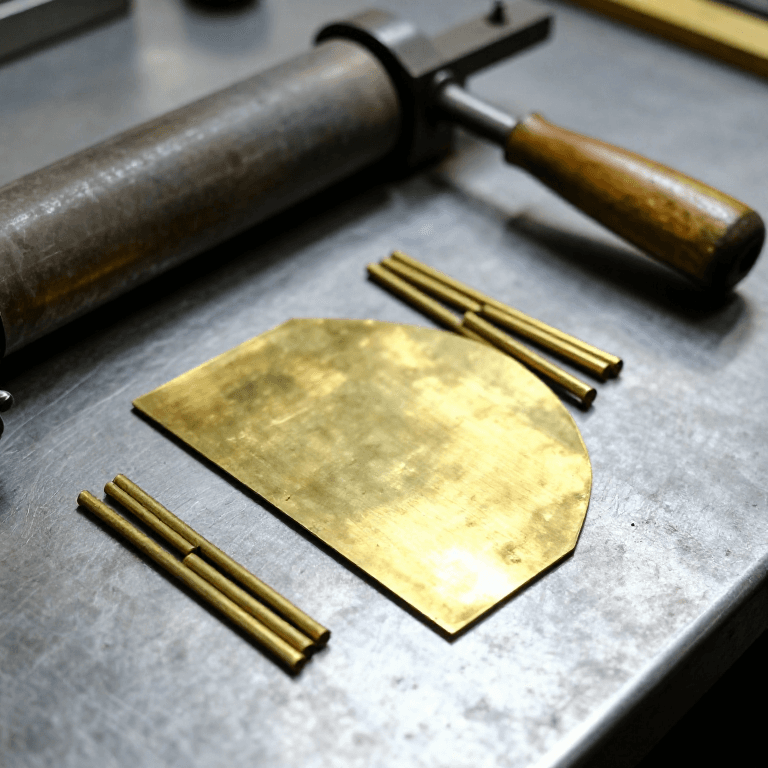
Brass Sheet, Strip and Rod from an Ingot
Forge کی طرف سے
دھات کاری
36
0
0
0
2
0
خطرناک
10% انتساب
Making Tin-Lead Solder — The Ancient Alloy That Joins Metals Without a Forge
Peter کی طرف سے
دھات کاری
58
0
0
0
3
0
یہ بلوپرنٹ بناتا ہے

CC0 پبلک ڈومین
یہ بلیو پرنٹ CC0 کے تحت جاری کیا گیا ہے۔ آپ اجازت لیے بغیر اس کام کو نقل، ترمیم، تقسیم اور کسی بھی مقصد کے لیے استعمال کرنے کے لیے آزاد ہیں۔
میکر کی حمایت کریں ان کے بلیو پرنٹ کے ذریعے پروڈکٹس خرید کر جہاں وہ میکر کمیشن وینڈرز کی طرف سے مقرر، کماتے ہیں، یا اس بلیو پرنٹ کی نئی تکرار بنائیں اور آمدنی شیئر کرنے کے لیے اسے اپنے بلیو پرنٹ میں کنکشن کے طور پر شامل کریں۔