فن
خوبصورتی اور تندرستی
دستکاری
ثقافت اور تاریخ
تفریح
ماحول
خوراک اور مشروبات
ریورس انجینئرنگ
سائنسز
کھیل
ٹیکنالوجی
پہننے والے آلات
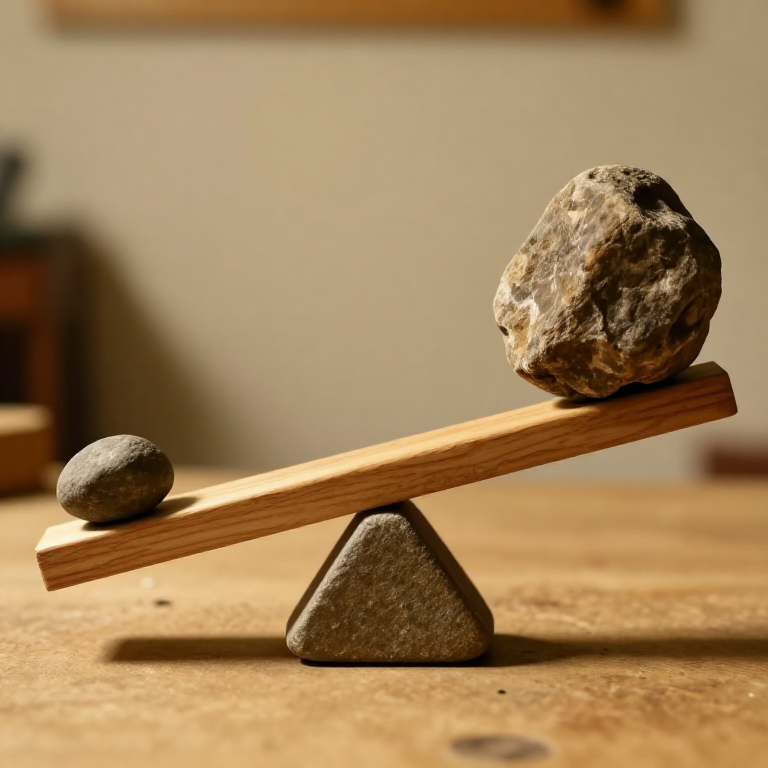


The Law of the Lever — Archimedes' Balance of Weight and Distance
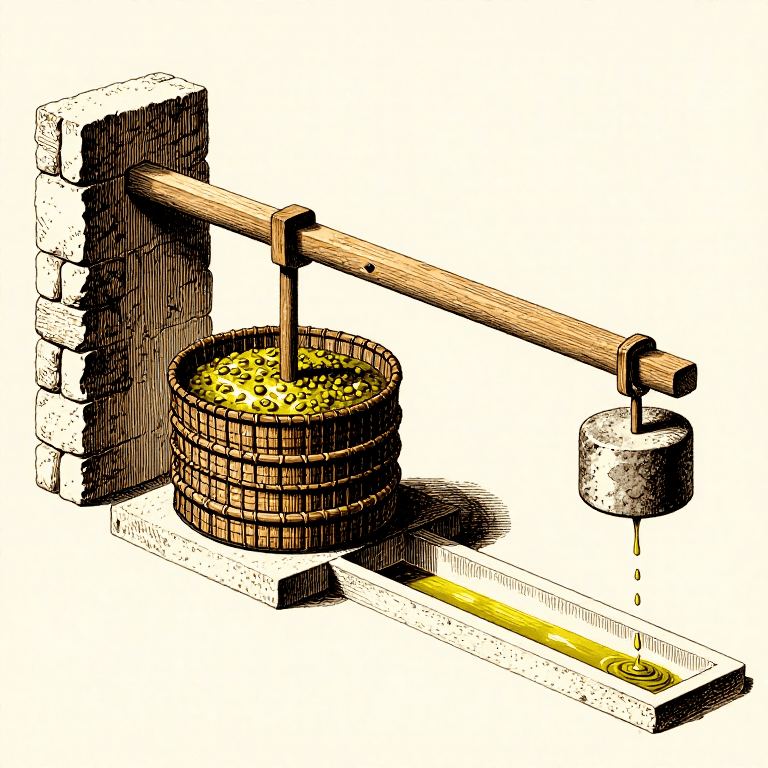
'Give me a place to stand and I will move the Earth,' said Archimedes of the lever. Around 250 BC he proved the exact law behind it: a weight balances another when each weight multiplied by its distance from the pivot is equal. That simple rule — weight times distance on one side equals weight times distance on the other — lets a small effort lift an enormous load, and underlies the crowbar, the balance scale, the oar and the seesaw. This blueprint builds a lever and fulcrum and demonstrates the law by measurement.
نیا سیکھنے والا
2
ہدایات
1
1
Understand the law
Understand the law
A lever is a rigid bar that turns on a pivot called the fulcrum. Archimedes' law says it balances when the weight on one side times its distance from the fulcrum equals the weight times distance on the other: W1 × d1 = W2 × d2. Each 'weight times distance' is called a moment.
2
2
Build a lever and fulcrum
Build a lever and fulcrum
Rest a straight rigid beam across a fixed fulcrum — a triangular block or a firm edge — so the beam can tip freely both ways. Mark equal distance graduations along the beam from the fulcrum.
اس مرحلے کے لیے مواد:
 لکڑی کی چولیں1 ٹکڑا
 سخت لکڑی کا ٹکڑا1 ٹکڑا
درکار اوزار:
 باورچی خانے کی سوتی ڈوری
3
3
Balance equal weights
Balance equal weights
Hang or set equal weights the same distance from the fulcrum on each side. The beam should sit level. This confirms your fulcrum is central and the beam itself is balanced.
درکار اوزار:
 ٹخنے کے وزنوں کا سیٹ (قابلِ ترتیب، گھر کا بنا)
4
4
Balance a heavy weight with a light one
Balance a heavy weight with a light one
Put a heavy weight close to the fulcrum and a lighter weight far out on the other arm. Slide the light weight in or out until the beam balances — the small far weight holds up the big near one.
درکار اوزار:
ٹخنے کے وزنوں کا سیٹ (قابلِ ترتیب، گھر کا بنا)5
5
Verify the numbers
Verify the numbers
Measure and multiply. For example, 4 units of weight at 10 cm balances 1 unit at 40 cm, because 4 × 10 = 40 = 1 × 40. The two moments are equal — exactly as Archimedes' law predicts.
درکار اوزار:
باورچی خانے کی سوتی ڈوری6
6
Read off the mechanical advantage
Read off the mechanical advantage
The ratio of the two arm lengths is the force multiplier. A long effort arm and a short load arm let a small push raise a big load: effort = load × (load arm ÷ effort arm). Doubling the effort arm halves the effort needed.
7
7
Why it could 'move the Earth'
Why it could 'move the Earth'
Because the law has no built-in limit, a long enough lever on a firm enough fulcrum could balance any weight at all — the point Archimedes was making. In practice the only limits are the length and stiffness of the bar.
8
8
Spot levers everywhere
Spot levers everywhere
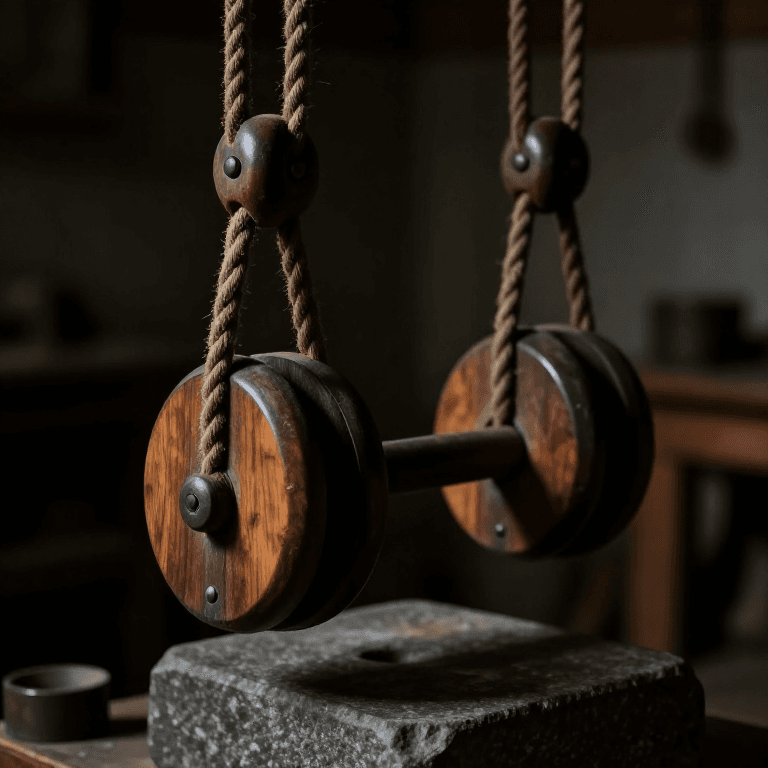
The same rule works a crowbar prising a rock, a seesaw, an oar against its rowlock, a wheelbarrow, and the balance scale of a market. Each trades distance for force by weight × distance.
مواد
2- 1 ٹکڑاپلیس ہولڈر
- 1 ٹکڑاپلیس ہولڈر
درکار اوزار
2- پلیس ہولڈر
متعلقہ بلیو پرنٹ
یہ بلیو پرنٹ علم بانٹتے ہیں — تکنیک، مواد یا اصول


CC0 پبلک ڈومین
یہ بلیو پرنٹ CC0 کے تحت جاری کیا گیا ہے۔ آپ اجازت لیے بغیر اس کام کو نقل، ترمیم، تقسیم اور کسی بھی مقصد کے لیے استعمال کرنے کے لیے آزاد ہیں۔
میکر کی حمایت کریں ان کے بلیو پرنٹ کے ذریعے پروڈکٹس خرید کر جہاں وہ میکر کمیشن وینڈرز کی طرف سے مقرر، کماتے ہیں، یا اس بلیو پرنٹ کی نئی تکرار بنائیں اور آمدنی شیئر کرنے کے لیے اسے اپنے بلیو پرنٹ میں کنکشن کے طور پر شامل کریں۔