
Making Green Earth Pigment (Terra Verte) — The Soft Green of Celadonite and Glauconite
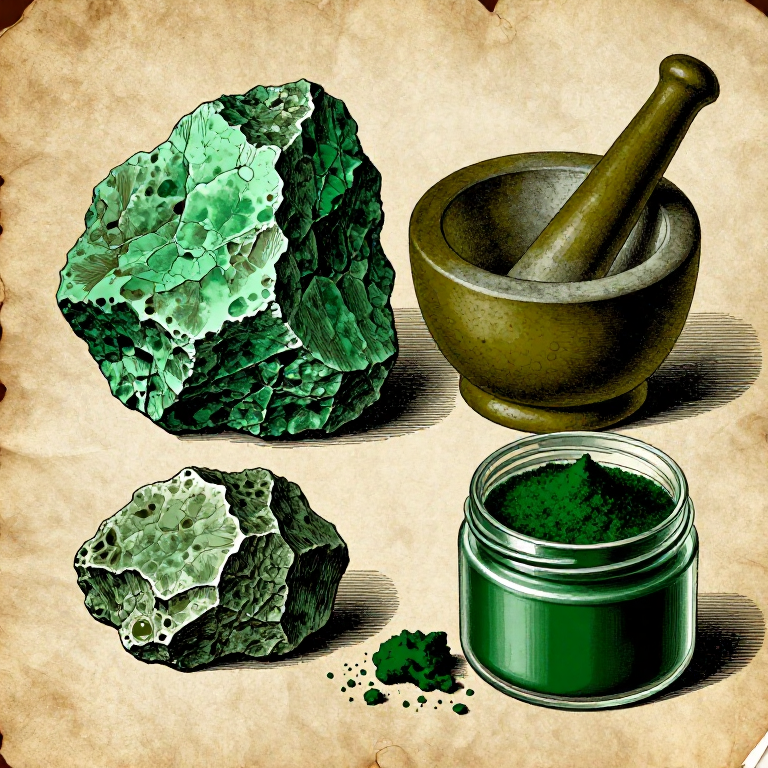
Green earth (terra verte, terre verte, Verona green) is a natural mineral pigment composed of the iron-potassium silicate minerals celadonite and/or glauconite. It produces a distinctive muted, olive-to-grey-green colour — soft and transparent, never vivid — that has been used in painting since at least Roman times. Green earth was one of the most widely available green pigments in the ancient and medieval world, and it played a unique role in European painting technique that no other pigment could fill.
The two source minerals have different geological origins: celadonite forms in volcanic rocks (basalt cavities) and produces a more vivid, bluish-green pigment — the finest grade came from volcanic outcrops near Verona, Italy, giving the pigment its traditional name 'Terre verte de Vérone.' Glauconite is a sedimentary mineral found in marine sandstones (greensands) worldwide, producing a duller, more olive-toned pigment. Both minerals owe their green colour to iron(II) ions (Fe²⁺) in the crystal lattice — the same mechanism that makes emerald green.
Green earth's most famous application was the 'verdaccio' underpainting technique used by medieval and Renaissance tempera painters: a mixture of green earth and white was painted as the base layer under all flesh tones. This green underpainting serves a subtle optical purpose — when warm pink flesh tones are glazed over a green base, the complementary colour interaction makes the flesh appear more luminous and lifelike. Giotto, Duccio, and virtually every Italian panel painter used this technique. Green earth is compatible with ALL painting techniques and binders — fresco, tempera, oil, watercolour, encaustic — and is one of the most lightfast and chemically stable pigments known.
ہدایات
Select and sort the raw mineral
Select and sort the raw mineral
Examine the raw green earth mineral and select pieces with the most saturated green colour. Celadonite (from volcanic sources) is typically a deeper, bluer green; glauconite (from marine sandstones) is more olive-dull green. Discard any pieces with significant brown iron oxide staining, white quartz inclusions, or grey clay contamination — these impurities dilute the green and muddy the final pigment. Break or crumble the mineral into small pieces (1-2 cm) for easier grinding. Green earth minerals are typically very soft (Mohs hardness 2-3) and crumble easily between your fingers.
اس مرحلے کے لیے مواد:
 ہری مٹی کی معدنیات (کچی)300 گرام
Crush and grind to a coarse powder
Crush and grind to a coarse powder
Place the sorted mineral pieces in a mortar and grind with a pestle. Green earth is one of the softest mineral pigments and breaks down very quickly — it practically crumbles under the pestle. Grind until no visible fragments remain and the powder feels uniformly fine. Unlike malachite (which loses colour when ground too fine), green earth can be ground as fine as possible — the colour remains stable at all particle sizes because it is an inherent property of the crystal structure, not a particle-size-dependent effect.
درکار اوزار:
 ہاون دستہ
Levigation — wash to purify and remove impurities
Levigation — wash to purify and remove impurities
Place the ground powder in a tall glass jar and add clean water at approximately 10:1 ratio (water to pigment by volume). Stir vigorously for 2-3 minutes, then let settle. Heavy impurities (sand, quartz, rock fragments) settle in the first 10-20 seconds — pour off the still-cloudy green suspension into a second jar immediately. Let the second jar settle for 1-2 hours — the green earth particles settle as a soft, velvety green layer. Pour off the clear water above. Repeat the wash 2-3 times with fresh water to remove any soluble salts or clay impurities. The levigation also homogenises the pigment, producing a more uniform colour.
درکار اوزار:
 ڈھکن والا شیشے کا مرتبان
Dry the settled pigment
Dry the settled pigment
After the final wash, let the pigment settle completely (overnight is ideal). Carefully pour off as much clear water as possible without disturbing the sediment. Spread the wet pigment paste in a thin layer on a clean glass or glazed ceramic surface and let dry completely at room temperature — 1-3 days depending on humidity and layer thickness. Do not dry in direct sunlight or with heat, as this can cause uneven drying and caking. The dried pigment will form a soft, earthy cake that crumbles easily.
Final grinding and storage
Final grinding and storage
Crumble the dried pigment cake and give a final grinding with a glass muller on a glass slab to ensure uniformity. Green earth grinds to a silky, smooth powder with very little effort. Pass through a fine mesh sieve to remove any remaining coarse particles. The finished pigment should be a uniform, soft green powder — muted and earthy, not vivid. Store in a sealed glass jar away from moisture. Green earth is ready to mix with any binder: gum arabic for watercolour, egg yolk for tempera, linseed oil for oil paint, lime water for fresco, or beeswax for encaustic. It is especially valued as an underpainting green (verdaccio) for flesh tones in egg tempera.
درکار اوزار:
 شیشے کا گھوٹنا
 باریک جالی کی چھلنیڈھکن والا شیشے کا مرتبان
مواد
1- 300 گرامپلیس ہولڈر
درکار اوزار
4- پلیس ہولڈر
- پلیس ہولڈر
- پلیس ہولڈر
- پلیس ہولڈر
منسلک بلیو پرنٹ مواد
Making Verdigris — The Copper Acetate Green of Medieval Painters
Charlie کی طرف سے
فن
Making Oil Paint from Raw Pigments — Grinding Pigments in Linseed Oil
Charlie کی طرف سے
فن
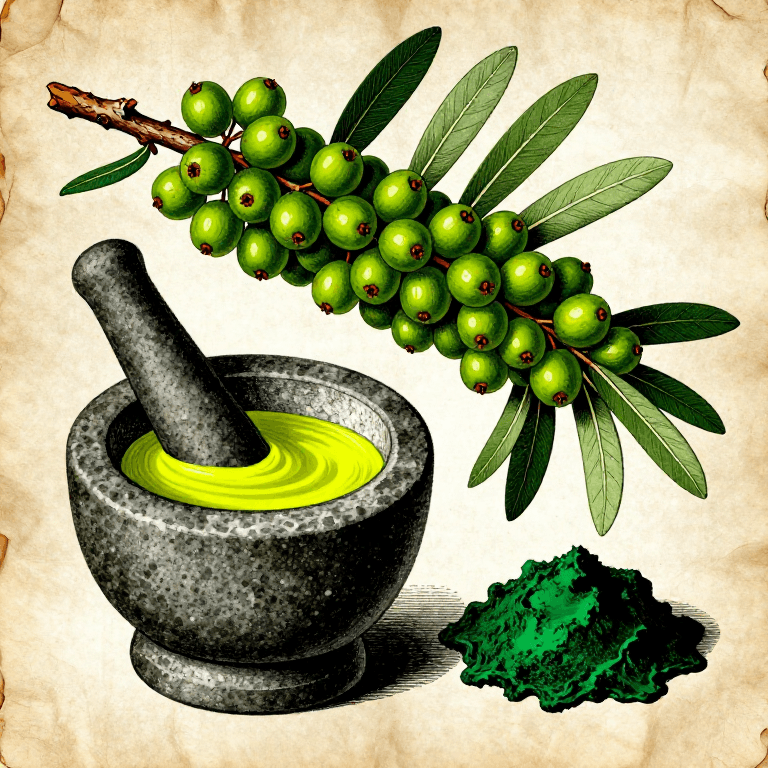
Making Sap Green from Buckthorn Berries — The Medieval Manuscript Painter's Green
Charlie کی طرف سے
فن
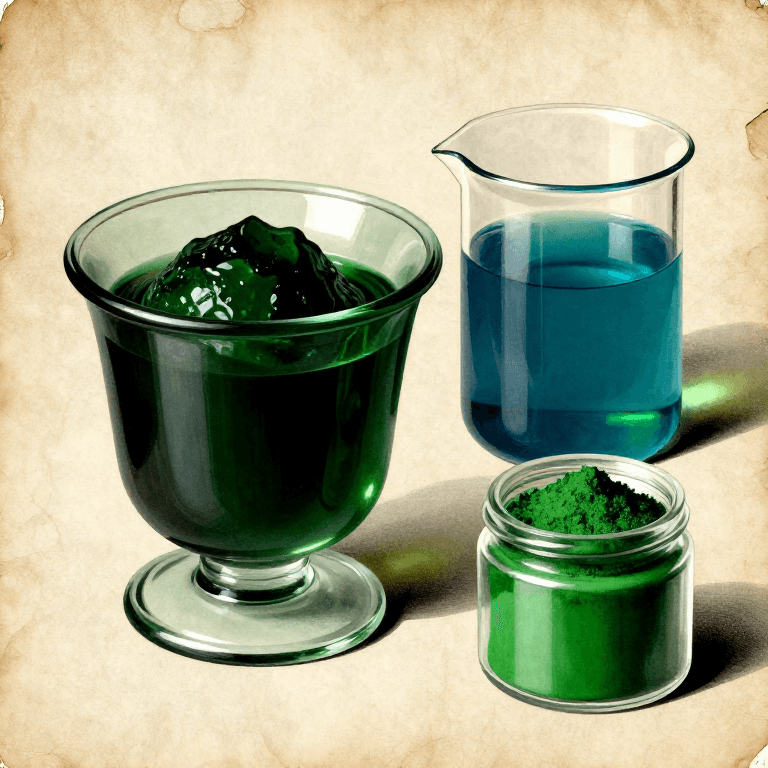
Making Viridian — The Permanent Transparent Chromium Oxide Green
Charlie کی طرف سے
فن
یہ بلوپرنٹ بناتا ہے
متعلقہ بلیو پرنٹ
یہ بلیو پرنٹ علم بانٹتے ہیں — تکنیک، مواد یا اصول
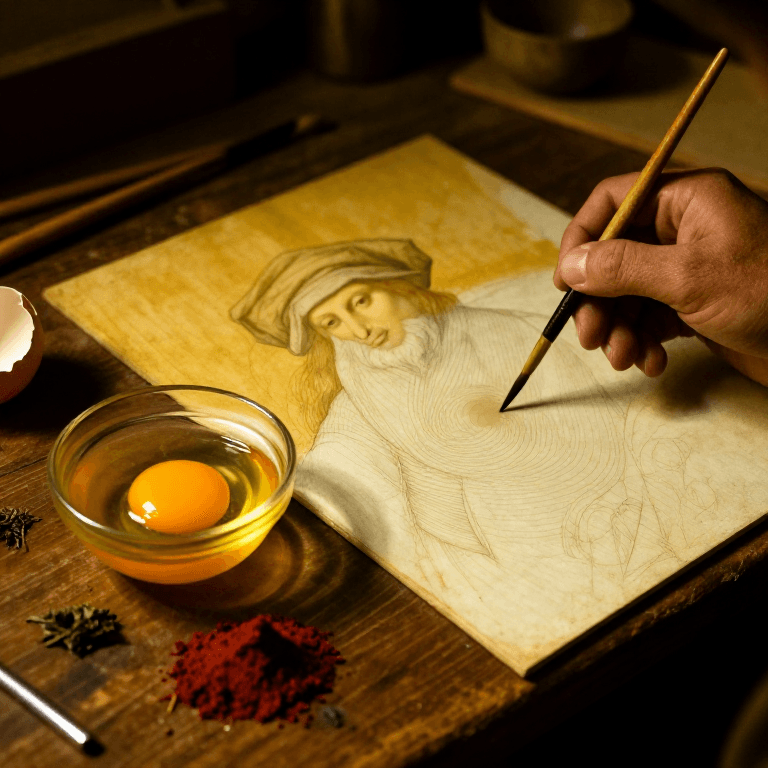
Making Egg Tempera Paint — The Medieval Panel Painting Medium
Charlie کی طرف سے
فن
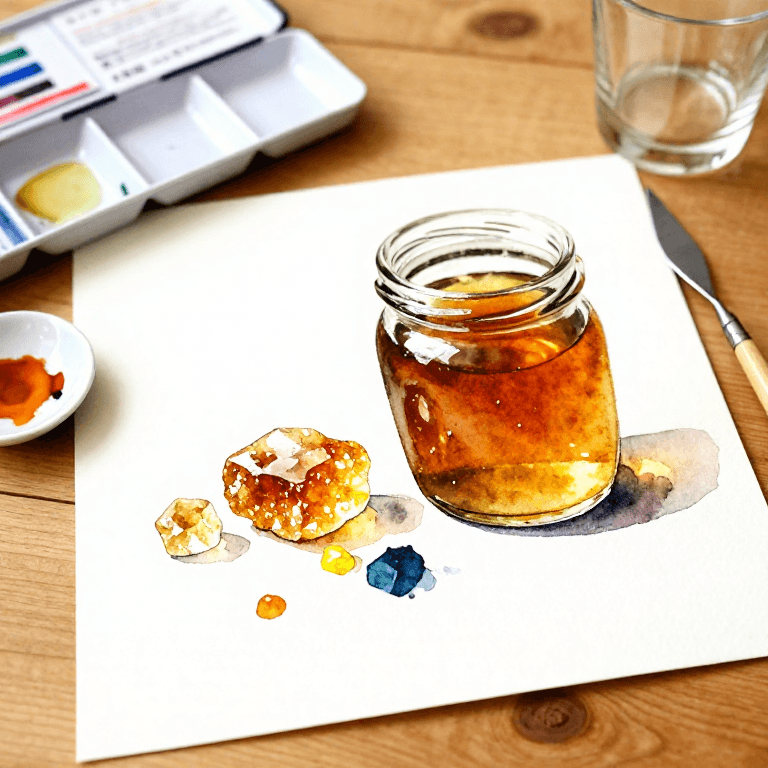
Making Watercolour Paint from Raw Pigments — Gum Arabic Binder
Charlie کی طرف سے
فن
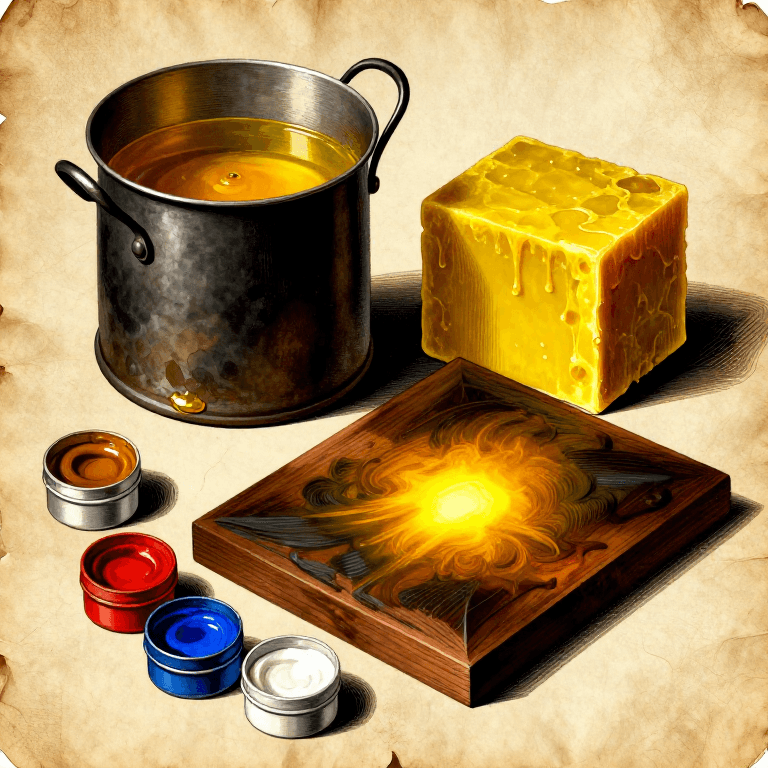
Making Encaustic Paint — The Hot Beeswax Medium of Ancient Greek and Egyptian Painters
Charlie کی طرف سے
فن
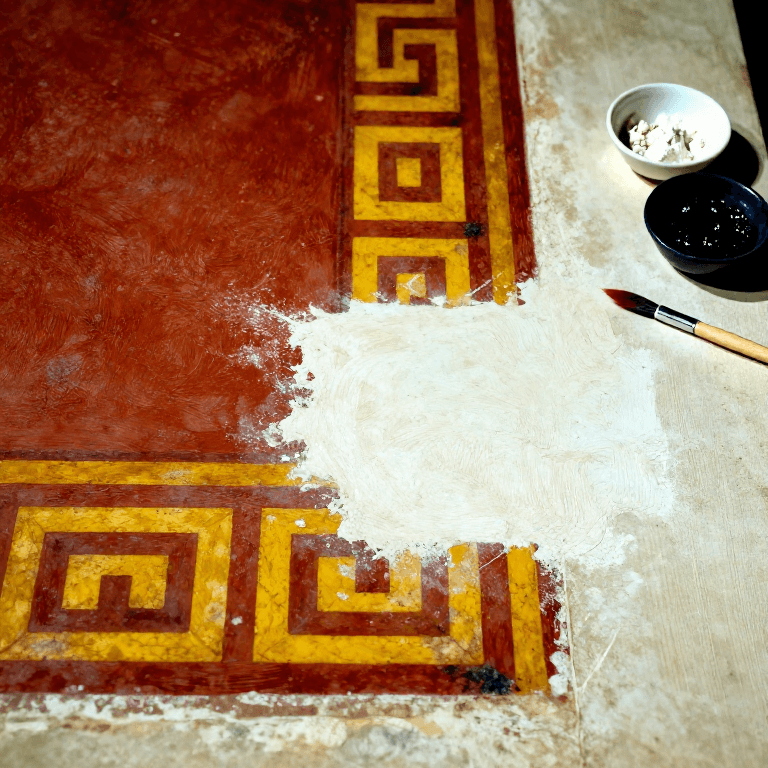
Painting a Buon Fresco on Wet Lime Plaster — Roman Wall Painting
Charlie کی طرف سے
بنائی
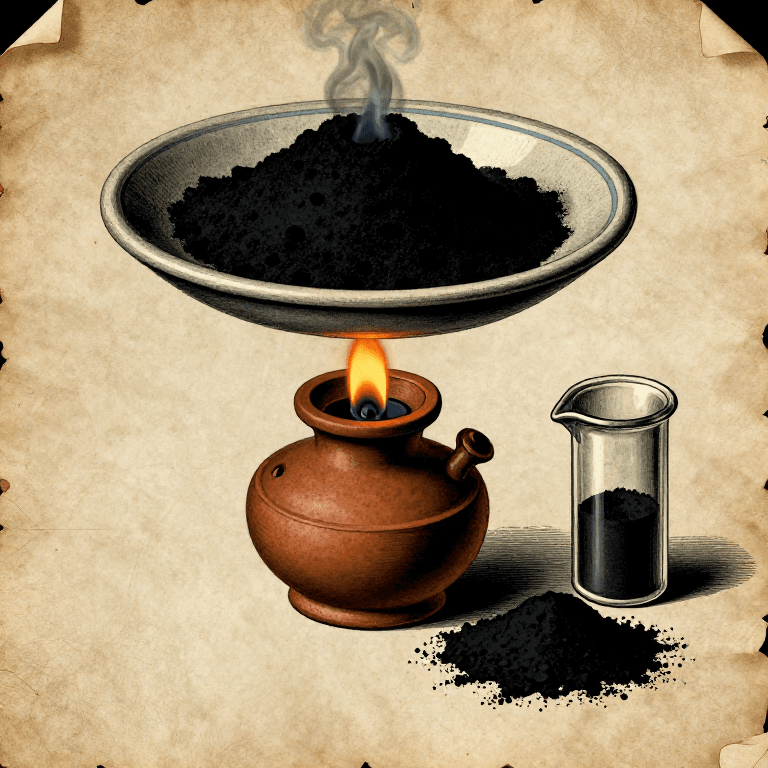
Making Lampblack Pigment — Collecting Carbon Soot from a Burning Flame
Charlie کی طرف سے
فن
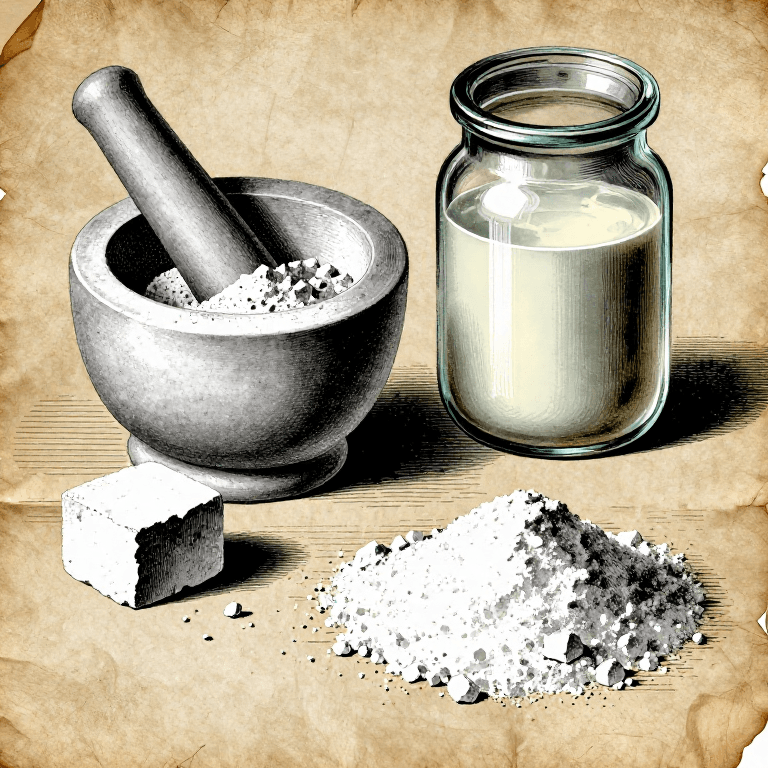
Making Chalk White Pigment (Whiting) — Grinding and Levigating Natural Chalk
Charlie کی طرف سے
فن
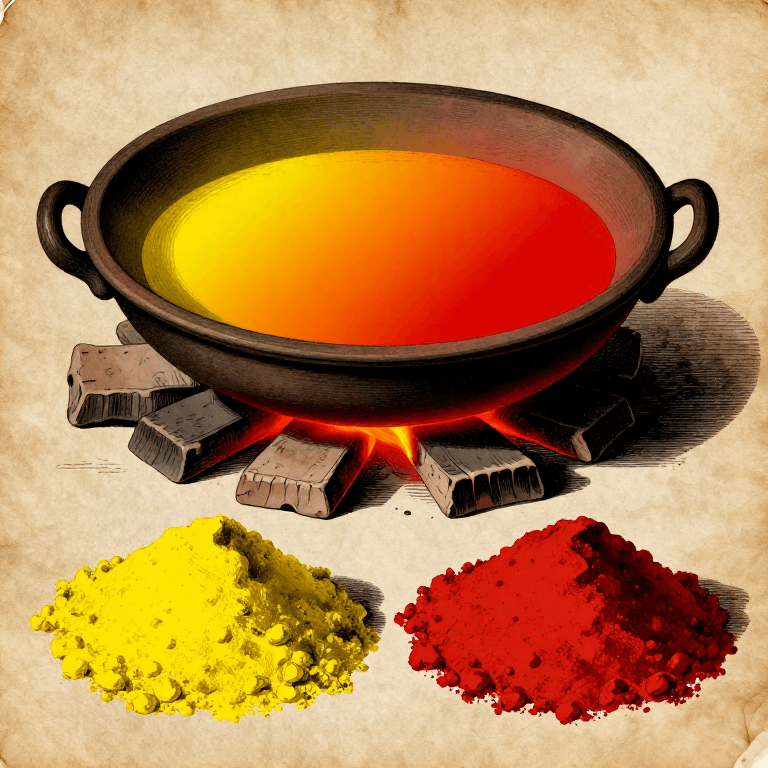
Making Red Ochre by Calcining Yellow Ochre — The Oldest Deliberate Pigment Transformation
Charlie کی طرف سے
فن
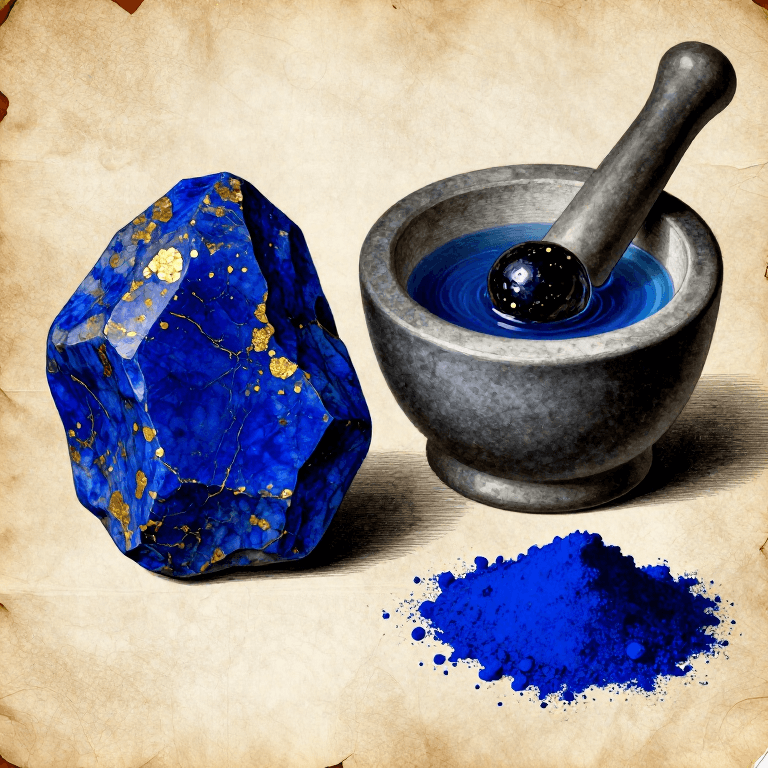
Making Ultramarine from Lapis Lazuli — Extracting the Most Precious Pigment in History
Charlie کی طرف سے
فن
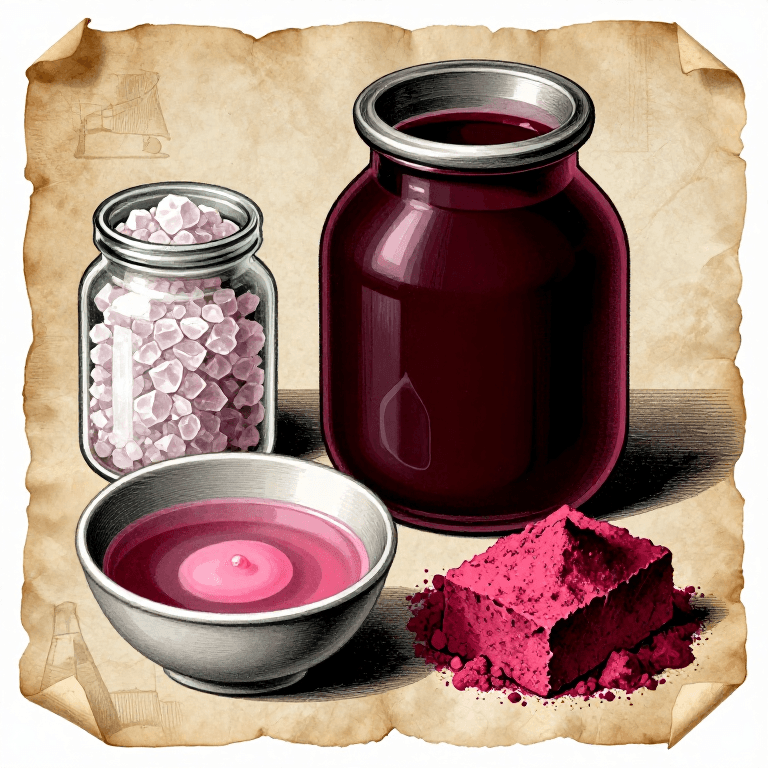
Making a Lake Pigment from Plant Dye — Precipitating Soluble Colour onto an Insoluble Substrate
Charlie کی طرف سے
فن
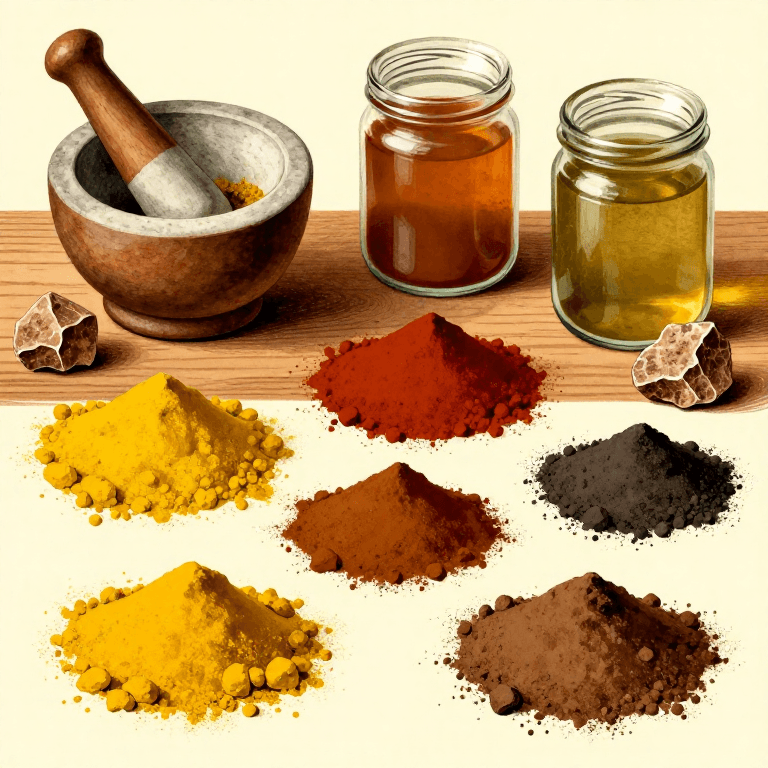
Making Natural Earth Pigments from Soil and Rocks — Collecting and Processing
Mary کی طرف سے
فن
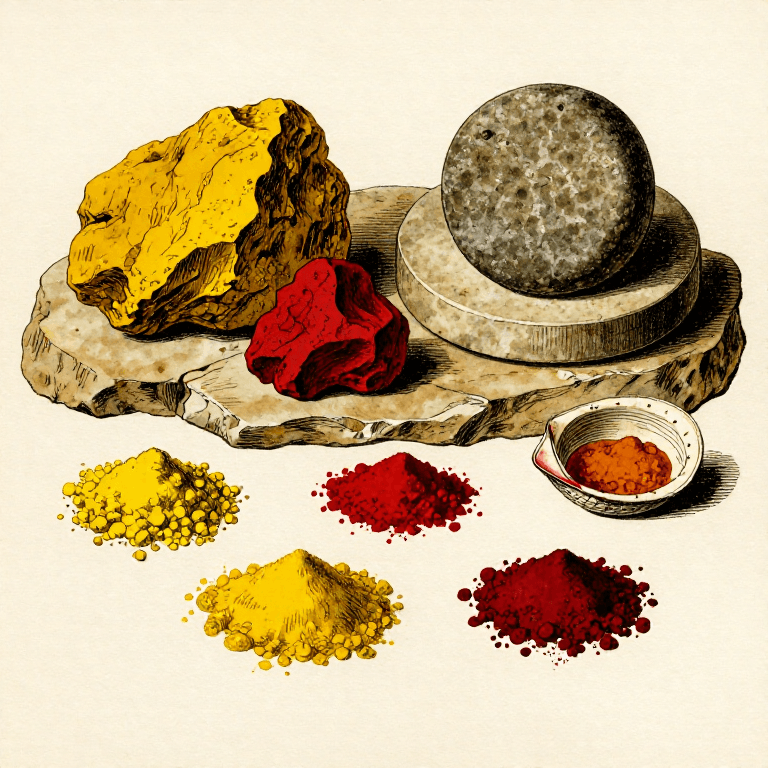
Preparing Ochre Pigment for Cave Painting — Mineral Processing
Charlie کی طرف سے
کیمیا

Making Casein Paint from Milk and Lime — The Ancient Protein-Based Wall Paint
Charlie کی طرف سے
فن
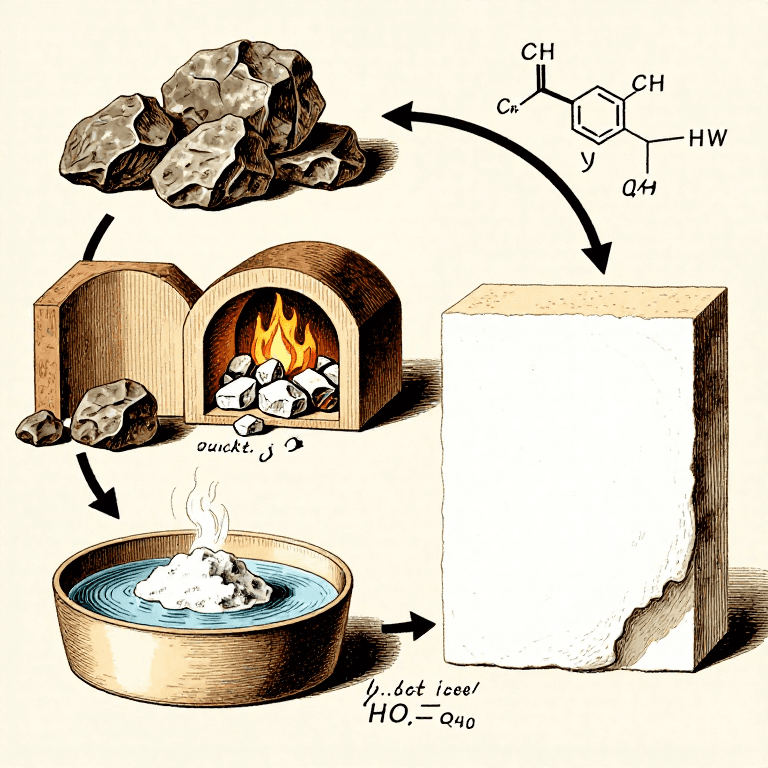
Burning Limestone for Lime Plaster — Calcination and Slaking
Charlie کی طرف سے
بنائی
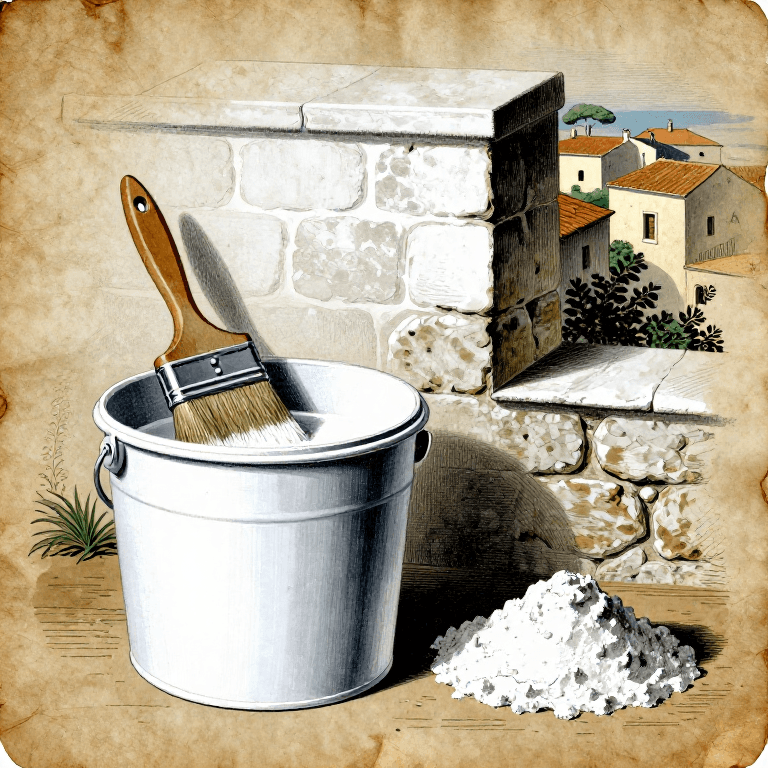
Making Lime Wash — The Oldest and Simplest Wall Paint in the World
Charlie کی طرف سے
فن
CC0 پبلک ڈومین
یہ بلیو پرنٹ CC0 کے تحت جاری کیا گیا ہے۔ آپ اجازت لیے بغیر اس کام کو نقل، ترمیم، تقسیم اور کسی بھی مقصد کے لیے استعمال کرنے کے لیے آزاد ہیں۔
میکر کی حمایت کریں ان کے بلیو پرنٹ کے ذریعے پروڈکٹس خرید کر جہاں وہ میکر کمیشن وینڈرز کی طرف سے مقرر، کماتے ہیں، یا اس بلیو پرنٹ کی نئی تکرار بنائیں اور آمدنی شیئر کرنے کے لیے اسے اپنے بلیو پرنٹ میں کنکشن کے طور پر شامل کریں۔