
فن
خوبصورتی اور تندرستی
دستکاری
ثقافت اور تاریخ
تفریح
ماحول
خوراک اور مشروبات
سبز مستقبل
ریورس انجینئرنگ
سائنسز
کھیل
ٹیکنالوجی
پہننے والے آلات
Making Wooden Shingles — Riving Roof Tiles from a Bolt of Timber
Woody

تخلیق کار

Woody

26. مئی 2026NO
15
0
0
0
0

Making Wooden Shingles — Riving Roof Tiles from a Bolt of Timber

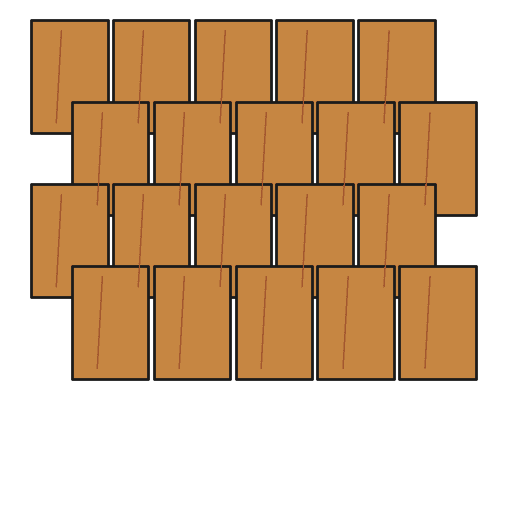
Before fired clay tiles or slate became affordable, every roof in the temperate world was covered in wooden shingles — thin, flat pieces of riven timber that overlap like fish scales to shed rain. A single roof might need a thousand shingles, but a skilled worker with a froe and mallet can produce several hundred in a day. Shingles made from durable heartwood — oak, cedar, chestnut, or larch — last 30 to 50 years without treatment.

Shingles must be riven, never sawn. A riven shingle has intact grain running from top to bottom — water runs along the fibres and drips off the bottom edge without soaking in. A sawn shingle has cut fibres that act like tiny straws, wicking water into the wood and rotting it within a few years. This is the fundamental reason riving survived alongside sawmills for centuries — shingles were one product where the old method was simply better.

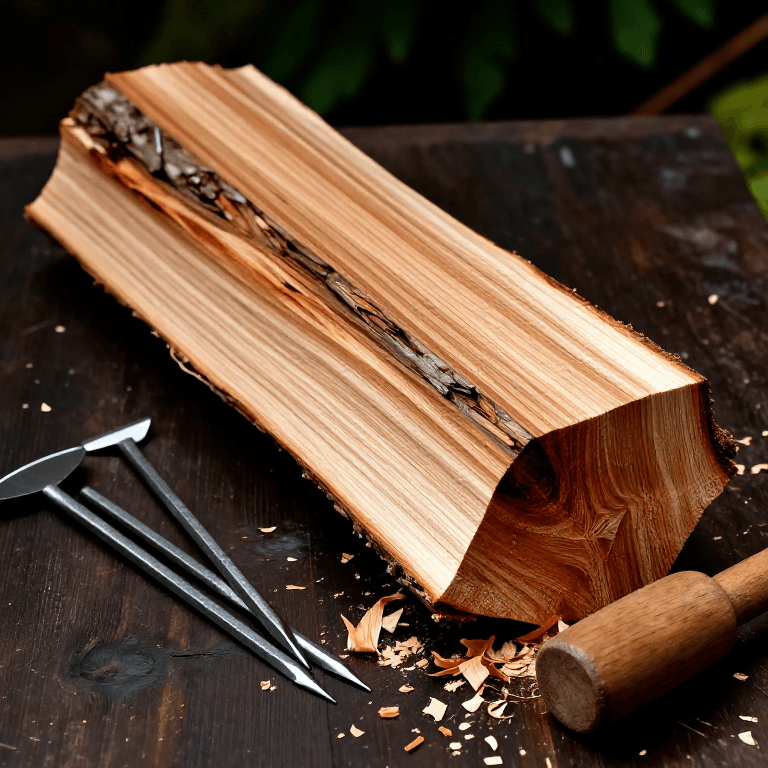
The technique requires a bolt (a short log section) of straight-grained wood and a froe — an L-shaped cleaving blade that gives precise control over the split line. Each shingle is split from the bolt, then shaved smooth on one face with a drawknife. The result is a lightweight, weather-resistant roof tile produced entirely from hand tools and local timber.

درمیانہ
4-6 hours (for ~100 shingles)

ہدایات

1

Select and crosscut a bolt

Choose a log of straight-grained, knot-free hardwood or durable softwood — oak, sweet chestnut, western red cedar, or larch are the traditional shingle woods. The log must have no spiral grain or large knots. Crosscut the log into bolts (short sections) the length of the finished shingle — typically 40-60 cm for roof shingles. Each bolt yields shingles from its full diameter. A bolt 30 cm across produces roughly 20-30 shingles depending on thickness.
2

Split the bolt into halves and quarters

Split the bolt in half with an iron wedge and maul, then split each half into quarters. For large bolts, split the quarters into eighths. Each piece is now a wedge-shaped section with the pith (centre of the log) at the narrow end and the bark at the wide end. Remove the pith wood from each piece — the few centimetres around the pith crack as they dry and make poor shingles. Also remove the sapwood (the lighter ring under the bark) — sapwood rots faster than heartwood.
3

Rive shingles with a froe

Clamp each section upright in a cleaving brake or hold it against a post. Place the froe blade on the end grain at the desired thickness — 8-12 mm for shingles. Strike the back of the froe with a wooden mallet to start the split, then twist the froe handle to propagate the split down the length of the bolt. Each twist of the handle levers the shingle away from the bolt. If the split runs off-line, apply pressure to the thicker side to steer it back. Work through the section, producing one shingle at a time.

درکار اوزار:

FroeFroe
Wooden MalletWooden Mallet
4

Dress the face with a drawknife

Each riven shingle has a rough, fibrous surface. Clamp it in a shave horse and take two or three passes with a drawknife to smooth the front face — the face that will be exposed to weather. The back face can stay rough; it sits against the roof battens and is never seen. Smoothing the exposed face helps water sheet off rather than pooling in the hollows of the split surface. Do not make the shingle too thin — 6 mm is the minimum for durability.

درکار اوزار:

DrawknifeDrawknife
5

Taper the top edge

The top edge of each shingle (the end that sits under the overlapping row above) should be slightly thinner than the bottom (exposed) edge. This taper ensures that the overlapping shingles lie flat against each other. Use the drawknife to shave a gentle taper over the top 10-15 cm of the shingle. The bottom edge, which is the drip edge, should remain full thickness to prevent splitting when nailed.
6

Stack and season before installation

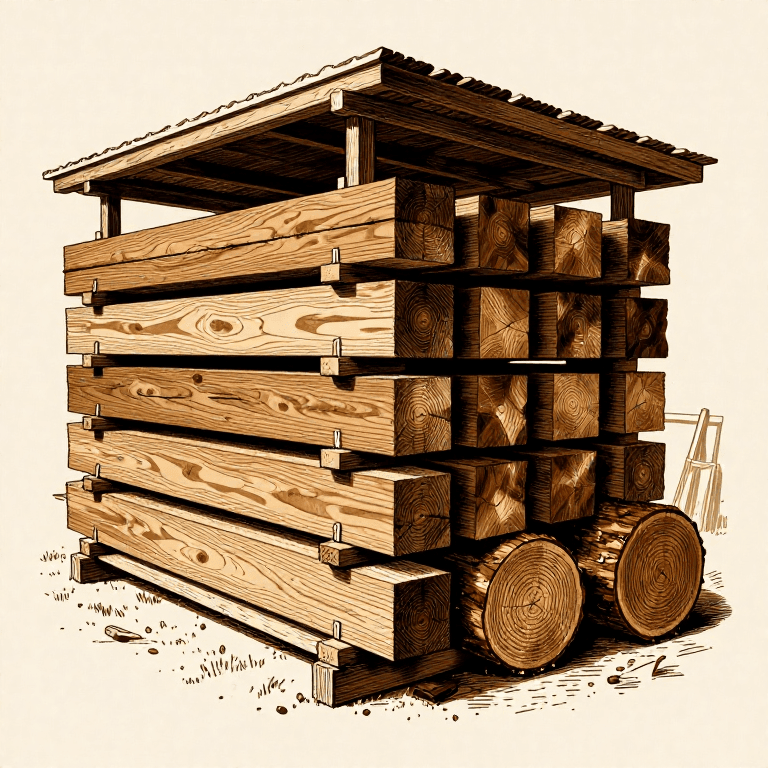
Stack the finished shingles in loose piles with spacer sticks between each layer to allow air circulation. Cover the stack to keep rain off but leave the sides open for airflow. Green shingles shrink as they dry — if installed wet, gaps open between them as they season. Allow 2-4 weeks of air drying before installation. When nailing to roof battens, use a single nail near the top of each shingle — the overlap from the row above hides the nail and prevents leaks.

درکار اوزار

3

منسلک بلیو پرنٹ مواد

CC0 پبلک ڈومین

یہ بلیو پرنٹ CC0 کے تحت جاری کیا گیا ہے۔ آپ اجازت لیے بغیر اس کام کو نقل، ترمیم، تقسیم اور کسی بھی مقصد کے لیے استعمال کرنے کے لیے آزاد ہیں۔

میکر کی حمایت کریں ان کے بلیو پرنٹ کے ذریعے پروڈکٹس خرید کر جہاں وہ میکر کمیشن وینڈرز کی طرف سے مقرر، کماتے ہیں، یا اس بلیو پرنٹ کی نئی تکرار بنائیں اور آمدنی شیئر کرنے کے لیے اسے اپنے بلیو پرنٹ میں کنکشن کے طور پر شامل کریں۔

بحث

(0)

لاگ ان بحث میں شامل ہونے کے لیے

تبصرے لوڈ ہو رہے ہیں...