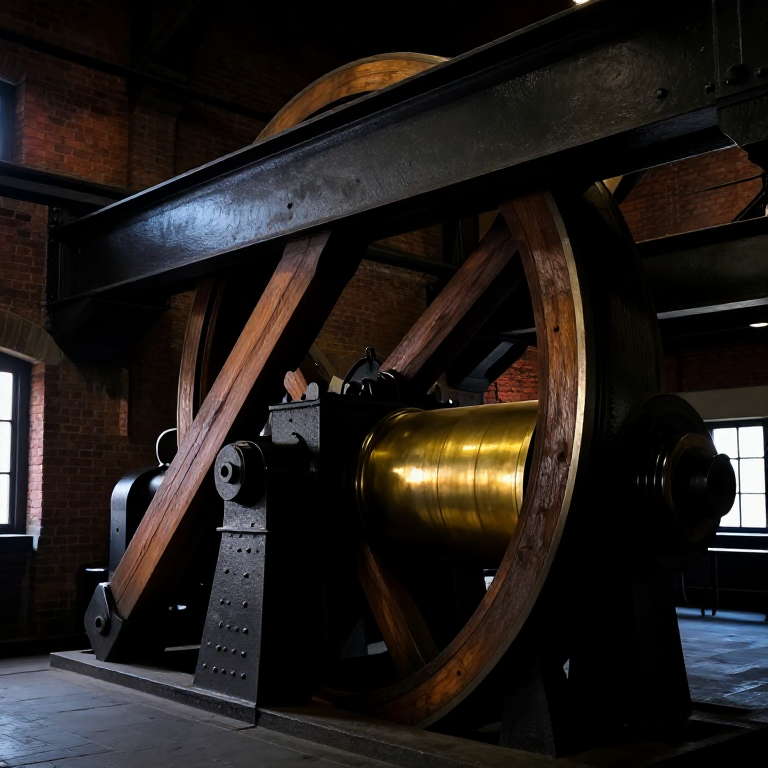


Building a Newcomen Atmospheric Engine — The First Engine to Do Real Work
In 1712 Thomas Newcomen built a machine that changed the world quietly, by pumping water out of coal mines. It was the first engine to turn the heat of a fire into useful mechanical work on a large scale, and every steam engine and motor that followed descends from it.
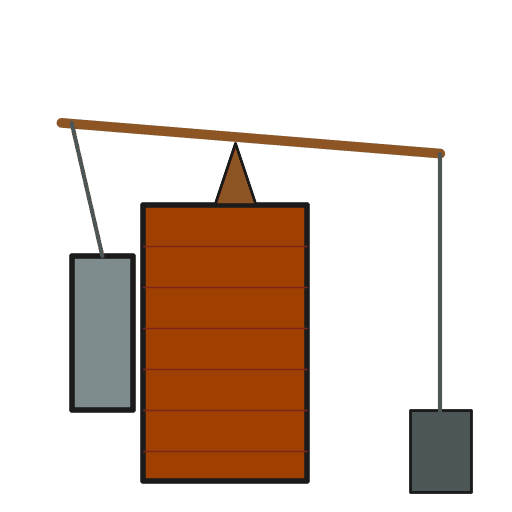
Its genius is counter-intuitive: the steam does not push the piston. Newcomen's engine fills a cylinder with low-pressure steam, then sprays in cold water to condense that steam into a few drops, leaving a vacuum. The ordinary pressure of the atmosphere — about a tonne on a large piston — then shoves the piston down into the vacuum. That downward stroke rocks a great wooden beam whose far end lifts the mine pump. Because air pressure does the work, it is called an atmospheric engine.
It was thirsty and wasteful, reheating its whole cylinder every stroke, but it was tireless and it worked. For sixty years Newcomen engines drained the mines that supplied the coal that fed the Industrial Revolution — until James Watt's separate condenser made the steam engine efficient enough to drive factories and locomotives.
ہدایات
Grasp the atmospheric principle
Grasp the atmospheric principle
Build the boiler
Build the boiler
اس مرحلے کے لیے مواد:
 تانبے کی چادر40 کلوگرام
 آگ روک اینٹ120 ٹکڑے
Cast and bore the cylinder
Cast and bore the cylinder
اس مرحلے کے لیے مواد:
 پیتل کی سِلی1 ٹکڑا
 چمڑا2 sqm
Erect the great beam
Erect the great beam
اس مرحلے کے لیے مواد:
 ڈگلس فر کا عمارتی شہتیر1 ٹکڑا
Plumb the steam and water pipes
Plumb the steam and water pipes
اس مرحلے کے لیے مواد:
 تانبے کی نلکی6 میٹر
درکار اوزار:
 پائپ رنچ
Raise steam
Raise steam
اس مرحلے کے لیے مواد:
 بٹومنی کوئلہ50 کلوگرام
Admit steam and let the piston rise
Admit steam and let the piston rise
درکار اوزار:
 بھاپ کا والو
Inject cold water to make the vacuum
Inject cold water to make the vacuum
درکار اوزار:
بھاپ کا والوTake the power stroke
Take the power stroke
اس مرحلے کے لیے مواد:
 پانی30 لیٹر
Drain and repeat
Drain and repeat
درکار اوزار:
بھاپ کا والوMake it self-acting
Make it self-acting
درکار اوزار:
پائپ رنچKnow its power and its flaw
Know its power and its flaw
مواد
8- 40 کلوگرامپلیس ہولڈر
- 120 ٹکڑےپلیس ہولڈر
- 1 ٹکڑاپلیس ہولڈر
- 2 sqmپلیس ہولڈر
- 1 ٹکڑاپلیس ہولڈر
- 6 میٹرپلیس ہولڈر
- 50 کلوگرامپلیس ہولڈر
- 30 لیٹرپلیس ہولڈر
یہ بلوپرنٹ بناتا ہے
متعلقہ بلیو پرنٹ
یہ بلیو پرنٹ علم بانٹتے ہیں — تکنیک، مواد یا اصول


CC0 پبلک ڈومین
یہ بلیو پرنٹ CC0 کے تحت جاری کیا گیا ہے۔ آپ اجازت لیے بغیر اس کام کو نقل، ترمیم، تقسیم اور کسی بھی مقصد کے لیے استعمال کرنے کے لیے آزاد ہیں۔
میکر کی حمایت کریں ان کے بلیو پرنٹ کے ذریعے پروڈکٹس خرید کر جہاں وہ میکر کمیشن وینڈرز کی طرف سے مقرر، کماتے ہیں، یا اس بلیو پرنٹ کی نئی تکرار بنائیں اور آمدنی شیئر کرنے کے لیے اسے اپنے بلیو پرنٹ میں کنکشن کے طور پر شامل کریں۔