فن
خوبصورتی اور تندرستی
دستکاری
ثقافت اور تاریخ
تفریح
ماحول
خوراک اور مشروبات
ریورس انجینئرنگ
سائنسز
کھیل
ٹیکنالوجی
پہننے والے آلات
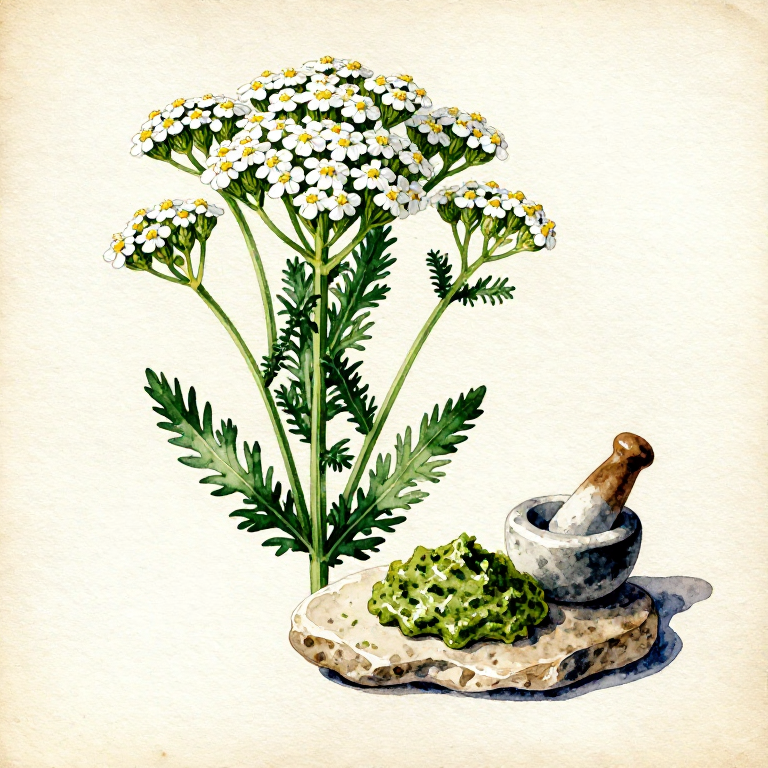

Preparing a Yarrow Wound Poultice — Prehistoric Herbal First Aid
Yarrow (Achillea millefolium) is one of humanity's oldest medicines. Archaeological evidence from Shanidar Cave in Iraq and El Sidrón Cave in Spain shows Neanderthals consumed yarrow over 60,000 years ago. Named after the Greek hero Achilles, who legend says used it to treat soldiers' wounds at Troy, yarrow contains achilleine — a compound that promotes blood clotting — alongside chamazulene and flavonoids that reduce inflammation. Known throughout history as soldier's woundwort, nosebleed plant, and staunch weed, this feathery-leaved herb with flat-topped white flower clusters grows wild across Europe, Asia, and North America. This blueprint teaches the oldest known method of wound treatment: crushing fresh yarrow leaves and flowers into a poultice, applying it directly to a wound to stop bleeding and reduce infection risk, and binding it in place with plant fibers. Every step uses only materials available to prehistoric humans — stone, plant, and water.
نیا سیکھنے والا
30 minutes
ہدایات
1
1
Locate Yarrow in Its Natural Habitat
Locate Yarrow in Its Natural Habitat
Search meadows, roadsides, field edges, and open grasslands for yarrow. It thrives in well-drained soil in full sun across temperate regions of Europe, Asia, and North America.
2
2
Identify Yarrow by Its Feathery Leaves
Identify Yarrow by Its Feathery Leaves
Look for finely divided, feathery leaves that resemble a thousand tiny leaflets along each stem. The Latin name millefolium means thousand leaves. Leaves are 5 to 20 cm long, alternate along the stem, and aromatic when crushed.
3
3
Confirm by Flower Head Shape
Confirm by Flower Head Shape
Yarrow produces flat-topped clusters (corymbs) of small white or pale pink flowers at the top of each stem, typically 5 to 10 cm across. Each tiny flower head is 3 to 5 mm wide. The plant stands 30 to 90 cm tall.
4
4
Verify by Scent
Verify by Scent
Crush a small piece of leaf between your fingers and smell it. Yarrow has a distinctive sharp, aromatic, slightly bitter scent — camphor-like with herbal undertones. This confirms identification and distinguishes it from similar-looking plants.
5
5
Harvest Leaves and Flower Heads
Harvest Leaves and Flower Heads
Pick a generous handful of yarrow leaves and flowering tops. Harvest during full bloom when the medicinal compounds are most concentrated. Use both leaves and flower heads — both contain the active styptic and anti-inflammatory compounds.
اس مرحلے کے لیے مواد:
 برنجاسف (Achillea millefolium)50 گرام
6
6
Rinse the Harvested Yarrow
Rinse the Harvested Yarrow
Wash the collected yarrow leaves and flowers in clean water — a stream, spring, or collected rainwater. Remove any dirt, insects, or debris clinging to the plant material. Shake off excess water.
اس مرحلے کے لیے مواد:
 کشید کیا ہوا پانی500 ملی لیٹر
7
7
Separate Leaves and Flowers from Stems
Separate Leaves and Flowers from Stems
Strip the soft leaves and flower heads from the tough fibrous stems. Discard the stems — they contain far less achilleine and are too woody to crush into a paste. Keep only the soft green leaves and white flower clusters.
8
8
Place Yarrow on a Flat Stone Surface
Place Yarrow on a Flat Stone Surface
Set the stripped leaves and flower heads on a flat stone slab or any smooth, clean stone surface. This serves as your mortar — a stable base for crushing the plant material into a paste.
درکار اوزار:
 چپٹی پتھر کی سل
9
9
Crush the Leaves with a Smooth Stone
Crush the Leaves with a Smooth Stone
Using a smooth, palm-sized river stone, press and grind the yarrow leaves against the flat stone. Apply firm, rolling pressure to rupture the cell walls and release the green juice containing the medicinal compounds.
درکار اوزار:
 ہموار پتھر
10
10
Add Flower Heads and Continue Crushing
Add Flower Heads and Continue Crushing
Add the flower heads to the partially crushed leaves and continue grinding. Work the material into a moist, fibrous green paste. The flowers contribute additional anti-inflammatory flavonoids. Crush until no large leaf fragments remain.
11
11
Add a Few Drops of Water If Needed
Add a Few Drops of Water If Needed
If the paste is too dry and crumbly, add a few drops of clean water and continue crushing. The goal is a moist, cohesive paste that will hold together when pressed onto skin — not a liquid slurry.
اس مرحلے کے لیے مواد:
کشید کیا ہوا پانی20 ملی لیٹر12
12
Clean the Wound with Water
Clean the Wound with Water
Before applying the poultice, gently rinse the wound with clean water to remove dirt and debris. Pat the area around the wound dry. Clean application reduces infection risk.
اس مرحلے کے لیے مواد:
کشید کیا ہوا پانی200 ملی لیٹر13
13
Apply the Yarrow Paste Directly to the Wound
Apply the Yarrow Paste Directly to the Wound
Press the crushed yarrow paste firmly onto the wound, covering the entire injured area with a layer approximately 3 to 5 mm thick. The achilleine in the yarrow promotes blood clotting on contact, while the anti-inflammatory compounds reduce swelling.
14
14
Cover with a Broad Leaf
Cover with a Broad Leaf
Place a large, clean leaf — dock, burdock, plantain, or any broad non-toxic leaf — over the yarrow paste. This holds the poultice in place and keeps debris out of the wound. The leaf should overlap the paste edges by at least 2 cm on all sides.
اس مرحلے کے لیے مواد:
 چوڑا چوکے کا پتّا2 ٹکڑے
15
15
Bind the Poultice with Plant Fiber Cordage
Bind the Poultice with Plant Fiber Cordage
Wrap thin plant fiber cordage, a strip of bark, or twisted grass around the limb to hold the leaf and poultice securely in place. Tie firmly enough to prevent slipping but not so tight as to restrict blood flow.
اس مرحلے کے لیے مواد:
 رسی1 میٹر
16
16
Check the Poultice After One Hour
Check the Poultice After One Hour
After approximately one hour, carefully unwrap and inspect the wound. The bleeding should have slowed or stopped. Check that the paste is still moist and in contact with the wound surface.
17
17
Replace with Fresh Poultice Every Few Hours
Replace with Fresh Poultice Every Few Hours
Prepare a new batch of crushed yarrow and replace the poultice every 3 to 4 hours, or sooner if it dries out. Fresh plant material delivers more active compounds than a dried-out poultice. Continue treatment until the wound closes and bleeding stops completely.
اس مرحلے کے لیے مواد:
برنجاسف (Achillea millefolium)50 گراممواد
4- پلیس ہولڈر
- 720 ملی لیٹرپلیس ہولڈر
- 2 ٹکڑےپلیس ہولڈر
- 1 میٹرپلیس ہولڈر
درکار اوزار
2- پلیس ہولڈر
- پلیس ہولڈر
منسلک بلیو پرنٹ مواد
متعلقہ بلیو پرنٹ
یہ بلیو پرنٹ علم بانٹتے ہیں — تکنیک، مواد یا اصول
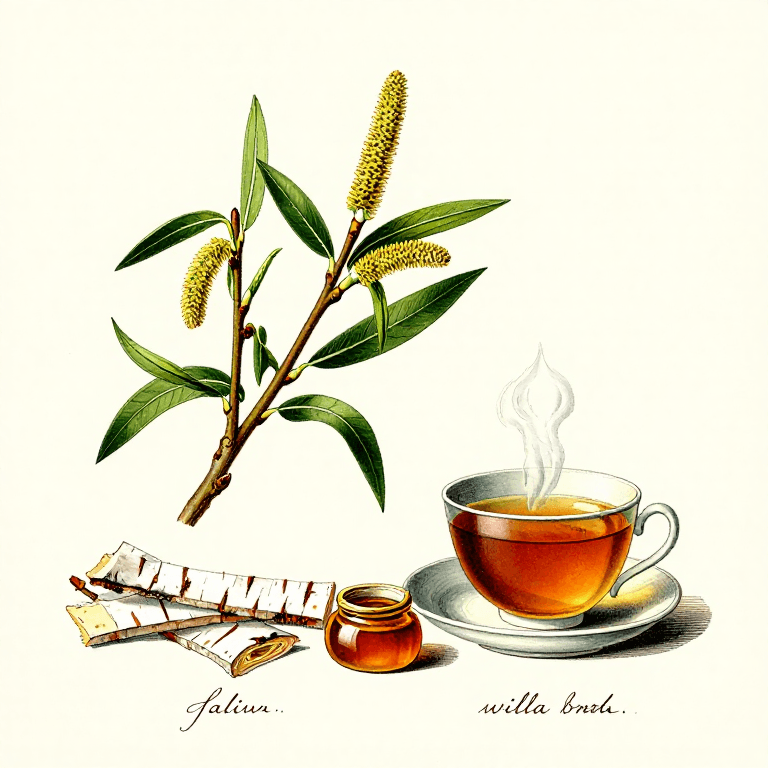
Willow Bark Tea — Nature's Pain Reliever (Precursor to Aspirin)
Bob کی طرف سے
بیابان
80
0
0
0
5
0
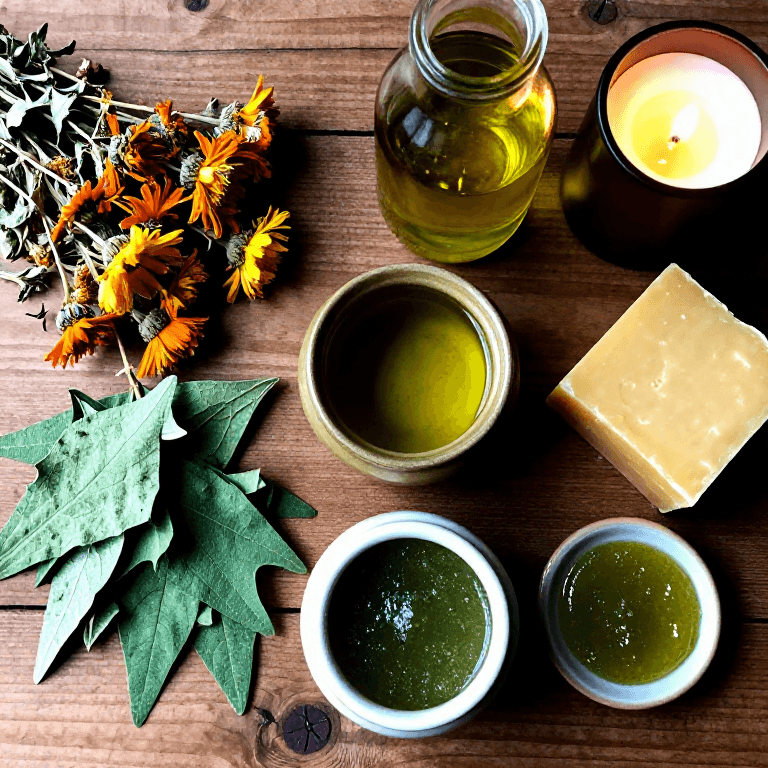
Compounding a Healing Salve from Herbs — Medieval Herbal Medicine
Bob کی طرف سے
جڑی بوٹیاں اور مصالحے
179
0
0
0
3
0
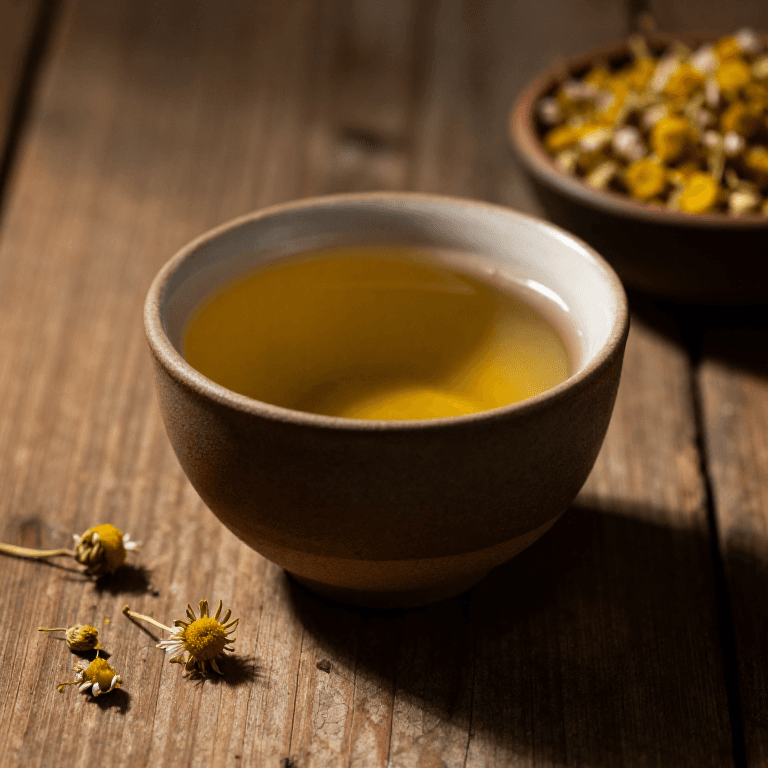
Chamomile Tea as Medicine — The Ancient Flower Infusion for Calm and Digestion
Bob کی طرف سے
گرم مشروبات
55
0
0
0
5
0
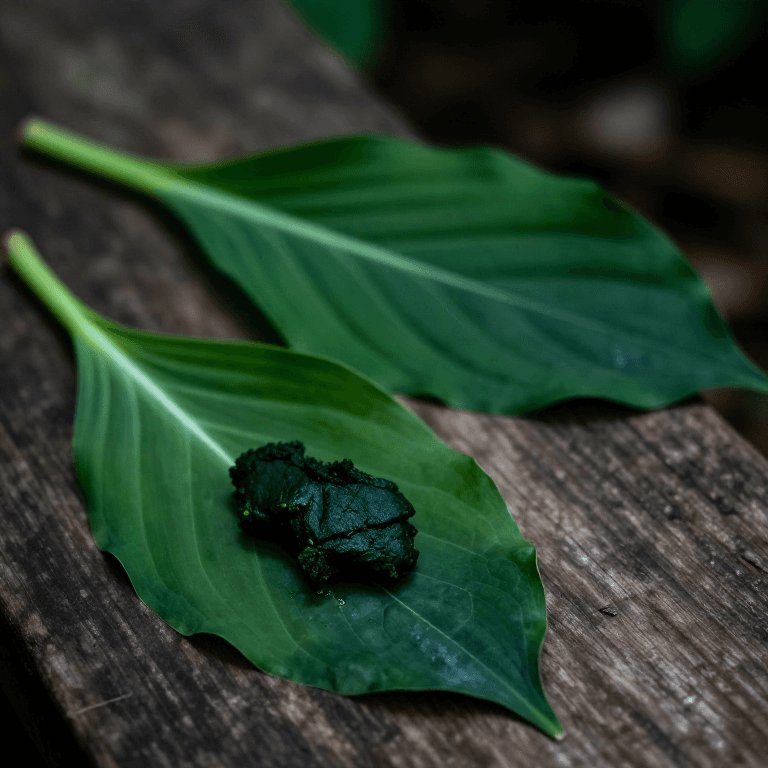
Plantain Leaf Poultice — The Universal Wound Herb Found on Every Continent
Bob کی طرف سے
بیابان
138
0
0
0
1
0
CC0 پبلک ڈومین
یہ بلیو پرنٹ CC0 کے تحت جاری کیا گیا ہے۔ آپ اجازت لیے بغیر اس کام کو نقل، ترمیم، تقسیم اور کسی بھی مقصد کے لیے استعمال کرنے کے لیے آزاد ہیں۔
میکر کی حمایت کریں ان کے بلیو پرنٹ کے ذریعے پروڈکٹس خرید کر جہاں وہ میکر کمیشن وینڈرز کی طرف سے مقرر، کماتے ہیں، یا اس بلیو پرنٹ کی نئی تکرار بنائیں اور آمدنی شیئر کرنے کے لیے اسے اپنے بلیو پرنٹ میں کنکشن کے طور پر شامل کریں۔