
Puddling Wrought Iron from Pig Iron — Burning Out the Carbon in a Reverberatory Furnace
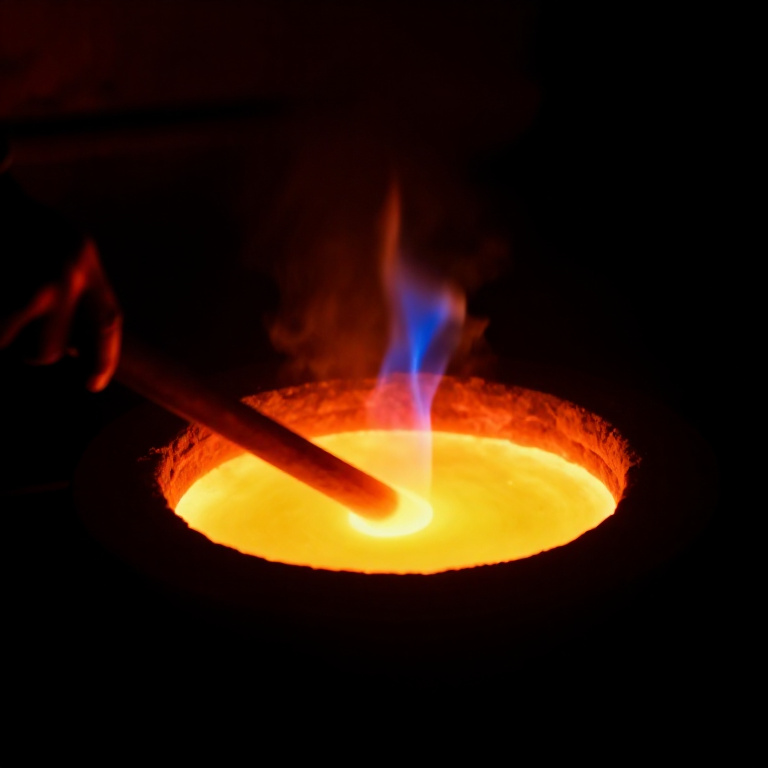
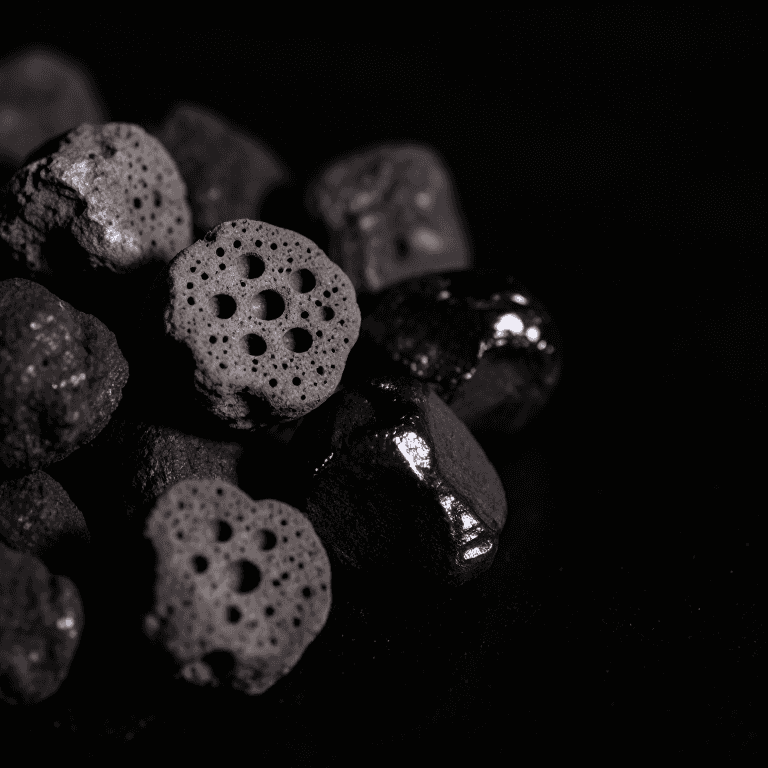
Pig iron straight from the blast furnace is cheap and plentiful but nearly useless for anything that must bend or take a blow: its high carbon makes it brittle as glass. To turn it into the tough, malleable wrought iron that built the railways and bridges of the 1800s, the carbon has to be burned out. Henry Cort's puddling process, patented in 1784, did exactly that — at scale, with coal.
The trick is the reverberatory furnace, which keeps the fuel separate from the metal. Coal burns in a side firebox and the flame is drawn over a low bridge and reflected down off the furnace roof onto a hearth of pig iron, so the sulphurous coal smoke never touches the iron. A workman called a puddler stirs the molten bath through a small door with a long iron rabble, exposing every part of it to the air until the carbon oxidises away.
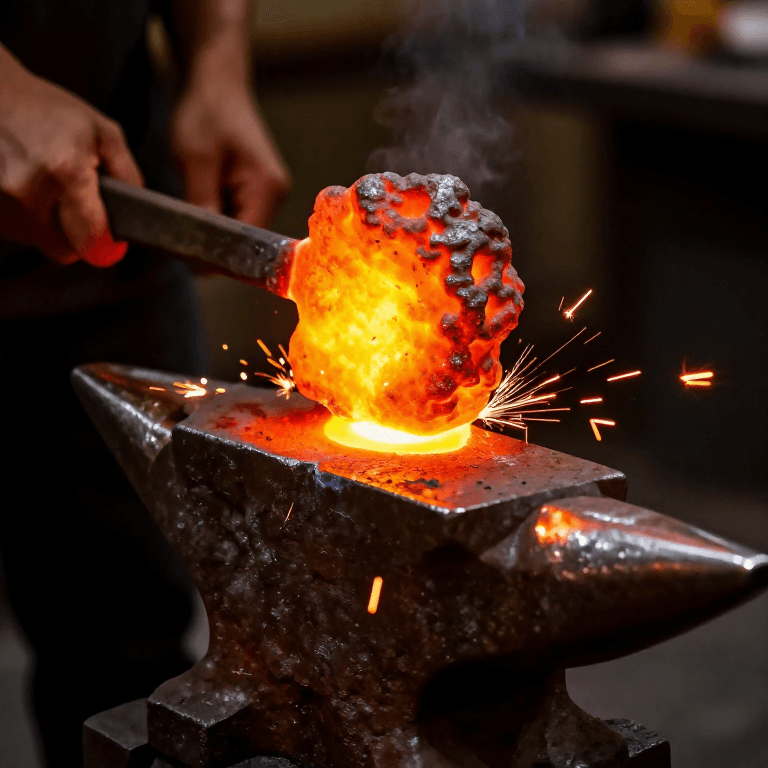
As the carbon leaves, something strange happens: the purer iron's melting point rises above the furnace temperature, so the metal grows stiff and pasty even in the heat. The puddler gathers it into spongy balls, which are then hammered and rolled to squeeze out the slag and consolidate the fibres into bars of wrought iron.
ہدایات
Understand the goal
Understand the goal
Build a reverberatory furnace
Build a reverberatory furnace
اس مرحلے کے لیے مواد:
 آگ روک اینٹ100 ٹکڑے
درکار اوزار:
 ہاتھ کی کھرپی
Fettle the hearth
Fettle the hearth
اس مرحلے کے لیے مواد:
 لوہے کا چھلکا5 کلوگرام
Fire the furnace with coal
Fire the furnace with coal
اس مرحلے کے لیے مواد:
 بٹومنی کوئلہ60 کلوگرام
Charge and melt the pig iron
Charge and melt the pig iron
اس مرحلے کے لیے مواد:
 کچے لوہے کی سلیں30 کلوگرام
Puddle the bath
Puddle the bath
درکار اوزار:
 پڈلنگ کی ہلانے والی سلاخ
Bring on the boil
Bring on the boil
Let it come to nature
Let it come to nature
درکار اوزار:
پڈلنگ کی ہلانے والی سلاخBall up the iron
Ball up the iron
درکار اوزار:
پڈلنگ کی ہلانے والی سلاخShingle the ball
Shingle the ball
درکار اوزار:
 بڑا ہتھوڑا
Roll into bars
Roll into bars
درکار اوزار:
 بیلن مل
Identify wrought iron
Identify wrought iron
درکار اوزار:
 ہتھوڑا
مواد
4- 100 ٹکڑےپلیس ہولڈر
- 5 کلوگرامپلیس ہولڈر
- 60 کلوگرامپلیس ہولڈر
- 30 کلوگرامپلیس ہولڈر
منسلک بلیو پرنٹ مواد

متعلقہ بلیو پرنٹ
یہ بلیو پرنٹ علم بانٹتے ہیں — تکنیک، مواد یا اصول

CC0 پبلک ڈومین
یہ بلیو پرنٹ CC0 کے تحت جاری کیا گیا ہے۔ آپ اجازت لیے بغیر اس کام کو نقل، ترمیم، تقسیم اور کسی بھی مقصد کے لیے استعمال کرنے کے لیے آزاد ہیں۔
میکر کی حمایت کریں ان کے بلیو پرنٹ کے ذریعے پروڈکٹس خرید کر جہاں وہ میکر کمیشن وینڈرز کی طرف سے مقرر، کماتے ہیں، یا اس بلیو پرنٹ کی نئی تکرار بنائیں اور آمدنی شیئر کرنے کے لیے اسے اپنے بلیو پرنٹ میں کنکشن کے طور پر شامل کریں۔