فن
خوبصورتی اور تندرستی
دستکاری
ثقافت اور تاریخ
تفریح
ماحول
خوراک اور مشروبات
ریورس انجینئرنگ
سائنسز
کھیل
ٹیکنالوجی
پہننے والے آلات
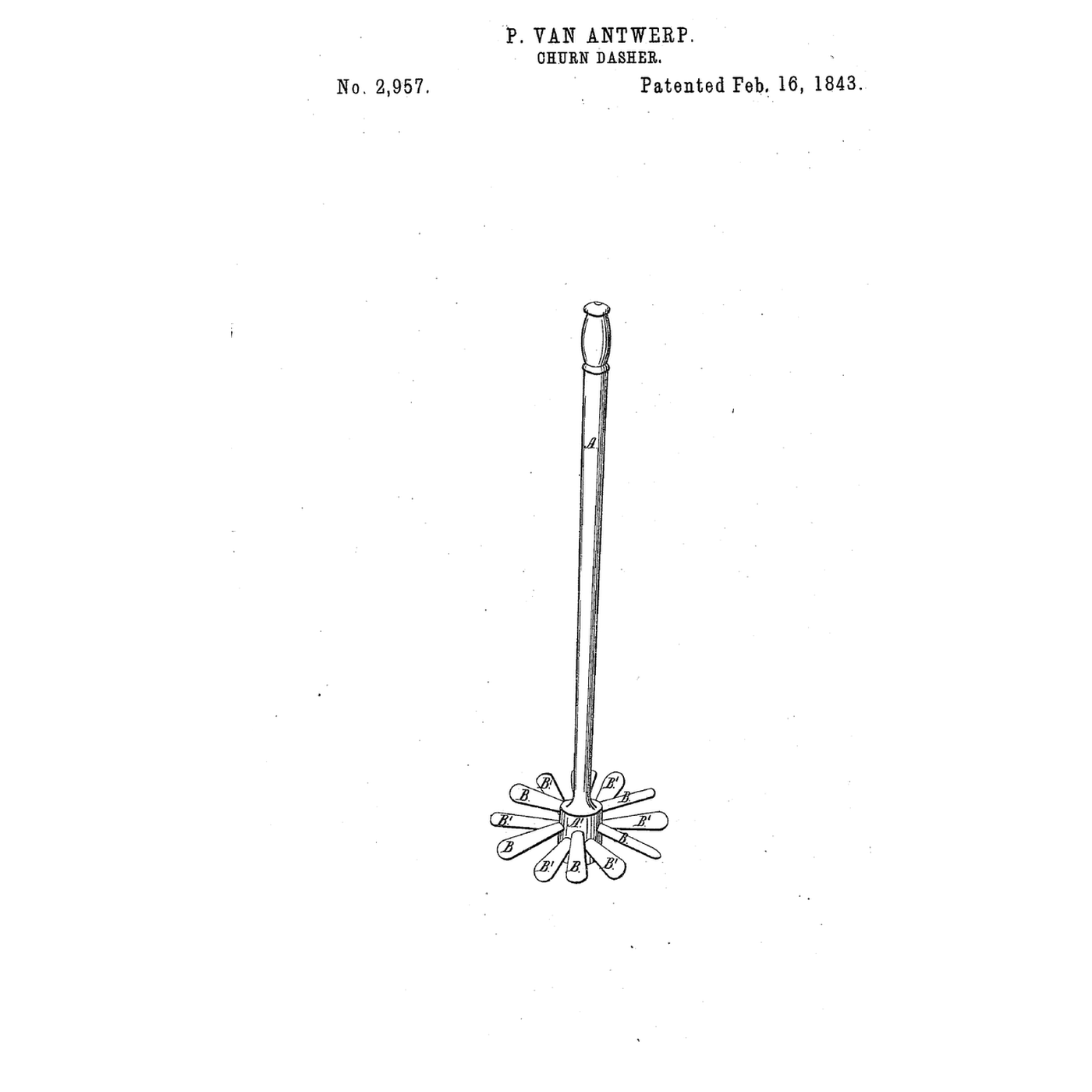

Reacting Churn Dasher: Two Rows of Oars Pitched Opposite Ways
Van Antwerp set out to improve "the common churn or hand dasher," worked up and down in an upright churn.
Peter Van Antwerp of Coeymans, New York, received US 2,957, dated 16 February 1843, for "Van Antwerp's Reacting Churn-Dasher": a knob on the dasher's rod carrying two rows of radial paddles shaped like oars, the upper row pitched one way and the lower row the other, so that "a reaction is also produced in the cream as it is impelled in one direction by the paddles B in the upper series and in the opposite direction by the paddles B' in the lower series." A cork in the end of the knob softens its blow on the churn's bottom.
This rung works out the oars' tilt, then prints the knob and twelve oars, fits them to a rod, and makes butter in a bucket.
نیا سیکھنے والا
About 1 hour, plus printing
ہدایات
1
1
Tilt and pitch
Tilt and pitch
Jupyter نوٹ بک لوڈ ہو رہی ہے…
2
2
The common dash churn it improves
The common dash churn it improves
The embedded blueprint makes butter by agitating cream. Van Antwerp's dasher works the same up-and-down way, with pitched oars instead of a flat cross.
3
3
Read US 2,957
Read US 2,957
"This mode of constructing the dasher gives it great advantage over the ordinary churn dasher as by the employment of paddles arranged in the manner stated no vacuum is created interfering with the operation of the churn, consequently there is no mingling of air with the cream to obstruct the gathering of the butter."
4
4
Print the knob and oars
Print the knob and oars
Print the knob upright, with supports in its sockets. Its square sockets are turned 45° so each oar's blade takes its pitch, the upper row one way and the lower row, under the gaps, the other. Print twelve oars flat. Print in PETG at 0.2 mm layers, 30 % infill, 4 walls; wash before first use.
اس مرحلے کے لیے مواد:
 PETG فلامنٹ1 ٹکڑا
درکار اوزار:
 تار والا 3D پرنٹر (FDM)
5
5
Print the knob
6
6
Print the oar
7
7
Assemble the dasher
Assemble the dasher
Glue the twelve oars into their sockets. Glue a 12 mm hardwood dowel, as long as the bucket is deep plus 150 mm, into the top of the knob. Press a cork into the seat under the knob so it stands proud of the end.
اس مرحلے کے لیے مواد:
 سخت لکڑی کی کھونٹیاں1 ٹکڑا
 کارک1 ٹکڑا
 لکڑی کا گوند1 ٹکڑا
درکار اوزار:
 ہاتھ کی آری
 ریگ مال
8
8
Make the churn
Make the churn
Drill a 20 mm hole in the centre of a food-grade 20-litre bucket's lid for the rod.
اس مرحلے کے لیے مواد:
 20 لٹر کی بالٹی1 ٹکڑا
درکار اوزار:
 بے تار مشق
 ہول سا کا سیٹ
9
9
The build in 3D
The build in 3D
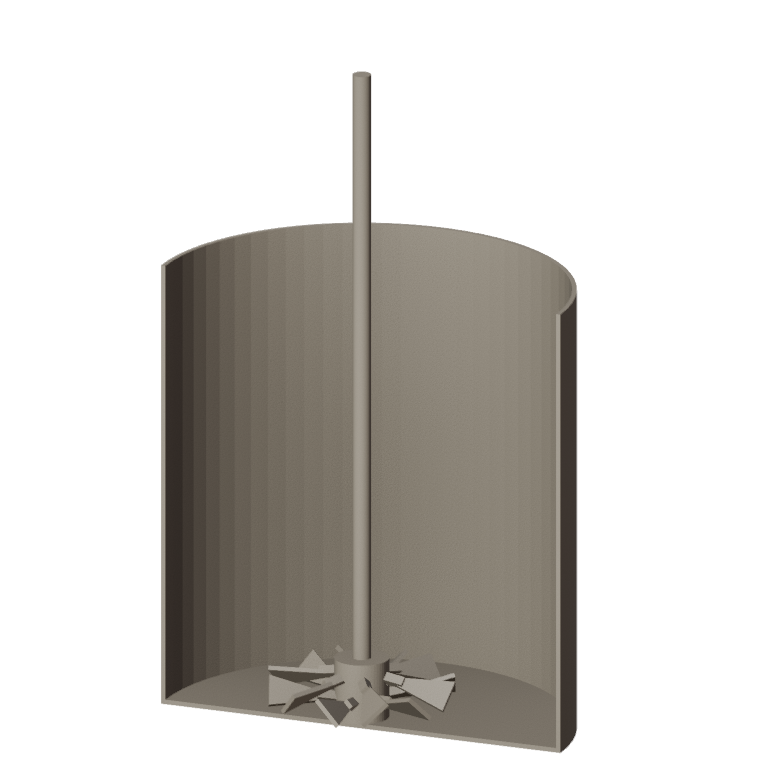
FreeCAD model of this build, not of the patent: the bucket cut away to show the knob on the rod's foot with its upper row of oars tilted down and pitched one way, and the lower row tilted up and pitched the other.
10
10
Dash and make butter
Dash and make butter
Let the heavy cream stand until it reaches about 15 °C, checked with the thermometer. Pour in 1 litre, fit the lid over the rod, and work the dasher up and down like a common dasher. Time until the butter comes. Pour off the buttermilk, add cold water, churn a little and pour off again until it runs clear; work in a pinch of salt and weigh the butter.
اس مرحلے کے لیے مواد:
 گاڑھی بالائی1000 ملی لیٹر
 موٹا سمندری نمک1 ٹکڑا
 پانی1 ٹکڑا
درکار اوزار:
 اندر رہنے والی سلاخ والا ترمامیٹر
 اسٹاپ واچ
 ڈیجیٹل باورچی خانہ ترازو
 زنگ نہ لگنے والے فولاد کا بڑا ملانے کا پیالہ
11
11
Oars that loosen, a dasher that thumps
Oars that loosen, a dasher that thumps
Reacting churn dasher troubleshooting.
Flow
Loading...
12
12
History and honest limits
History and honest limits
**Peter Van Antwerp** of Coeymans, Albany County, New York, received US 2,957, dated 16 February 1843. The knob was about three inches of the rod's lower end, enlarged; the paddles were "broad and flattened at their outer ends where they project into the cream, tapering from thence to their inner ends"; the centre hole could be filled with cement or putty and closed with cork "or other elastic substance" to keep the churn's bottom from being bruised. He claimed combining with the rod the two series of paddles arranged above each other and operating as described.
**Honest limits.** A printed knob and oars stand in for his wooden ones, and a bucket for his churn. FDM prints hold food in their layer lines, so wash well and replace when worn. Your times and weights are the result.
مواد
8- 1 ٹکڑاپلیس ہولڈر
- 1 ٹکڑاپلیس ہولڈر
- 1 ٹکڑاپلیس ہولڈر
- 1 ٹکڑاپلیس ہولڈر
- 1 ٹکڑاپلیس ہولڈر
- 1000 ملی لیٹرپلیس ہولڈر
- 1 ٹکڑاپلیس ہولڈر
- 1 ٹکڑاپلیس ہولڈر
درکار اوزار
9- پلیس ہولڈر
- پلیس ہولڈر
- پلیس ہولڈر
- 1 vendor sell this, none ship to you yetپلیس ہولڈر
- پلیس ہولڈر
- پلیس ہولڈر
- پلیس ہولڈر
- پلیس ہولڈر
ڈیزائن فائلیں
3یہ بلوپرنٹ بناتا ہے
متعلقہ بلیو پرنٹ
یہ بلیو پرنٹ علم بانٹتے ہیں — تکنیک، مواد یا اصول

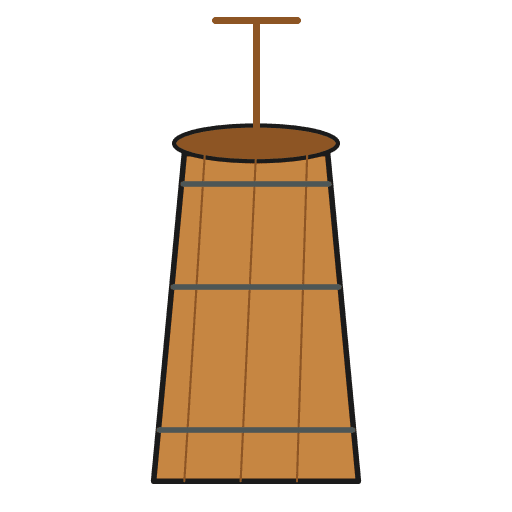
Churning Butter from Cream — The 5,000-Year-Old Fat Separation
TheChef کی طرف سے
دستکاری
54
0
0
0
0
0
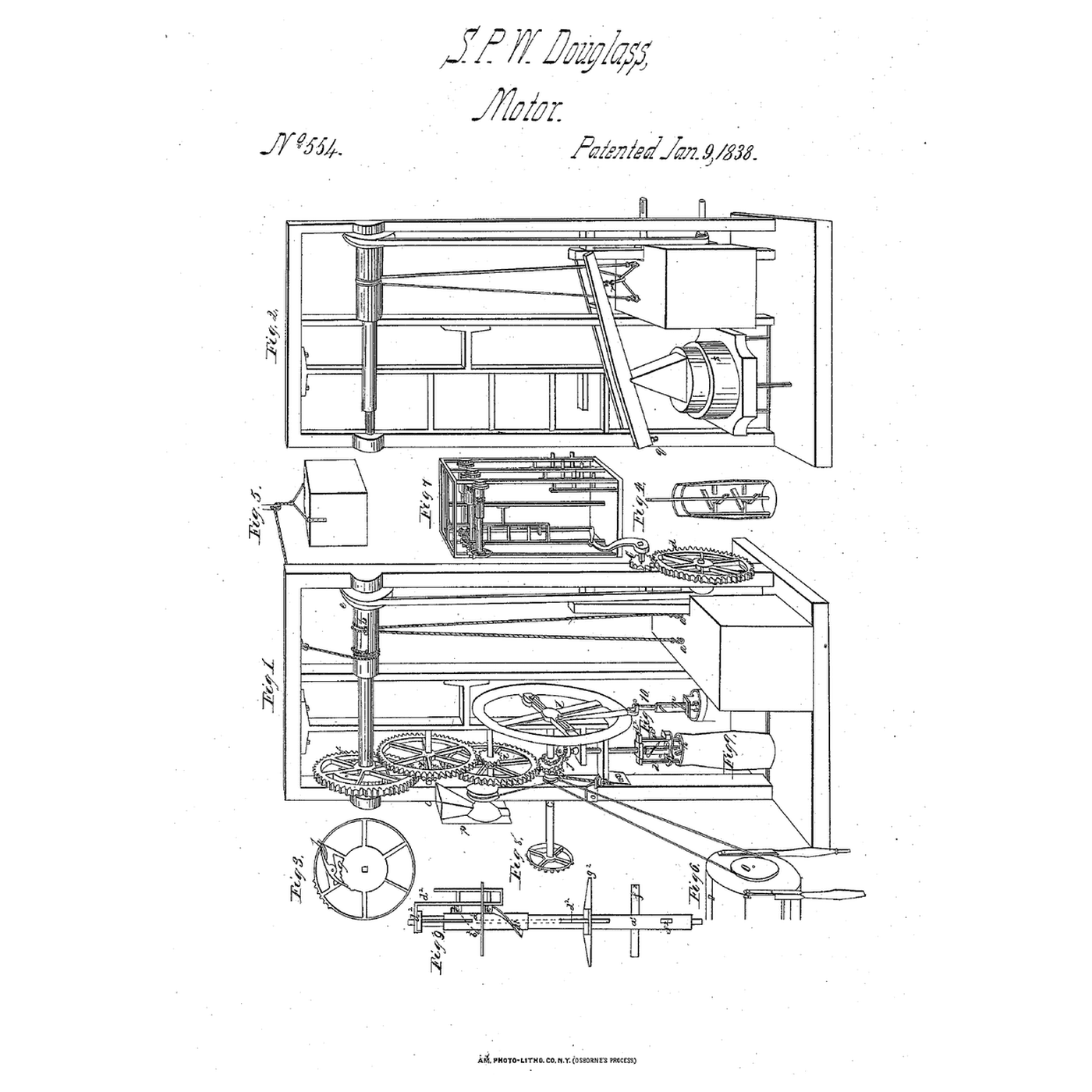
Spiral-Slot Dasher Churn: The Dasher Turns As It Rises and Falls
Emma کی طرف سے
خوراک اور مشروبات
36
0
0
0
0
0
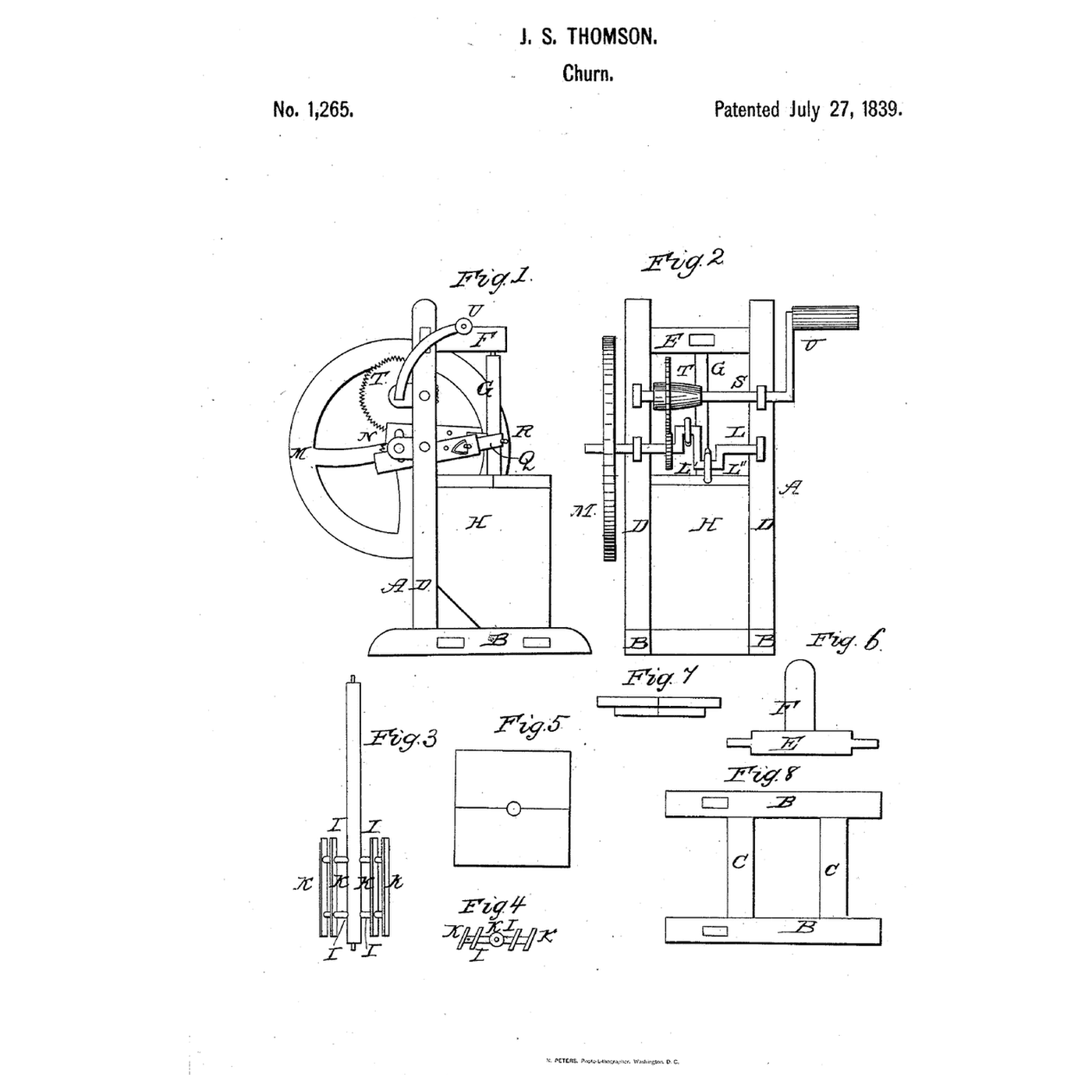
Oscillating Paddle Churn: Oblique Paddles Swung to and Fro by a Strap
Martin کی طرف سے
خوراک اور مشروبات
33
0
0
0
0
0
CC0 پبلک ڈومین
یہ بلیو پرنٹ CC0 کے تحت جاری کیا گیا ہے۔ آپ اجازت لیے بغیر اس کام کو نقل، ترمیم، تقسیم اور کسی بھی مقصد کے لیے استعمال کرنے کے لیے آزاد ہیں۔
میکر کی حمایت کریں ان کے بلیو پرنٹ کے ذریعے پروڈکٹس خرید کر جہاں وہ میکر کمیشن وینڈرز کی طرف سے مقرر، کماتے ہیں، یا اس بلیو پرنٹ کی نئی تکرار بنائیں اور آمدنی شیئر کرنے کے لیے اسے اپنے بلیو پرنٹ میں کنکشن کے طور پر شامل کریں۔